Artwork
Kenora
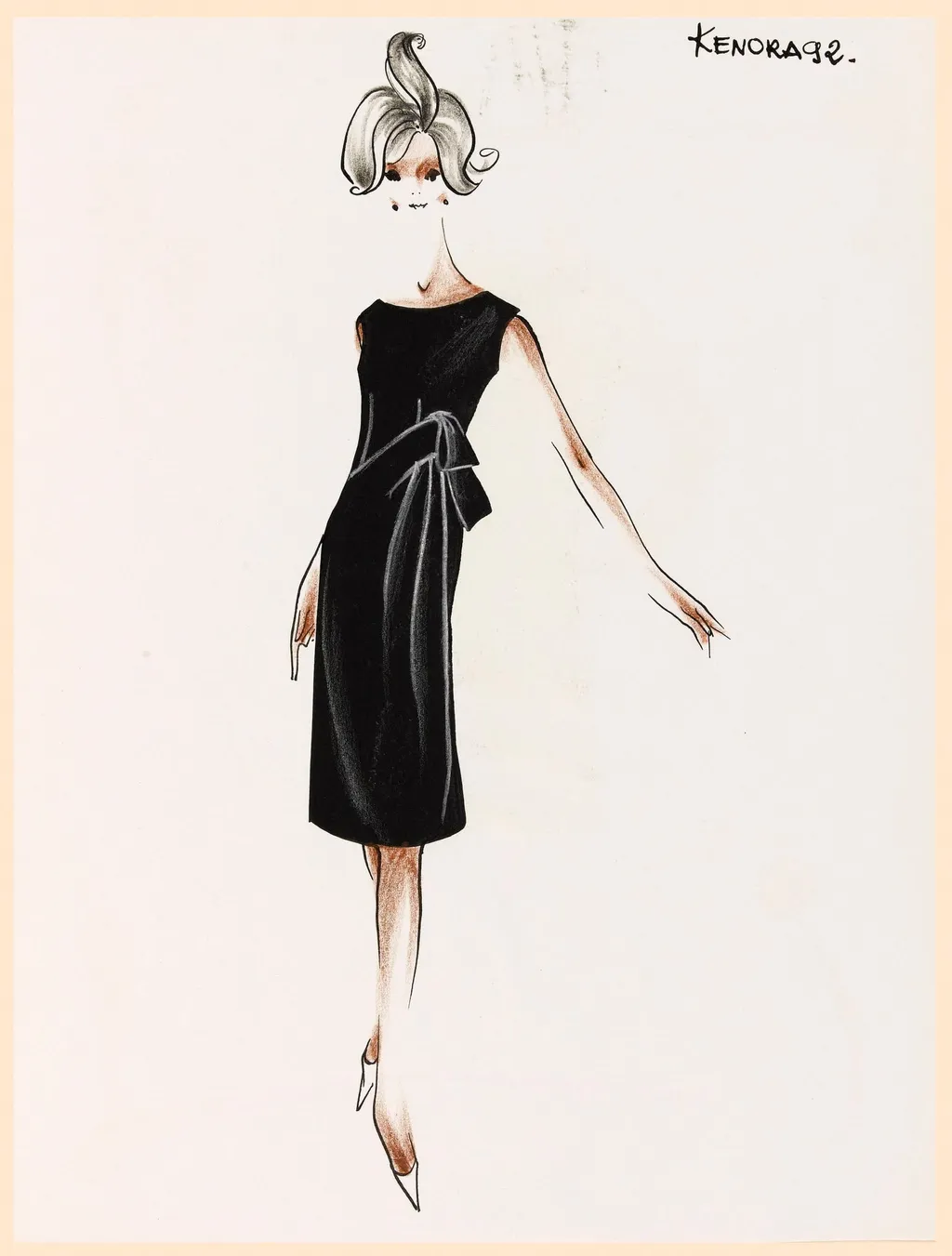
Kenora is a drawing by Marie-Louise Carven. It dates from 1962 and is held in the collection of the Palais Galliera - Musée de la Mode de la Ville de Paris.
About this work
Overview
Though not a finished garment, the sketch reflects Carven’s design process—focused on movement, proportion, and the silhouette of petite figures.
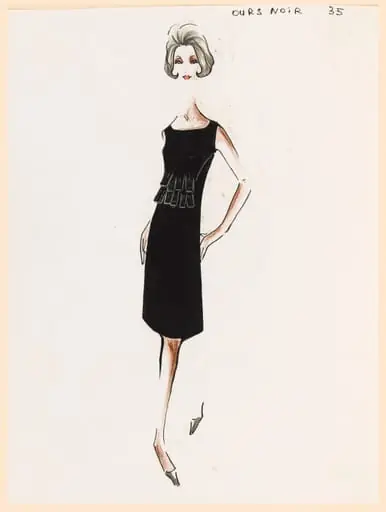
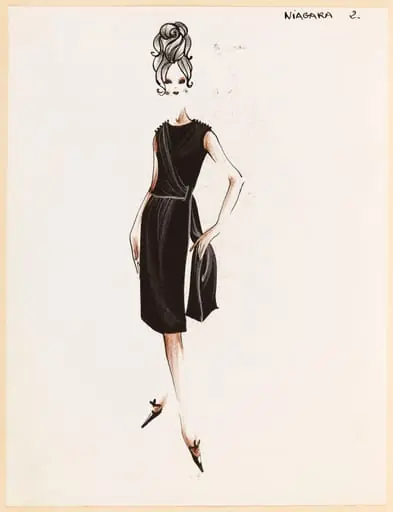
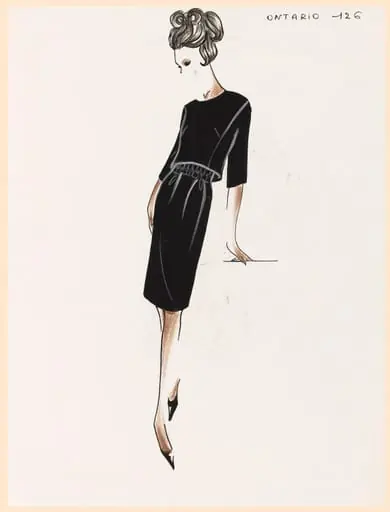
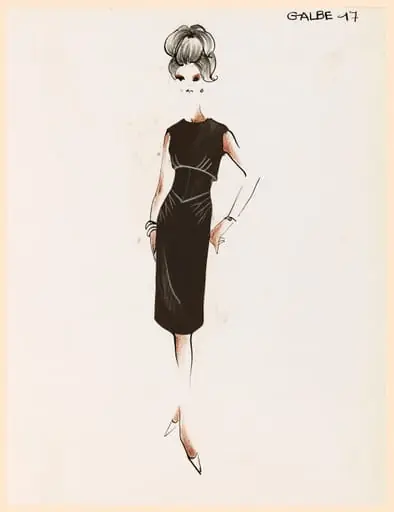
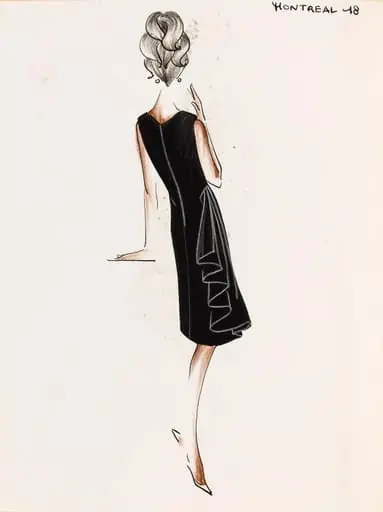
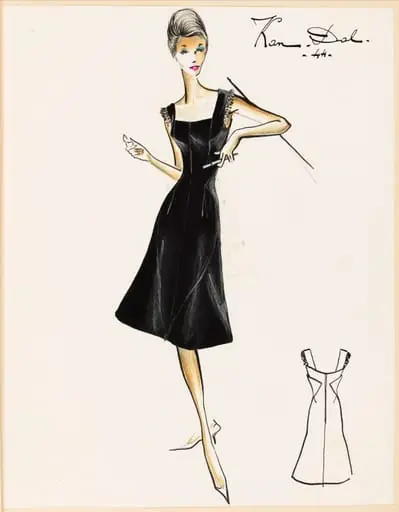
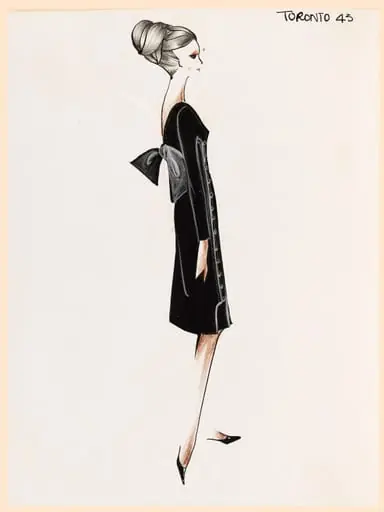
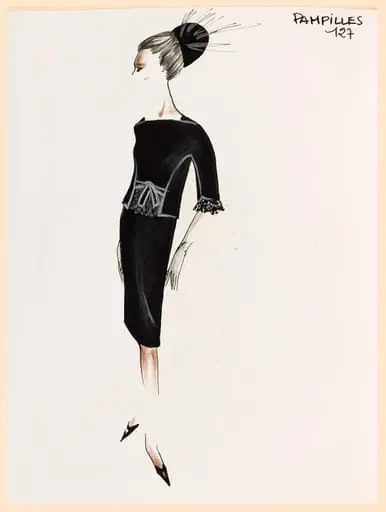
Created around 1962, *Kenora* is a pencil drawing by Marie-Louise Carven, the founder of the French fashion house Carven. The work captures a woman in a minimalist black dress with a waist-tied bow, rendered in swift, assured lines. Though not a finished garment, the sketch reflects Carven’s design process—focused on movement, proportion, and the silhouette of petite figures. It resides in the Museum of Ethnography’s collection as a record of mid-century fashion design practice.
Subject & Meaning
The figure in *Kenora* embodies a quiet elegance, dressed in a streamlined black gown that suggests both sophistication and ease. The high, swirling updo and minimal jewelry emphasize restraint, aligning with Carven’s aesthetic of refined simplicity. The pose is natural, not theatrical, indicating an everyday grace rather than formal pageantry. The drawing functions as a visual note, capturing an ideal of modern femininity rooted in practicality and understated beauty.
Technique & Style
Carven employed loose, confident pencil strokes to suggest form without overdetailing. Light shading defines the dress’s folds and the figure’s posture, while the limbs are rendered with rapid, fluid lines that convey motion. The absence of heavy cross-hatching or intricate texture keeps the focus on silhouette and rhythm. This approach reflects a designer’s sketching method—quick, intuitive, and aimed at capturing essence over precision.
History & Provenance
Marie-Louise Carven established her fashion house in 1945 and was among the earliest French couturiers to develop a ready-to-wear line, bridging haute couture and accessible fashion. *Kenora*, dated to 1962, emerges from this period of innovation. The drawing entered the Museum of Ethnography’s collection as part of a broader effort to document fashion as cultural artifact, preserving the designer’s hand-drawn process alongside manufactured garments.
Context
In the early 1960s, Parisian fashion was shifting toward modernism, with designers rethinking volume, fabric, and wearability. Carven’s focus on petite proportions and lightweight materials distinguished her from contemporaries. *Kenora* reflects this trend—its clean lines and lack of ornamentation mirror broader postwar preferences for functional elegance. The sketch situates her work within a movement that valued clarity and ease over elaborate decoration.
Legacy
As a working drawing, *Kenora* offers insight into the private, iterative nature of fashion design. It preserves Carven’s hand and vision beyond finished garments, highlighting how ideas were translated from paper to cloth. Its preservation in a museum of ethnography signals a growing recognition of fashion as a cultural practice, not merely commercial output—anchoring her contributions in the broader history of 20th-century design.
Artist & collection
Artist
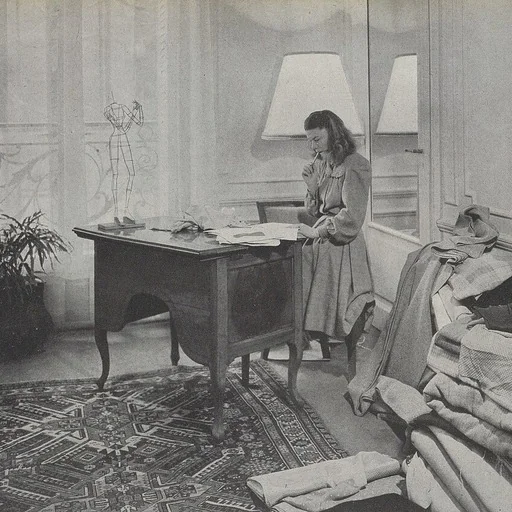
Marie-Louise Carven (31 August 1909 – 8 June 2015), born Carmen de Tommaso, was a French fashion designer who founded the house of Carven in 1945.
Museum
Palais Galliera - Musée de la Mode de la Ville de Paris
Continue through works from the same source collection.
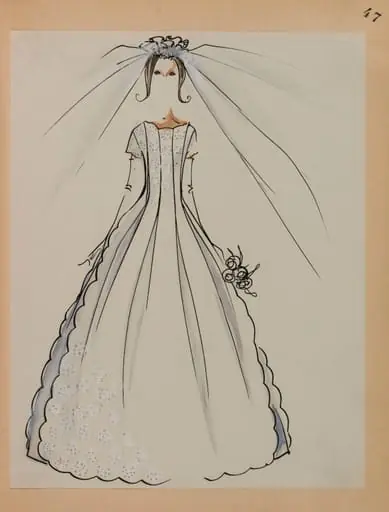 Robe de mariée festonnée et son voile
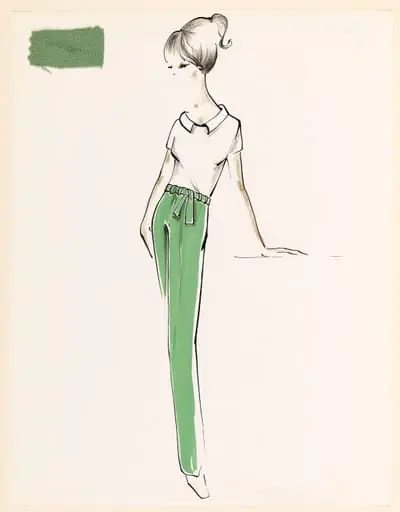 Haut blanc à manches courtes et pantalon vert à ceinture nouée
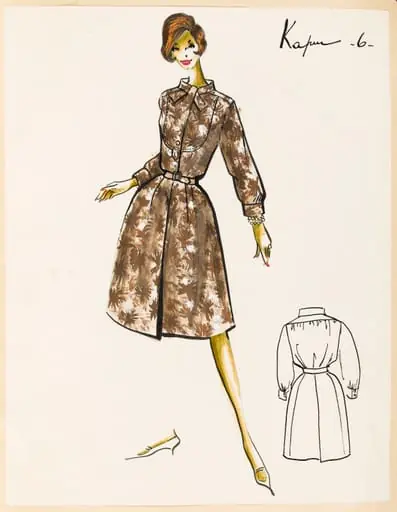 Kapur
Kapur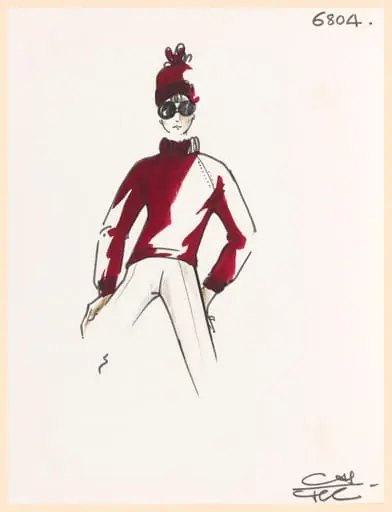 Pull-over à manches longues pourpre, bonnet assorti, pantalon et lunettes de soleil
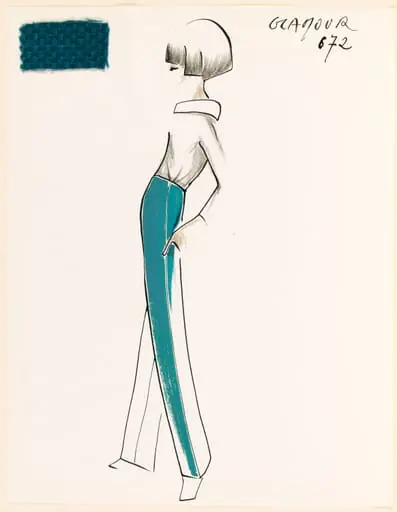 GLAMOUR
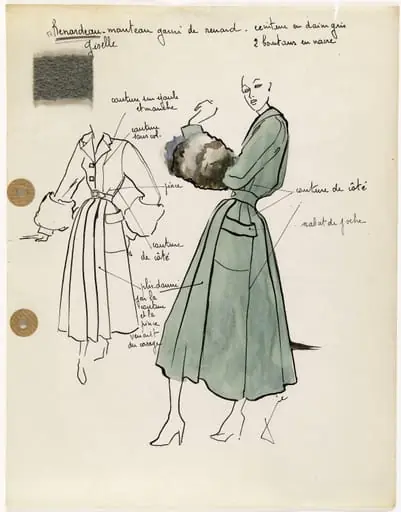 'Renardeau'
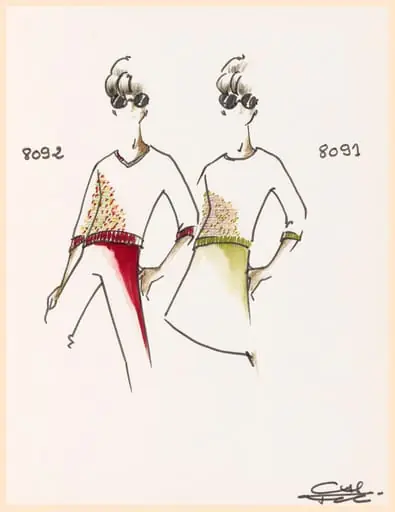 Pull-over à manches trois quarts et à encolure V à motifs multicolores, pantalon cerise et lunettes de soleil
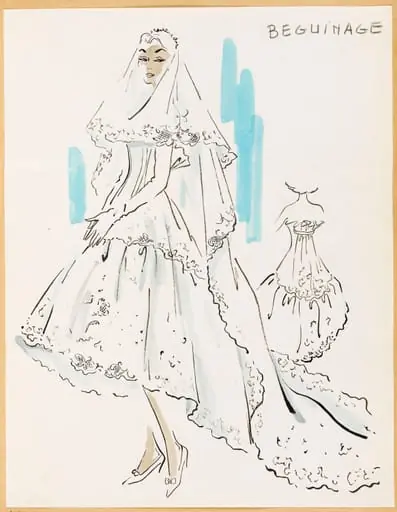 Béguinage