Artwork
Vérone
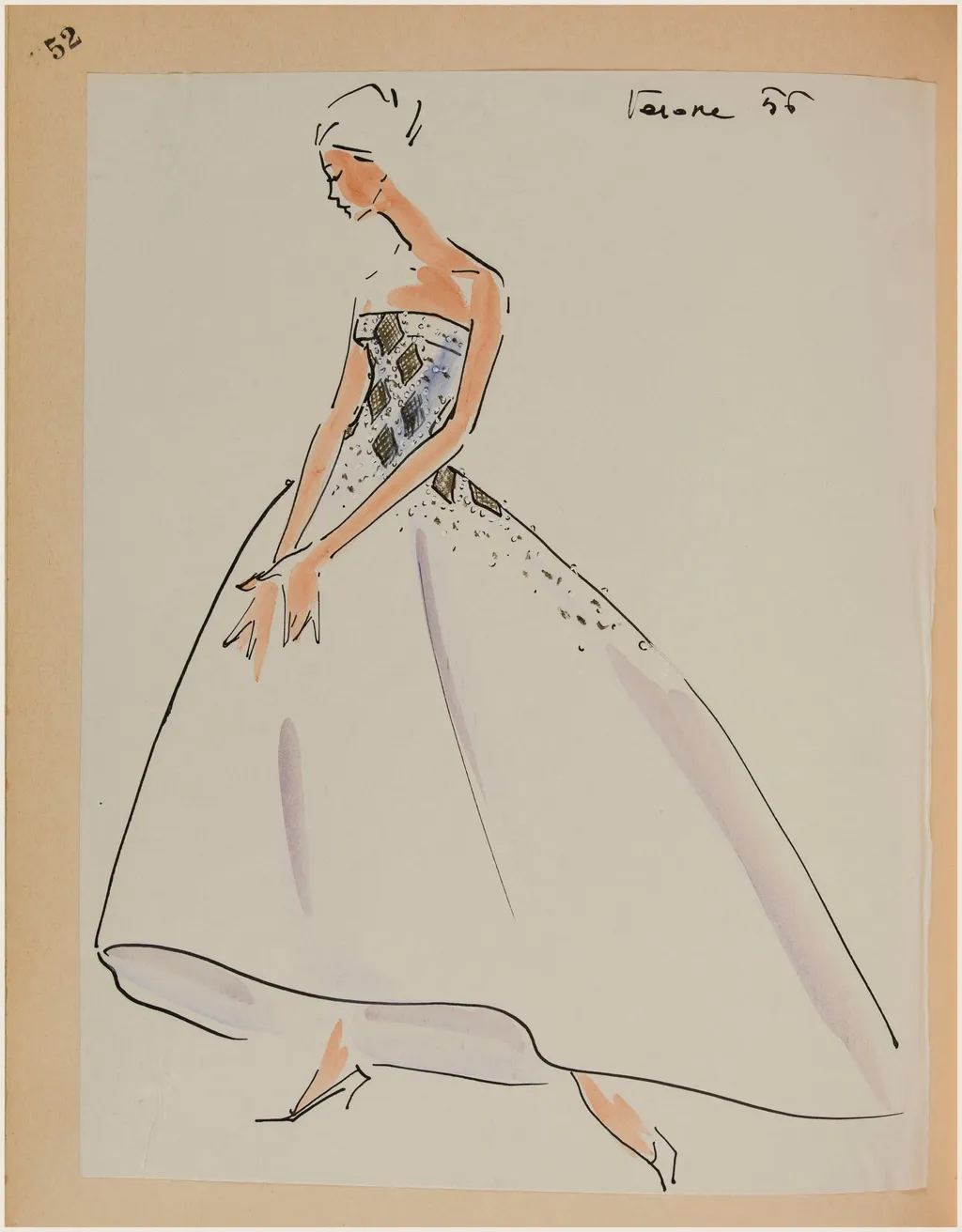
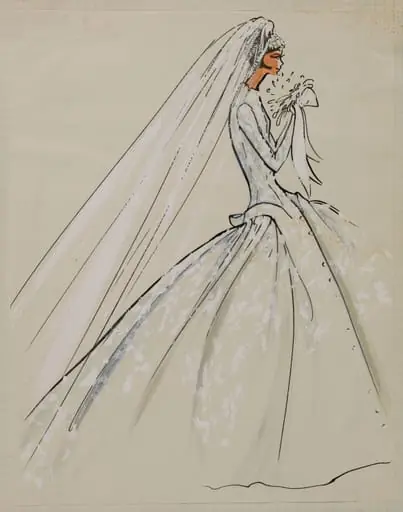
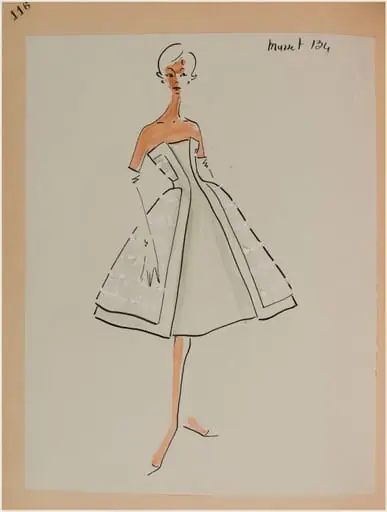
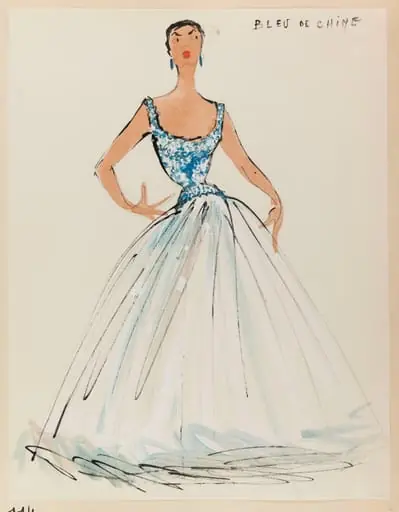
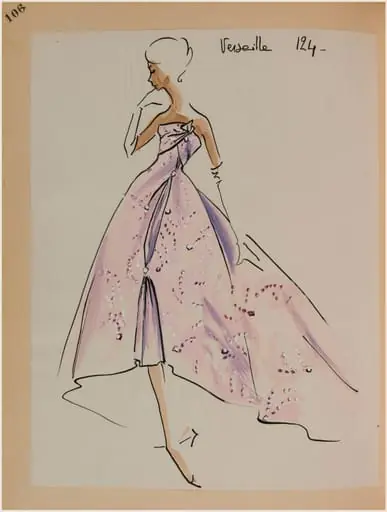
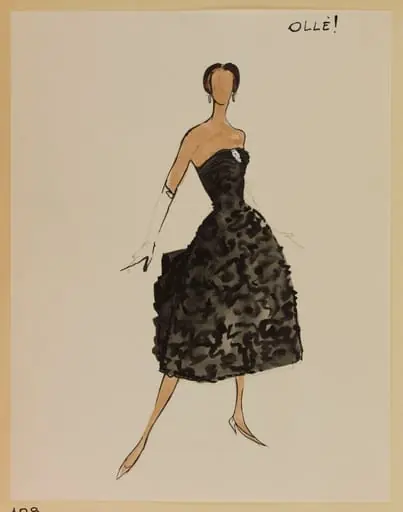
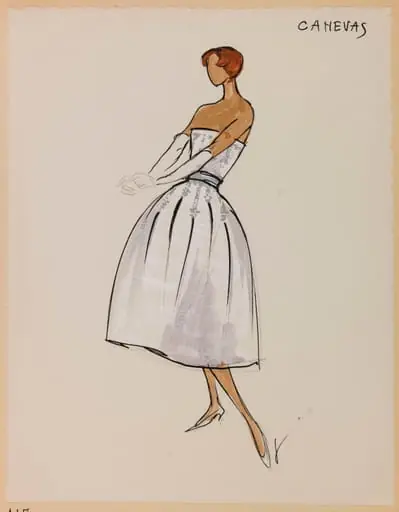
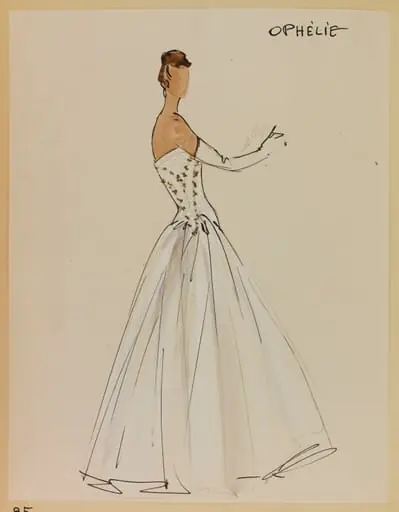
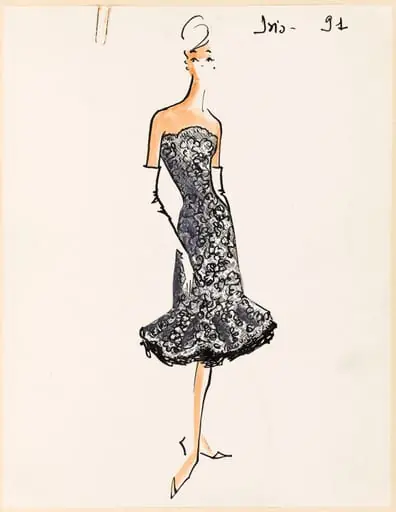
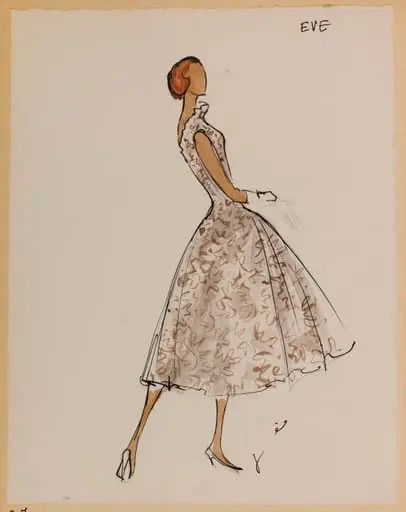
Vérone is a drawing by Carven. It dates from 1958 and is held in the collection of the Palais Galliera - Musée de la Mode de la Ville de Paris.
About this work
Overview
The composition emphasizes movement over realism, using simplified forms and flat areas of color to suggest a moment of balance or collapse.
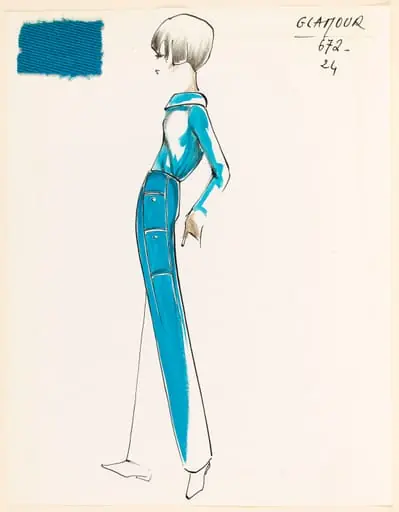
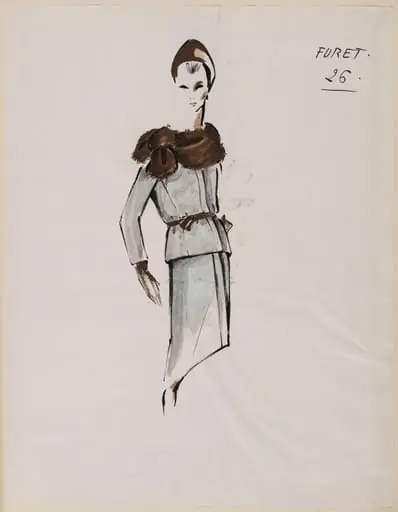
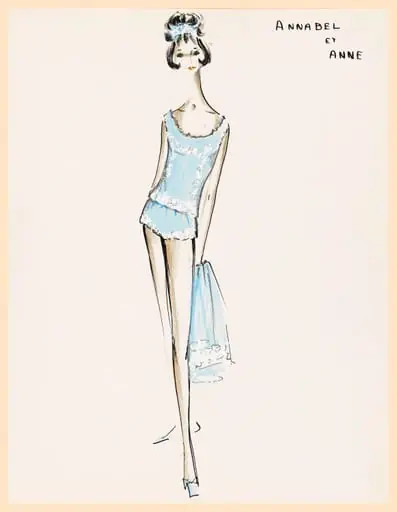
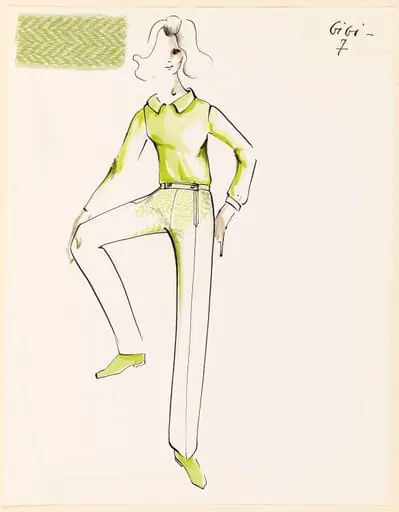
Created around 1958 by Carven, Vérone is a dynamic sketch held in the Museum of Ethnography’s collection. It captures a figure in motion, rendered with minimal detail and energetic brushwork. The composition emphasizes movement over realism, using simplified forms and flat areas of color to suggest a moment of balance or collapse. The work’s immediacy reflects a spontaneous approach to drawing, typical of the artist’s exploratory style during this period.
Subject & Meaning
The figure appears suspended mid-action, arms extended as if caught in a gesture of equilibrium or surrender. There is no narrative context provided, and the lack of facial features or environmental cues invites interpretation rather than storytelling. The ambiguity of the pose—neither clearly dancing nor falling—leaves the emotional tone open, focusing attention on the physicality of motion rather than identity or intent.
Technique & Style
Carven employed bold, fluid lines and unmodulated color to construct the figure, avoiding shading or fine detail. The dress, rendered in sweeping blue and gray tones, suggests volume through shape rather than texture. Orange accents on the face are minimal, barely defining features. The strokes are swift and assured, conveying rhythm and momentum, as if the drawing was made in a single, continuous motion.
History & Provenance
Vérone entered the Museum of Ethnography’s holdings in the late 1960s, likely acquired as part of a broader collection of Carven’s experimental drawings. Its origin as a preparatory sketch or independent study is undocumented. No exhibition history or provenance records prior to its museum acquisition are publicly available, leaving its initial purpose and reception largely untraced.
Context
Made during a period when many artists were moving away from traditional representation, Vérone aligns with postwar interests in gesture and abstraction. Its emphasis on motion and reduction of form echoes contemporaneous developments in Expressionist drawing and early performance documentation. Though not tied to a specific movement, it reflects a broader cultural shift toward capturing ephemeral experience through visual immediacy.
Legacy
Vérone remains a quiet example of Carven’s interest in the body as a vehicle for expressive line. While not widely reproduced or studied, it contributes to understanding the artist’s engagement with movement and minimalism. Its presence in an ethnographic museum suggests an interest in non-Western or folk-inspired forms of bodily expression, though no direct cultural influences have been confirmed.
Artist & collection
Artist
These delicate ink-on-paper drawings capture the quiet poetry of everyday things: pinecones, reeds, apples.
Museum
Palais Galliera - Musée de la Mode de la Ville de Paris
Continue through works from the same source collection.