Artwork
Portrait of a woman, possibly a member of the van Citters family
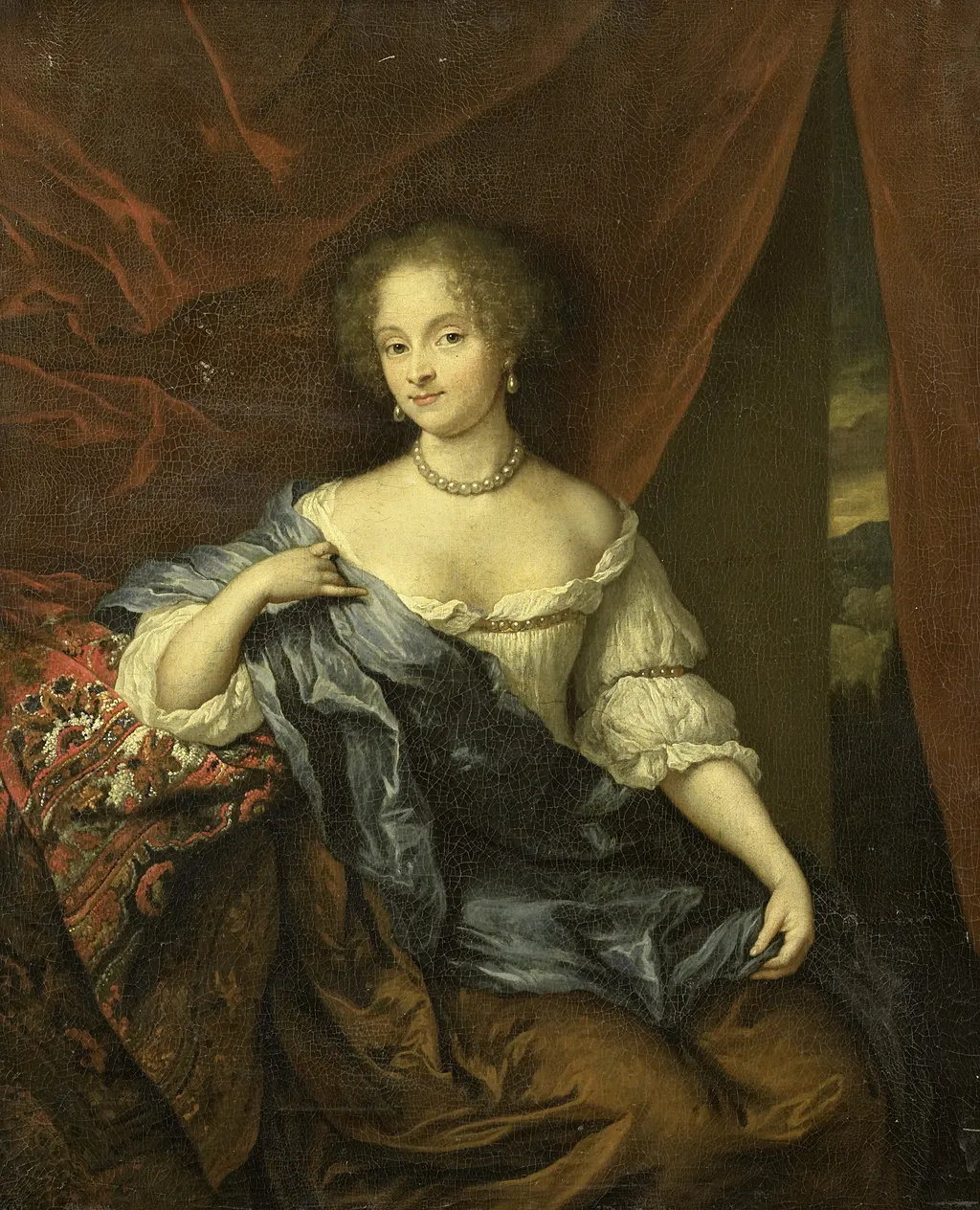
Portrait of a woman, possibly a member of the van Citters family is an oil painting by the Dutch Golden Age artist Caspar Netscher. It dates from 1674 and is held in the collection of the Rijksmuseum.
About this work
She is dressed in a white, off-the-shoulder dress with puffy sleeves, and a dark blue shawl is draped over her left arm.
The painting depicts a woman with curly hair, wearing a pearl necklace and earrings. She is dressed in a white, off-the-shoulder dress with puffy sleeves, and a dark blue shawl is draped over her left arm. The background features a red curtain and a landscape with a cloudy sky.
The woman's attire and the pearl jewelry suggest that she may be a member of a wealthy family. The painting's style and the use of oil paint indicate that it is a work from the 17th century.
This painting is a great example of the work of the artist Caspar Netscher.
Overview
Caspar Netscher’s oil portrait, dated 1674, presents a seated woman rendered with refined detail. The composition places her against a red curtain and a distant landscape under a cloudy sky, creating a subtle contrast between interior and exterior space. The work is part of the Rijksmuseum’s collection, exemplifying Dutch portraiture of the late seventeenth century.
Subject & Meaning
The sitter is shown with curled hair, a pearl necklace, and matching earrings, attire that signals high social standing. Her white off‑the‑shoulder dress with puffed sleeves, complemented by a dark blue shawl, conveys both elegance and modesty. While her identity is not definitively recorded, the luxurious accessories suggest she belonged to a prosperous family, possibly the van Citters lineage.
Technique & Style
Netscher employs a smooth, luminous oil technique characteristic of Dutch Golden Age portraiture, achieving delicate flesh tones and a polished surface. The handling of light on the pearls and fabric demonstrates his skill in rendering texture. The background’s muted landscape and curtain are rendered with restrained brushwork, allowing the figure to dominate the visual field.
History & Provenance
Created in 1674, the painting entered the Rijksmuseum’s holdings through acquisition in the twentieth century, though earlier ownership records are sparse. Its attribution to Netscher has been consistently accepted by scholars, based on stylistic analysis and documentary evidence linking the work to his late‑period output.
Context
During the 1670s, Dutch portraiture emphasized individual status and domestic refinement, reflecting the prosperity of the merchant class. Netscher, trained in the studio of Gerard ter Borch, combined meticulous detail with a restrained elegance, aligning his work with contemporary tastes for modest yet affluent representation.
Own this work as a print
Artist & collection

Artist
Caspar Netscher was a Dutch painter. He was a master in depicting oriental rugs, silk and brocade and introduced an international style to the Northern Netherlands.

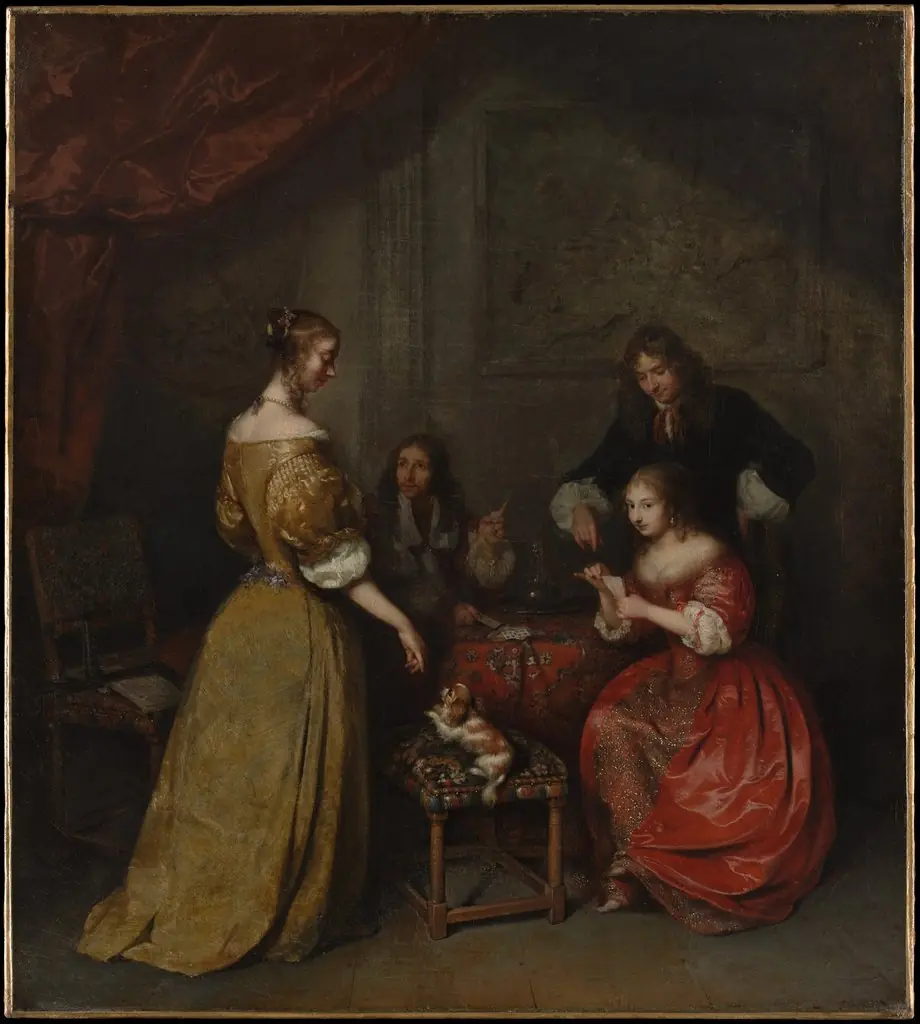 The Card Party
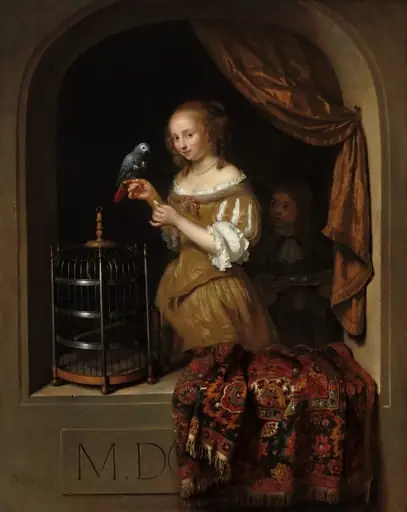 A Woman Feeding a Parrot, with a Page
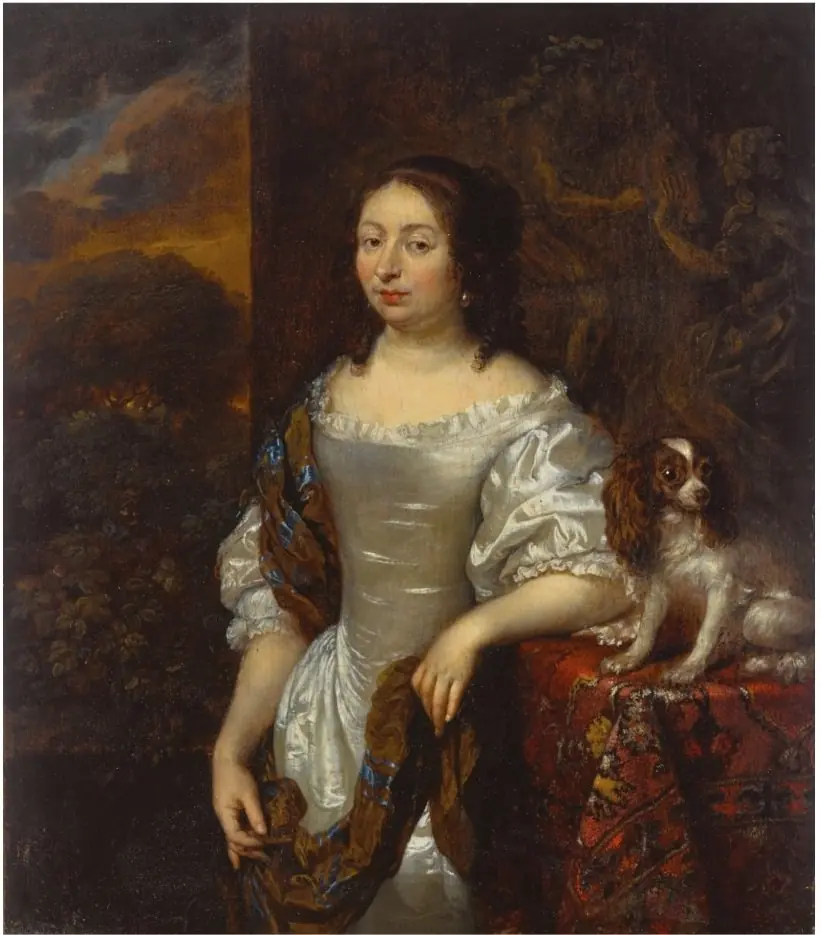 Portrait of a Lady with a Dog on a Table
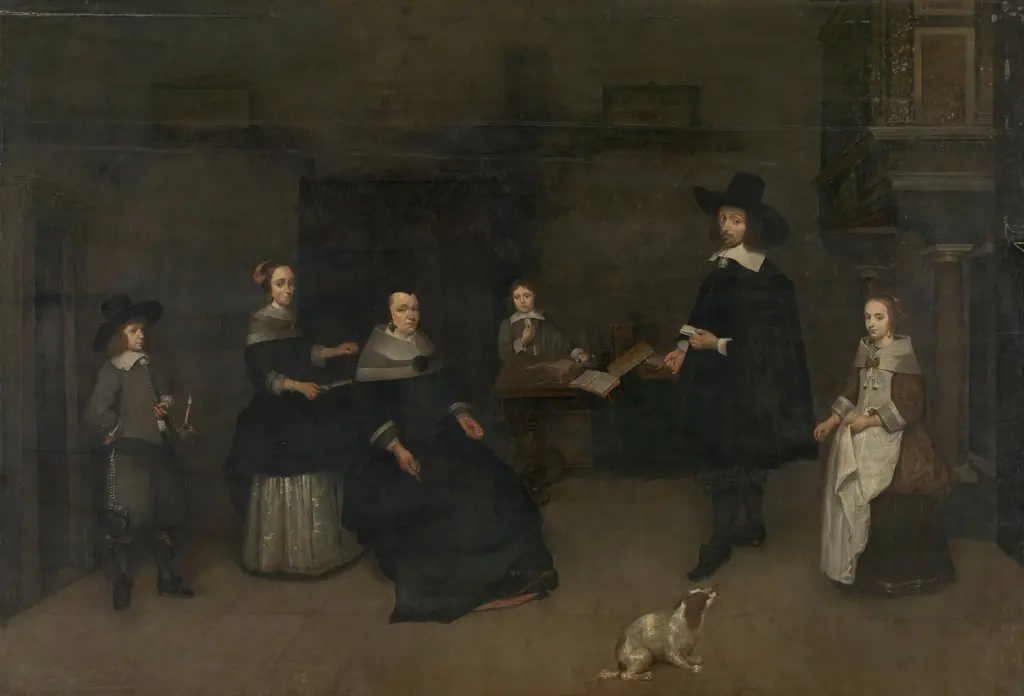 Family scene
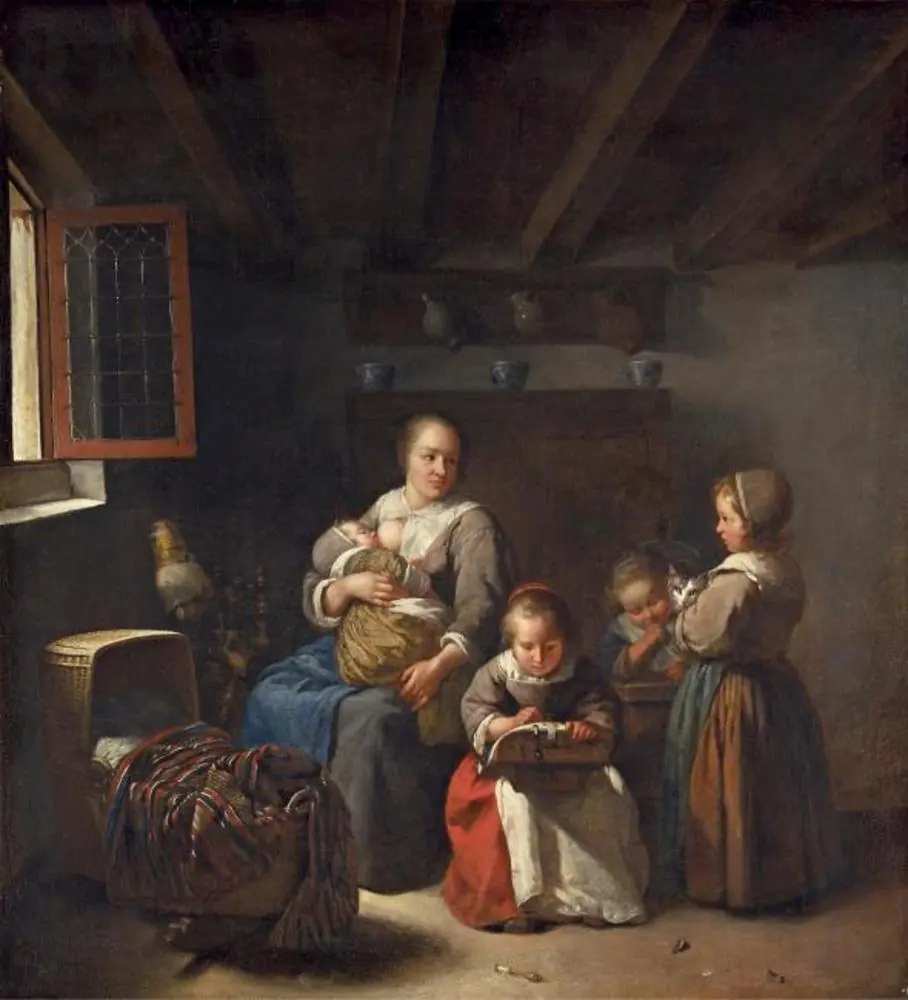 Nursing mother with three girls
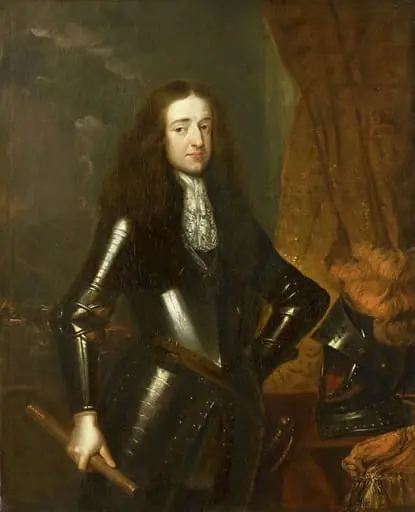 Portrait of Willem III (1650-1702), Prince of Orange and since 1689, King of England
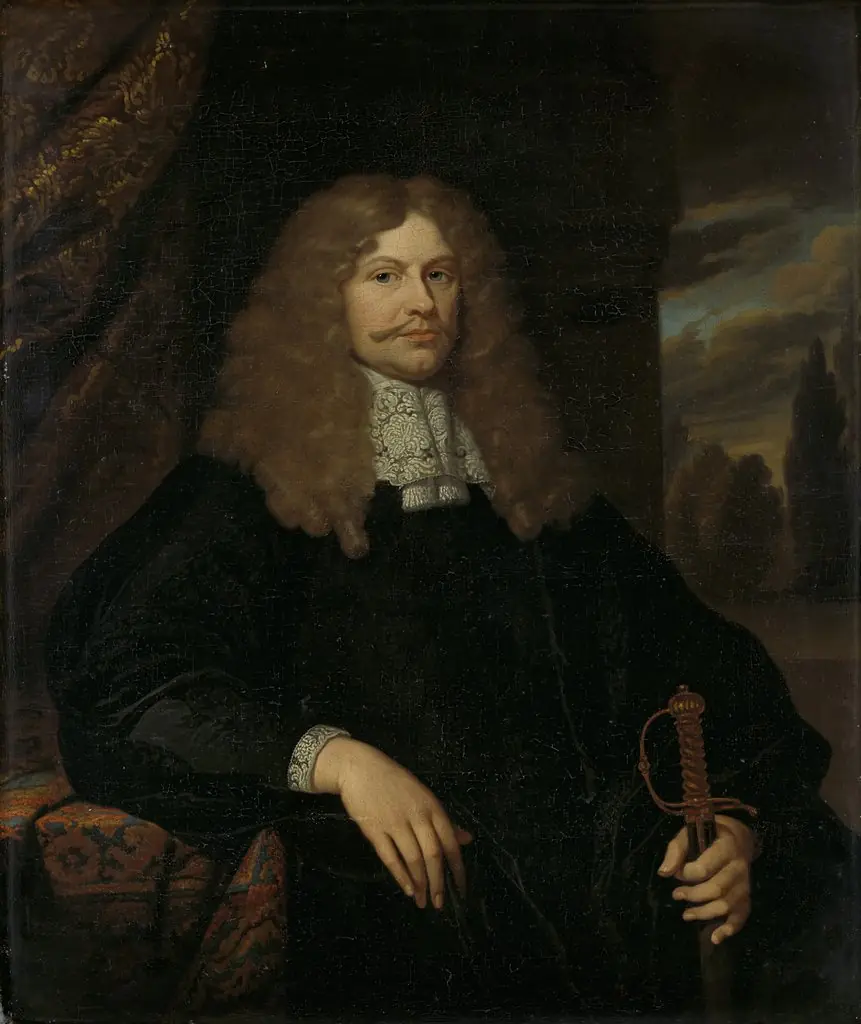 Portrait of Cornelis Backer (1633-81), councillor, alderman, and colonel of the Amsterdam militia
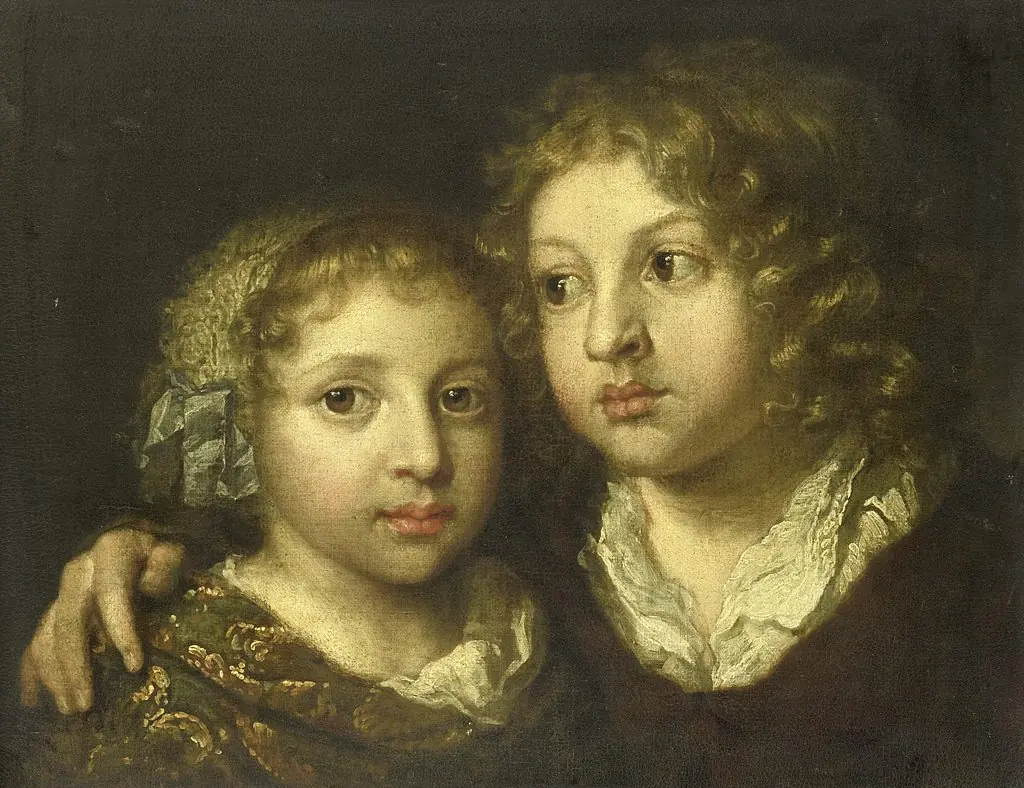 A daughter and a son (Constantijn?) of the artist