Artwork
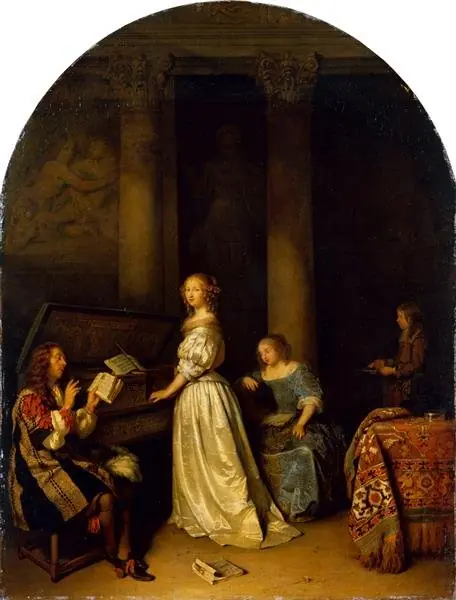
Singing lesson
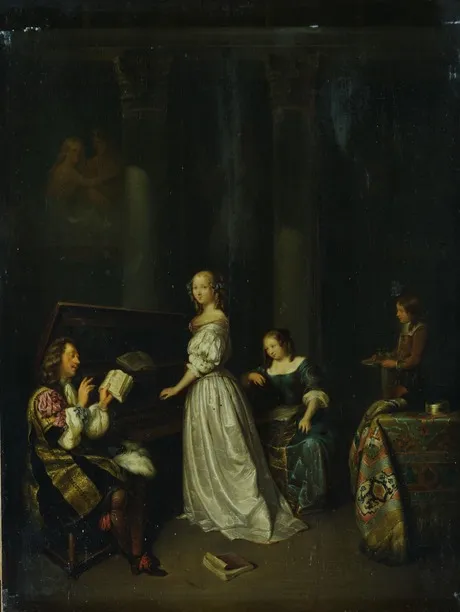
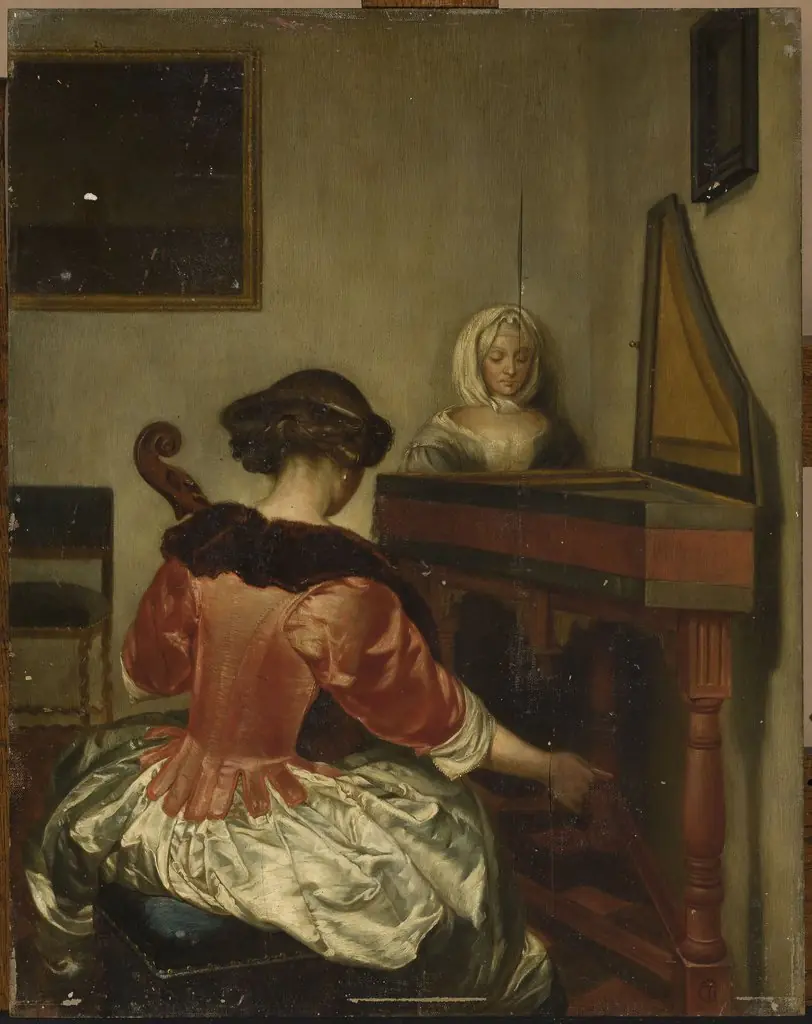
Singing lesson is an oil painting by the Dutch Golden Age artist Caspar Netscher. It dates from 1650 and is held in the collection of the National Gallery of Armenia.
About this work
Overview
The work is part of the National Gallery of Armenia’s collection, where it remains a quiet example of Dutch genre painting from the mid-seventeenth century.
Painted around 1650 by Caspar Netscher, this wooden panel depicts an intimate domestic scene centered on music instruction. The composition captures a moment of quiet engagement between figures in a modest interior, with attention to texture, posture, and subtle lighting. The work is part of the National Gallery of Armenia’s collection, where it remains a quiet example of Dutch genre painting from the mid-seventeenth century.
Subject & Meaning
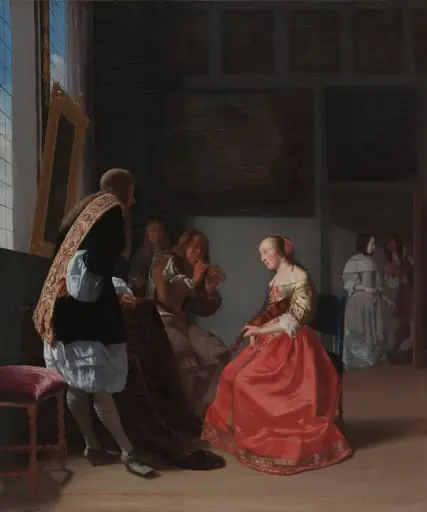
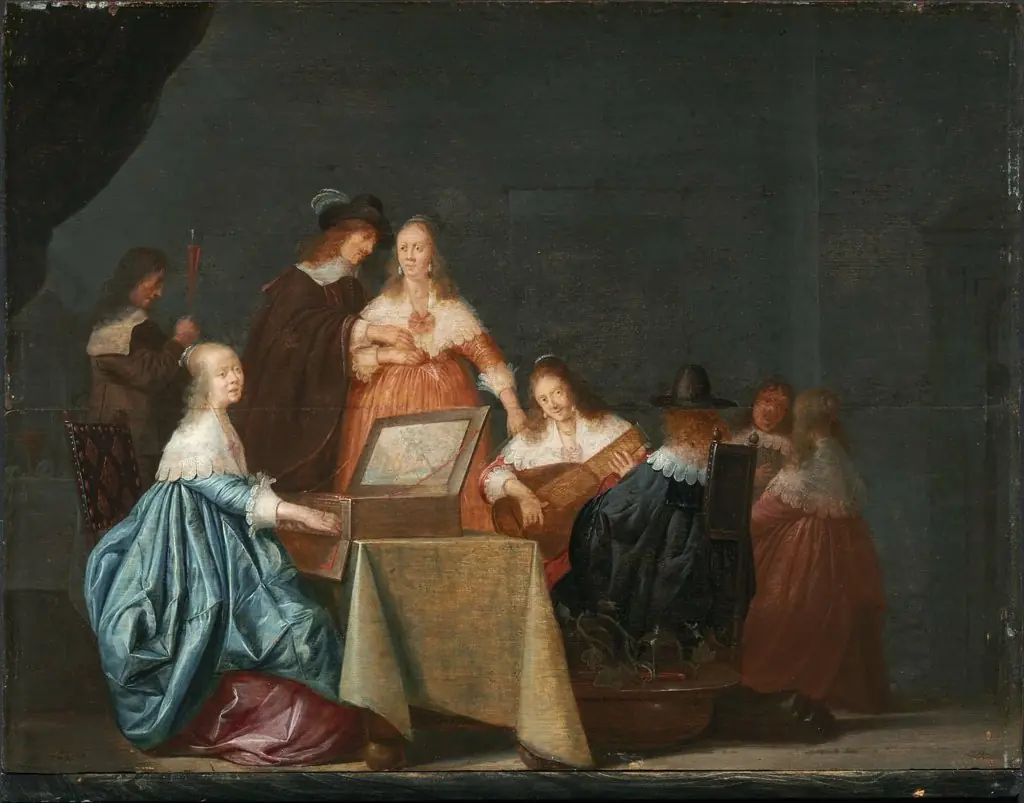
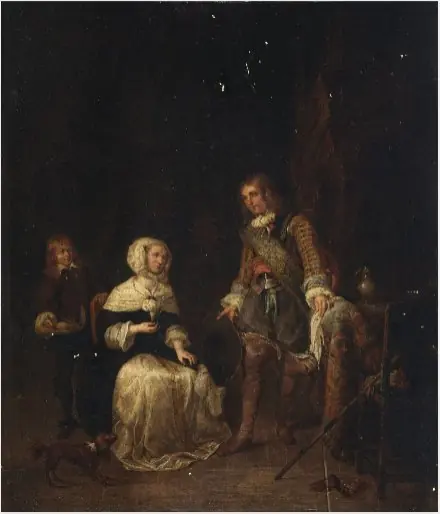
The scene portrays a musical lesson, likely in a private home, with a woman instructing others in song or harpsichord technique. The presence of a book on the floor suggests pedagogy or notation, while the seated figures observe attentively. The boy standing behind them may be a pupil or servant, reinforcing the hierarchical yet refined nature of the setting. The faint figure in the background adds a layer of mystery, possibly symbolizing memory or the presence of art itself.
Technique & Style
Netscher employs fine brushwork to render fabrics, skin tones, and the sheen of the harpsichord with precision. Chiaroscuro is used subtly to model forms and direct focus, particularly on the central figures. The dark background isolates the group, enhancing the sense of intimacy. The palette is restrained yet rich, with the woman’s white dress and the man’s pink vest providing delicate contrasts against muted surroundings.
History & Provenance
The painting entered the National Gallery of Armenia’s collection in the twentieth century, though its earlier ownership remains undocumented. Its journey from the Netherlands to Yerevan is unclear, but its preservation suggests it was valued as a representative work of Dutch genre painting. No major exhibitions or scholarly disputes surround its attribution, which remains confidently assigned to Netscher.
Context
Created during the Dutch Golden Age, the painting reflects a broader cultural interest in domestic leisure and the arts among the middle and upper classes. Musical instruction was a common subject in genre scenes, signaling refinement and moral virtue. Netscher, trained in the Hague and influenced by Frans van Mieris, specialized in elegant interiors and finely detailed figures, aligning this work with contemporary tastes for quiet, polished realism.
Legacy
Though not widely reproduced, the painting exemplifies Netscher’s skill in capturing nuanced social interactions through restrained composition and meticulous detail. It contributes to the understanding of how music functioned as both art and social ritual in Dutch households. Its presence in Armenia underscores the global circulation of Dutch art in the modern era, beyond traditional Western collections.
Artist & collection

Artist
Caspar Netscher was a Dutch painter. He was a master in depicting oriental rugs, silk and brocade and introduced an international style to the Northern Netherlands.

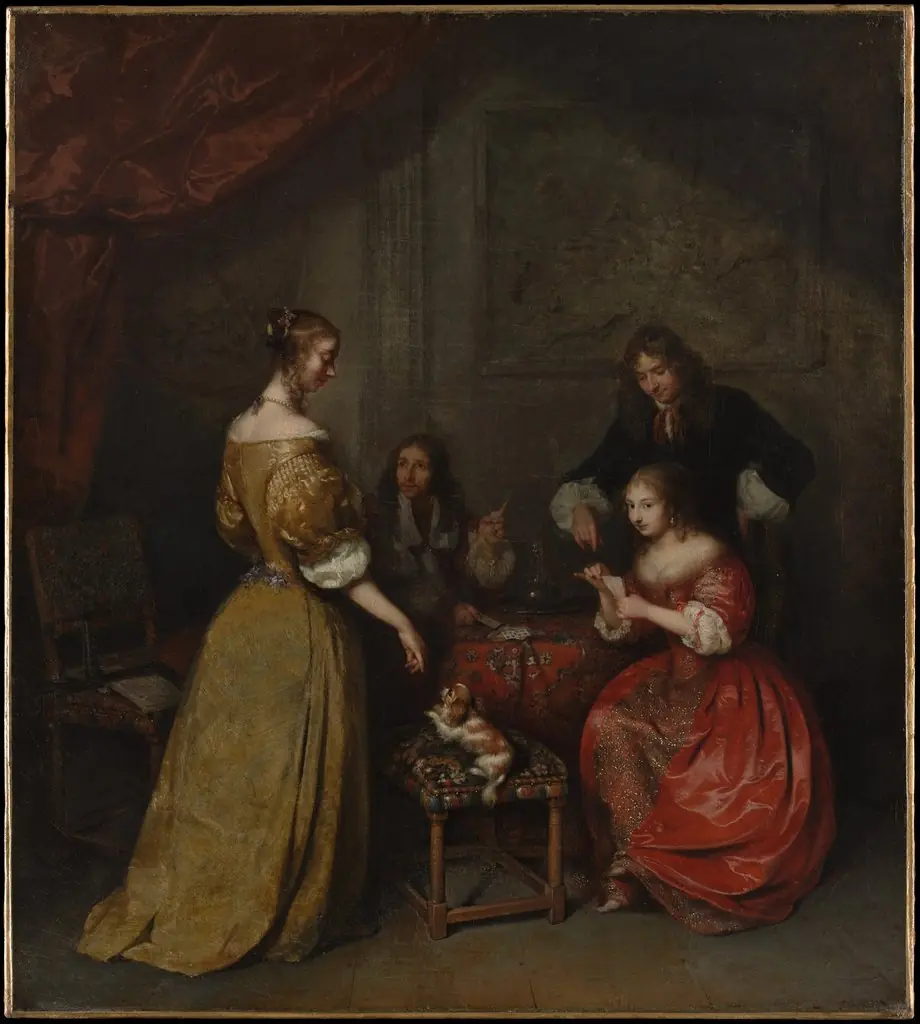 The Card Party
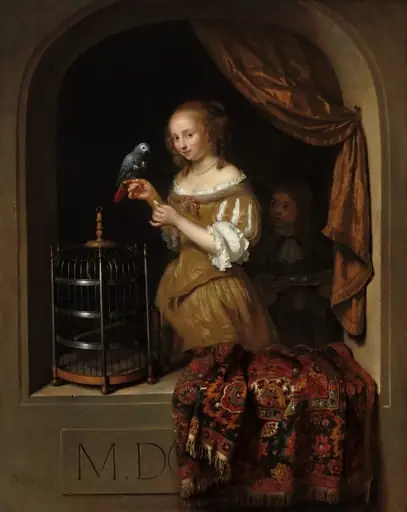 A Woman Feeding a Parrot, with a Page
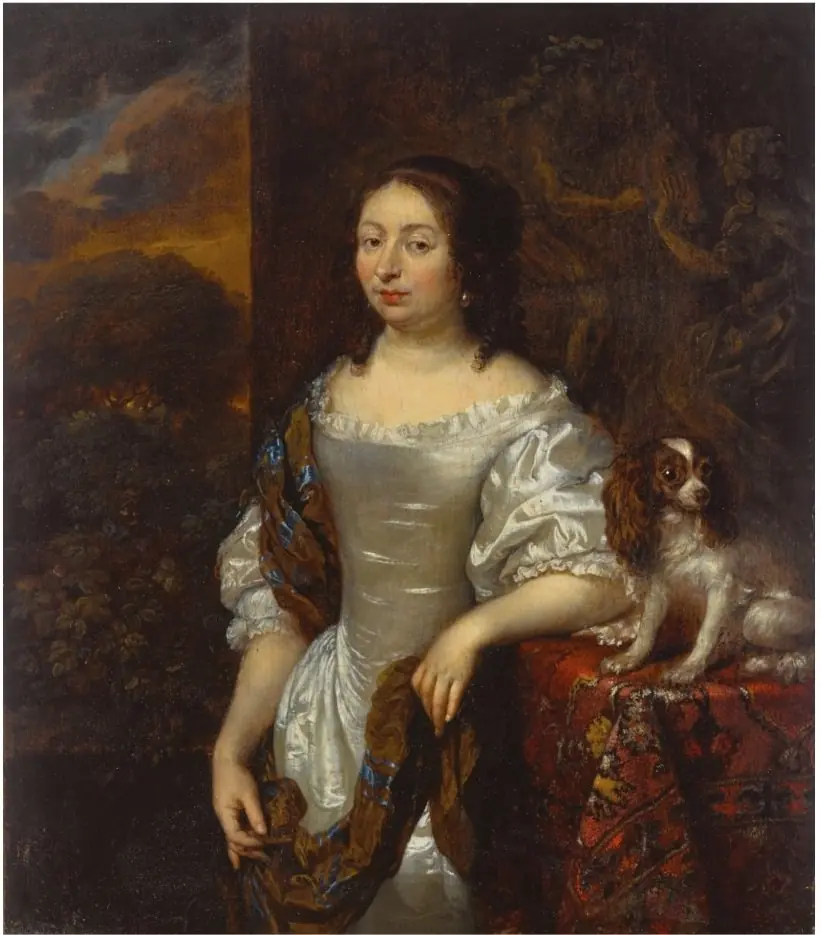 Portrait of a Lady with a Dog on a Table
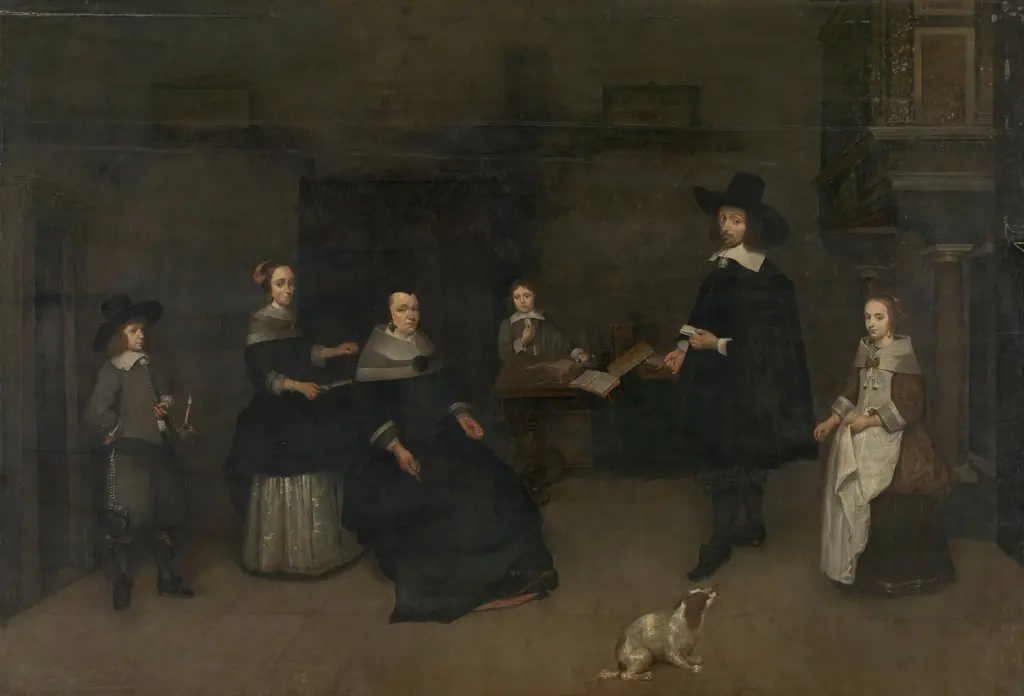 Family scene
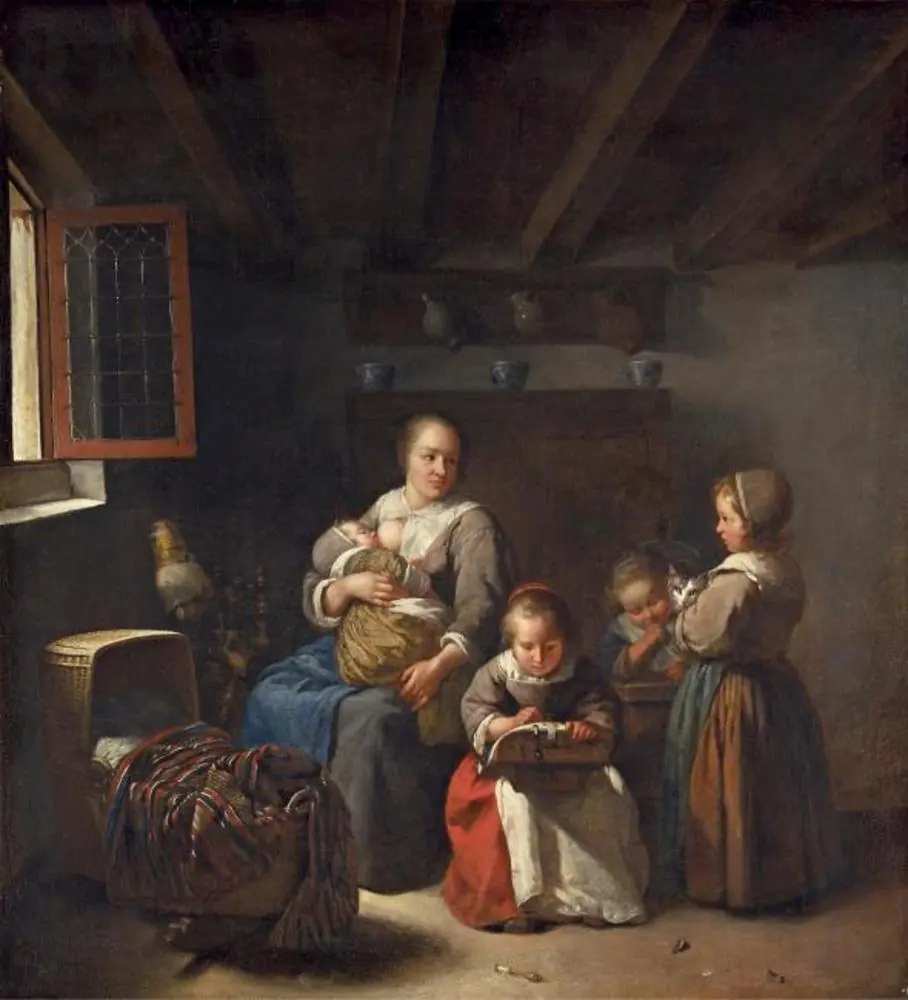 Nursing mother with three girls
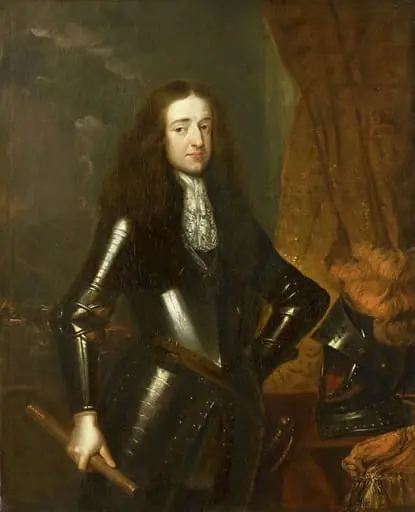 Portrait of Willem III (1650-1702), Prince of Orange and since 1689, King of England
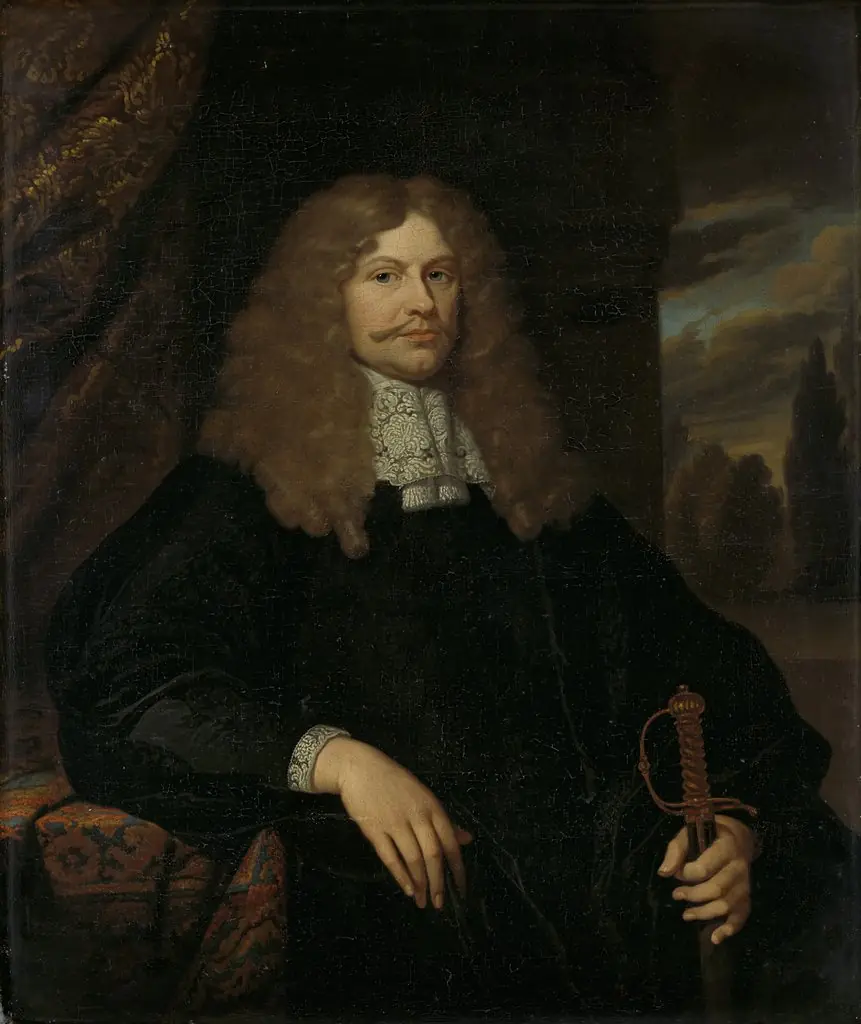 Portrait of Cornelis Backer (1633-81), councillor, alderman, and colonel of the Amsterdam militia
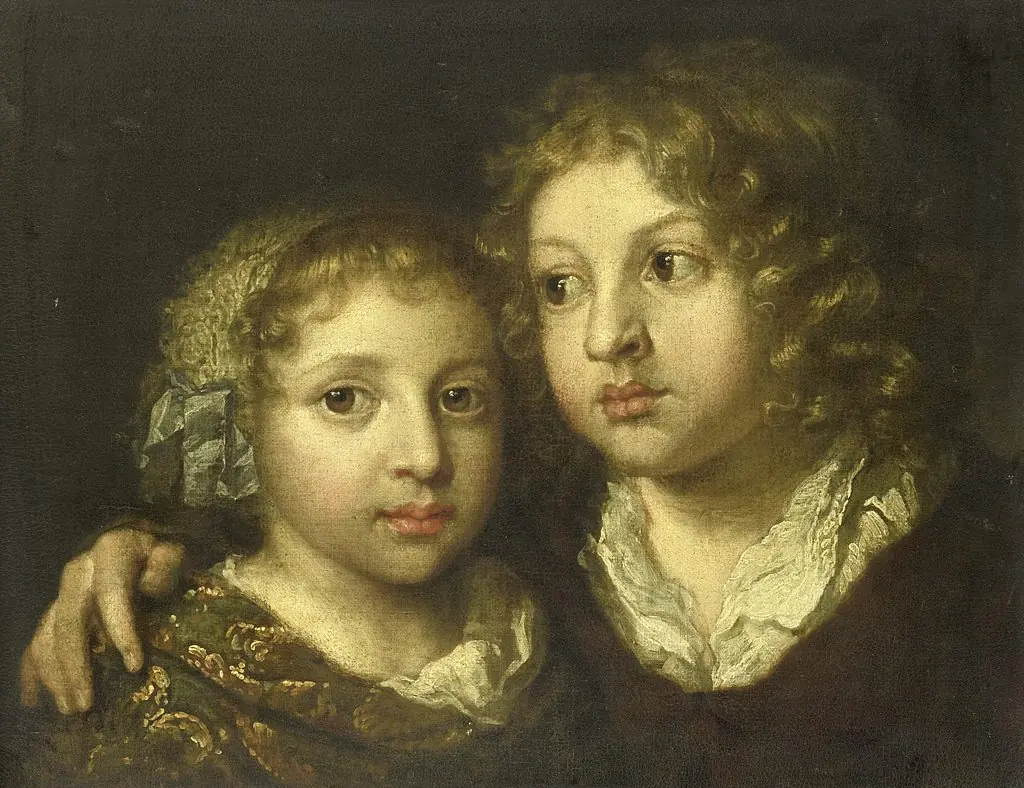 A daughter and a son (Constantijn?) of the artist