Artwork
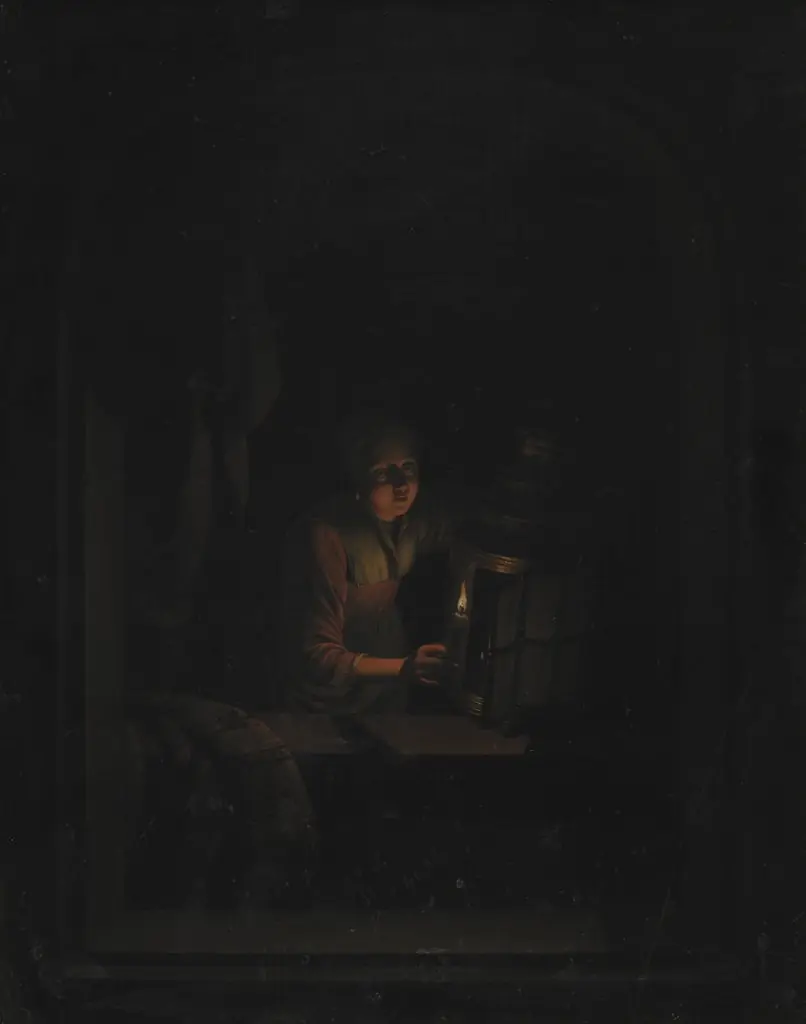
Young woman winding up a watch by candlelight
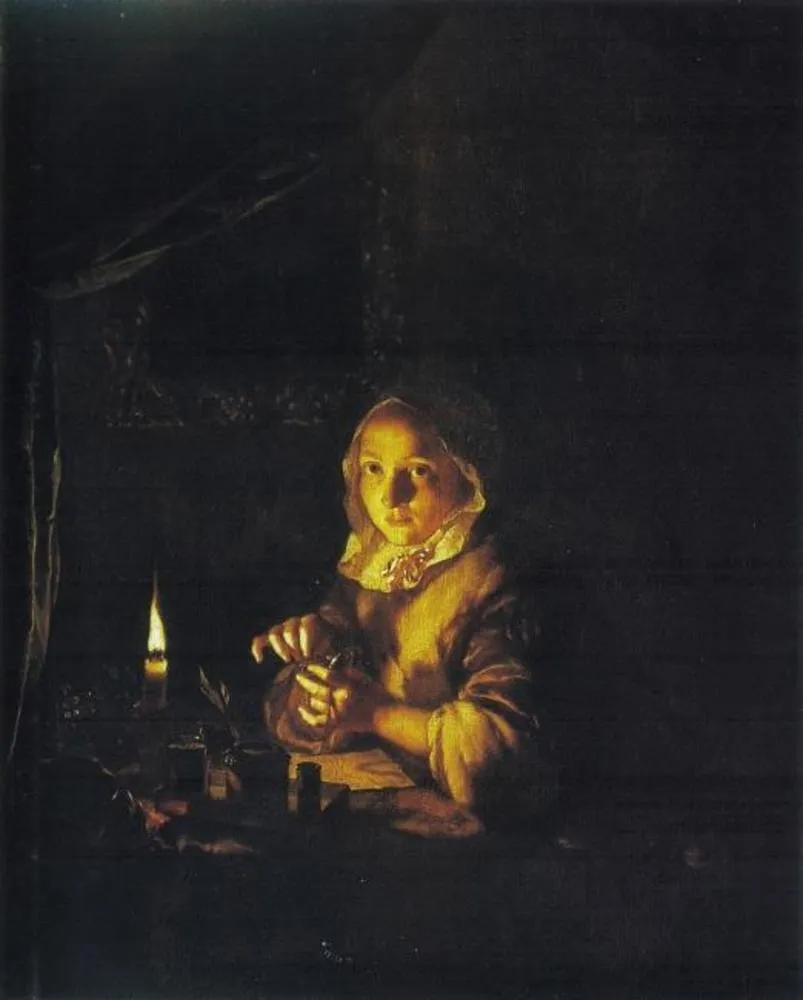
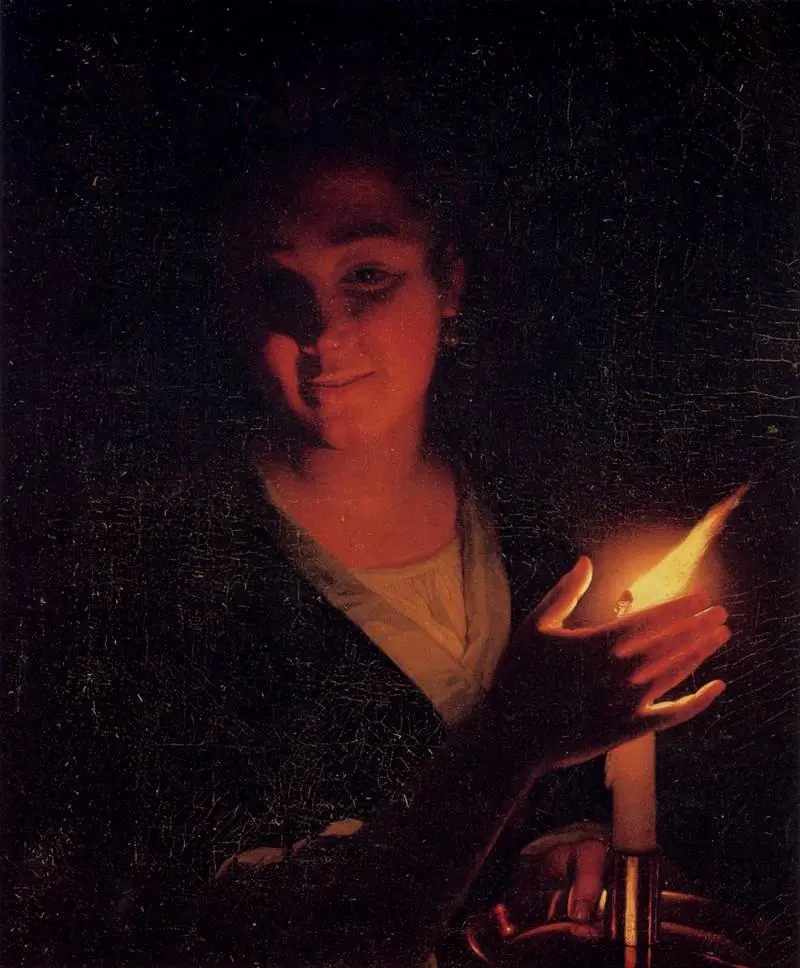
Young woman winding up a watch by candlelight is an oil painting by the Dutch Golden Age artist Caspar Netscher. It dates from 1665 and is held in the collection of the Uffizi Gallery.
About this work
Overview
Painted in 1665 by Caspar Netscher, this oil-on-canvas work captures a quiet domestic moment: a young woman winding a timepiece by candlelight.
Painted in 1665 by Caspar Netscher, this oil-on-canvas work captures a quiet domestic moment: a young woman winding a timepiece by candlelight. The scene is rendered with subtle precision, emphasizing stillness and concentration. It belongs to the Uffizi Gallery’s collection in Florence, where it is displayed as an example of Dutch Golden Age genre painting, notable for its intimate scale and refined handling of light.
Subject & Meaning
The figure, engaged in the meticulous act of winding a watch, suggests a moment of private routine rather than narrative drama. The watch, a symbol of time’s passage, and the candle, a fragile source of illumination, together imply transience and attentiveness. Her focused demeanor invites contemplation of personal discipline and the quiet rhythms of daily life, common themes in 17th-century Dutch interiors.
Technique & Style
Netscher employs chiaroscuro to model the woman’s form, using the candle’s glow to define her face, hands, and the texture of her clothing. The dark background isolates her, heightening the sense of intimacy. Fine brushwork renders the lace of her cap and the metallic sheen of the watch, demonstrating the artist’s skill in capturing material detail without overt embellishment.
History & Provenance
The painting entered the Medici collection in the late 17th century, likely acquired through diplomatic or artistic networks connecting the Netherlands and Italy. It has remained in the Uffizi since at least the 18th century, documented in early inventory records. Its preservation reflects its enduring appeal to collectors drawn to Northern European genre scenes.
Context
Created during the Dutch Golden Age, the painting reflects a broader cultural interest in domestic virtue and the moral weight of everyday actions. While many contemporaries depicted bustling markets or tavern scenes, Netscher favored solitary, contemplative moments—often of women engaged in quiet labor—aligning with emerging ideals of refined, private life among the urban middle class.
Legacy
Though not widely exhibited outside Italy, the work has influenced later artists interested in psychological depth within genre scenes. Its restrained palette and emphasis on light as emotional anchor prefigure 18th-century French and British interior painting. It remains a quiet benchmark for the expressive potential of ordinary moments in early modern art.
Artist & collection

Artist
Caspar Netscher was a Dutch painter. He was a master in depicting oriental rugs, silk and brocade and introduced an international style to the Northern Netherlands.

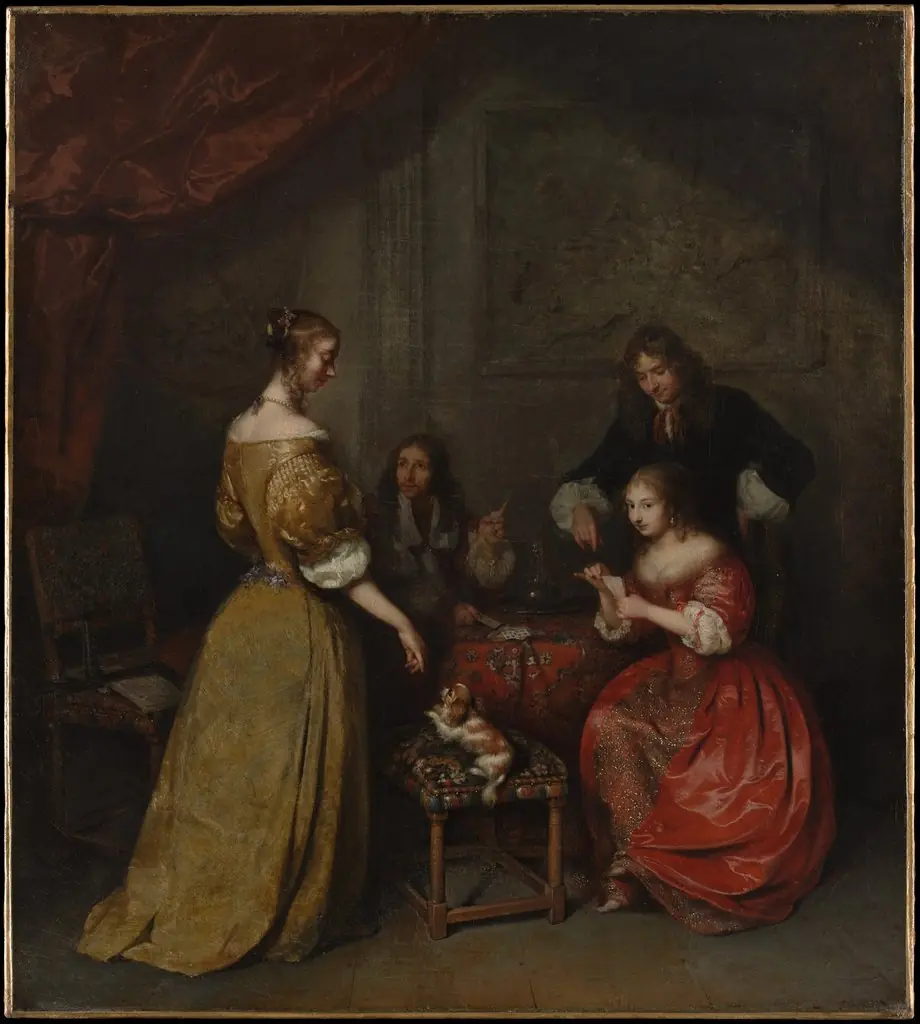 The Card Party
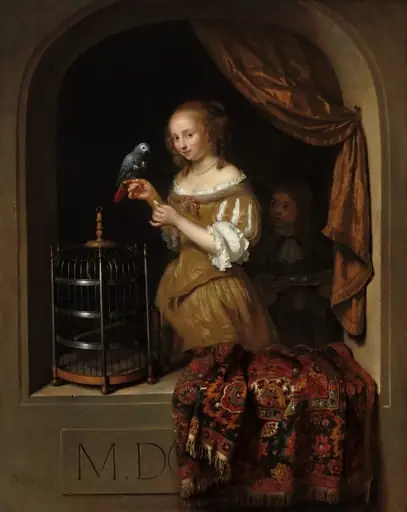 A Woman Feeding a Parrot, with a Page
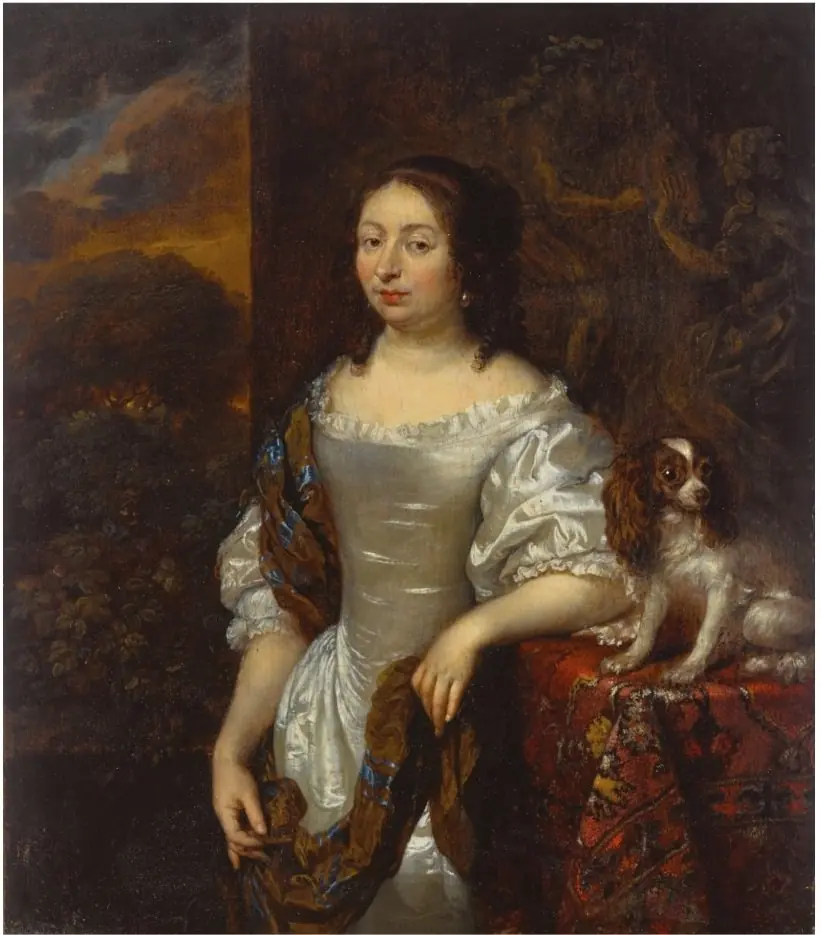 Portrait of a Lady with a Dog on a Table
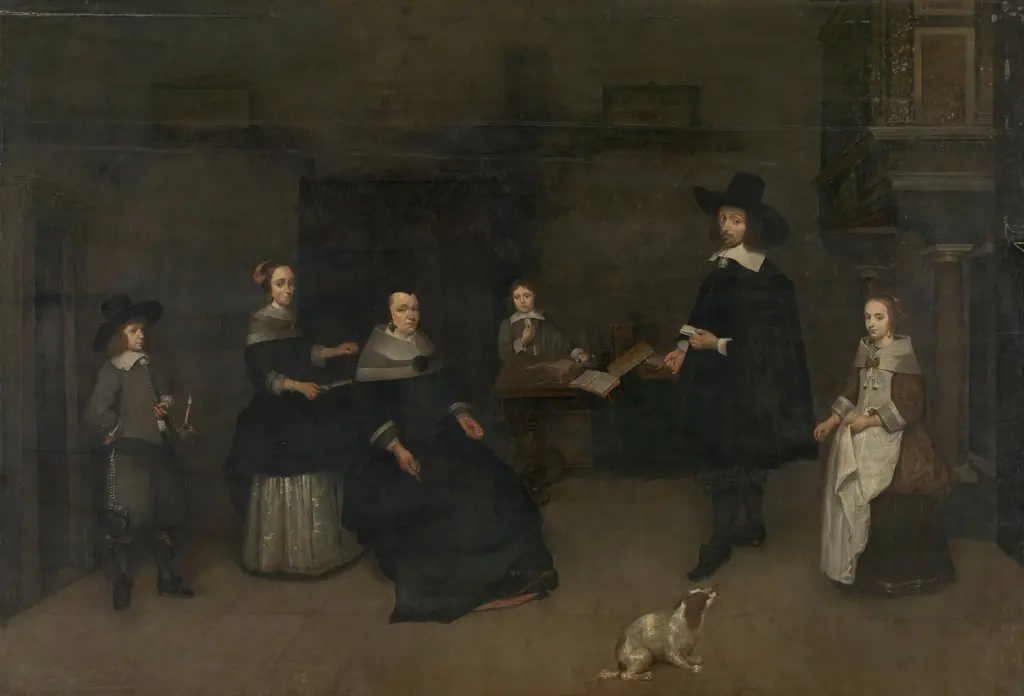 Family scene
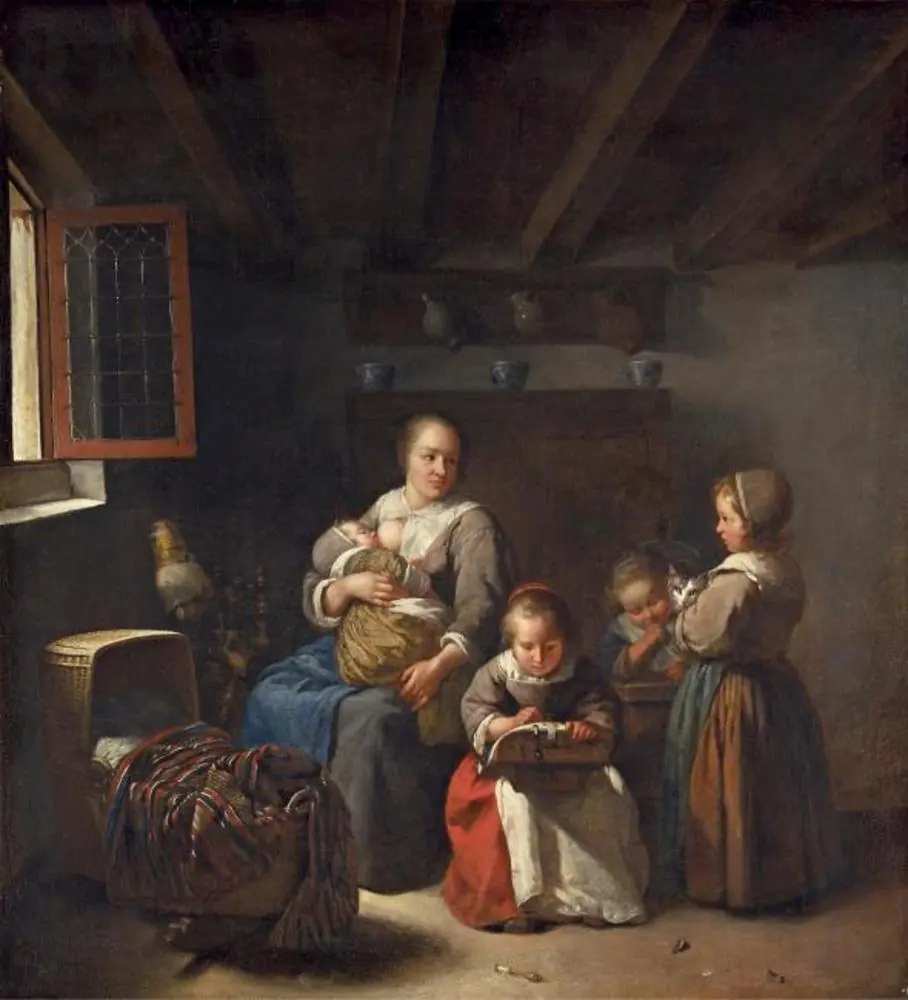 Nursing mother with three girls
 Portrait of Willem III (1650-1702), Prince of Orange and since 1689, King of England
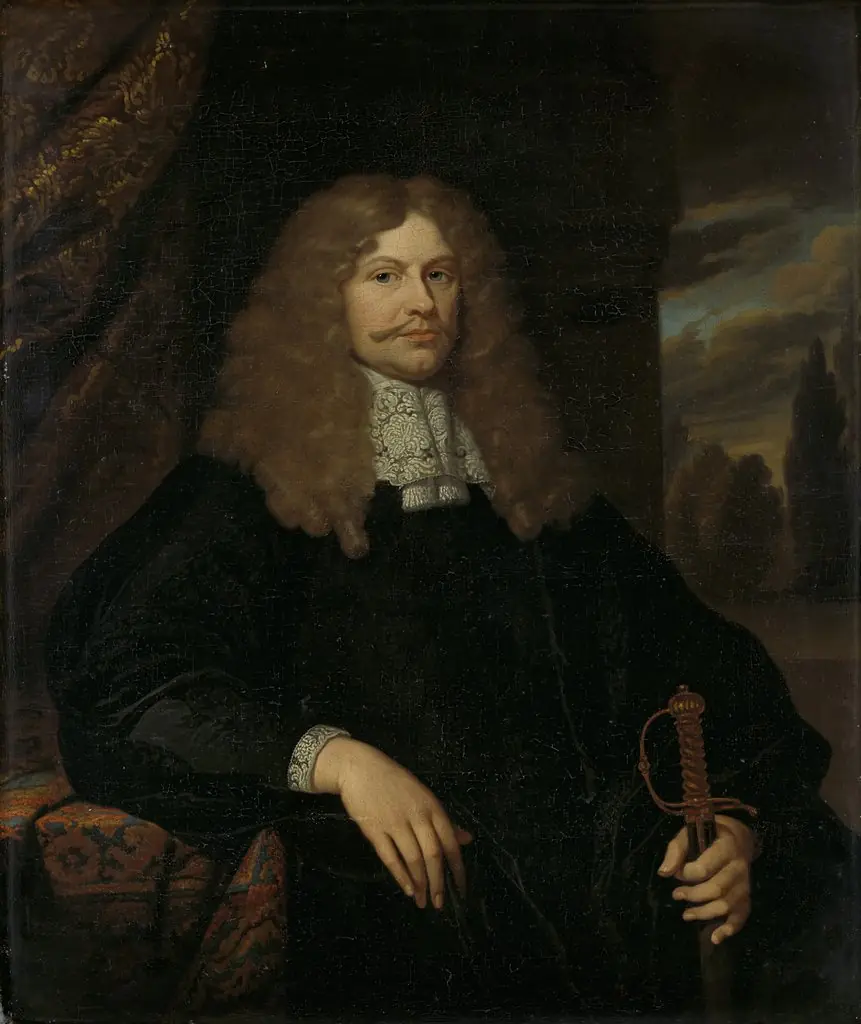 Portrait of Cornelis Backer (1633-81), councillor, alderman, and colonel of the Amsterdam militia
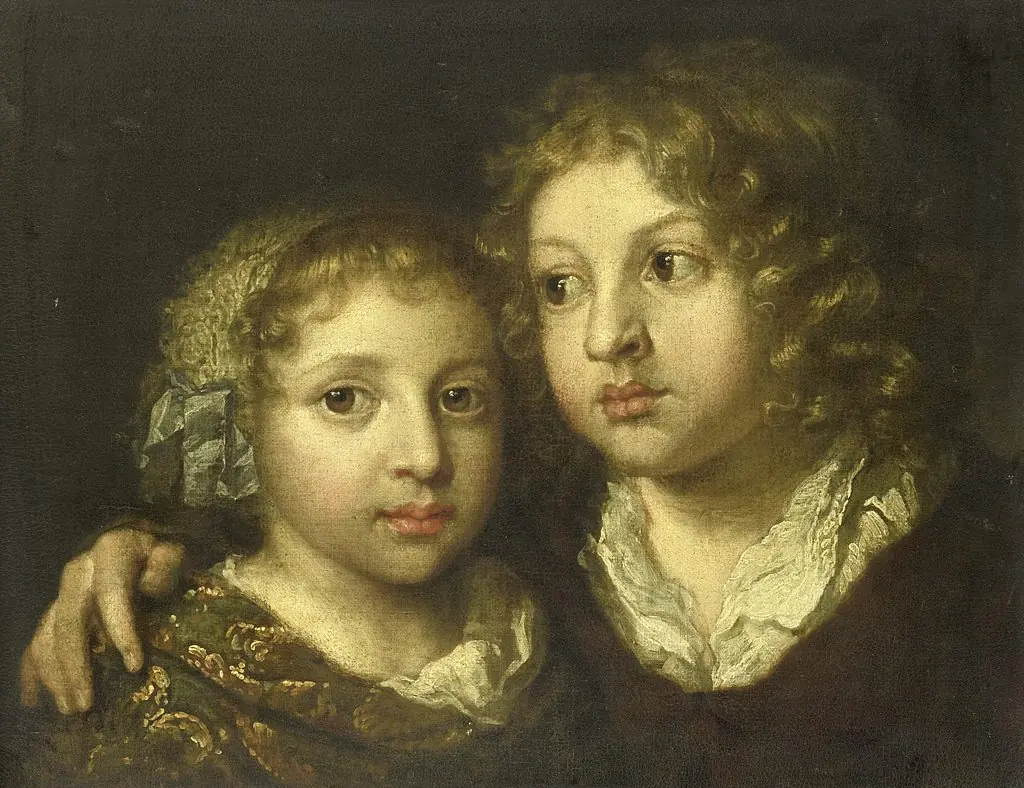 A daughter and a son (Constantijn?) of the artist