Artwork
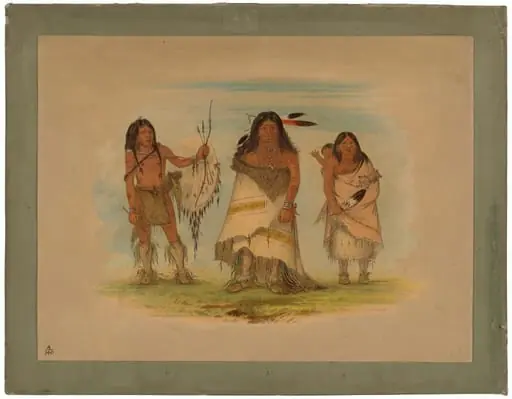
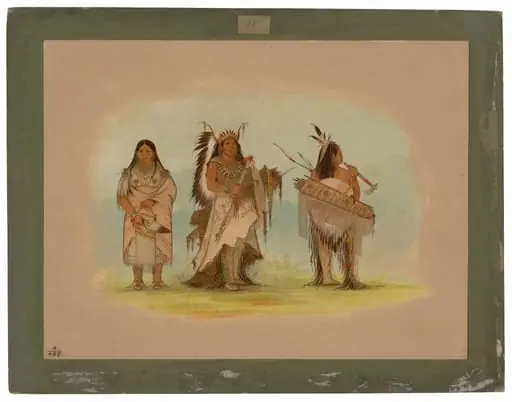
Pawneepict Chief, Two Daughters, and a Warrior
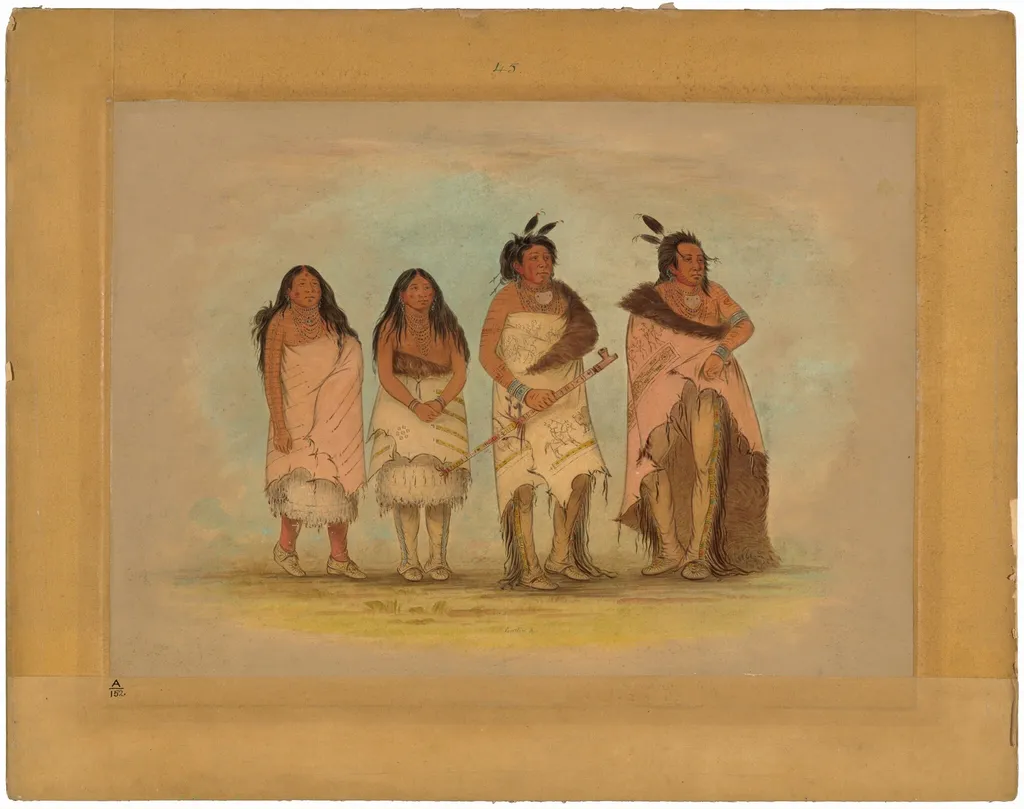
Pawneepict Chief, Two Daughters, and a Warrior is an oil painting by the American Folk Art artist George Catlin. It dates from 1865 and is held in the collection of the National Gallery of Art.
About this work
Overview
Created in 1865, this oil painting on card, later affixed to paperboard, portrays a Pawnee chief accompanied by his two daughters and a warrior. Executed by George Catlin, the work belongs to the American folk‑art vein that emerged alongside the nation’s expanding frontier narratives.
Subject & Meaning
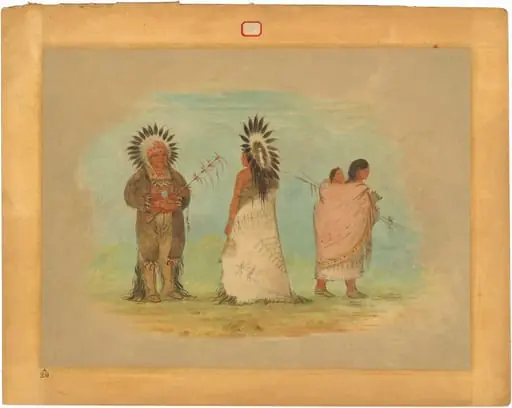
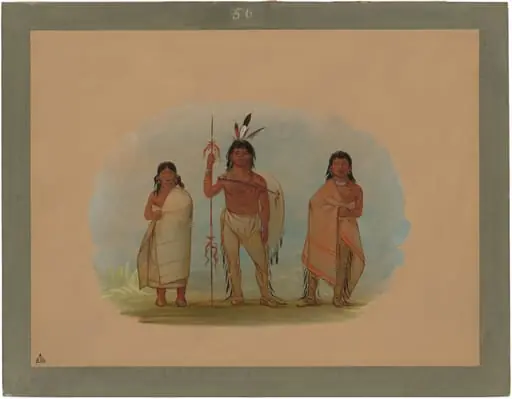
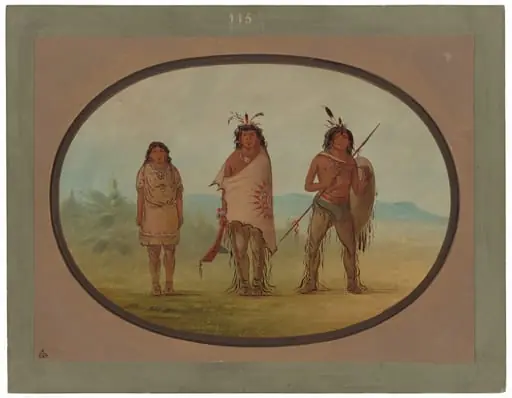
The composition aligns four figures in a linear arrangement: the two women stand to the left in white gowns trimmed with fringe and beads, while the two men occupy the right, clothed in white blankets edged with fur and adorned with feathered hair. Their poised stances and calm expressions suggest a dignified presentation of familial and martial roles within Pawnee society.
Technique & Style
Catlin employed earthy pigments and fine brushwork to render textures—from fabric to fur—with a degree of realism that echoes mid‑nineteenth‑century concerns for accurate representation. Though rooted in folk traditions, the handling of light and color hints at contemporary realist tendencies, offering a clear, observational view of the subjects against a pale blue sky.
History & Provenance
Before turning to painting, Catlin practiced law, then devoted his career to recording Indigenous life, undertaking five expeditions into the western territories during the 1830s. This particular work reflects the later phase of his documentation, produced after his extensive field travels and serving as a visual record of Pawnee individuals encountered earlier in his journeys.
Artist & collection

Artist
George Catlin ( KAT-lin; July 26, 1796 – December 23, 1872) was an American lawyer, painter, author, and traveler, who specialized in portraits of Native Americans in the American frontier.

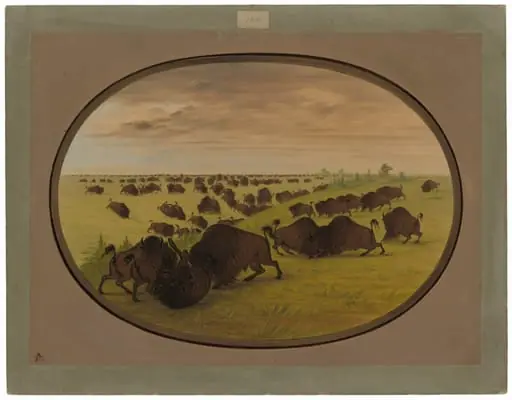 Bulls Fighting
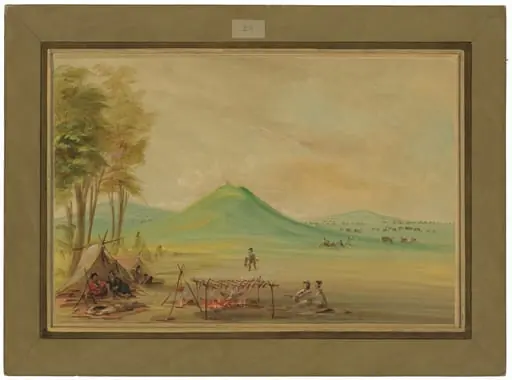 Expedition Encamped on a Texas Prairie. April 1686
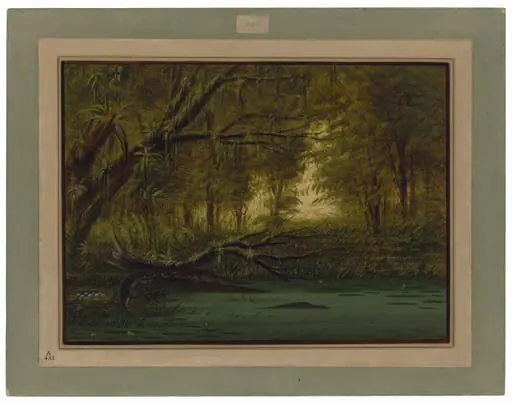 An Alligator's Nest
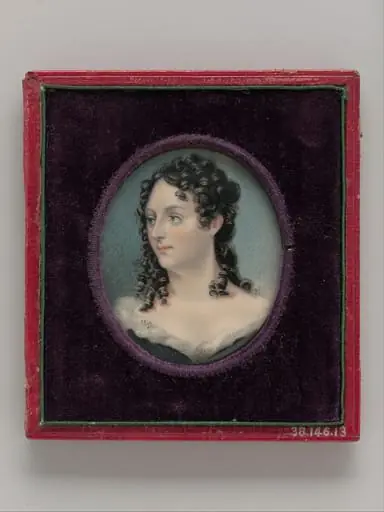 Mrs. George Catlin (Clara Bartlet Gregory)
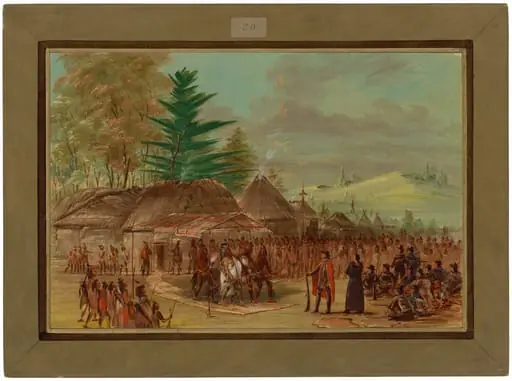 Chief of the Taensa Indians Receiving La Salle. March 20, 1682
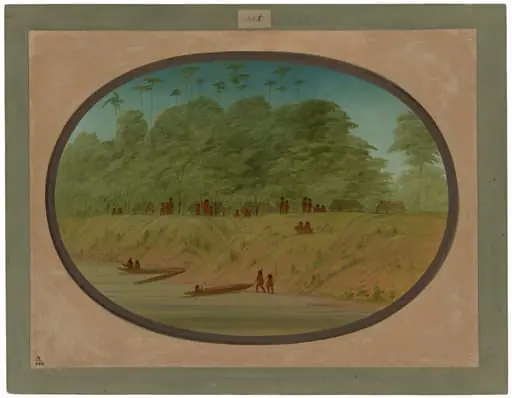 A Small Village - Payaguas Indians
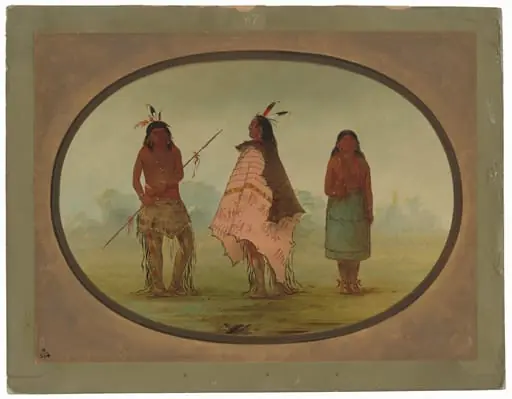
 Omaha Chief, His Wife, and a Warrior
 Father Hennepin Leaving the Mississippi to Join La Salle. May 8, 1680