Artwork
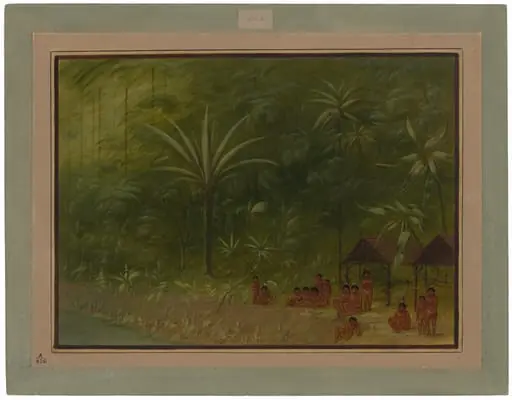
Tapuya Encampment
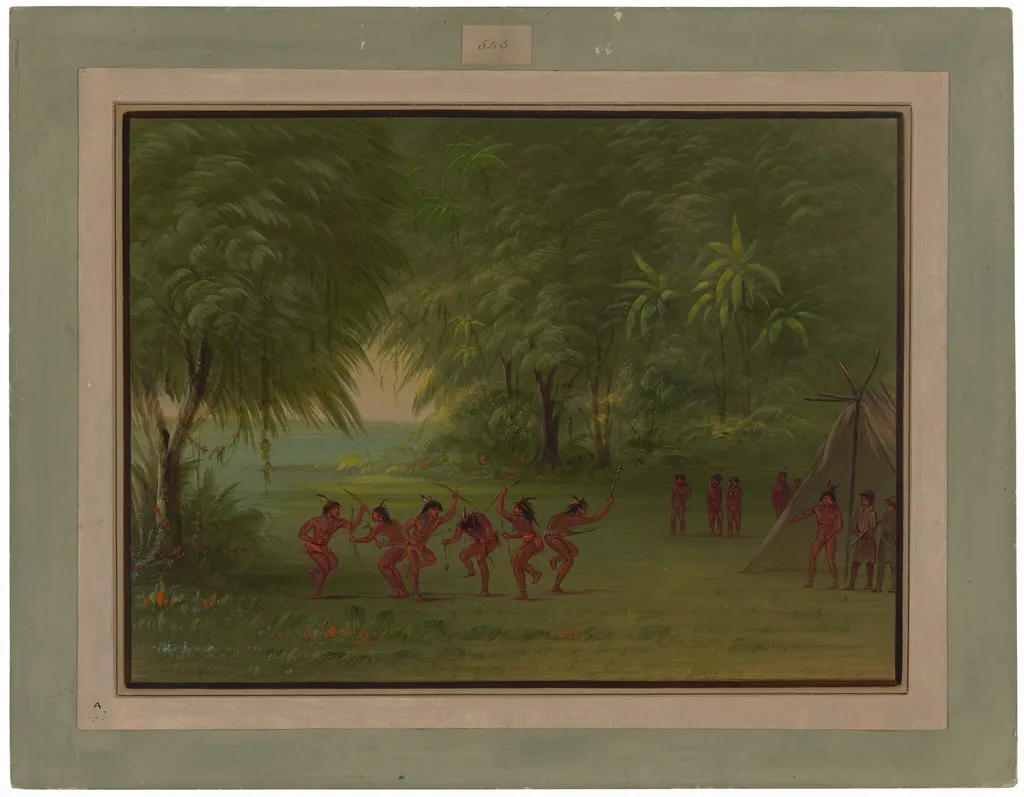
Tapuya Encampment is an oil painting by the Impressionist artist George Catlin. It dates from 1862 and is held in the collection of the National Gallery of Art.
About this work
This painting shows a Tapuya family’s camp in Brazil. Two huts stand under tall trees. A woman tends a fire. A man rests nearby. Colorful cloth hangs from a branch.
Catlin painted this in 1854 using oil on card. He never visited Brazil but drew from stories and other artists’ sketches. His work mixes fact and imagination.
See this at the National Gallery of Art, Washington.
Overview
Tapuya Encampment is an oil painting on card, later mounted on paperboard, created by George Catlin in 1854. The work portrays a small indigenous settlement in Brazil, featuring two thatched huts beneath towering trees, a woman tending a fire, a resting man, and vivid cloth draped from a branch. The piece is part of the National Gallery of Art’s collection in Washington, D.C.
Subject & Meaning
The scene captures a moment in the daily life of a Tapuya family, emphasizing the intimate relationship between the people and their forest environment. By focusing on ordinary activities—cooking, resting, and the display of colorful textiles—Catlin suggests a harmonious, self‑sufficient community, while also offering a visual record of a culture then little known to American audiences.
Technique & Style
Executed in oil on a sturdy card support, the painting displays Catlin’s characteristic blend of detailed observation and romanticized composition. The brushwork renders foliage and architecture with a clear, almost documentary precision, while the use of bright, saturated hues for the cloth and fire adds a narrative vibrancy that balances factual depiction with imaginative embellishment.
History & Provenance
Although Catlin never traveled to Brazil, he produced the work based on second‑hand accounts and sketches by other artists. The painting entered the National Gallery of Art’s holdings in the early twentieth century, where it has remained on view, illustrating the artist’s broader interest in documenting indigenous peoples beyond the North American frontier.
Context
Catlin, originally trained as a lawyer, became known for his extensive visual studies of Native American societies in the 1830s, undertaking multiple expeditions across the United States. Tapuya Encampment extends this ethnographic ambition to South America, reflecting mid‑nineteenth‑century American curiosity about distant cultures and the era’s tendency to merge reportage with artistic imagination.
Artist & collection

Artist
George Catlin ( KAT-lin; July 26, 1796 – December 23, 1872) was an American lawyer, painter, author, and traveler, who specialized in portraits of Native Americans in the American frontier.

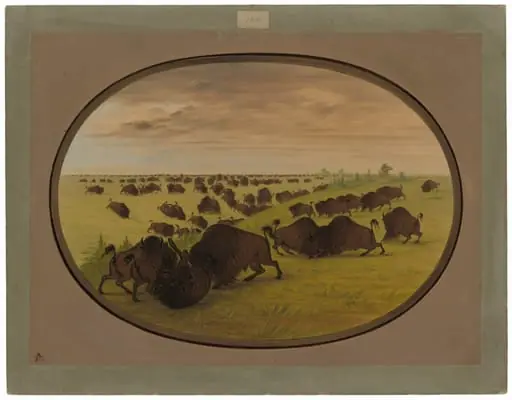 Bulls Fighting
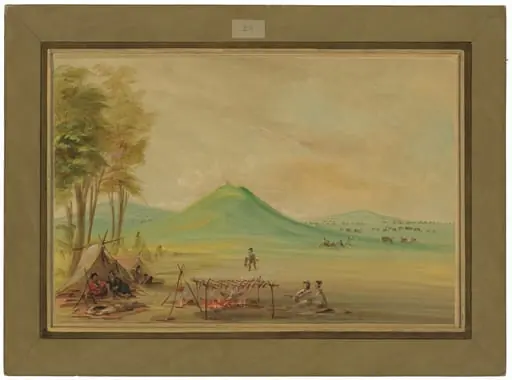 Expedition Encamped on a Texas Prairie. April 1686
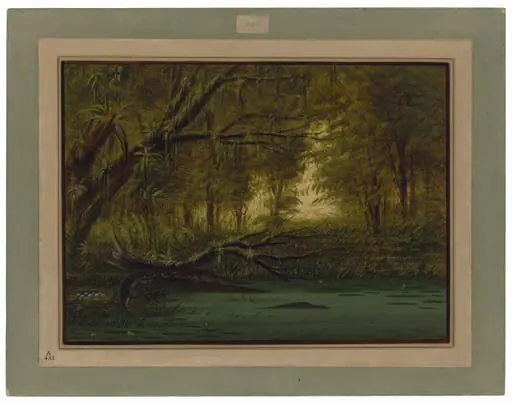 An Alligator's Nest
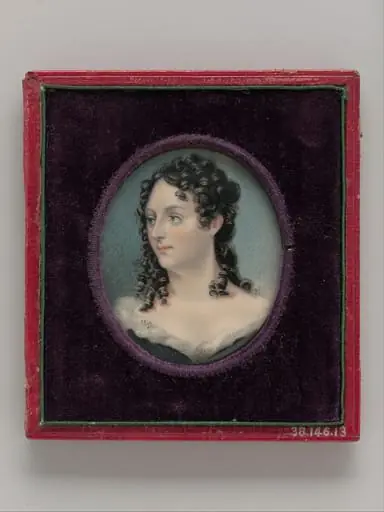 Mrs. George Catlin (Clara Bartlet Gregory)
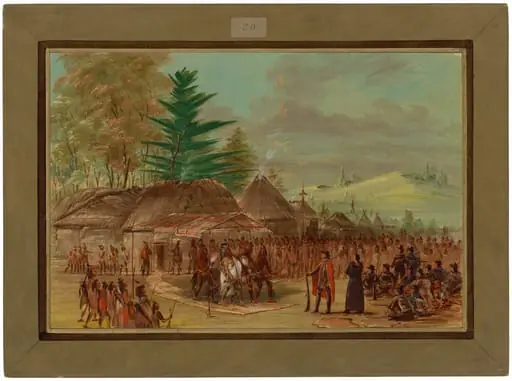 Chief of the Taensa Indians Receiving La Salle. March 20, 1682
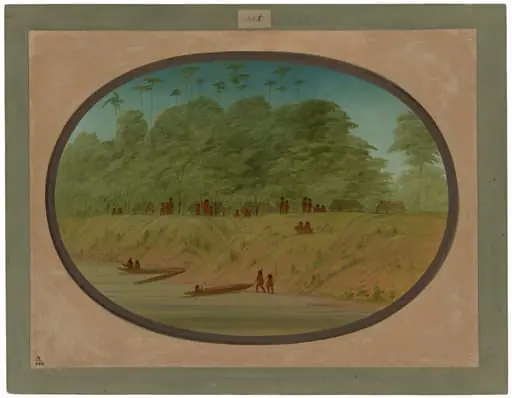 A Small Village - Payaguas Indians
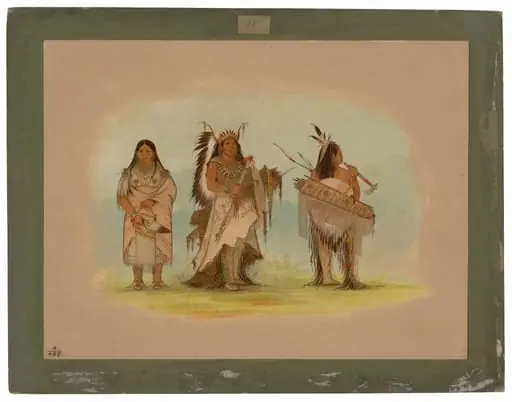 Omaha Chief, His Wife, and a Warrior
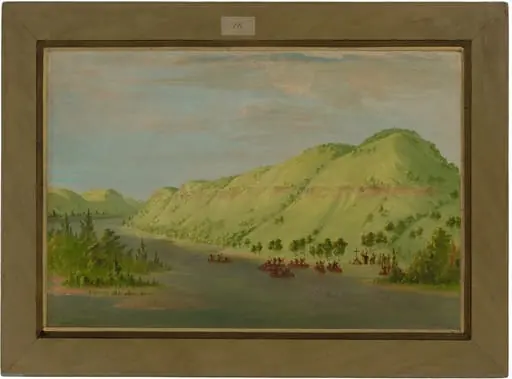 Father Hennepin Leaving the Mississippi to Join La Salle. May 8, 1680