Artwork
The Great Ant-Eater
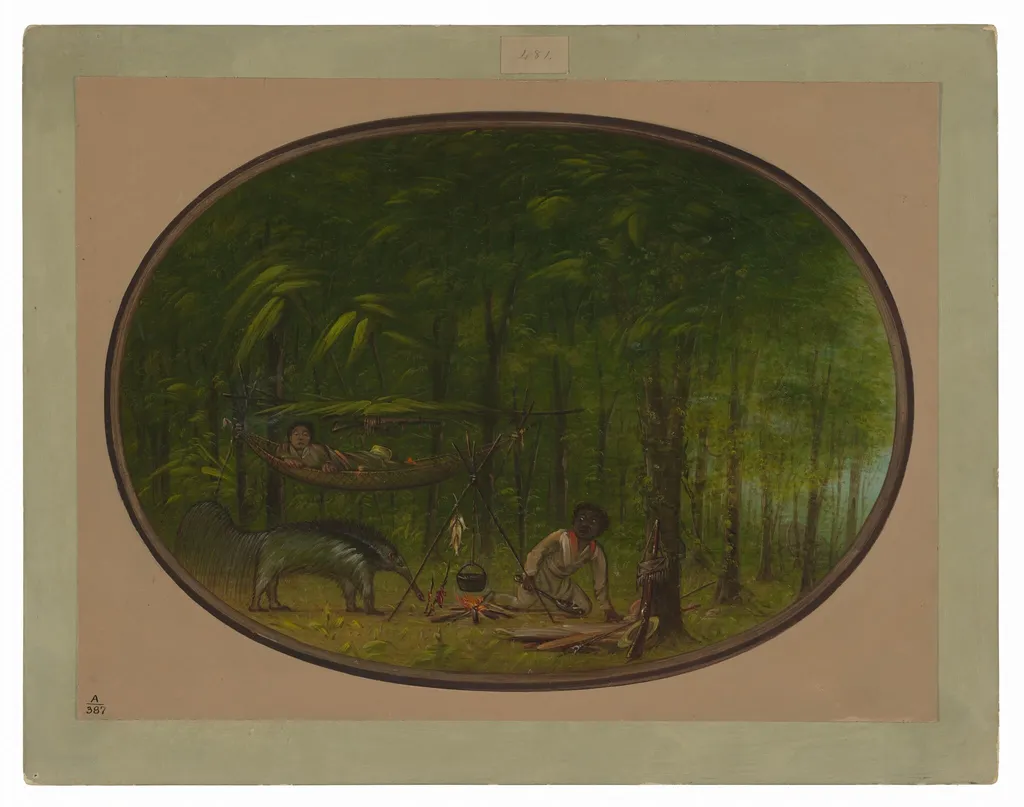
The Great Ant-Eater is an oil painting by the Impressionist artist George Catlin. It dates from 1862 and is held in the collection of the National Gallery of Art.
About this work
You see an ant-eater curled in a tree. Its striped tail wraps around a branch. Soft fur glows in the dappled light.
George Catlin painted this in 1854. He spent years watching animals and Native Plains tribes. Most artists stuck to fancy European scenes. Catlin chose the American West instead.
This small oil card shows his exact brushwork. Look for the rough paper edges under the paint.
Search for another Catlin, George
Overview
The Great Ant‑Eater is a modestly sized oil painting on card, later mounted on paperboard, executed by the American artist George Catlin in 1862. The composition centers on a solitary anteater perched in a tree, its striped tail coiled around a branch, illuminated by dappled light that highlights the animal’s soft fur.
Subject & Meaning
Catlin presents the anteater as a quiet observer of its environment, emphasizing the creature’s integration with the tree rather than any dramatic action. The work reflects his broader interest in documenting the natural world of the American frontier, offering a glimpse of wildlife that was rarely portrayed in contemporary art.
Technique & Style
The painting employs a direct, unmediated brushstroke that reveals the texture of the underlying card support. Rough paper edges remain visible beneath the oil, underscoring the work’s immediacy. Catlin’s handling of light and shadow creates a subtle contrast between the animal’s fur and the surrounding foliage.
History & Provenance
Catlin, best known for his extensive series of Native American portraits, produced this piece during a later phase of his career when he turned his attention to fauna. The work was created on card, a portable medium that allowed him to work in the field, and was later affixed to a sturdier paperboard for preservation.
Context
In the mid‑19th century most American artists favored European subjects or idealized landscapes. Catlin’s focus on the western frontier—both its peoples and its wildlife—set him apart from his peers. The ant‑eater, a creature unfamiliar to many eastern viewers, illustrates his commitment to recording the diversity of the continent’s natural environment.
Artist & collection

Artist
George Catlin ( KAT-lin; July 26, 1796 – December 23, 1872) was an American lawyer, painter, author, and traveler, who specialized in portraits of Native Americans in the American frontier.

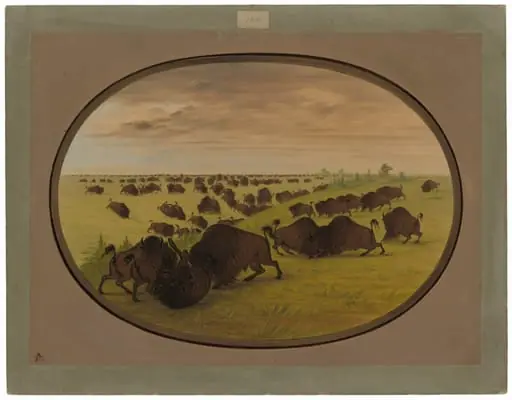 Bulls Fighting
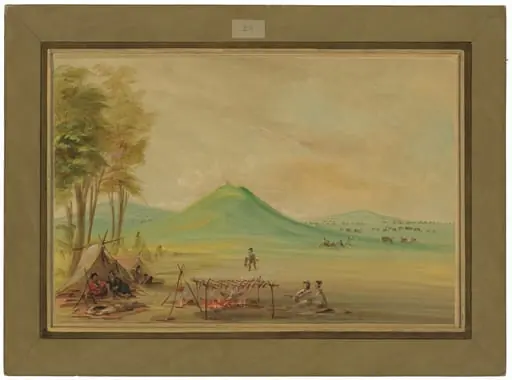 Expedition Encamped on a Texas Prairie. April 1686
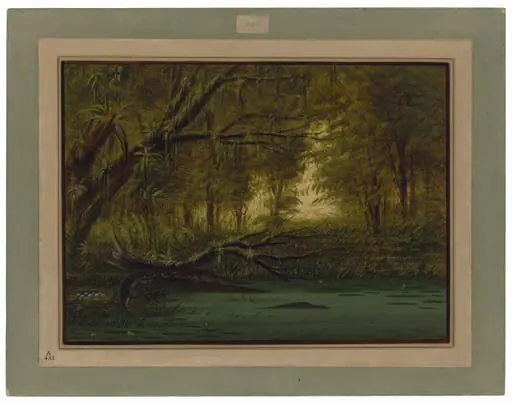 An Alligator's Nest
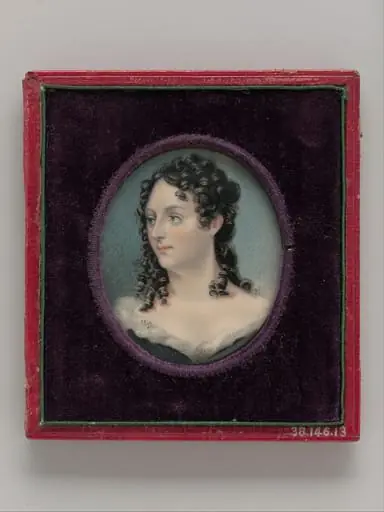 Mrs. George Catlin (Clara Bartlet Gregory)
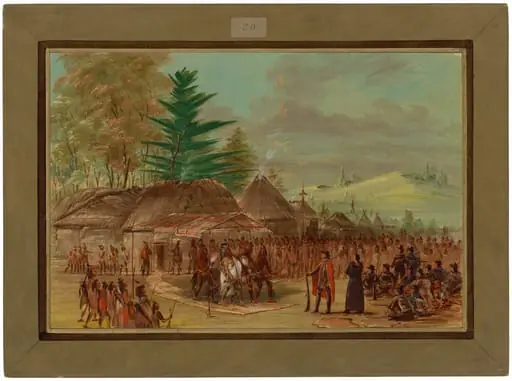 Chief of the Taensa Indians Receiving La Salle. March 20, 1682
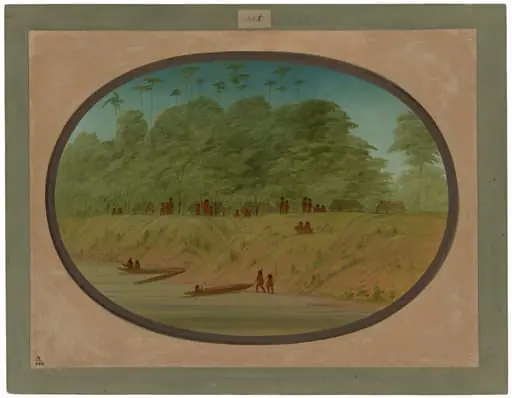 A Small Village - Payaguas Indians
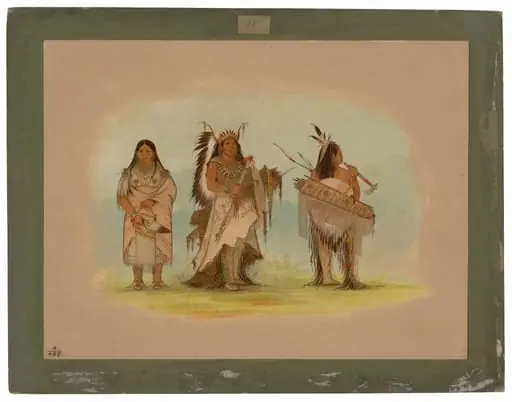 Omaha Chief, His Wife, and a Warrior
 Father Hennepin Leaving the Mississippi to Join La Salle. May 8, 1680