Artwork
The Diet of Spires, 19th April 1529
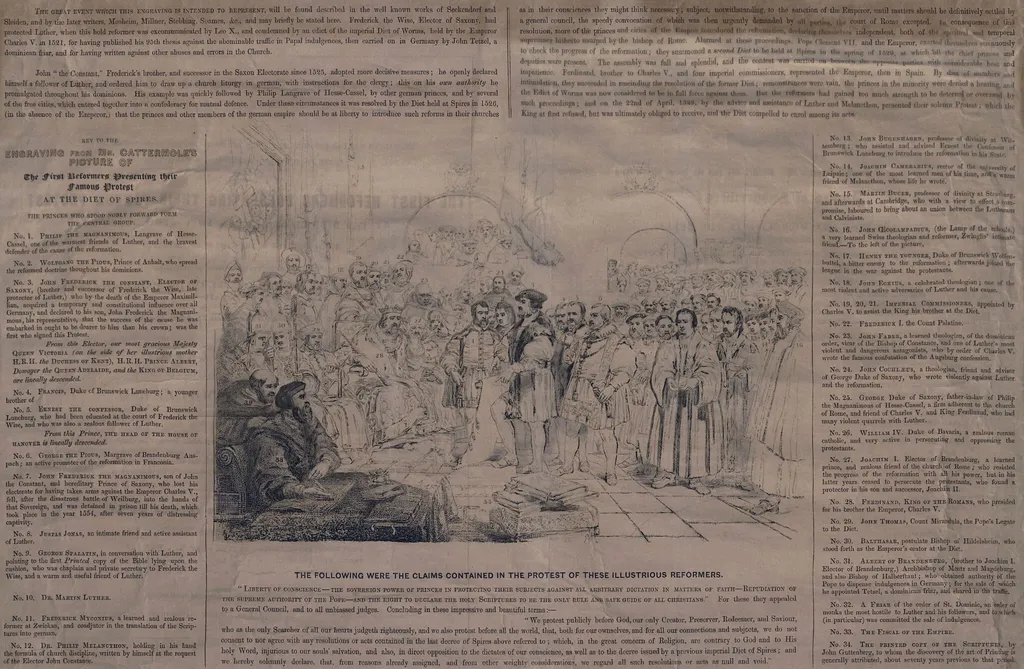
The Diet of Spires, 19th April 1529 is a watercolor work on paper by George Cattermole. It dates from 1850 and is held in the collection of the Victoria and Albert Museum.
About this work
This painting is called "The Diet of Spires, 19th April 1529" and is held at the Victoria and Albert Museum.
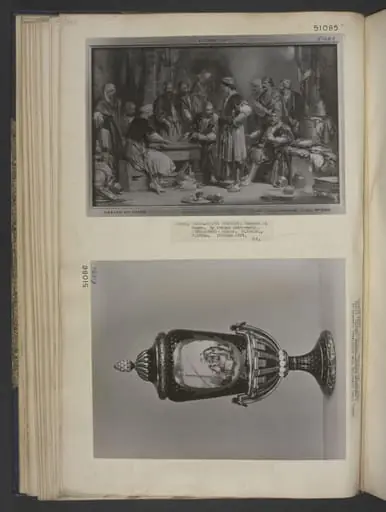
This painting shows a crowded room with many men standing and sitting. They are all wearing old-fashioned clothes. In the middle, a man is standing on a table, talking to the others. The room has a high ceiling and big windows.
The men in the painting look like they are having a serious discussion. Some of them are looking at the man on the table, while others are talking to each other. The room is decorated with fancy furniture and big curtains.
This painting is called "The Diet of Spires, 19th April 1529" and is held at the Victoria and Albert Museum. It was made by the artist George Cattermole around the mid-19th century. If you want to learn more about this style of painting, look up the technique of chiaroscuro.
Overview
George Cattermole’s watercolour, *The Diet of Spires, 19th April 1529*, presents a densely populated interior where numerous men in period dress occupy a lofty room. A central figure stands upon a table, addressing the assembly, while others sit or stand, engaged in conversation. The space is defined by high ceilings, expansive windows, ornate furniture and heavy drapery, creating a formal yet bustling atmosphere.
Subject & Meaning
The composition depicts a formal gathering, likely a council or parliamentary session, suggested by the title’s reference to a “diet.” The focal man on the table appears to be delivering a speech or decree, prompting attentive and interactive responses from the surrounding figures. The arrangement conveys the dynamics of authority, deliberation and collective decision‑making typical of early‑modern political assemblies.
Technique & Style
Executed in watercolour, the work demonstrates Cattermole’s precise draftsmanship and subtle tonal modulation. Fine washes render the textures of fabrics, woodwork and glass, while the contrast between light entering through the large windows and the shadowed interior enhances depth. The artist’s handling of line and colour reflects the mid‑19th‑century British tradition of detailed historical illustration.
History & Provenance
Created in the mid‑19th century, the watercolour is part of the Victoria and Albert Museum’s collection. A notable feature is the key to the scene, printed on the reverse of the sheet, which clarifies the identities and roles of the figures depicted. The work has remained in the museum’s holdings, serving as a reference for scholars of historical costume and institutional portraiture.
Artist & collection
Artist
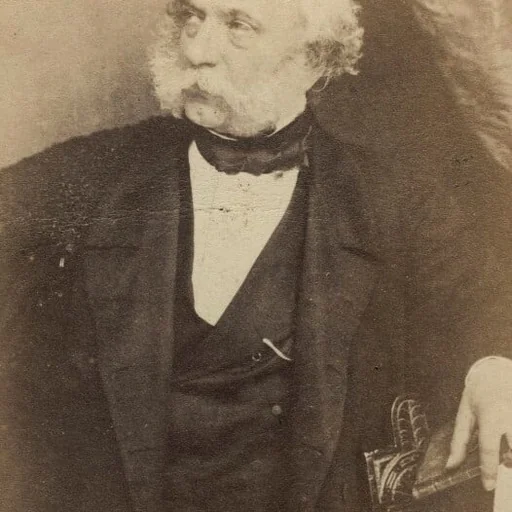
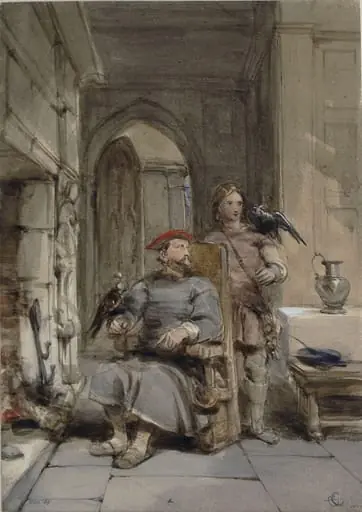
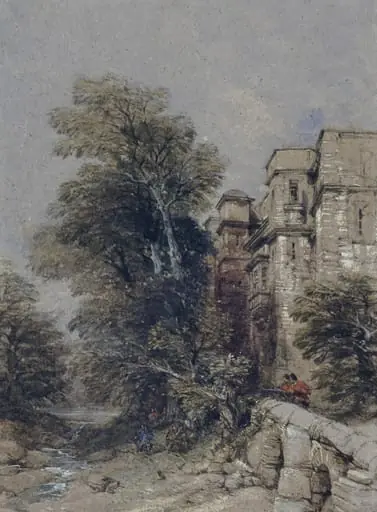
George Cattermole was a British painter and illustrator, chiefly in watercolours.

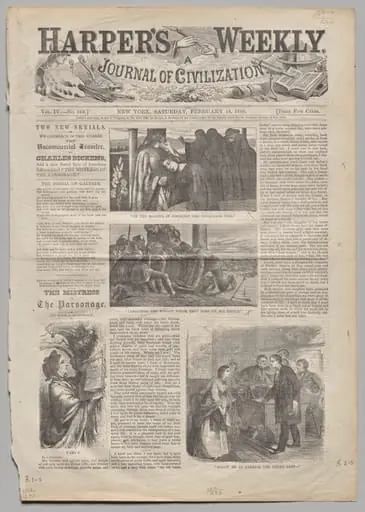 Untitled; "Allow Me to Examine the Young Lady"
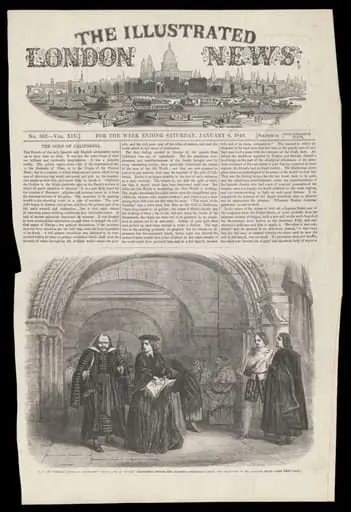 H Beard Print Collection
 George Speaight Punch & Judy Collection
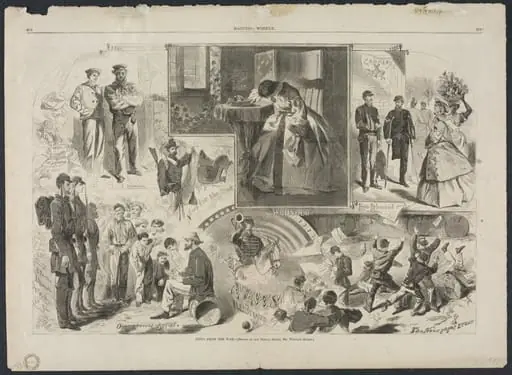 News from the War
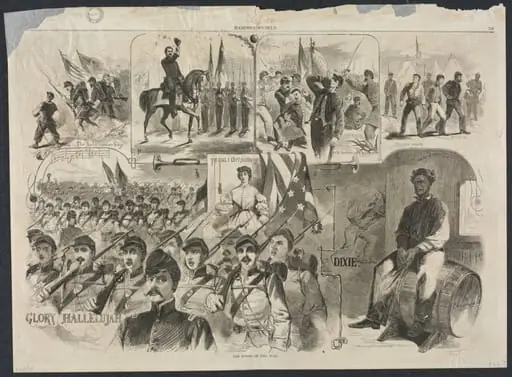 The Songs of the War
 H Beard Print Collection
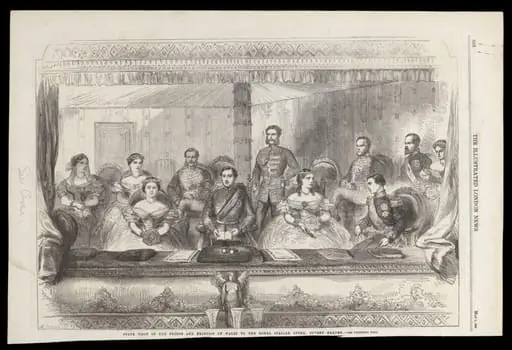 H Beard Print Collection
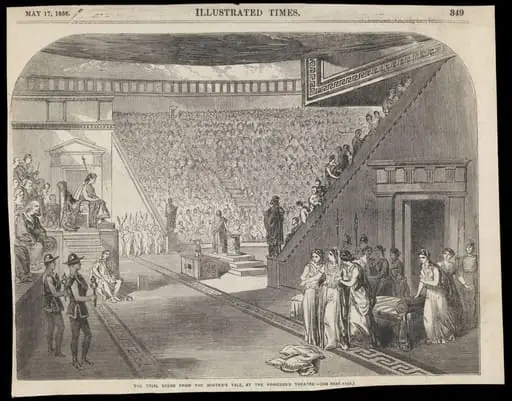 H Beard Print Collection
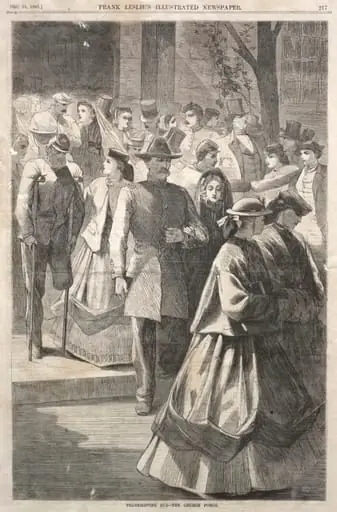 Thanksgiving Day - The Church Porch
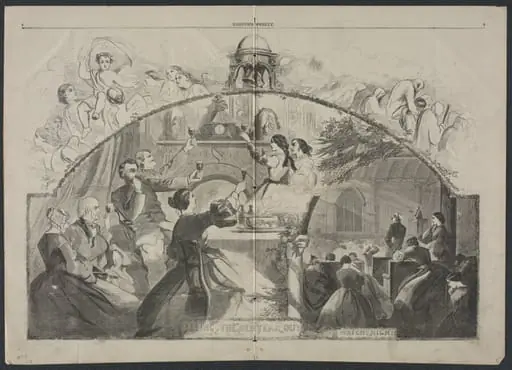 Seeing the Old Year Out
 H Beard Print Collection
 H Beard Print Collection