Artwork
Portretul Dr. Anca Emanoil
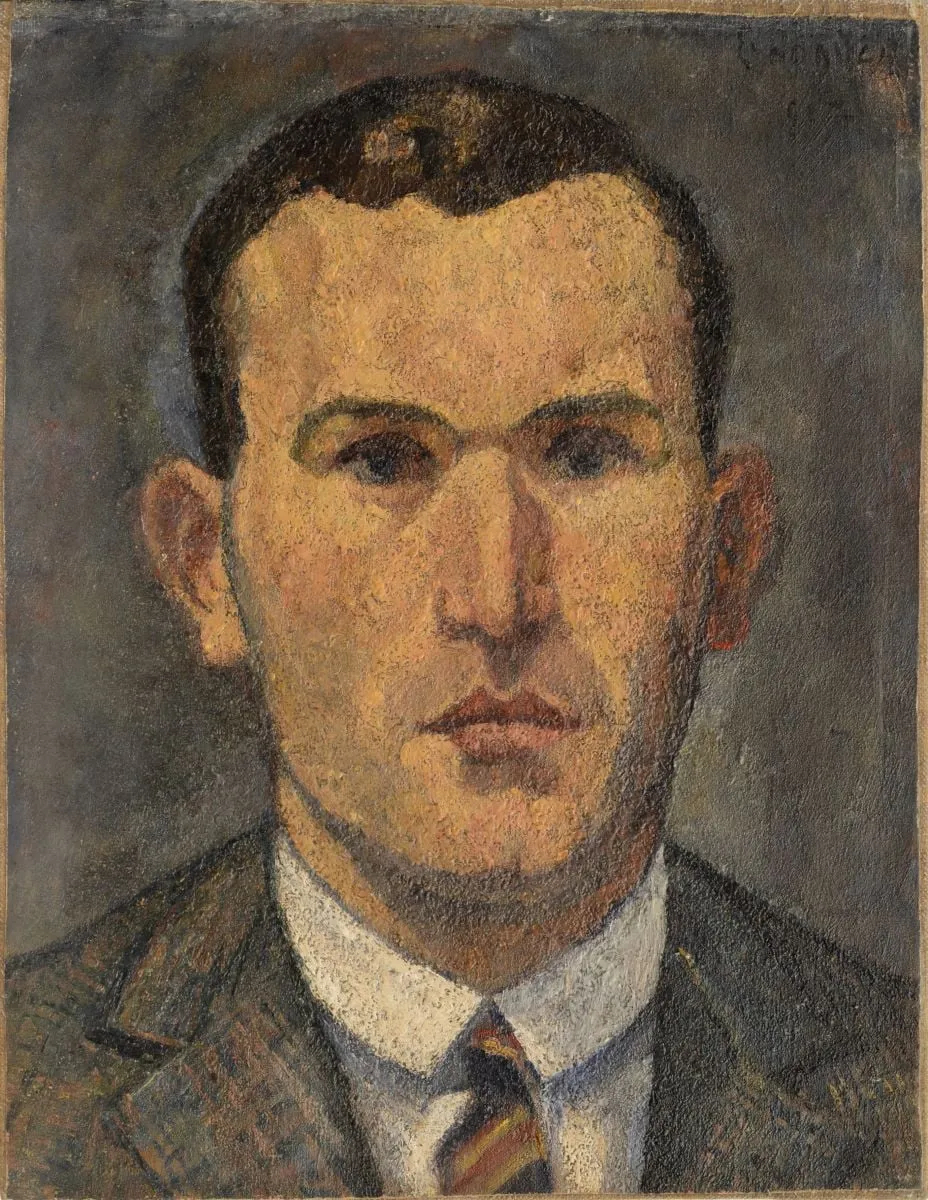
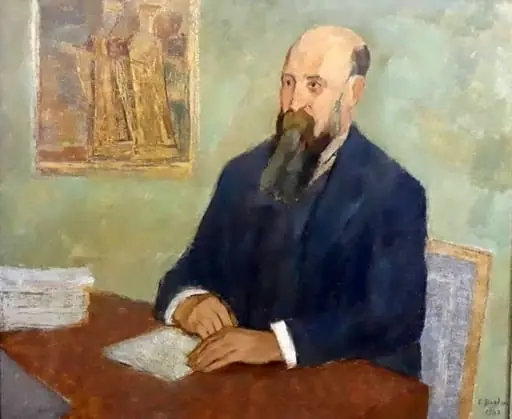
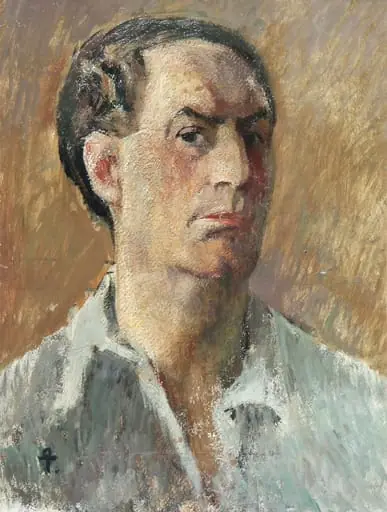
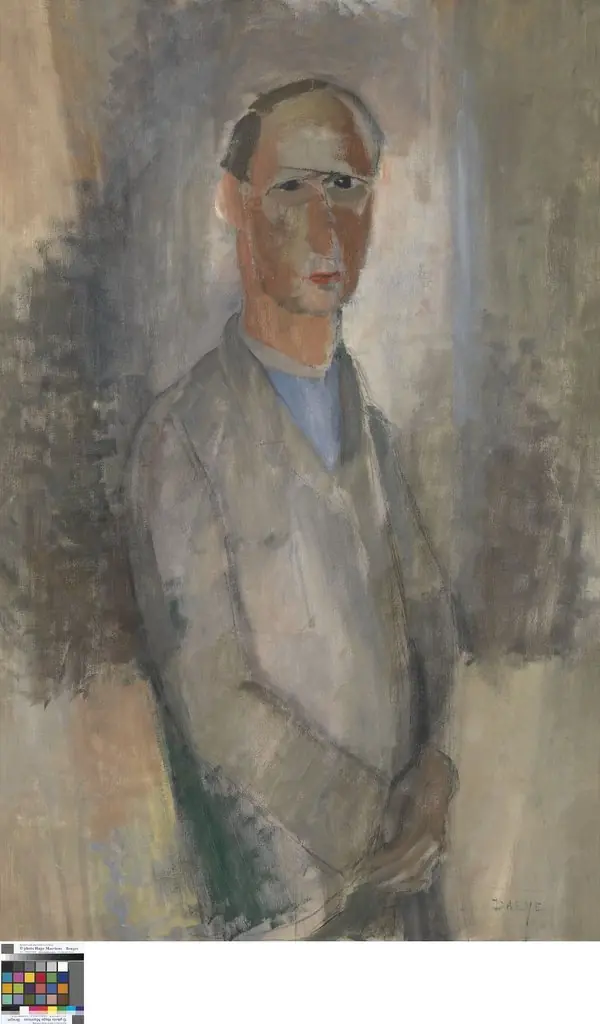
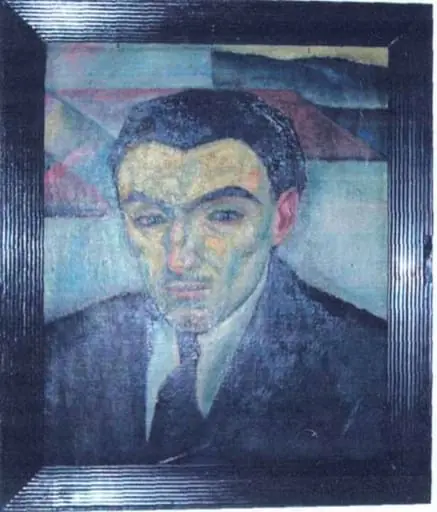
Portretul Dr. Anca Emanoil is an unspecified painting by Bogdan Catul. It dates from 1927 and is held in the collection of the National Museum of Art of Romania.
About this work
Overview
The composition avoids decorative elements, focusing instead on the figure’s presence and demeanor within a neutral, atmospheric space.
Painted in 1927 by Romanian artist Bogdan Catul, this portrait depicts Dr. Anca Emanoil, a medical professional of the interwar period. Executed in oil on canvas, the work presents a formal, full-length depiction of the subject, rendered with restrained precision. The composition avoids decorative elements, focusing instead on the figure’s presence and demeanor within a neutral, atmospheric space.
Subject & Meaning
Dr. Anca Emanoil is portrayed in a tailored suit and tie, his posture upright and gaze steady, meeting the viewer directly. His expression is composed, neither warm nor cold, suggesting professional gravitas and inner reflection. The absence of contextual clues—no books, instruments, or interior details—shifts emphasis to the individual’s character, inviting contemplation of identity beyond occupation.
Technique & Style
Catul employs a subdued palette dominated by gray-brown tones, with careful modeling of light to define the sitter’s facial structure and fabric folds. Brushwork is controlled and smooth, favoring realism over expressionism. The background is softly blended, creating depth without distraction. The rendering of hair and skin exhibits attention to texture, reinforcing the portrait’s quiet, observational character.
History & Provenance
The painting was completed in 1927 during Catul’s active years in Romanian cultural circles. Its early provenance is not widely documented, but it likely remained within private or institutional collections in Romania. No public exhibition records from the 1920s confirm its initial display, though its style aligns with contemporaneous Romanian academic portraiture of the period.
Context
In interwar Romania, portraiture served as a means of affirming social and professional status. Physicians, like Dr. Emanoil, were increasingly visible as pillars of modern society. Catul’s approach reflects a broader trend among local artists who favored sober, dignified representations over theatricality, mirroring the era’s emphasis on civic responsibility and intellectual seriousness.
Legacy
Though not widely reproduced or studied, the portrait remains a representative example of Romanian academic realism in the early 20th century. It contributes to the understanding of how professional identity was visually constructed during a period of national modernization. Catul’s restrained style, as seen here, distinguishes him from more avant-garde contemporaries, anchoring his work in tradition.
Artist & collection
Artist
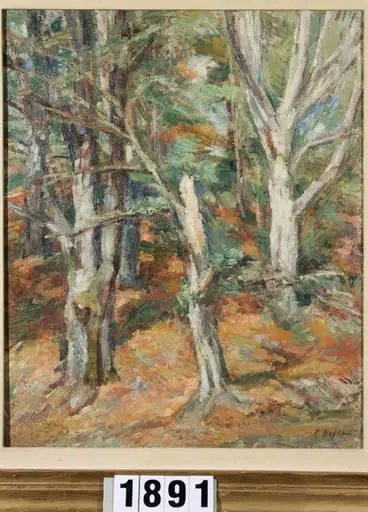
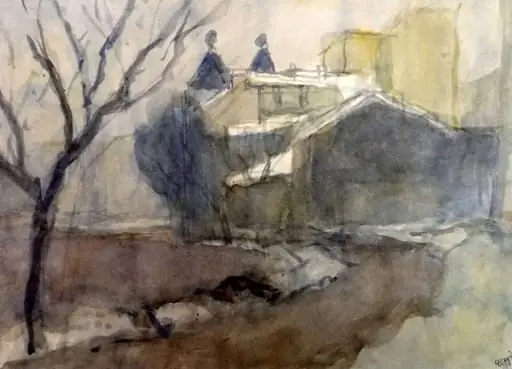
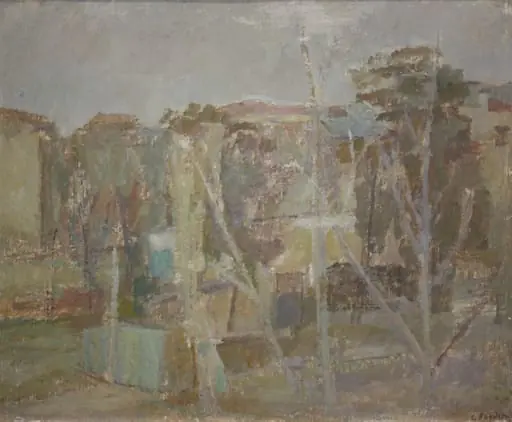
Bogdan Catul made thick, earthy paintings and prints of forests, cityscapes, and portraits.