Artwork
Ikkunan ääressä
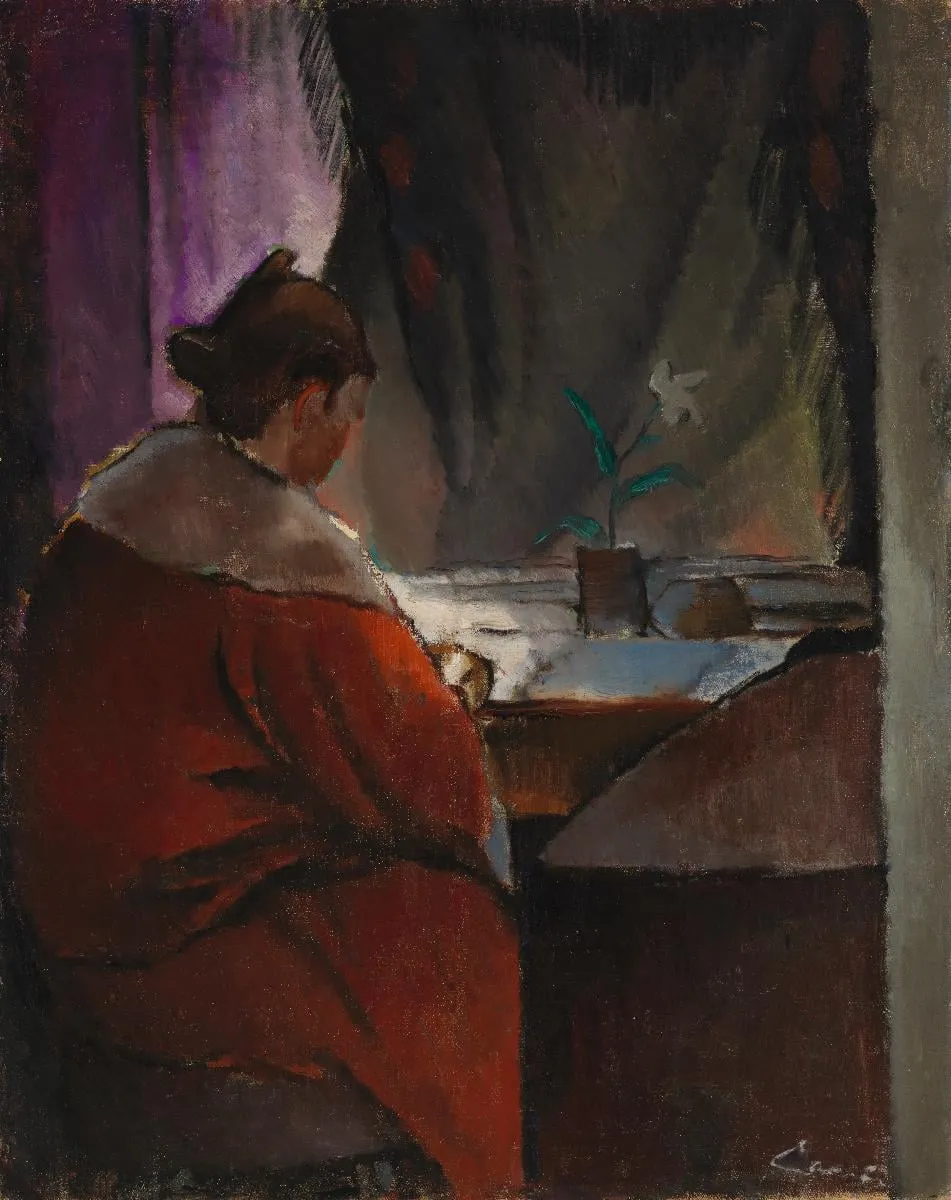
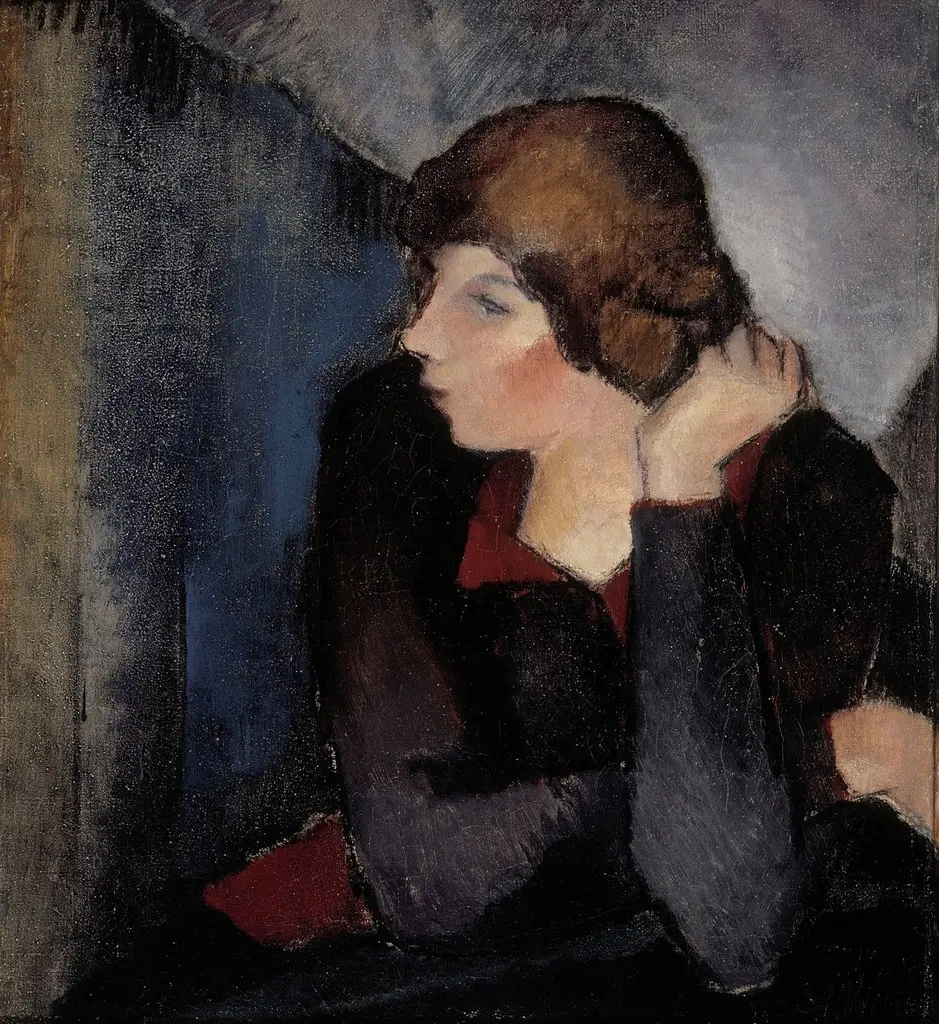
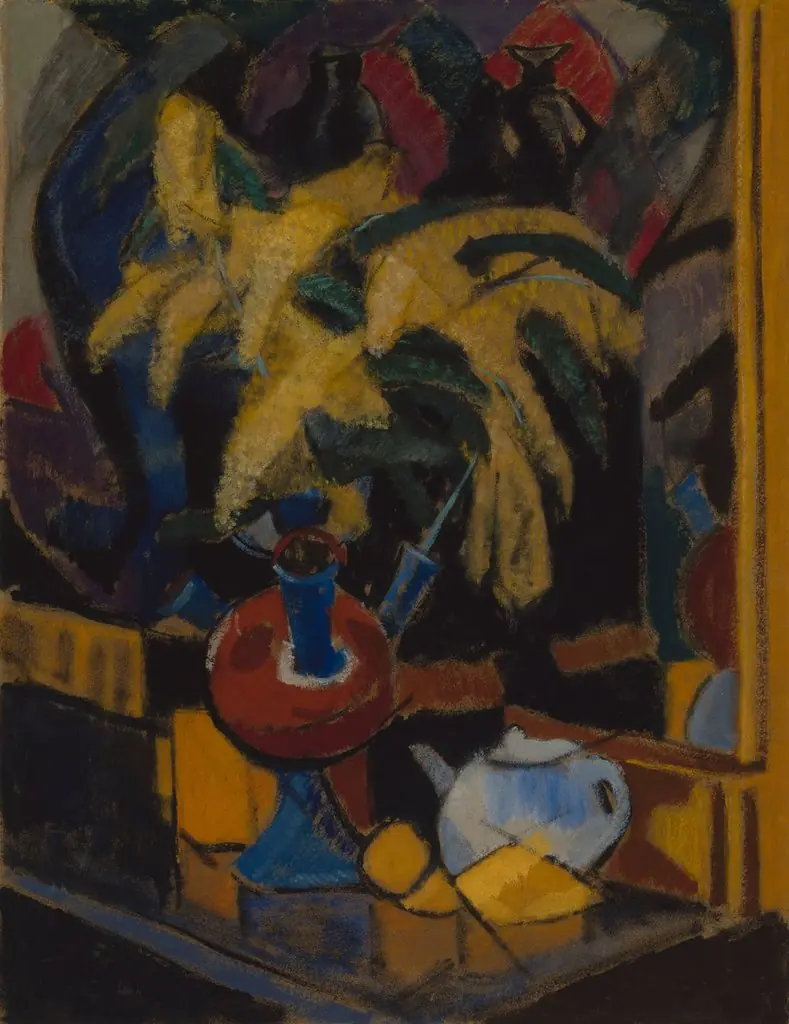
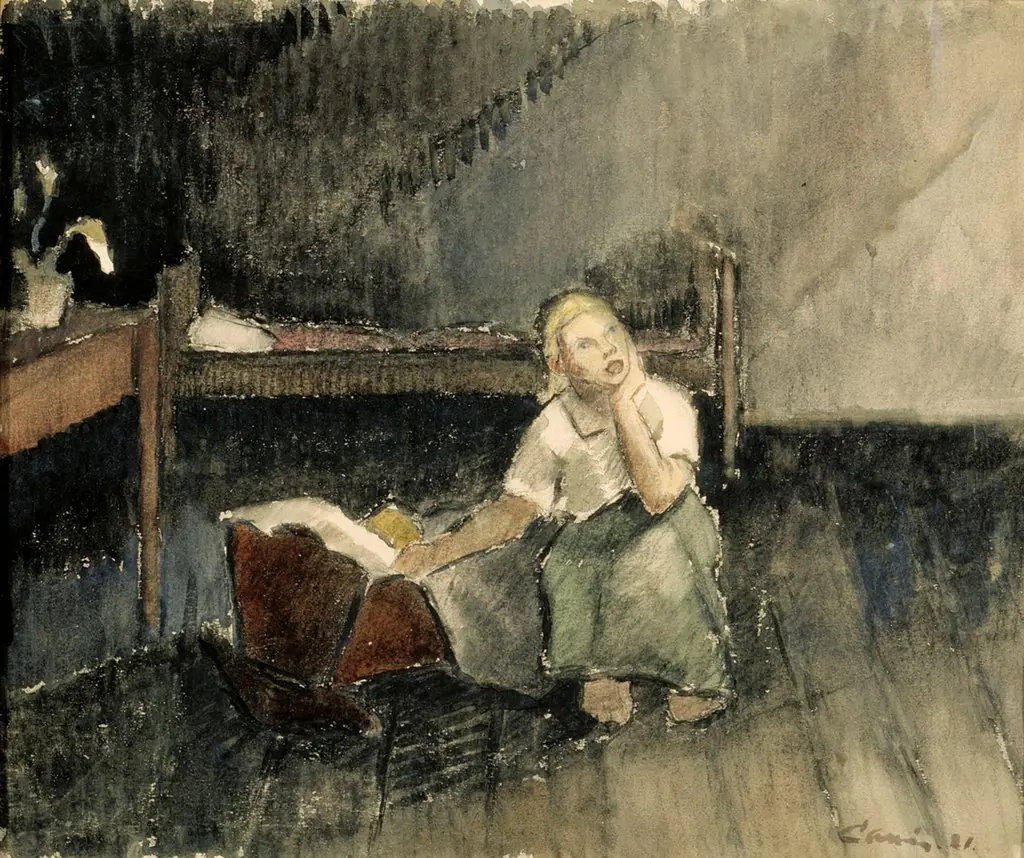
Ikkunan ääressä is an unspecified painting by Alvar Cawén. It is held in the collection of the Finnish National Gallery.
About this work
Overview
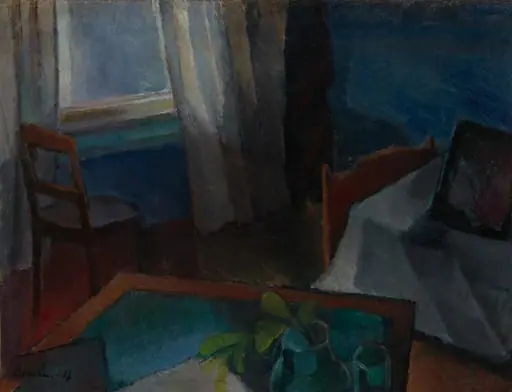
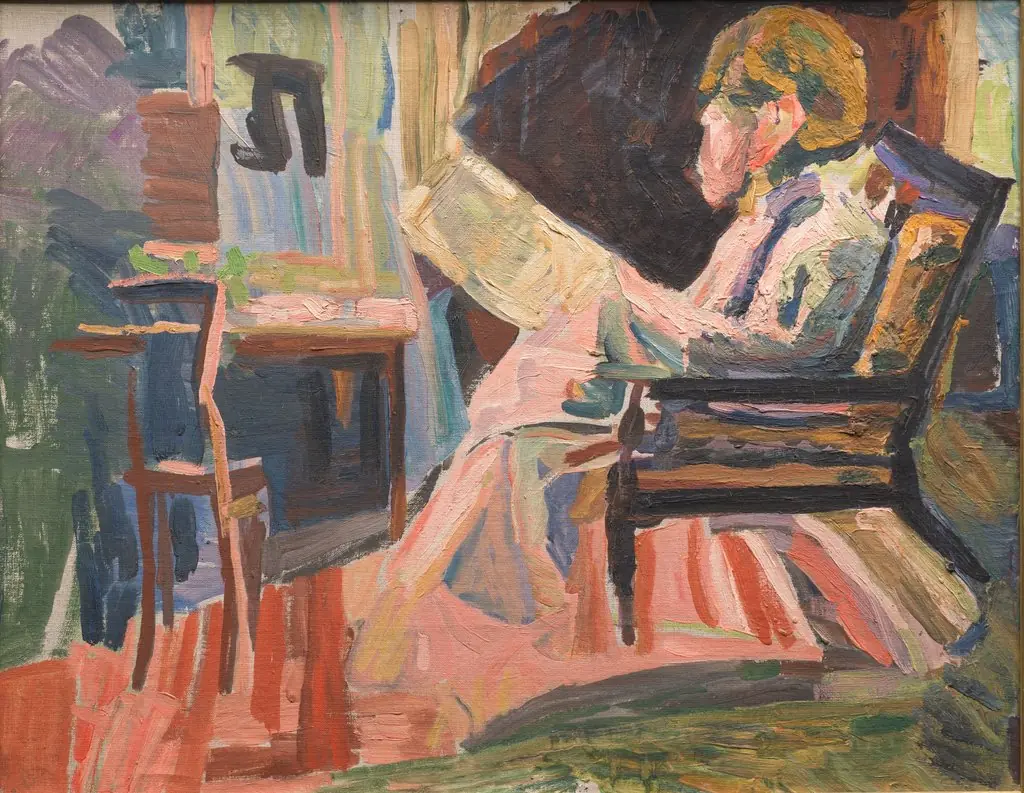
The scene is rendered with a spontaneous, sketch‑like brushwork that emphasizes overall shape and atmosphere over fine detail.
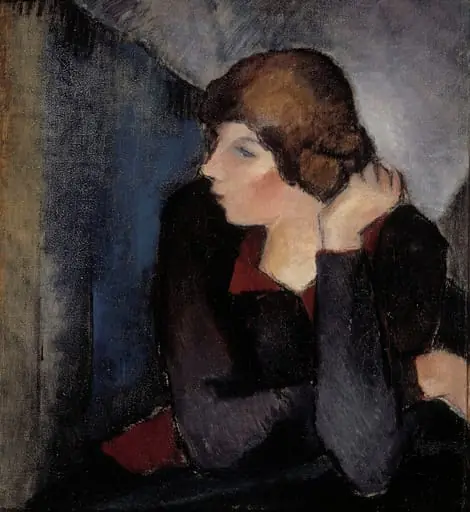
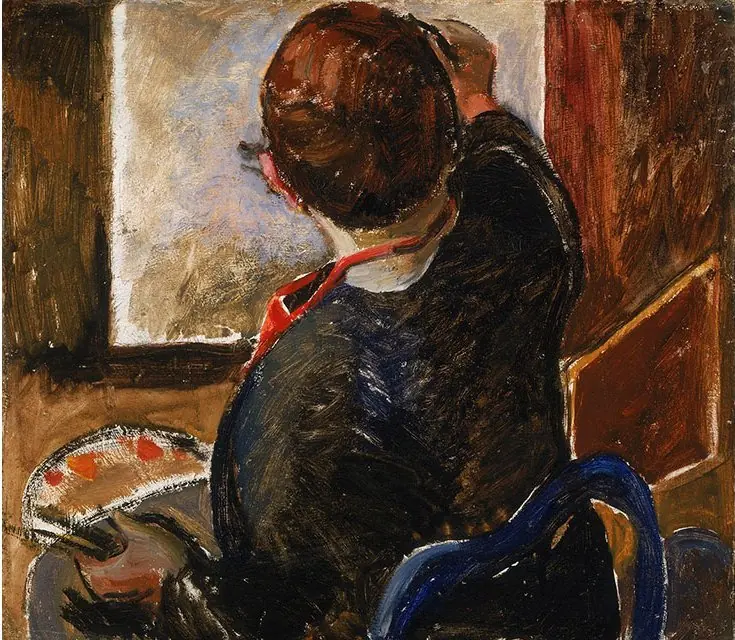
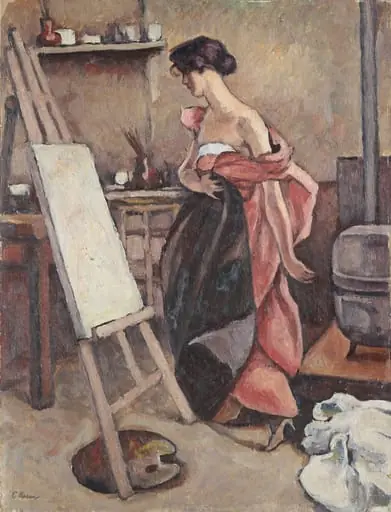
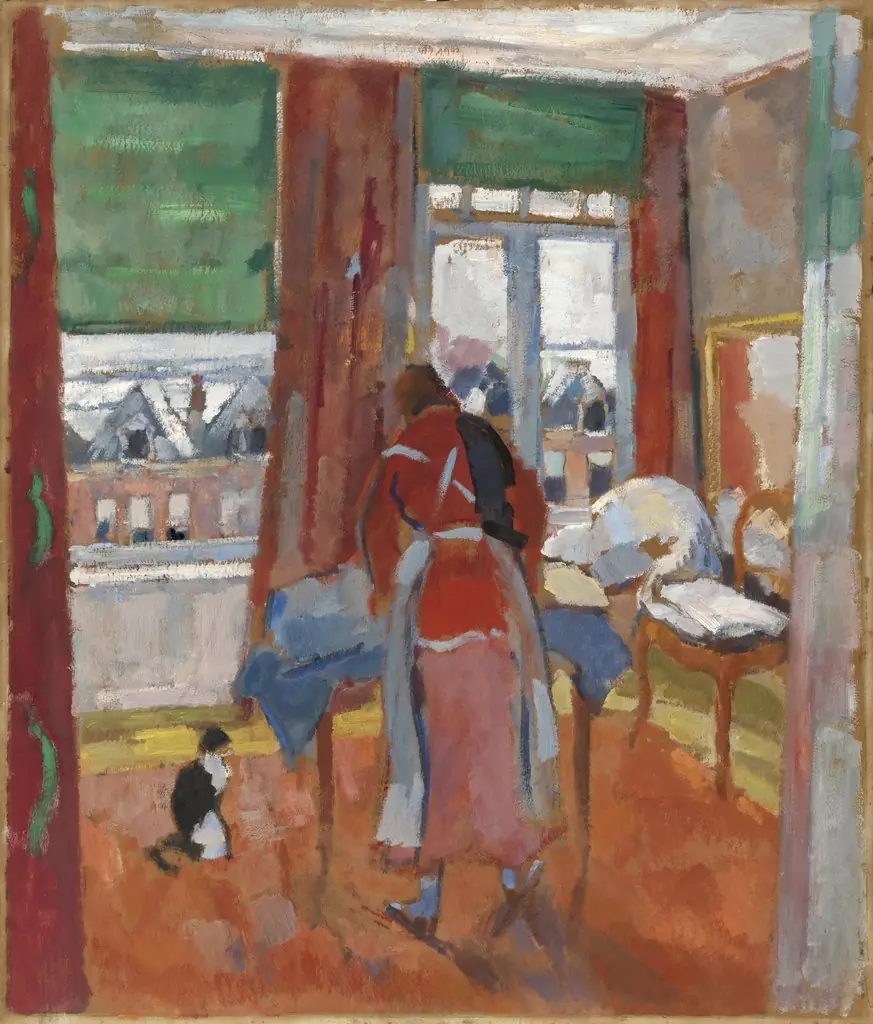
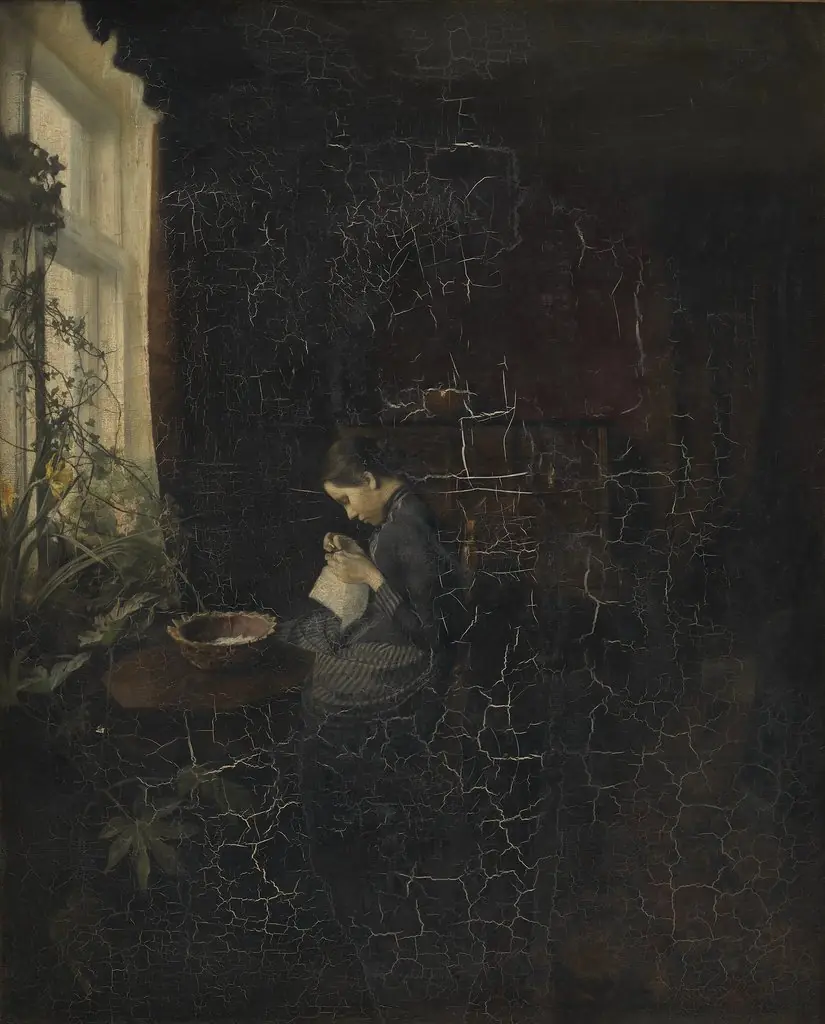
Ikkunan ääressä, a work by Finnish painter Alvar Cawén, depicts a solitary figure seated at a table in a dim interior. The composition is illuminated by daylight filtering through a window, which creates a gentle contrast between the warm interior tones and the cooler light spilling in. The scene is rendered with a spontaneous, sketch‑like brushwork that emphasizes overall shape and atmosphere over fine detail.
Subject & Meaning
The central figure, cloaked in a red jacket and a dark hat, leans over scattered papers or a book, suggesting a moment of study or contemplation. A modest potted plant rests on the table, adding a quiet domestic element. The painting captures an intimate, introspective mood, inviting viewers to consider the private act of reading or working by the window.
Technique & Style
Cawén employs loose, gestural strokes that give the work a sense of immediacy, characteristic of his later modernist phase. The palette is restrained, dominated by muted earth tones punctuated by the vivid red of the jacket. Light is treated with soft gradations, allowing the window’s glow to define the spatial depth without precise rendering of textures.
History & Provenance
Created in the early 20th century, Ikkunan ääressä reflects Cawén’s transition from academic training toward a more personal, expressive approach. The painting entered Finnish public collections in the mid‑1900s, where it has been exhibited in retrospectives highlighting the artist’s contribution to Finnish modernism.
Context
During the period when Cawén painted this work, Finnish art was moving away from nationalist romanticism toward European modernist currents. Influences from French Impressionism and Nordic Symbolism are evident in his handling of light and mood, situating the piece within broader shifts in Scandinavian visual culture.
Artist & collection