Artwork
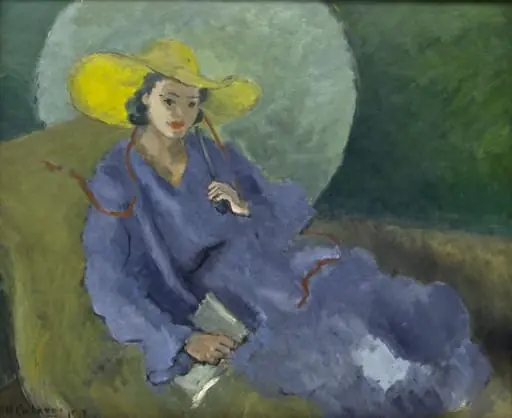
Femeie cu pălărie galbenă
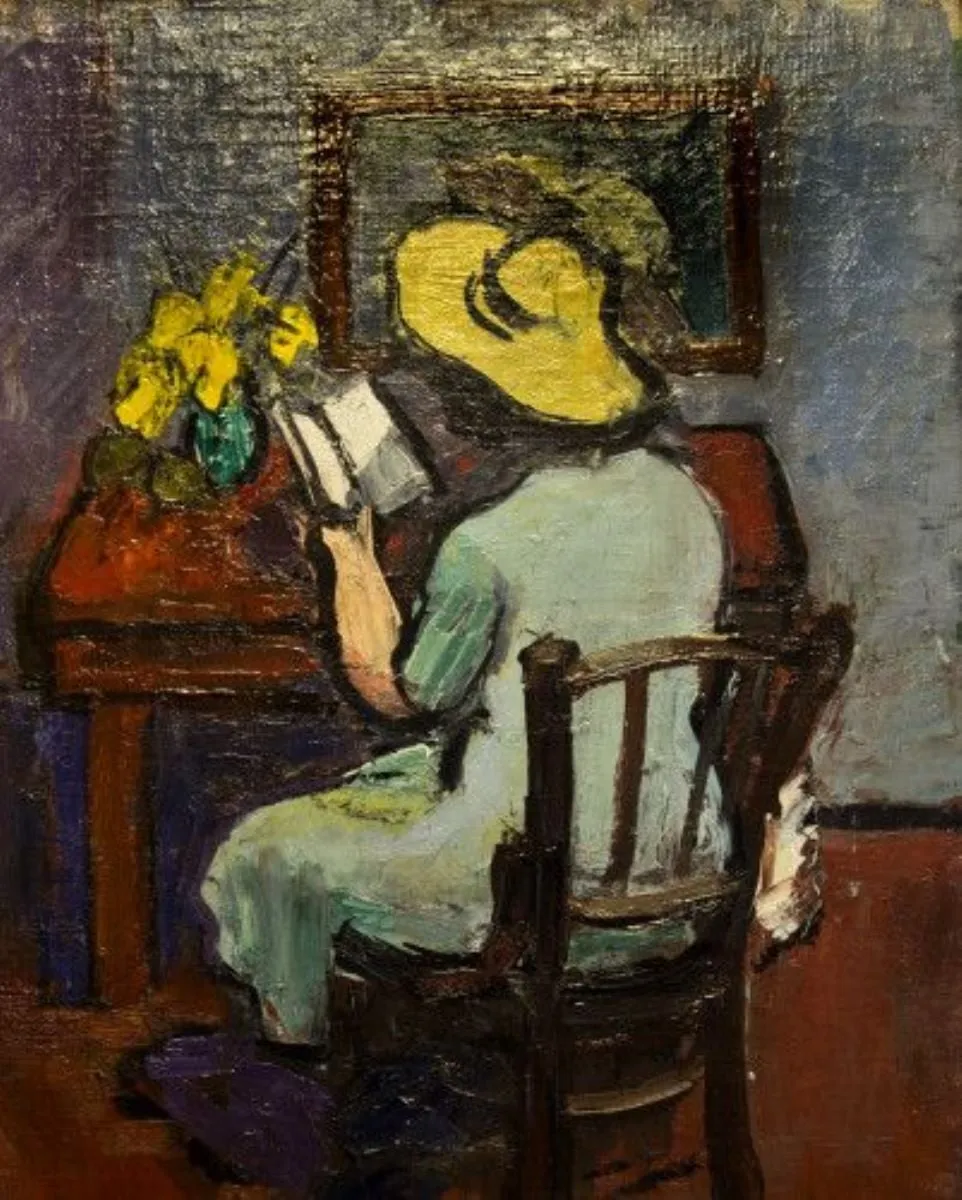
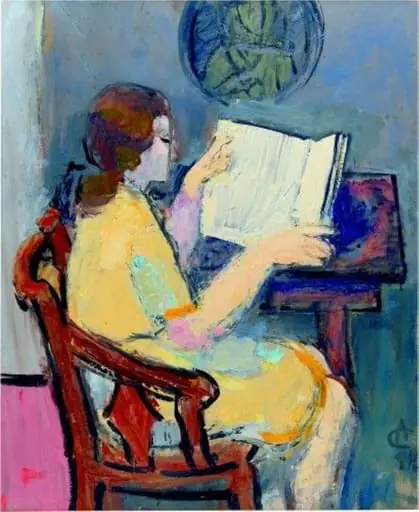
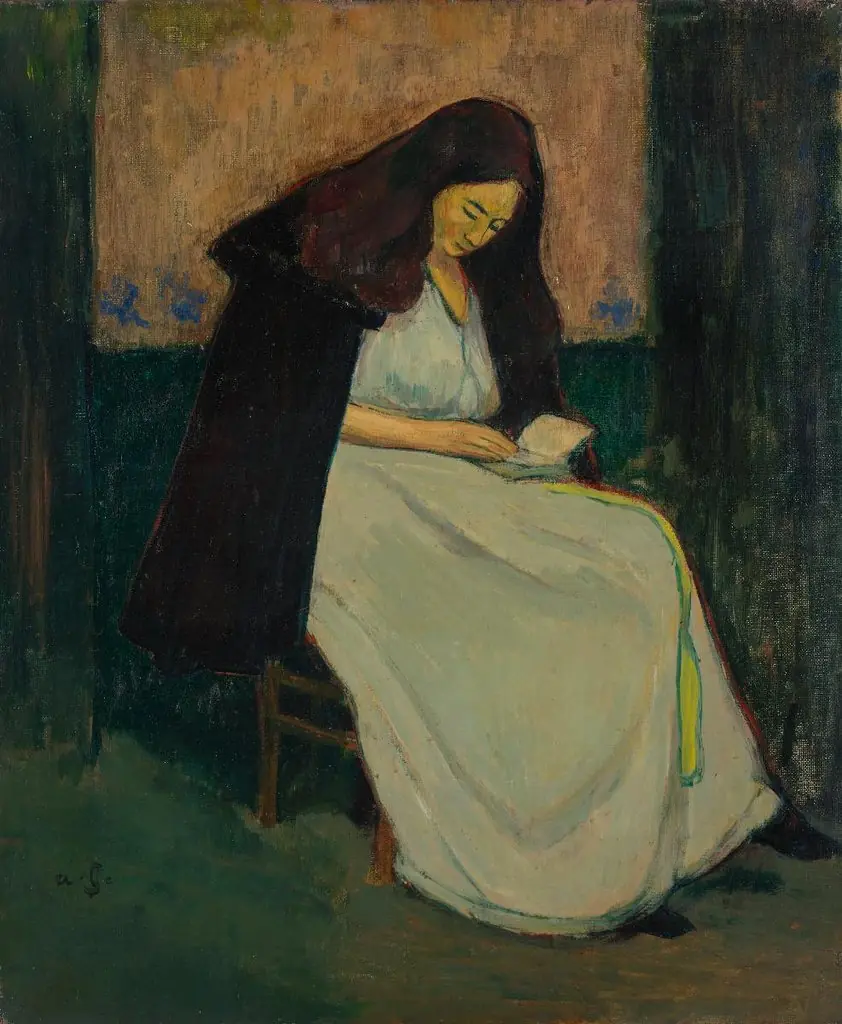
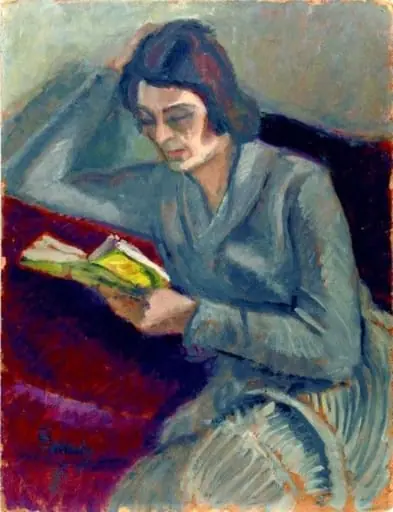
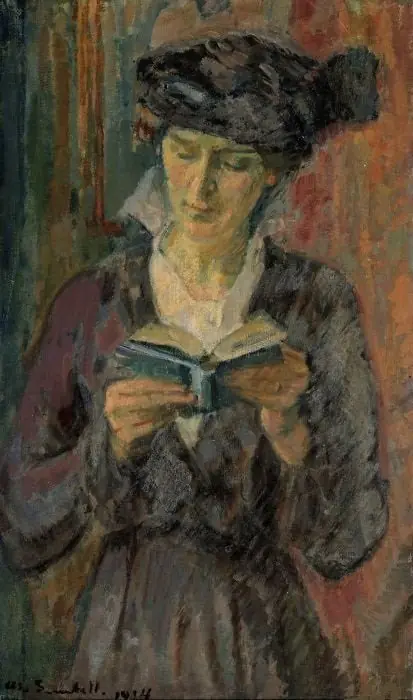
Femeie cu pălărie galbenă is an unspecified painting by Alexandru Ciucurencu. It is held in the collection of the National Museum of Art of Romania. This painting depicts a woman seated in a wooden chair, absorbed in reading.
About this work
Overview
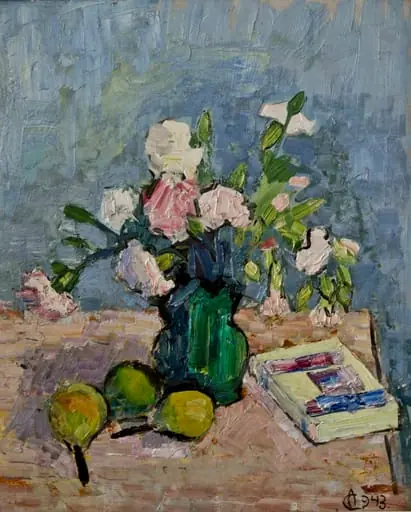
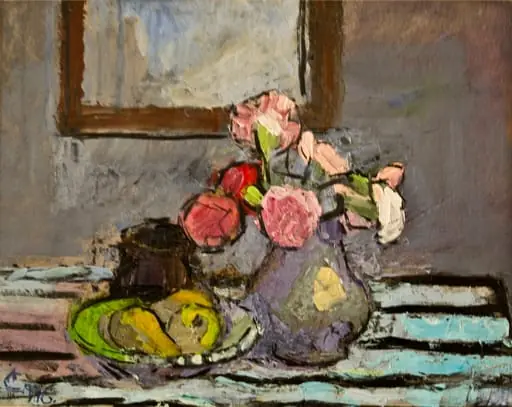
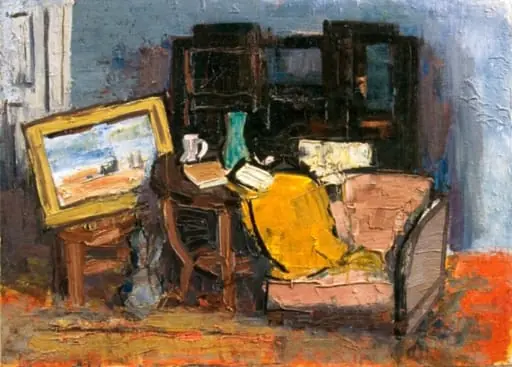
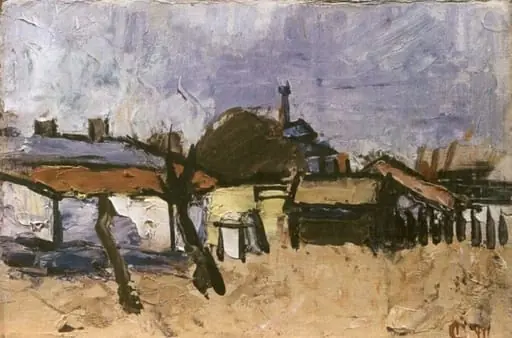
The surface is built with dense, visible brushstrokes, creating a tactile quality that emphasizes the physicality of the paint itself.
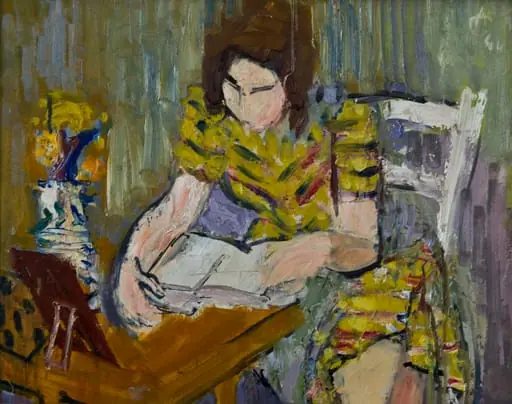
This painting depicts a woman seated in a wooden chair, absorbed in reading. Her attire includes a light-colored dress and a vivid yellow hat, which draws attention without dominating the composition. A green vase with yellow flowers rests on a nearby table, adding subtle color contrast. The surface is built with dense, visible brushstrokes, creating a tactile quality that emphasizes the physicality of the paint itself.
Subject & Meaning
The figure is engaged in a quiet, private moment—reading—suggesting introspection or routine contemplation. There is no narrative drama or symbolic flourish; the focus lies in the stillness of the act. The yellow hat may serve as a visual anchor, but it does not imply status or identity. The scene feels unposed, capturing an ordinary, unremarkable instant with dignity.
Technique & Style
The artist employs impasto, applying paint thickly to build texture across the surface. Brushstrokes are deliberate and uneven, particularly around the hat and dress, giving form through gesture rather than smooth blending. Lighting is restrained, illuminating only the face and hands to guide attention without creating dramatic shadows. The effect is tactile, grounding the figure in physical presence.
History & Provenance
The painting’s origin and early ownership are not documented in available records. It has no known exhibition history prior to recent cataloging. Its attribution remains tentative, with no clear link to a named artist or movement. The work survives as a standalone example of early 20th-century figurative painting with informal, expressive handling.
Context
Created during a period when many artists moved away from academic precision, this work reflects a broader interest in everyday subjects rendered with emotional or sensory immediacy. The thick paint and lack of idealization align with trends in post-impressionist and early modernist circles, where materiality and personal vision took precedence over polished finish.
Legacy
Though not widely reproduced or studied, the painting contributes to a quieter strand of modernist portraiture that values presence over performance. Its emphasis on texture and quietude offers a counterpoint to more theatrical depictions of the era. It remains a modest but resonant example of how ordinary moments can be rendered with material intensity.
Artist & collection
Artist
Alexandru Ciucurencu painted scenes from everyday life and the human body in the mid-20th century.