Artwork
Dorothea and Francesca
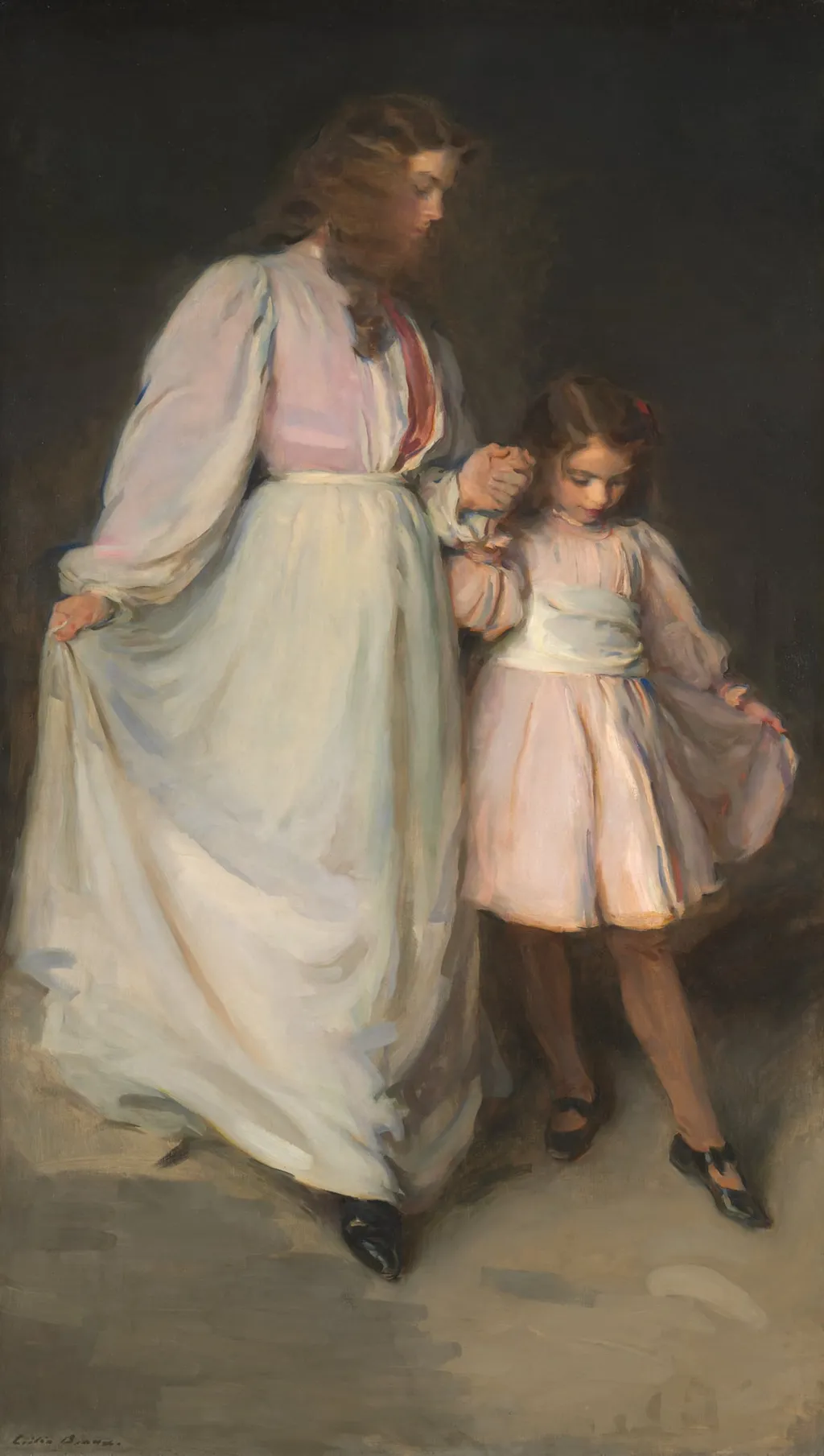
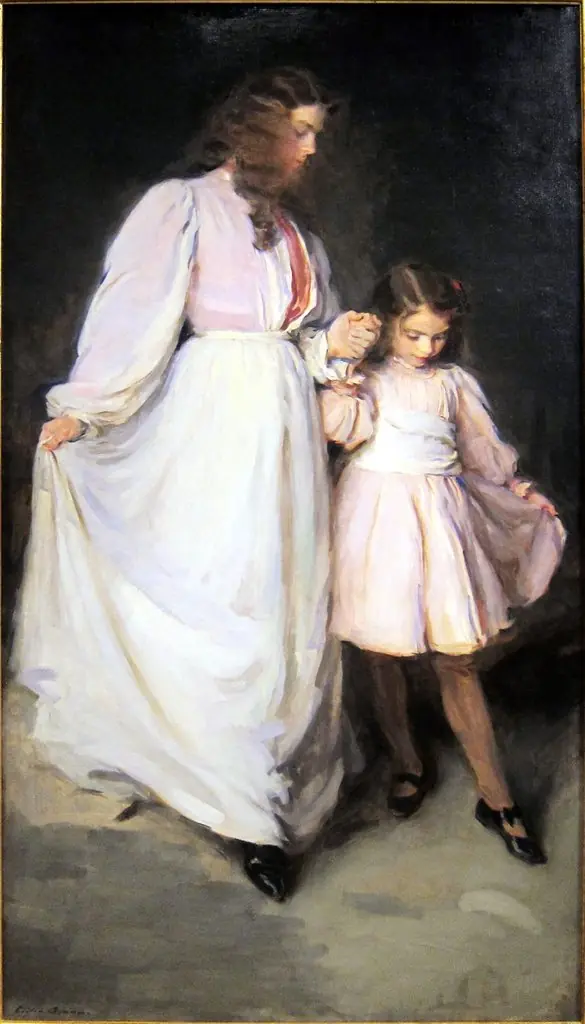
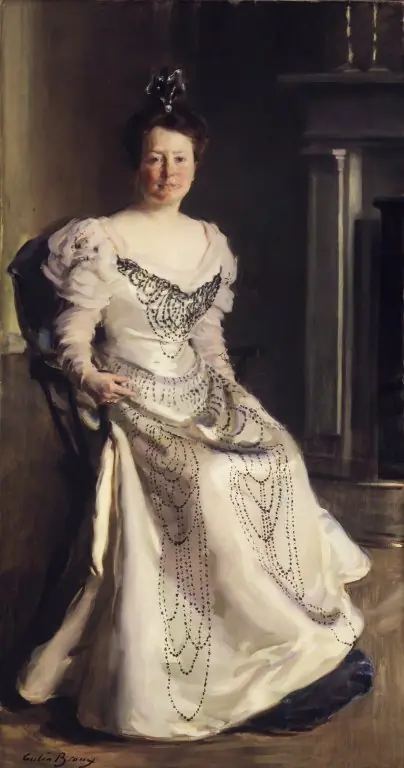
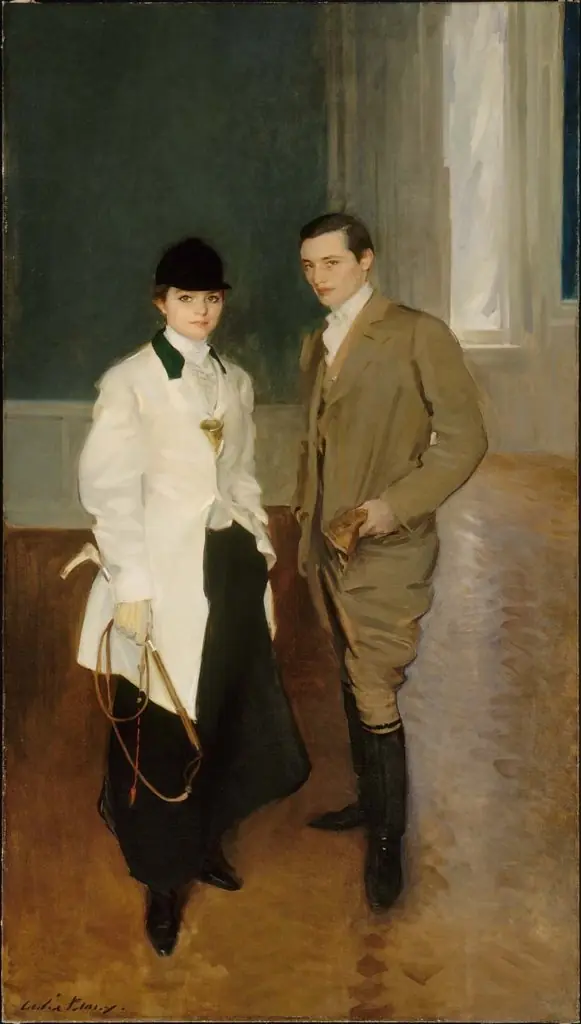
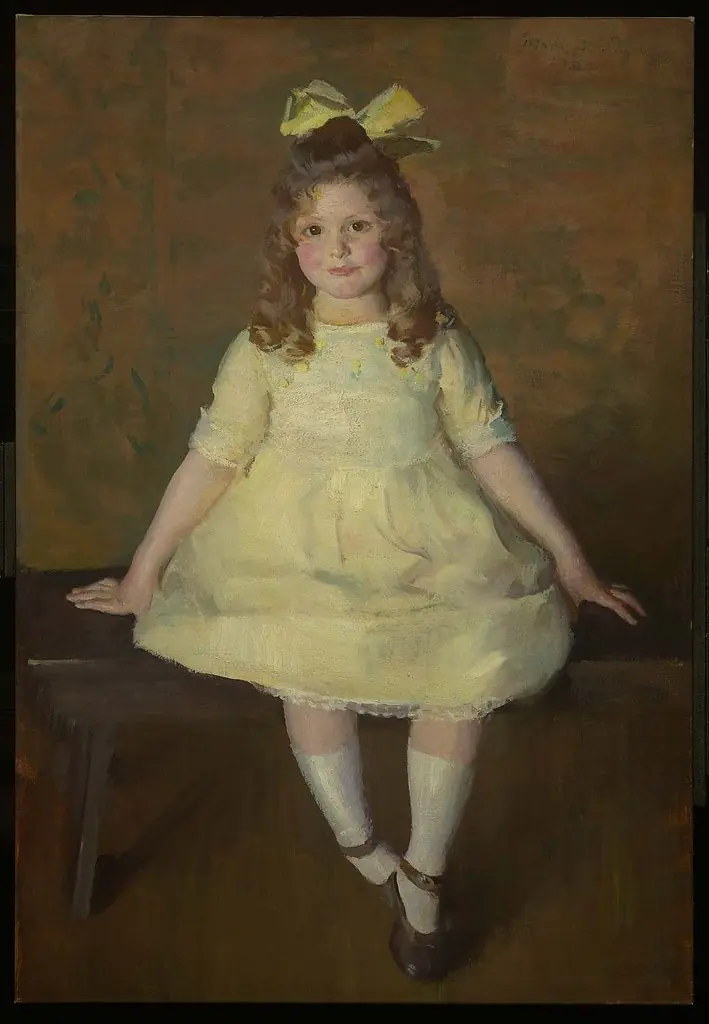
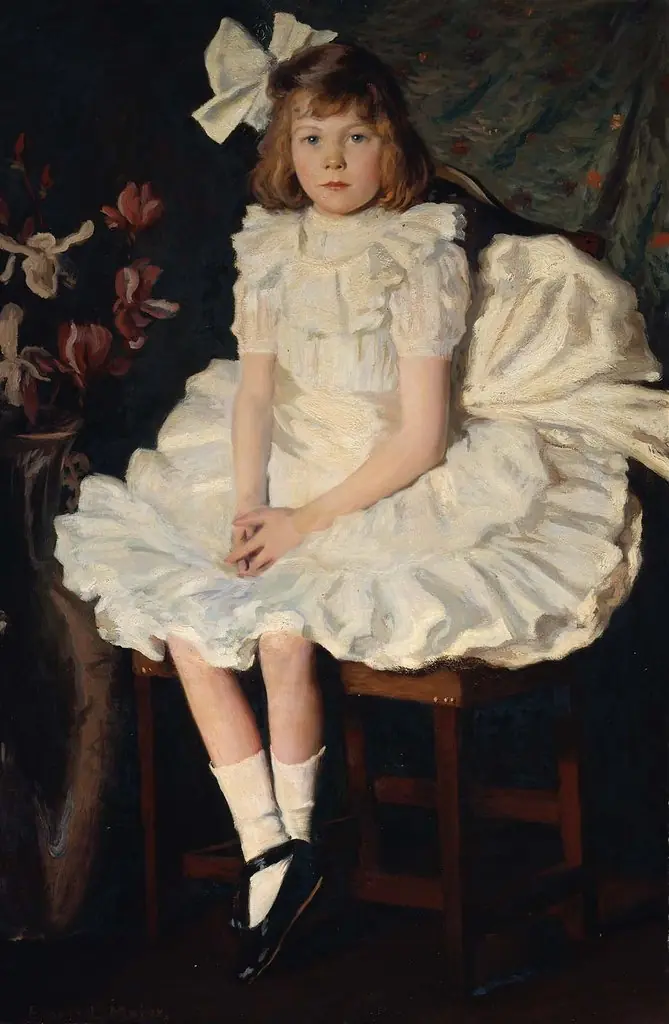
Dorothea and Francesca is an oil painting by the American Impressionist artist Cecilia Beaux. It dates from 1898 and is held in the collection of the Art Institute of Chicago.
About this work
Overview
Painted around 1895, the work blends portraiture with genre scene, emphasizing harmony between the figures over individual identity.
Cecilia Beaux’s oil on canvas painting Dorothea and Francesca depicts two young girls in a quiet dance lesson, capturing a moment of restrained motion rather than theatrical performance. Painted around 1895, the work blends portraiture with genre scene, emphasizing harmony between the figures over individual identity. Beaux, a respected American artist, rendered the girls with subtle precision, reflecting her interest in the transitional phase between childhood and adolescence.
Subject & Meaning
The subjects are Dorothea and Francesca Gilder, daughters of Helena de Kay and Richard Watson Gilder, close friends of Beaux. Rather than portraying them as individuals, Beaux focuses on their synchronized posture and matching attire, suggesting shared experience and social upbringing. The dance lesson becomes a metaphor for the disciplined transition into womanhood, framed by the quiet formality of their environment rather than overt emotion or narrative.
Technique & Style
Beaux employed a restrained palette and soft brushwork to unify the girls’ forms and surroundings. Her handling of fabric and light conveys texture without embellishment, while the muted tones and balanced composition reflect influences from French academic painting. The figures are positioned with deliberate symmetry, their gestures subtly mirrored, reinforcing a sense of order and quiet introspection characteristic of her mature style.
History & Provenance
Commissioned by the Gilder family, the painting remained within private hands for much of the 20th century before entering a public collection. Beaux’s personal connection to the subjects likely facilitated the commission, a common practice among elite American portraitists of the era. The work’s survival in relatively unchanged condition offers insight into Beaux’s studio practices and the domestic contexts of her commissions.
Context
In the late 19th century, female artists faced significant barriers in securing major portrait commissions. Beaux succeeded through technical mastery and social connections, gaining recognition among New York’s cultural elite. Her ability to navigate this male-dominated field while maintaining artistic integrity positioned her as a rare example of professional success for women in American art at the time.
Legacy
Beaux’s role as the first woman appointed to the faculty of the Pennsylvania Academy of the Fine Arts marked a turning point for women in art education. Dorothea and Francesca exemplifies her contribution to American portraiture—not through grandeur, but through nuanced observation of everyday moments. Her work influenced later generations of female artists by demonstrating that quiet, intimate subjects could carry significant artistic weight.
Artist & collection
Artist
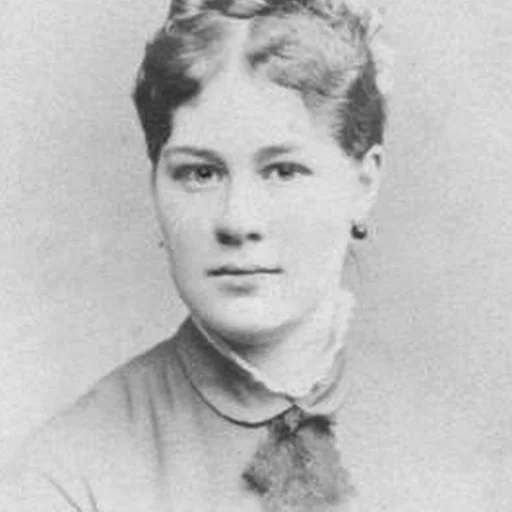
Eliza Cecilia Beaux (May 1, 1855 – September 17, 1942) was an American artist and the first woman to teach art at the Pennsylvania Academy of the Fine Arts.