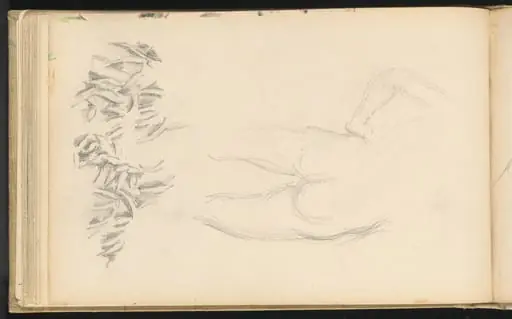
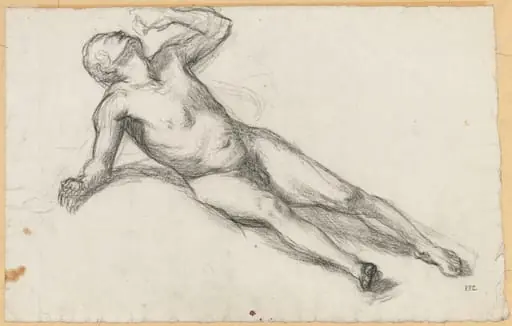
Artwork
Study of the Allegorical Figure of the Genius of Health from Rubens' "The Birth of Louis XIII at Fontainbleau"
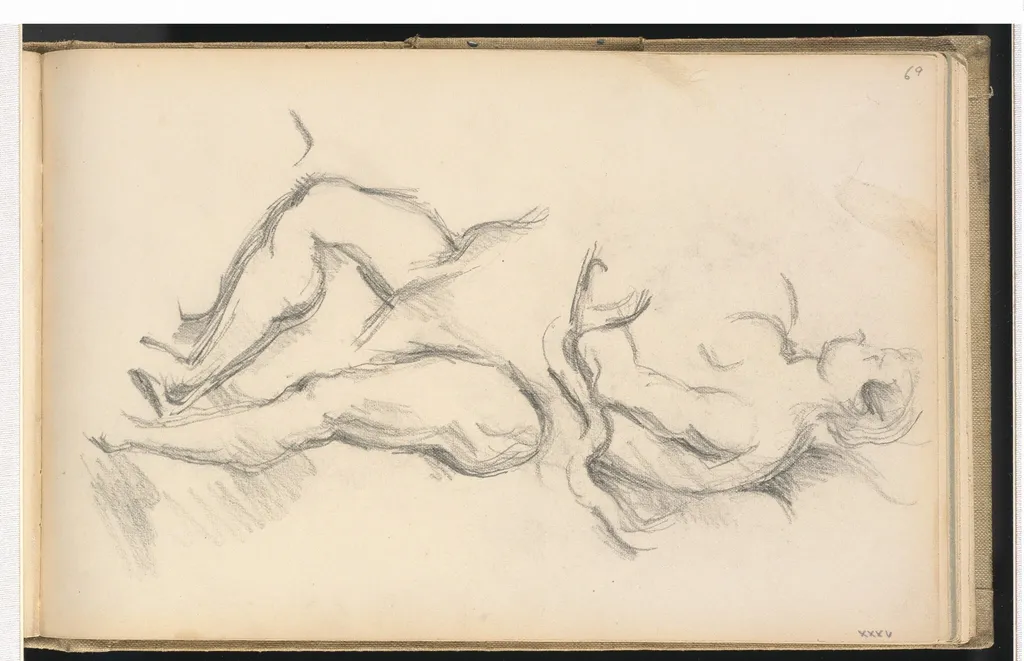
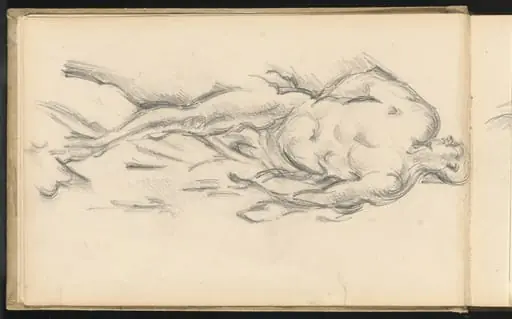
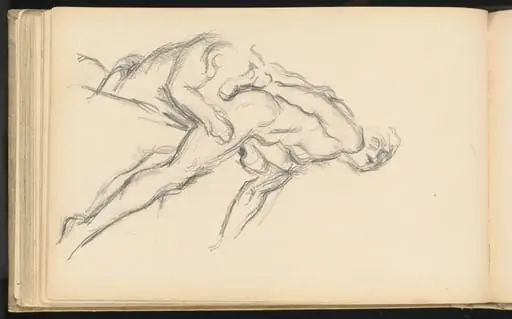
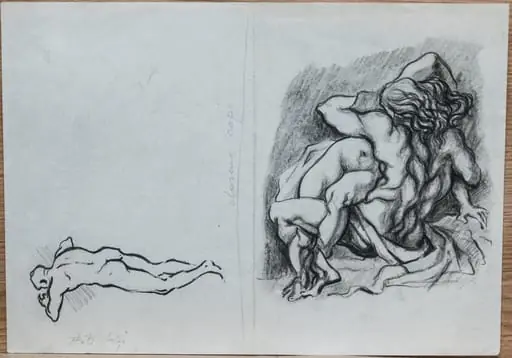
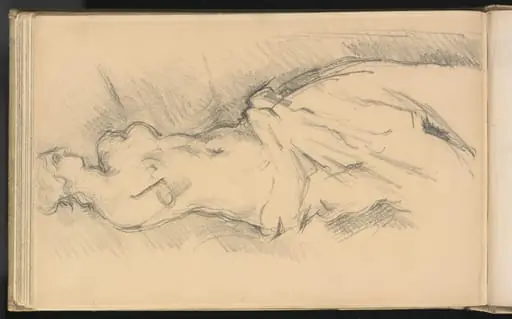
Study of the Allegorical Figure of the Genius of Health from Rubens' "The Birth of Louis XIII at Fontainbleau" is a graphite drawing by the Impressionist artist Paul Cezanne. It dates from 1896 and is held in the collection of the National Gallery of Art.
About this work
Overview
This graphite drawing records a preparatory study for the allegorical figure known as the Genius of Health, which appears in Peter Paul Rubens’ monumental composition The Birth of Louis XIII at Fontainebleau. Executed on wove paper, the work captures the artist’s exploratory line work as he translates a complex painted figure into a simplified, gestural sketch.
Subject & Meaning
The figure represents an embodiment of health, a classical personification intended to underscore the vitality of the newborn monarch. In Rubens’ larger canvas the allegory would have functioned alongside other symbolic figures to celebrate the king’s auspicious beginning, linking physical well‑being with dynastic prosperity.
Technique & Style
Rendered in graphite, the study is characterized by loose, sinuous strokes that suggest movement rather than precise form. The lines intersect and diverge, creating a visual impression of tangled branches or drifting smoke. The uneven pressure and occasional gaps convey a sense of immediacy, reflecting the artist’s focus on capturing the figure’s overall rhythm before committing to detail.
History & Provenance
The drawing originates as a working copy of Rubens’ composition, produced to aid in the planning of the final painted figure. While the exact date of execution is not recorded, its material and handling align with 17th‑century preparatory practices. The work has remained within collections that document Rubens’ creative process, serving as a tangible link to the artist’s workshop methodology.
Context
This study illustrates how Rubens translated complex iconography into manageable visual components during the painting’s development.
Rubens frequently employed allegorical personifications to convey political and moral messages in courtly commissions. The Birth of Louis XIII, created for the French royal palace at Fontainebleau, integrates such figures to reinforce the legitimacy and vigor of the Bourbon line. This study illustrates how Rubens translated complex iconography into manageable visual components during the painting’s development.
Artist & collection
Artist
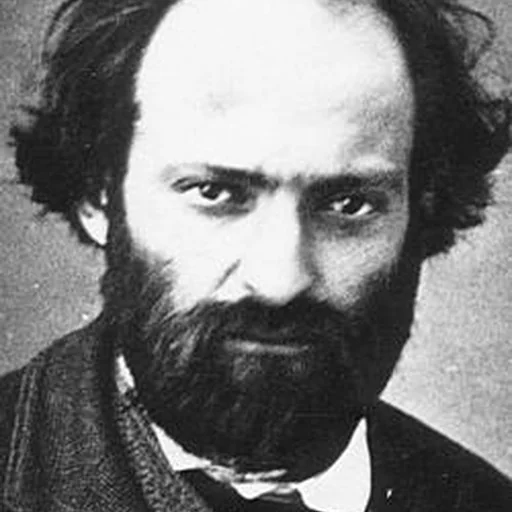
Paul Cézanne was born on January 19, 1839, in Aix-en-Provence, the son of a hatter turned wealthy banker.

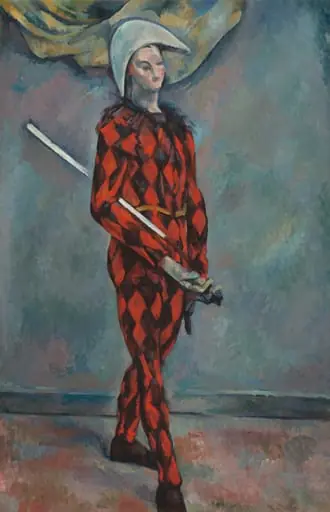 Harlequin
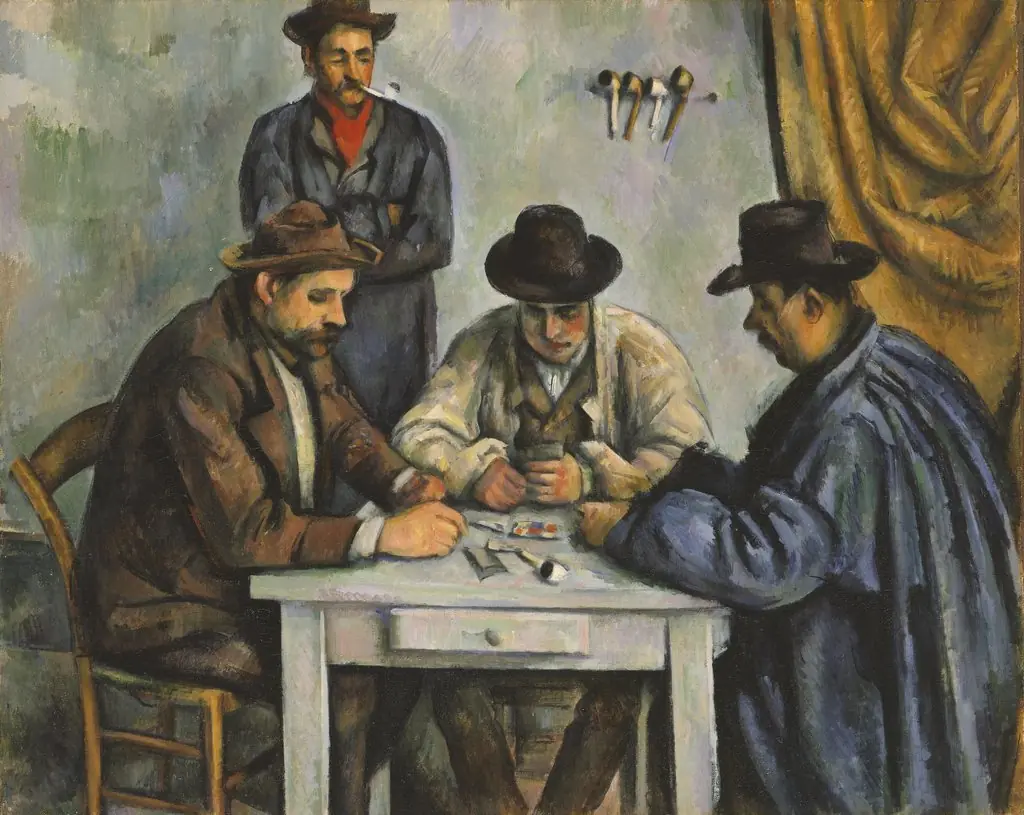 The Card Players
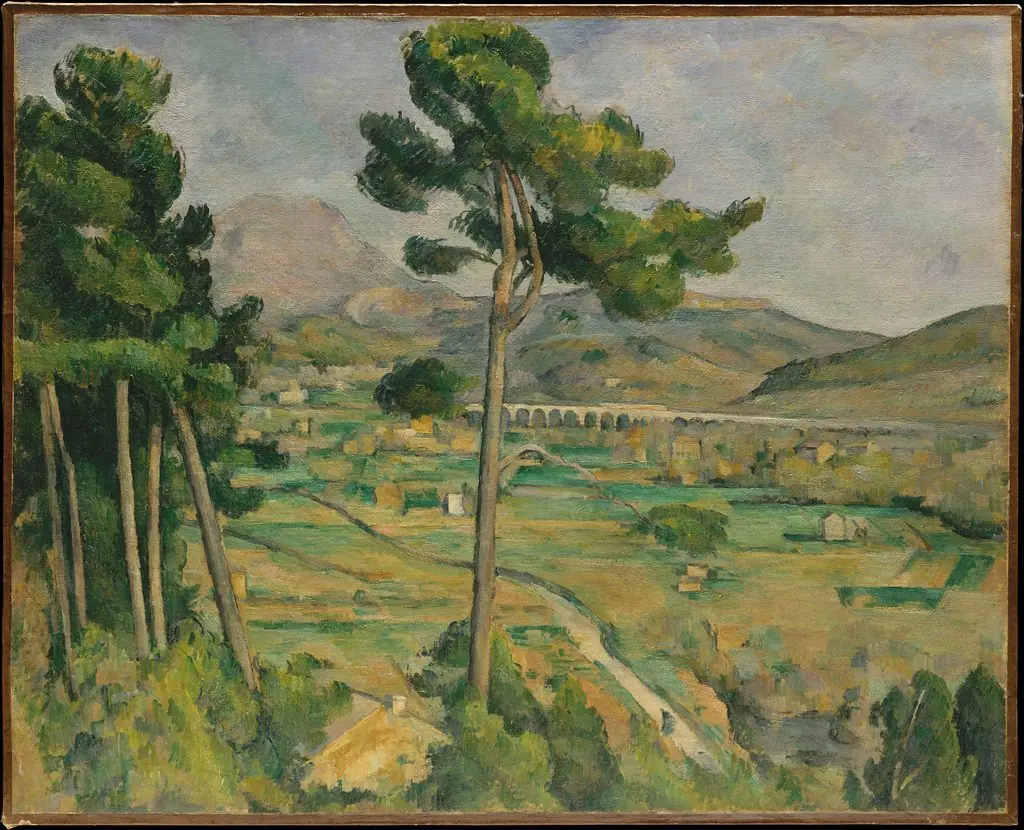 Mont Sainte-Victoire and the Viaduct of the Arc River Valley
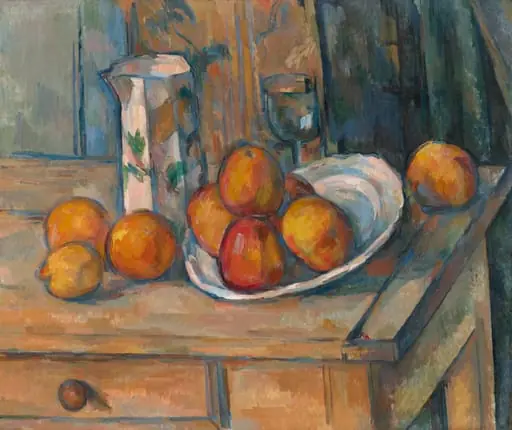 Still Life with Milk Jug and Fruit
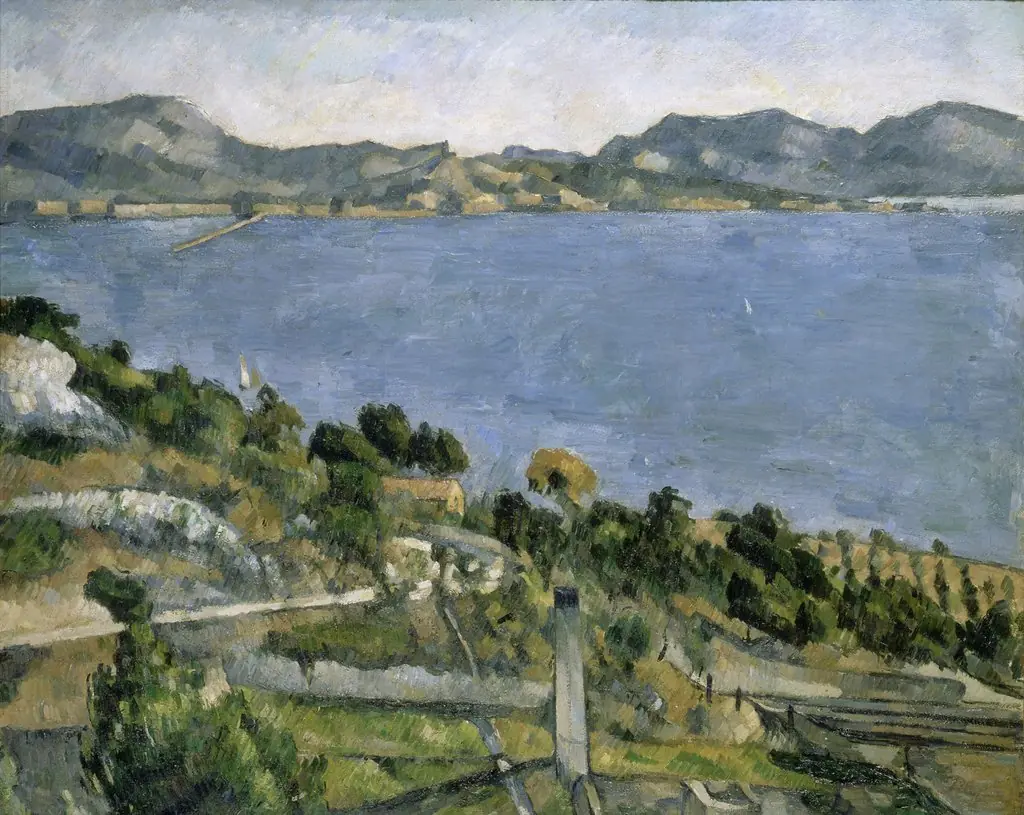 Le Golfe de Marseille vu de l'Estaque (The Gulf of Marseille Seen from L'Estaque)
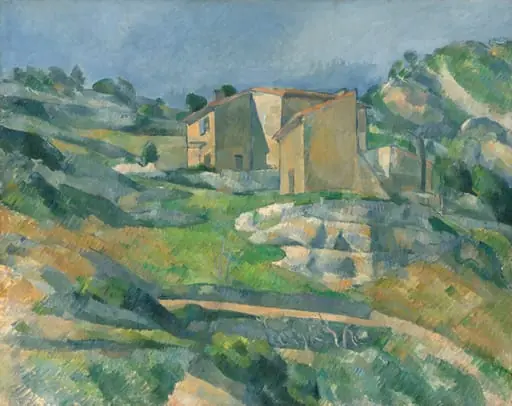 Houses in Provence: The Riaux Valley near L'Estaque
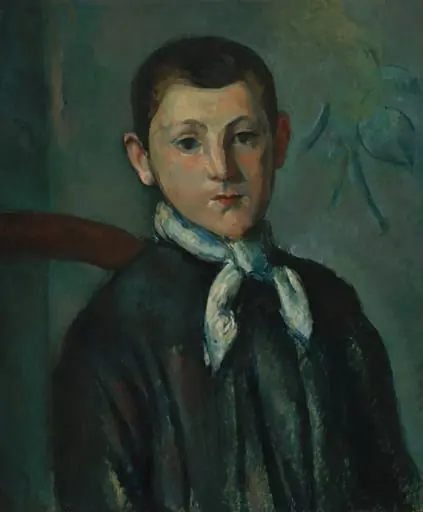 Louis Guillaume
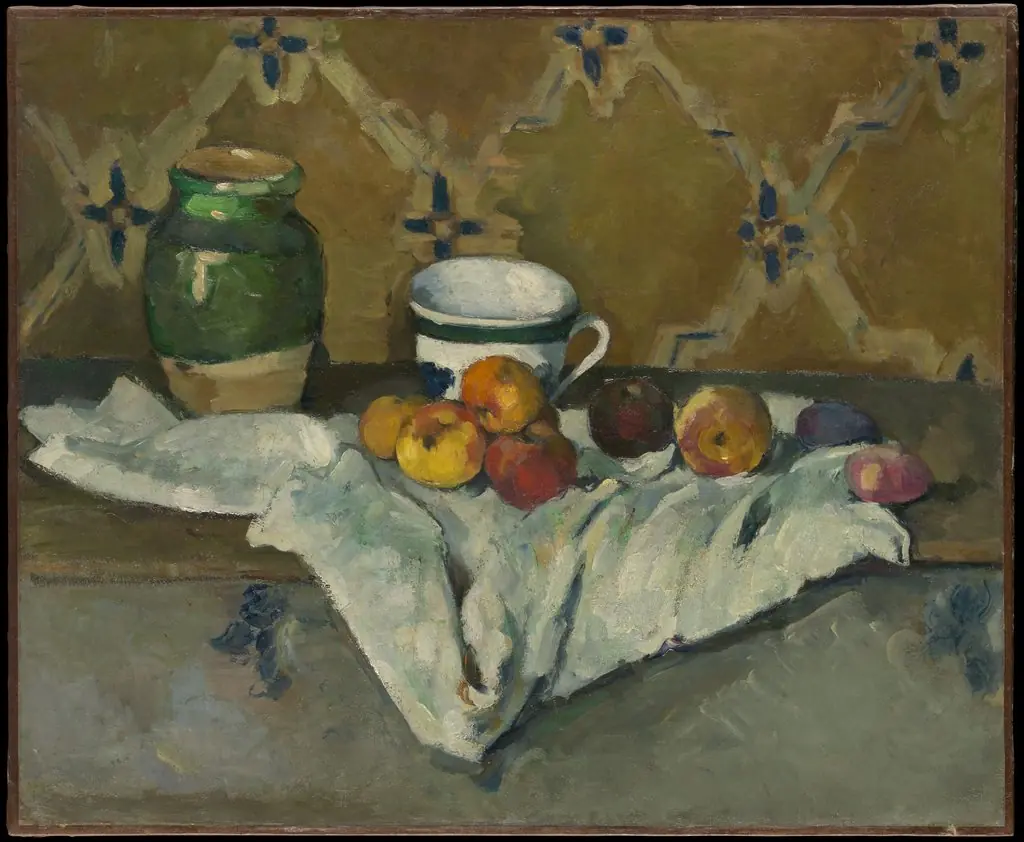 Still Life with Jar, Cup, and Apples