Artwork
Study of "Venus de Milo"
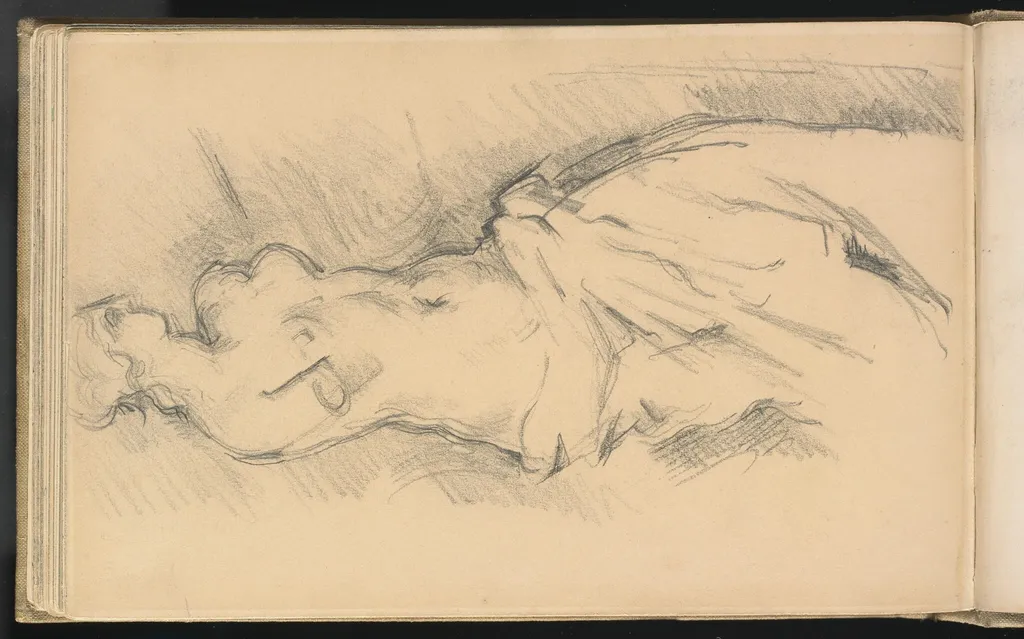
Study of "Venus de Milo" is a graphite drawing by the Impressionist artist Paul Cezanne. It dates from 1882 and is held in the collection of the National Gallery of Art.
About this work
Overview
Study of 'Venus de Milo' is a graphite drawing on wove paper, created by Paul Cezanne in 1882. The work is a quick, loose sketch capturing the basic forms of a female figure, prioritizing movement over detail.
Subject & Meaning
The drawing takes inspiration from the ancient Greek statue 'Venus de Milo', interpreting its iconic female form in a modern, expressive manner. Cezanne's focus on essential shapes and curves reflects his interest in capturing the figure's underlying structure.
Technique & Style
Characterized by rough, uneven lines and hurried strokes, the drawing exemplifies Cezanne's spontaneous and expressive approach. The slight yellow tone of the paper and worn edges add to the piece's informal, sketch-like quality.
History & Provenance
Created in 1882, this drawing falls within Cezanne's period of exploring classical influences through a modern lens. Provenance details are not specified in available information.
Context
This work relates to the broader artistic movement of Post-Impressionism, where artists like Cezanne emphasized expressive distortion and personal interpretation over realistic representation.
Artist & collection
Artist
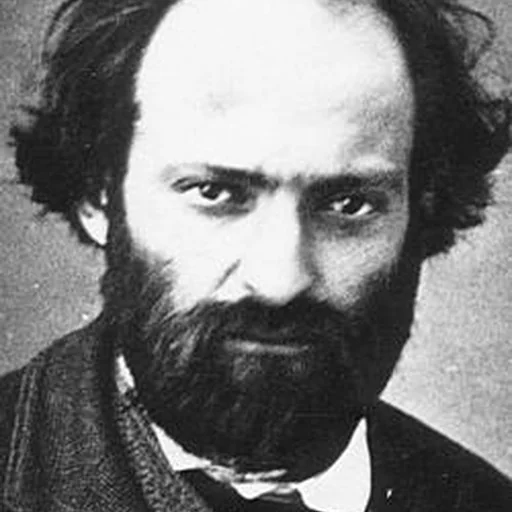
Paul Cézanne was born on January 19, 1839, in Aix-en-Provence, the son of a hatter turned wealthy banker.

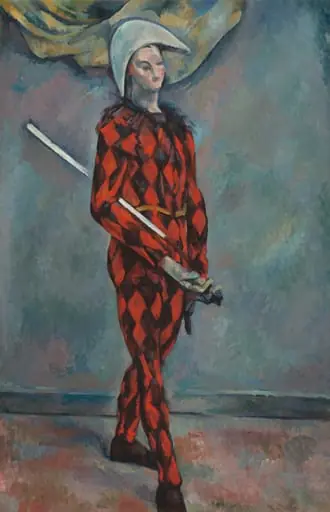 Harlequin
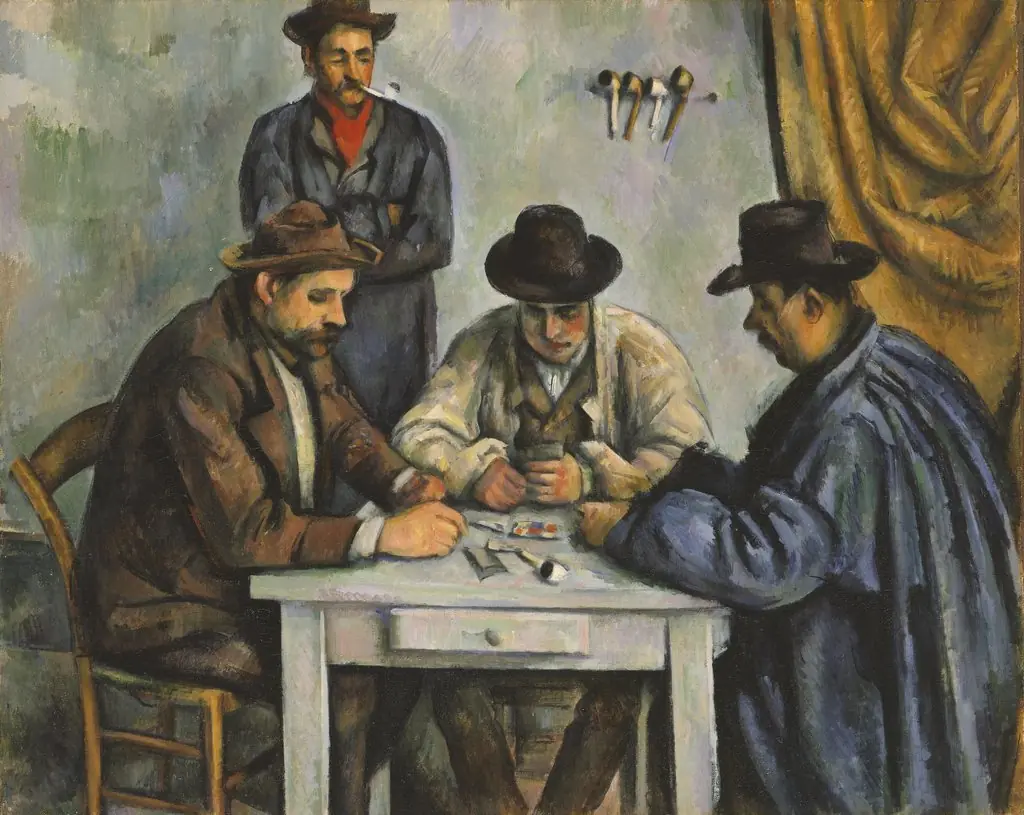 The Card Players
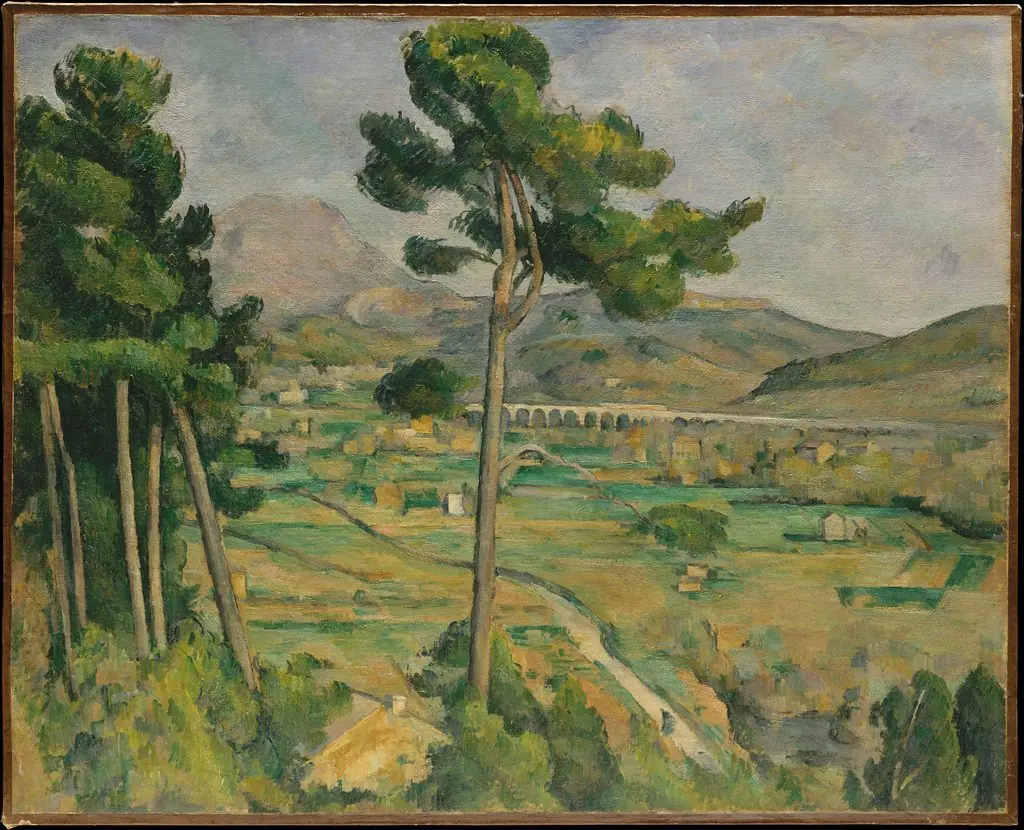 Mont Sainte-Victoire and the Viaduct of the Arc River Valley
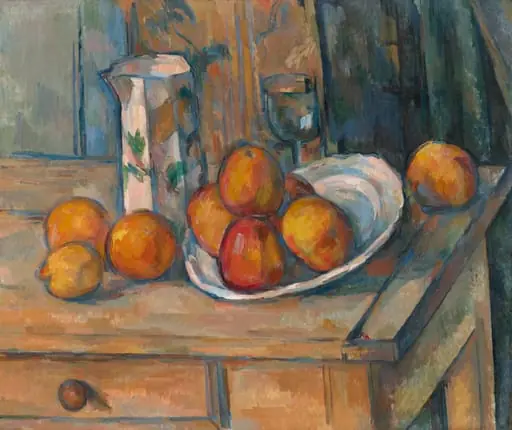 Still Life with Milk Jug and Fruit
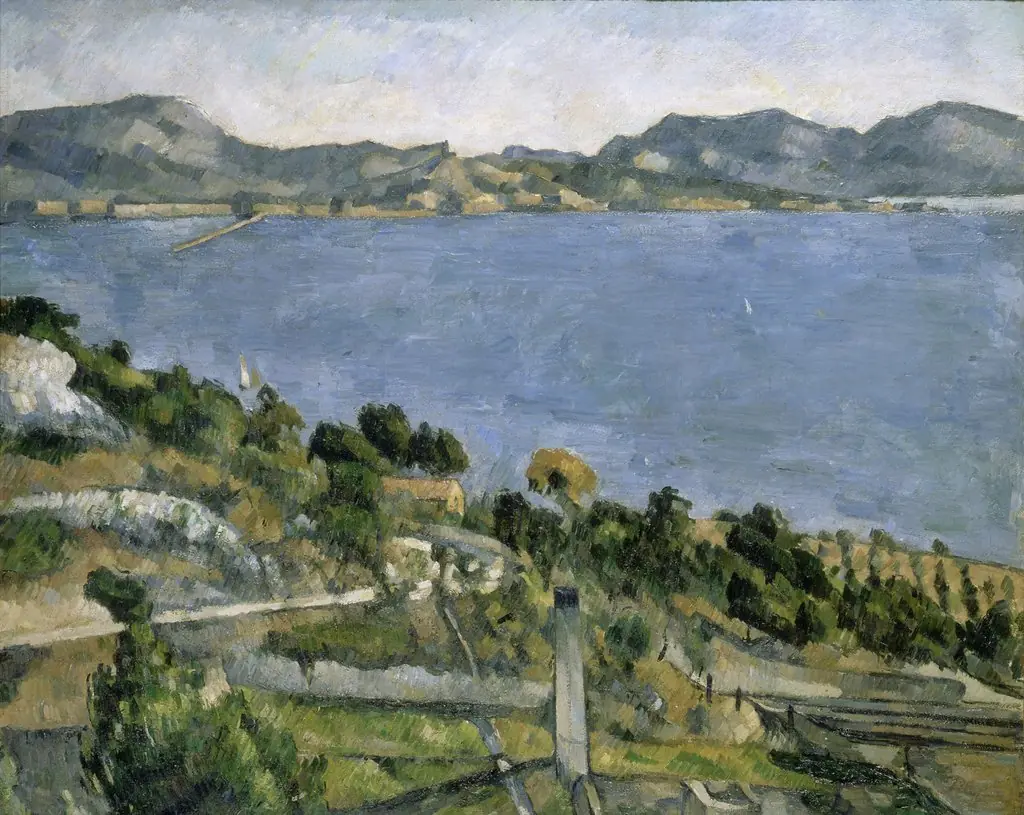 Le Golfe de Marseille vu de l'Estaque (The Gulf of Marseille Seen from L'Estaque)
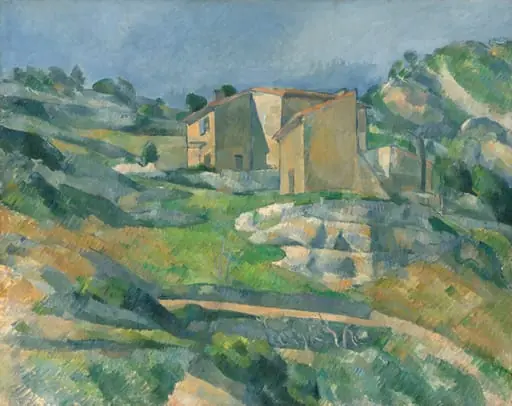 Houses in Provence: The Riaux Valley near L'Estaque
 Louis Guillaume
 Still Life with Jar, Cup, and Apples
 Man Bending Forward
 Study of an Angel in Rubens' "The Prophet Elijah"
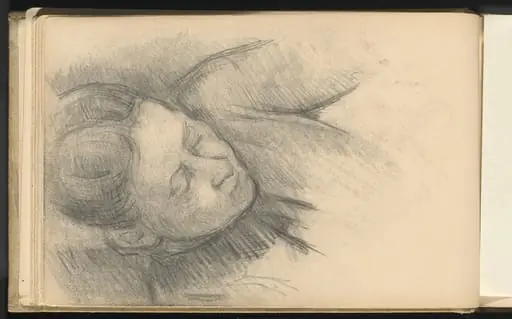 Woman Leaning Forward
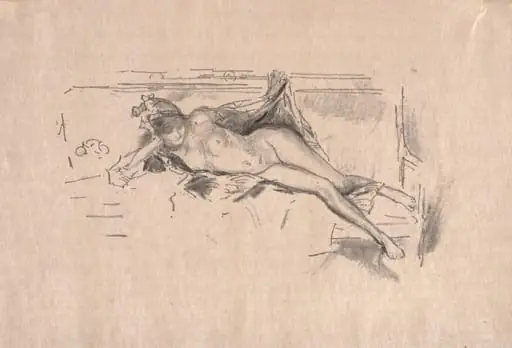 Nude Model Reclining
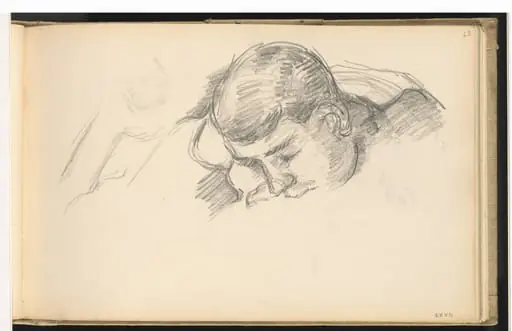 The Artist's Son Reading
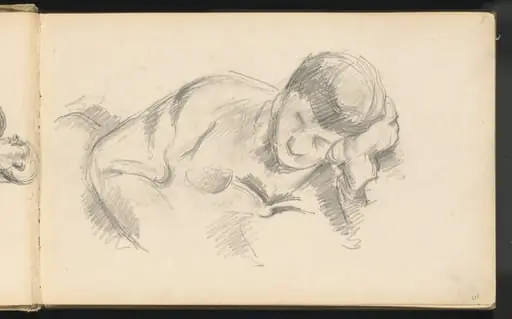 The Artist's Son Leaning on his Elbow
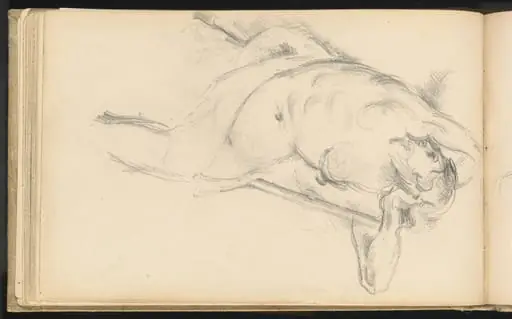 Study of the Allegorical Figure Bellona in Rubens' "The Apotheosis of Henri IV"
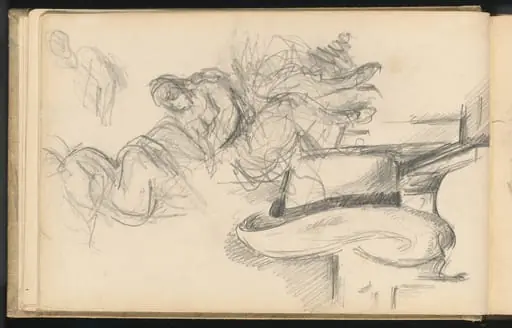 Studies Including a Straw Hat
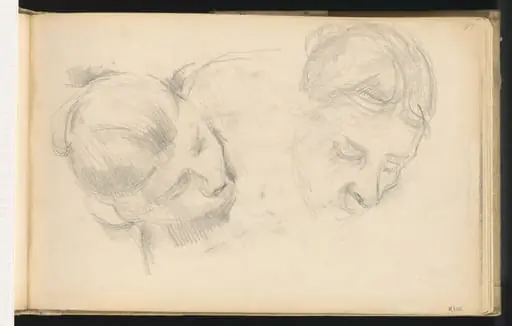 Two Heads of Women
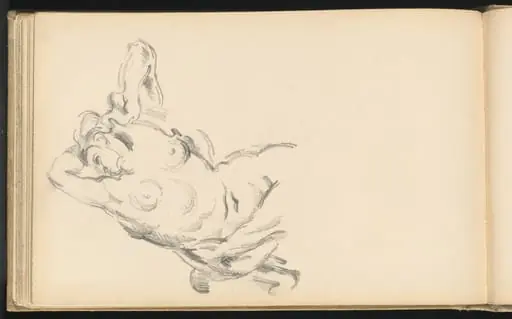 Study of the Allegorical Figure Bellona in Rubens' "The Apotheosis of Henri IV"
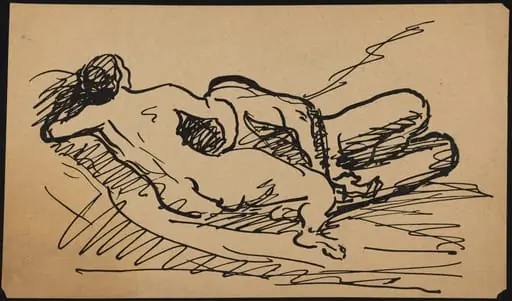 Reclining Nude
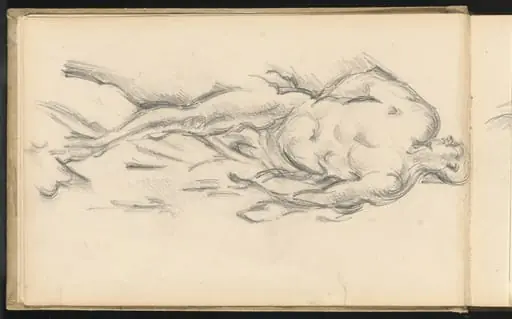 Study of Puget's "Milo of Crotona"