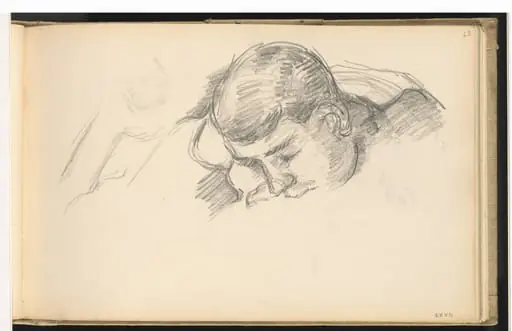
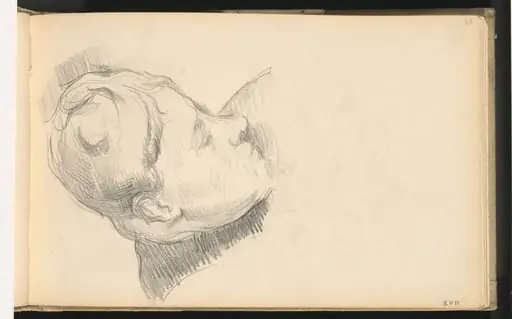
Artwork
Two Heads
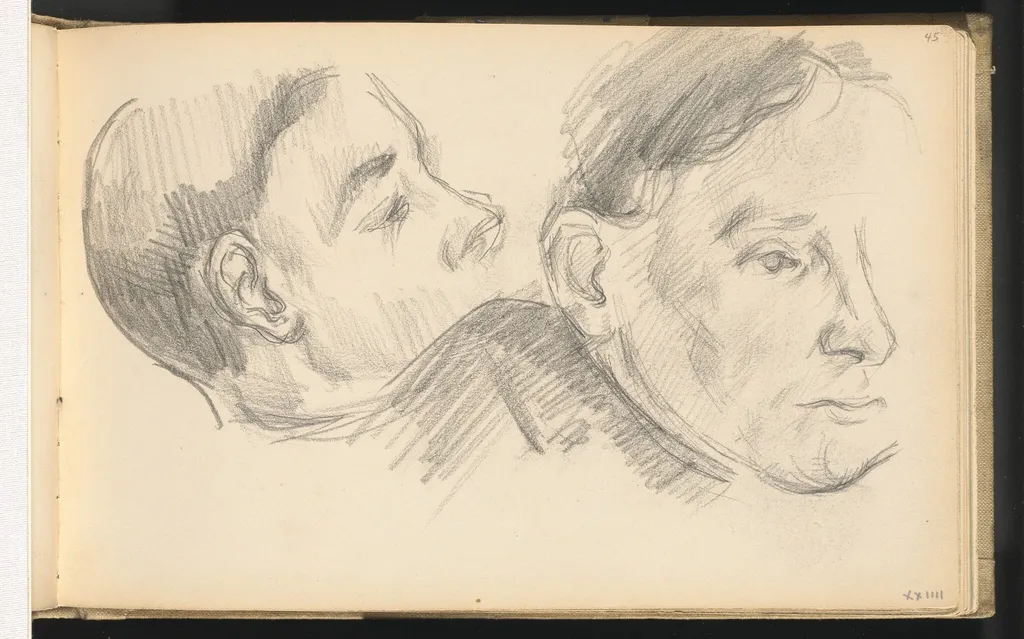
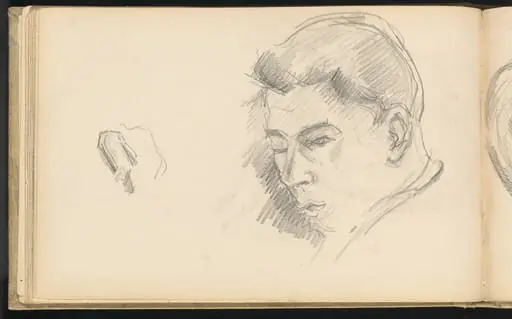
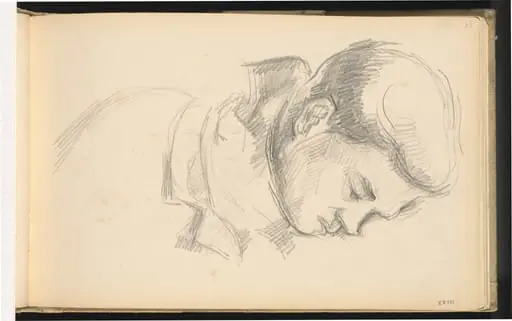
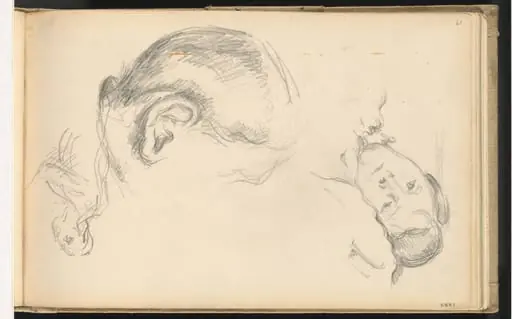
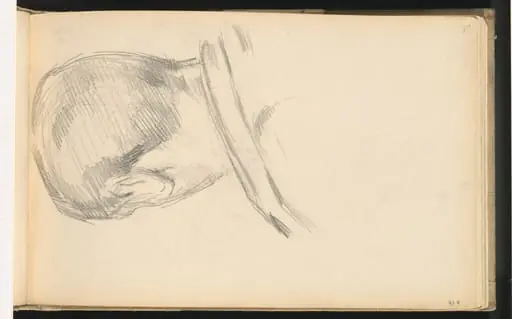
Two Heads is a graphite drawing by the Impressionist artist Paul Cezanne. It dates from 1893 and is held in the collection of the National Gallery of Art.
About this work
Overview
Paul Cézanne’s drawing titled Two Heads, executed in 1893, is a graphite study on wove paper. The work presents two distinct facial studies rendered with swift, gestural lines that convey a sense of immediacy rather than finished composition.
Subject & Meaning
The composition juxtaposes a profile view of a head wearing a low‑set cap with a slightly turned, three‑quarter view of another face. The contrast between the sharply defined jawline and the softer shading around the eyes and nose suggests an exploration of differing facial forms and light effects.
Technique & Style
Cézanne employed varied graphite strokes, ranging from light hatching to dense, dark marks, allowing tonal modulation across the paper’s warm, yellowish hue. The lines remain deliberately rough and unfinished, characteristic of the artist’s practice sketches that prioritize structural observation over polished finish.
History & Provenance
Created during the later phase of Cézanne’s career, Two Heads reflects his ongoing investigations into form and volume. The drawing has remained within private collections before entering its current institutional holding, where it is displayed as an example of his preparatory work.
Artist & collection
Artist
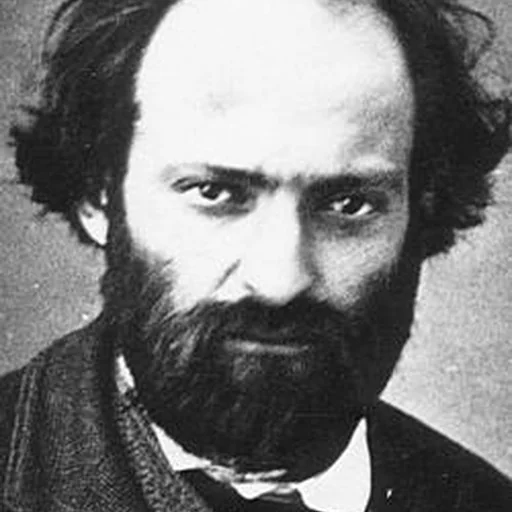
Paul Cézanne was born on January 19, 1839, in Aix-en-Provence, the son of a hatter turned wealthy banker.

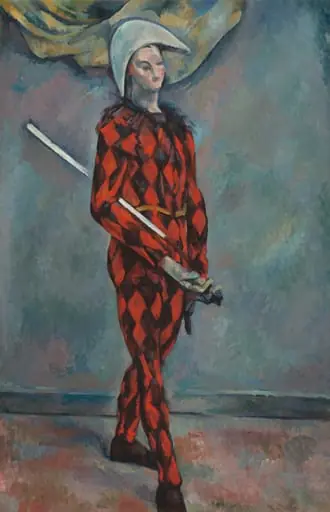 Harlequin
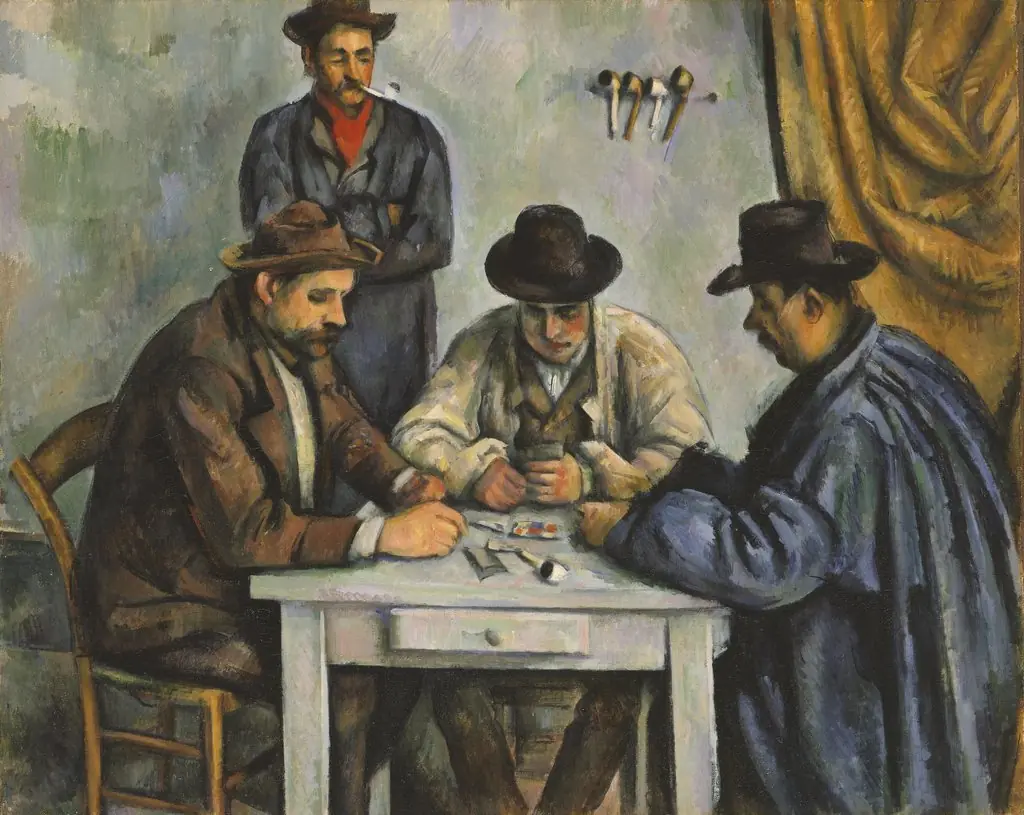 The Card Players
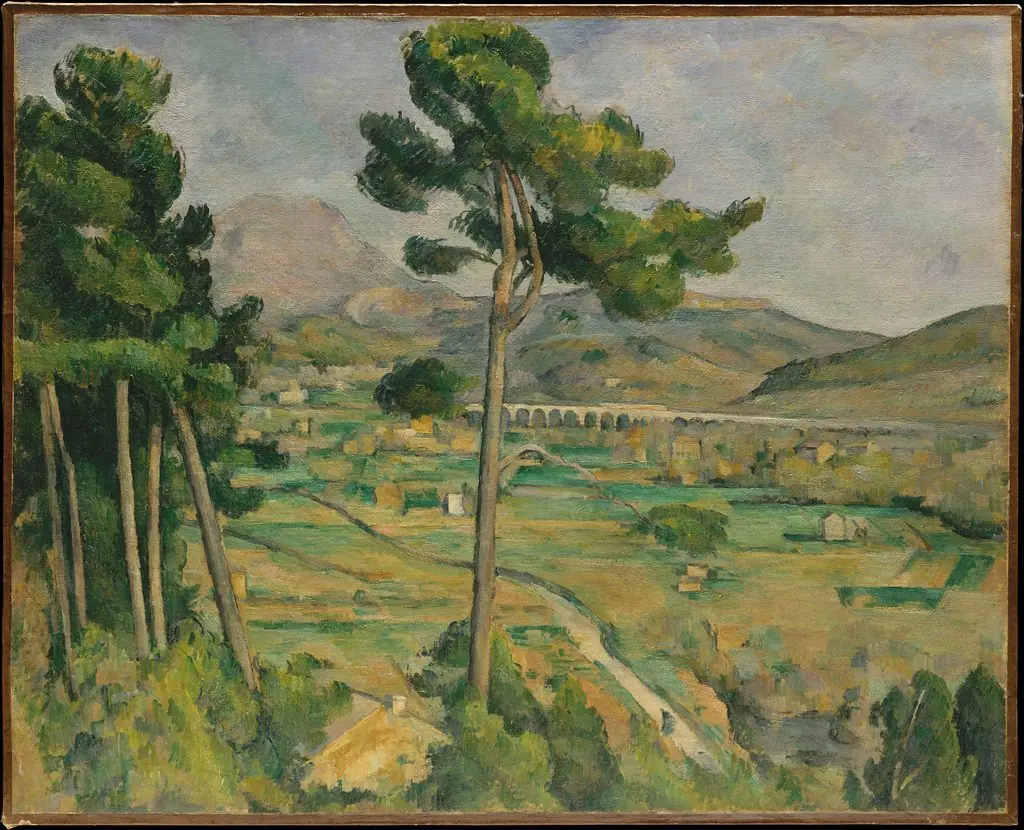 Mont Sainte-Victoire and the Viaduct of the Arc River Valley
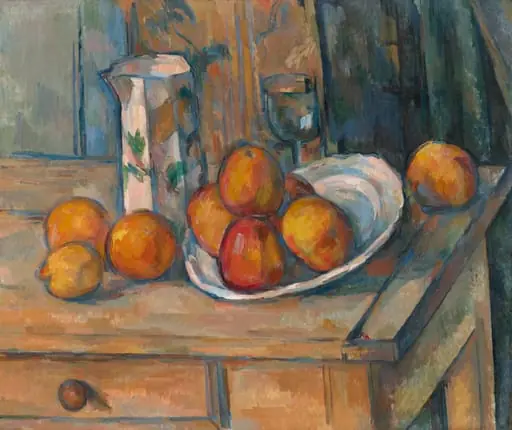 Still Life with Milk Jug and Fruit
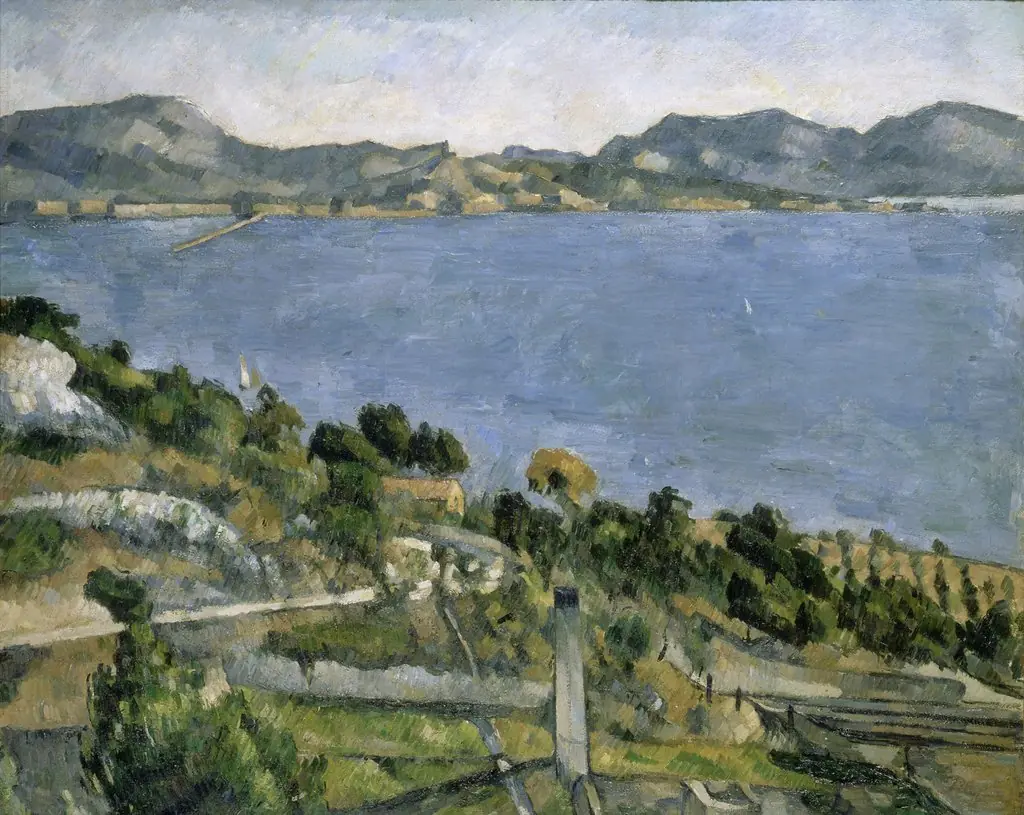 Le Golfe de Marseille vu de l'Estaque (The Gulf of Marseille Seen from L'Estaque)
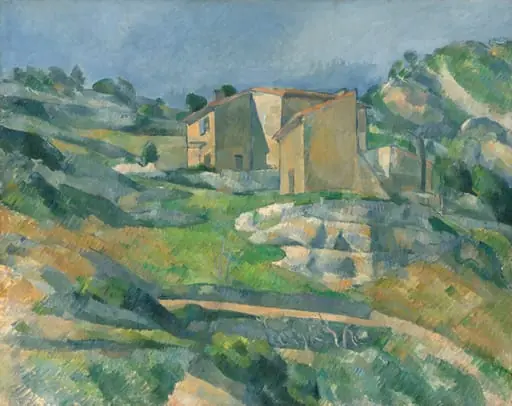 Houses in Provence: The Riaux Valley near L'Estaque
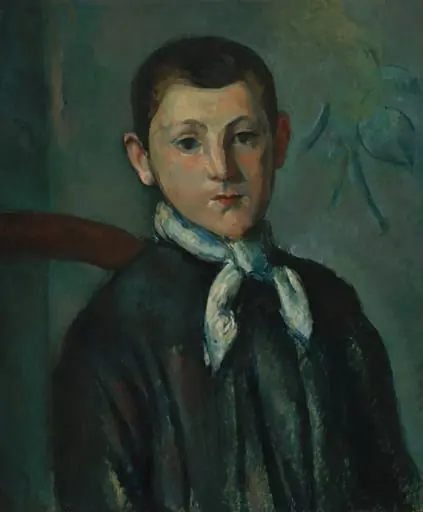 Louis Guillaume
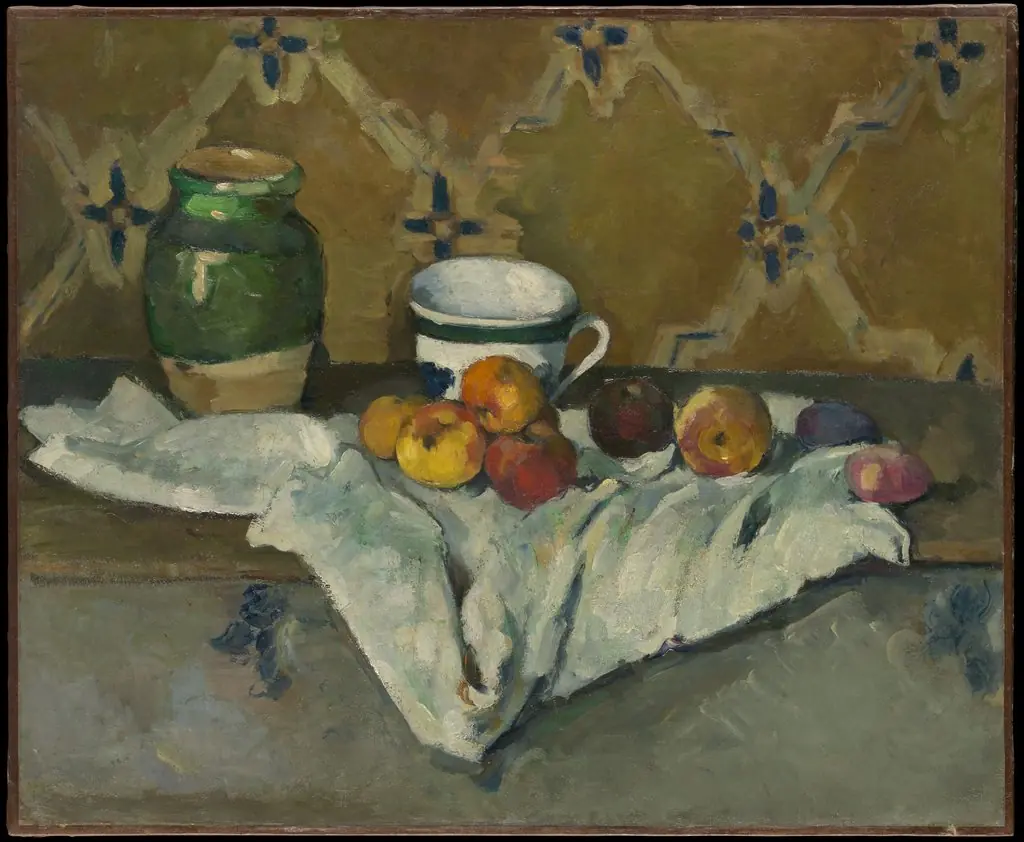 Still Life with Jar, Cup, and Apples