Artwork
Head of a Boy
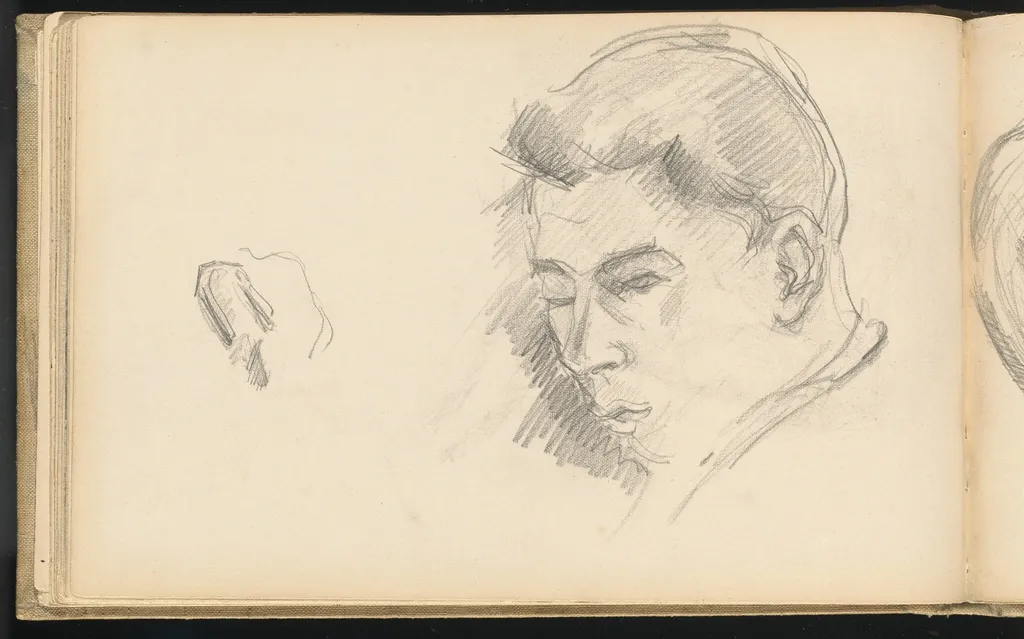
Head of a Boy is a graphite drawing by the Impressionist artist Paul Cezanne. It dates from 1888 and is held in the collection of the National Gallery of Art.
About this work
Overview
Paul Cézanne’s drawing entitled *Head of a Boy* dates from 1888. Executed in graphite on wove paper, the work measures a modest size and presents a single figure rendered in a quick, gestural manner. The paper shows signs of age, with a yellowed edge and a fold, indicating its long residence in a collection or studio.
Subject & Meaning
The composition captures a young male sitter in profile, his short hair and gently defined jaw suggesting a blend of vigor and tenderness. A hand, positioned near the face, grasps a small, indeterminate object that may be a stick or a tool, hinting at a moment of everyday activity rather than a formal portrait.
Technique & Style
Cézanne employs loose, fluid pencil strokes to model light and shadow, leaving portions of the surface—such as the ear—unfilled. This selective omission emphasizes tonal contrast and conveys a sense of immediacy, characteristic of a study intended to record visual impressions rather than produce a polished finished piece.
History & Provenance
Created during the late 1880s, a period when Cézanne was refining his approach to form and volume, the drawing likely served as a preparatory sketch for a larger work or as an exercise in portraiture. Its current whereabouts are not specified, but the paper’s condition suggests it has been preserved for over a century, possibly within a private collection or museum archive.
Artist & collection
Artist
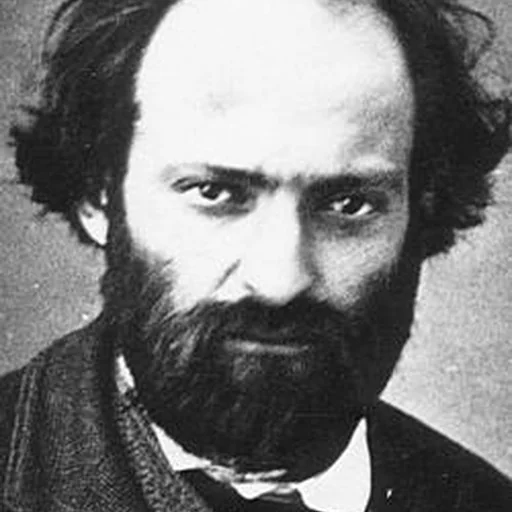
Paul Cézanne was born on January 19, 1839, in Aix-en-Provence, the son of a hatter turned wealthy banker.

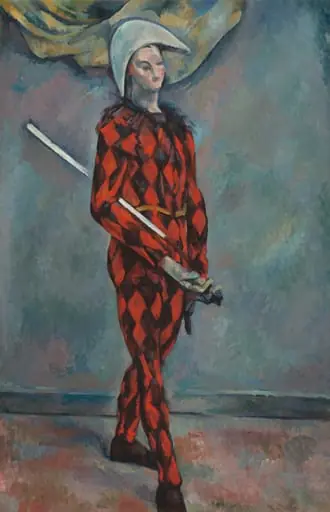 Harlequin
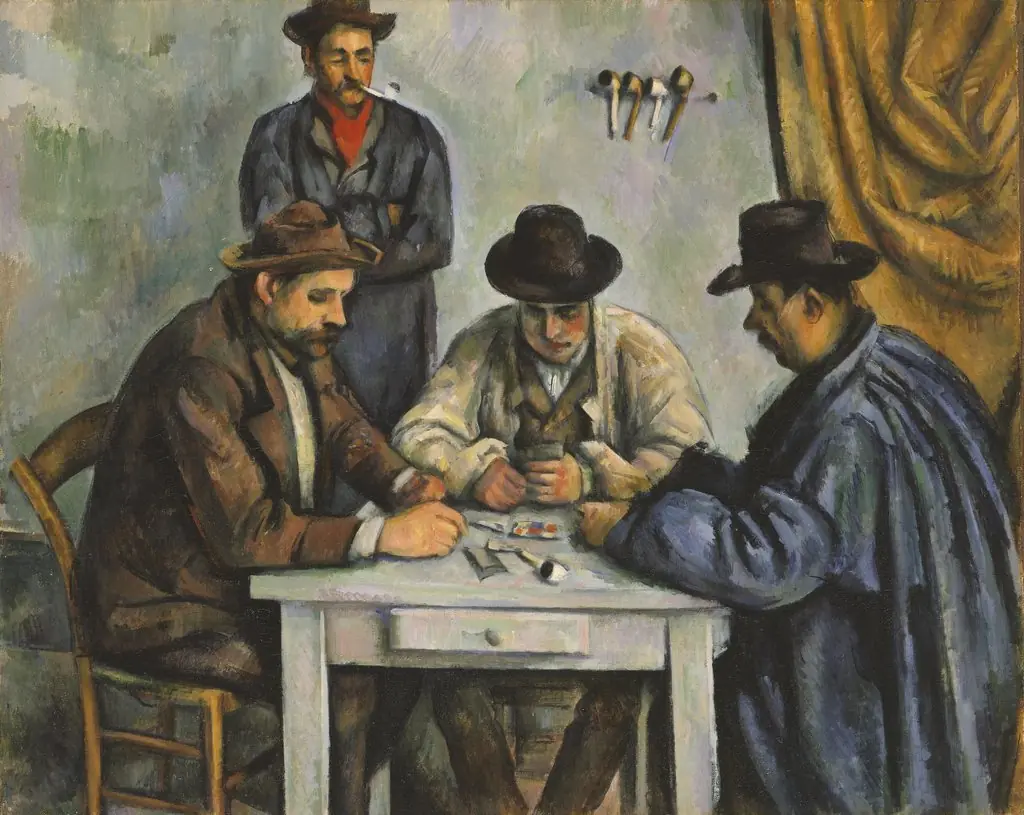 The Card Players
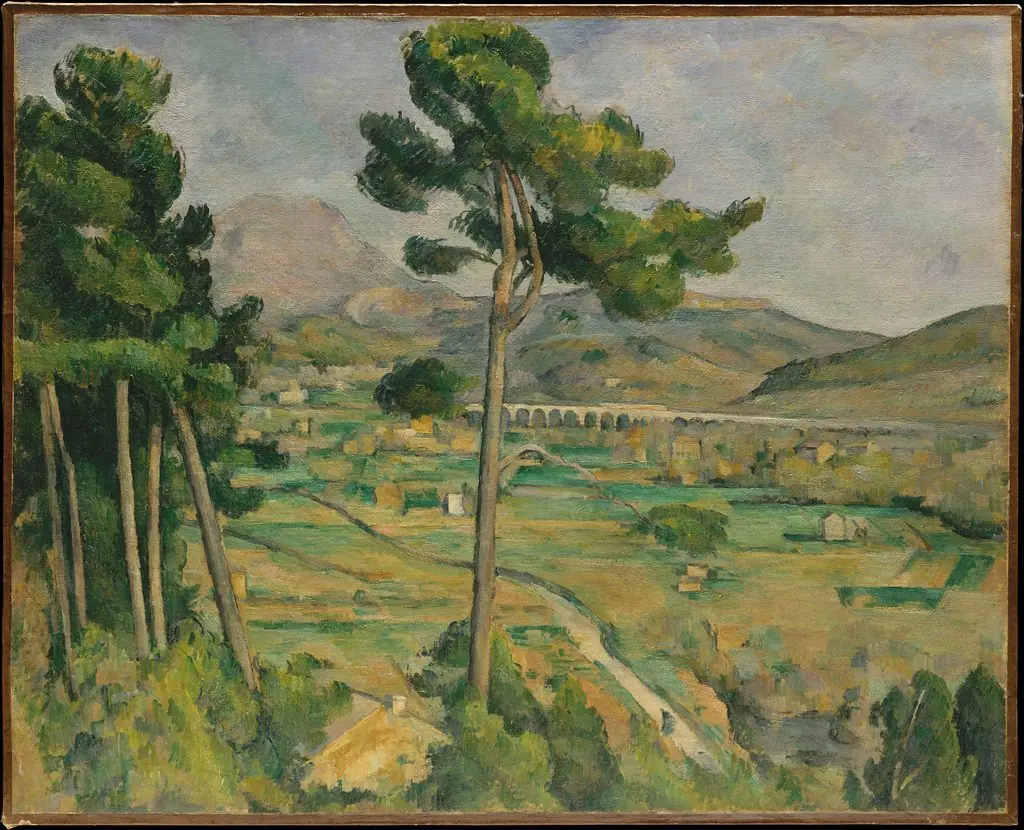 Mont Sainte-Victoire and the Viaduct of the Arc River Valley
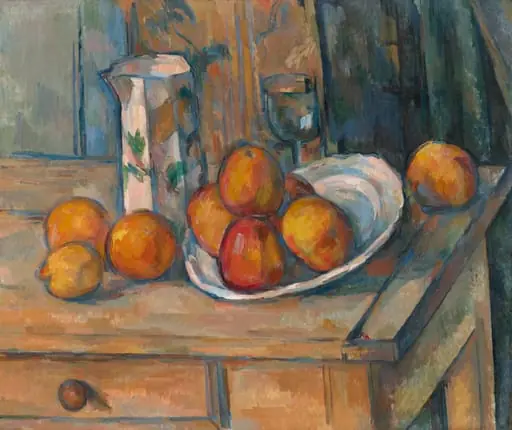 Still Life with Milk Jug and Fruit
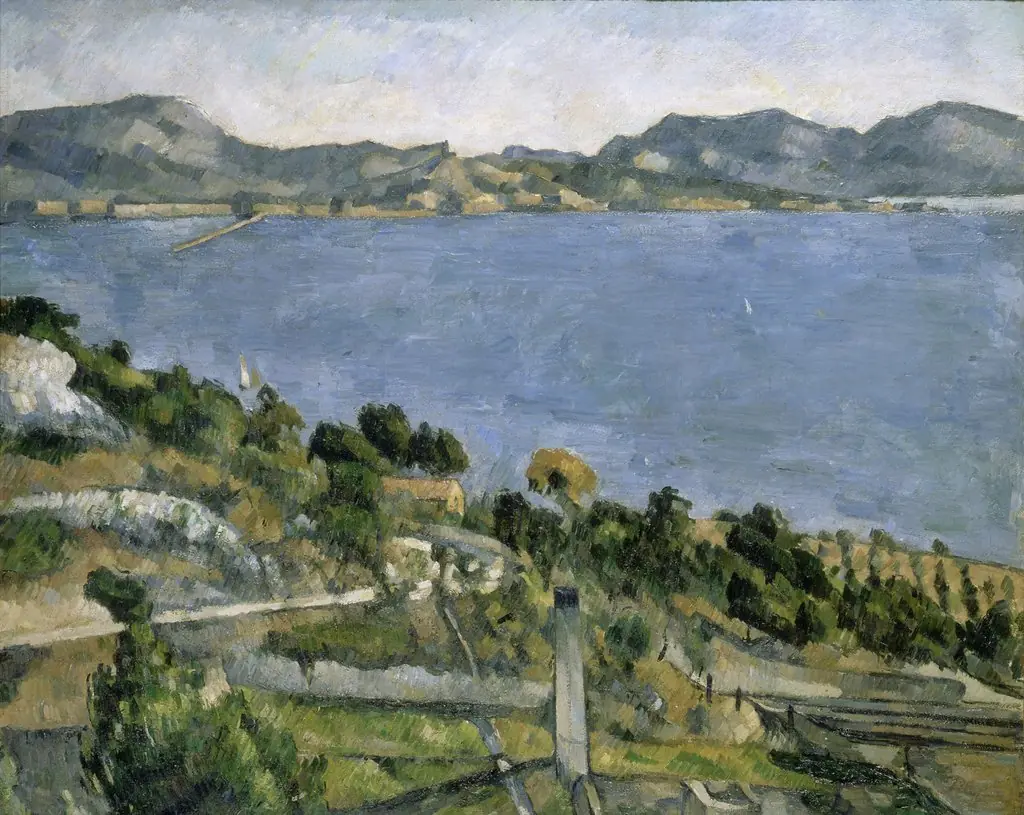 Le Golfe de Marseille vu de l'Estaque (The Gulf of Marseille Seen from L'Estaque)
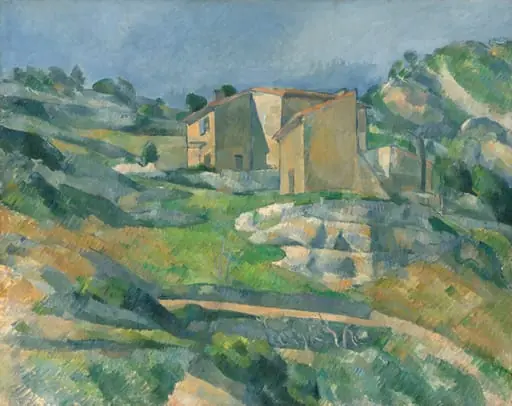 Houses in Provence: The Riaux Valley near L'Estaque
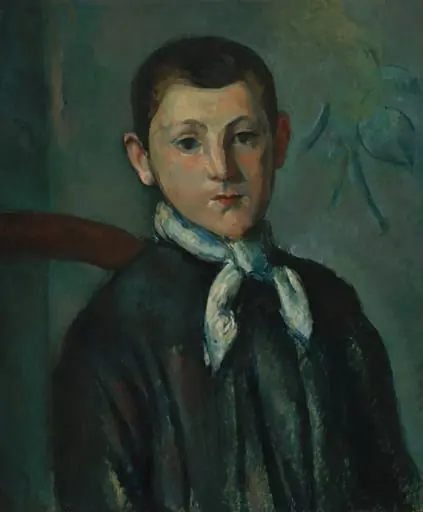 Louis Guillaume
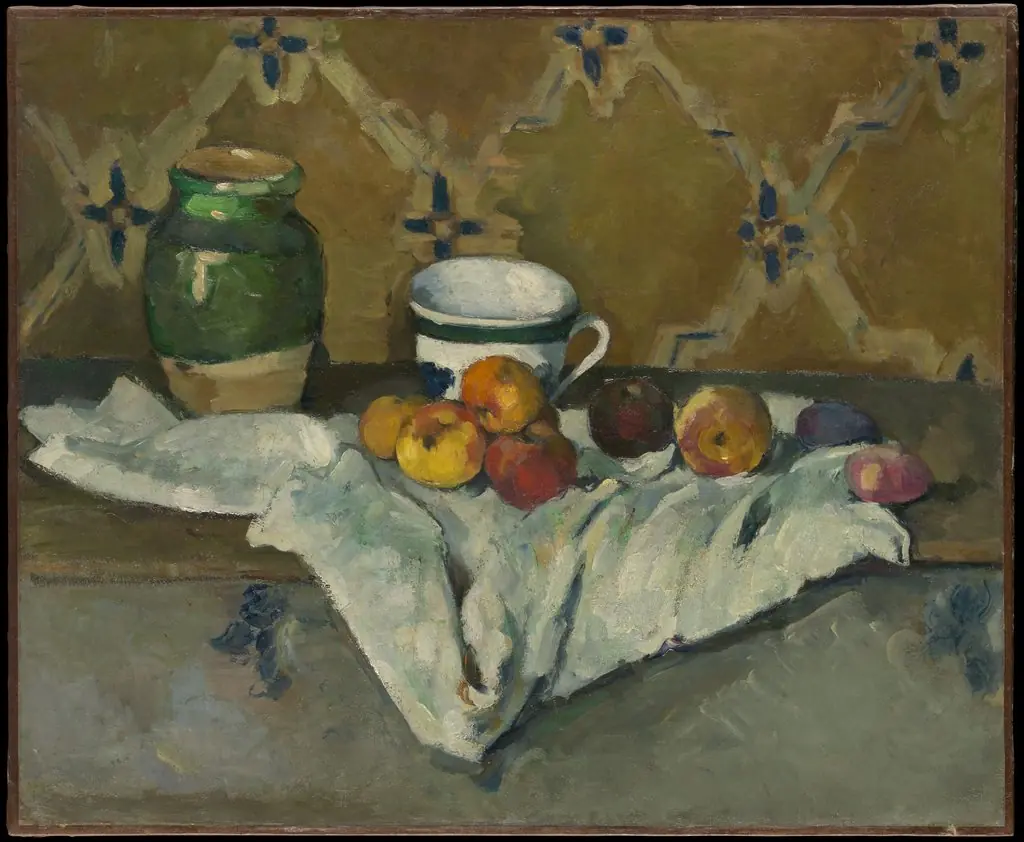 Still Life with Jar, Cup, and Apples
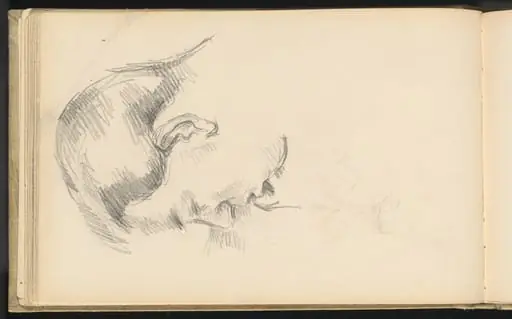 Head of the Artist's Son
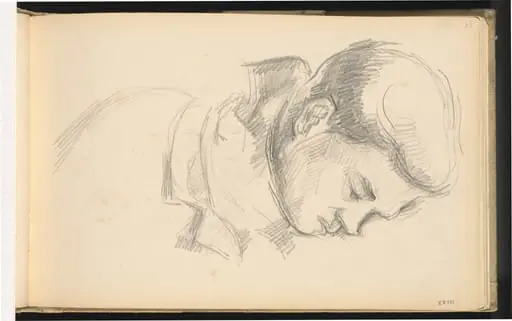 The Artist's Son
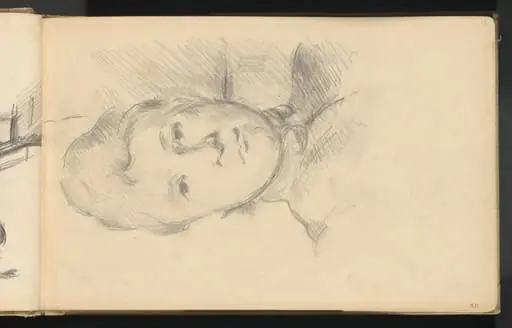 Madame Cezanne
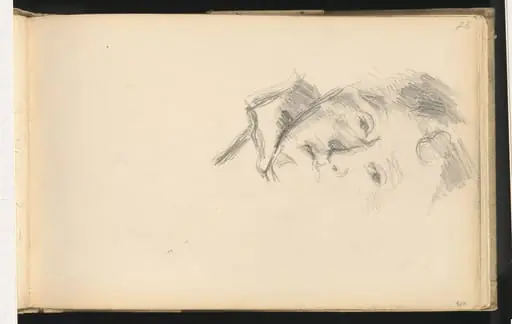 Madame Cezanne
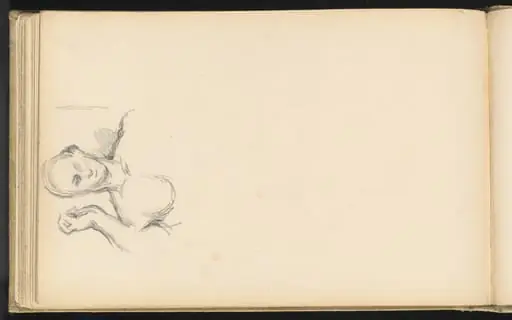 Study of "The Roman Orator (Germanicus)"
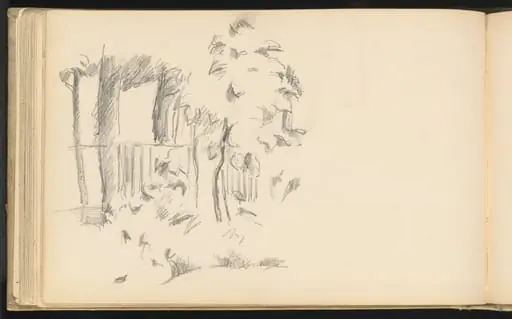 Near the Pool at Jas de Bouffan
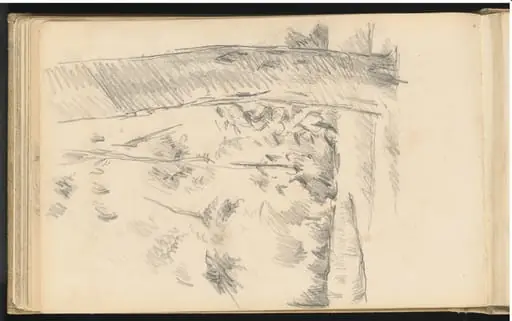 Trees and Shrubs
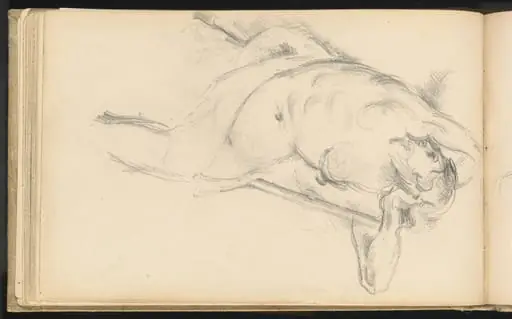 Study of the Allegorical Figure Bellona in Rubens' "The Apotheosis of Henri IV"
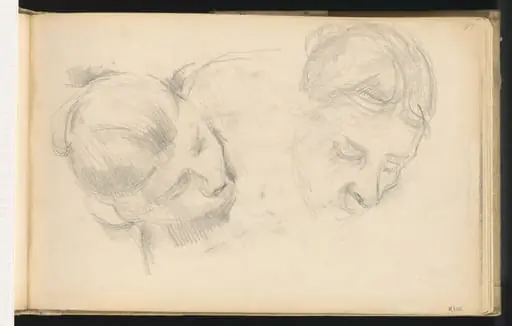 Two Heads of Women
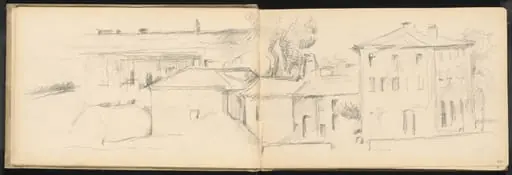 Landscape Near Aix-en-Provence
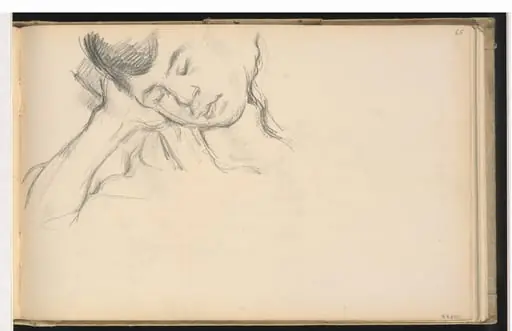 Figure Resting Head on Hand