Artwork
Putti with a Medallion
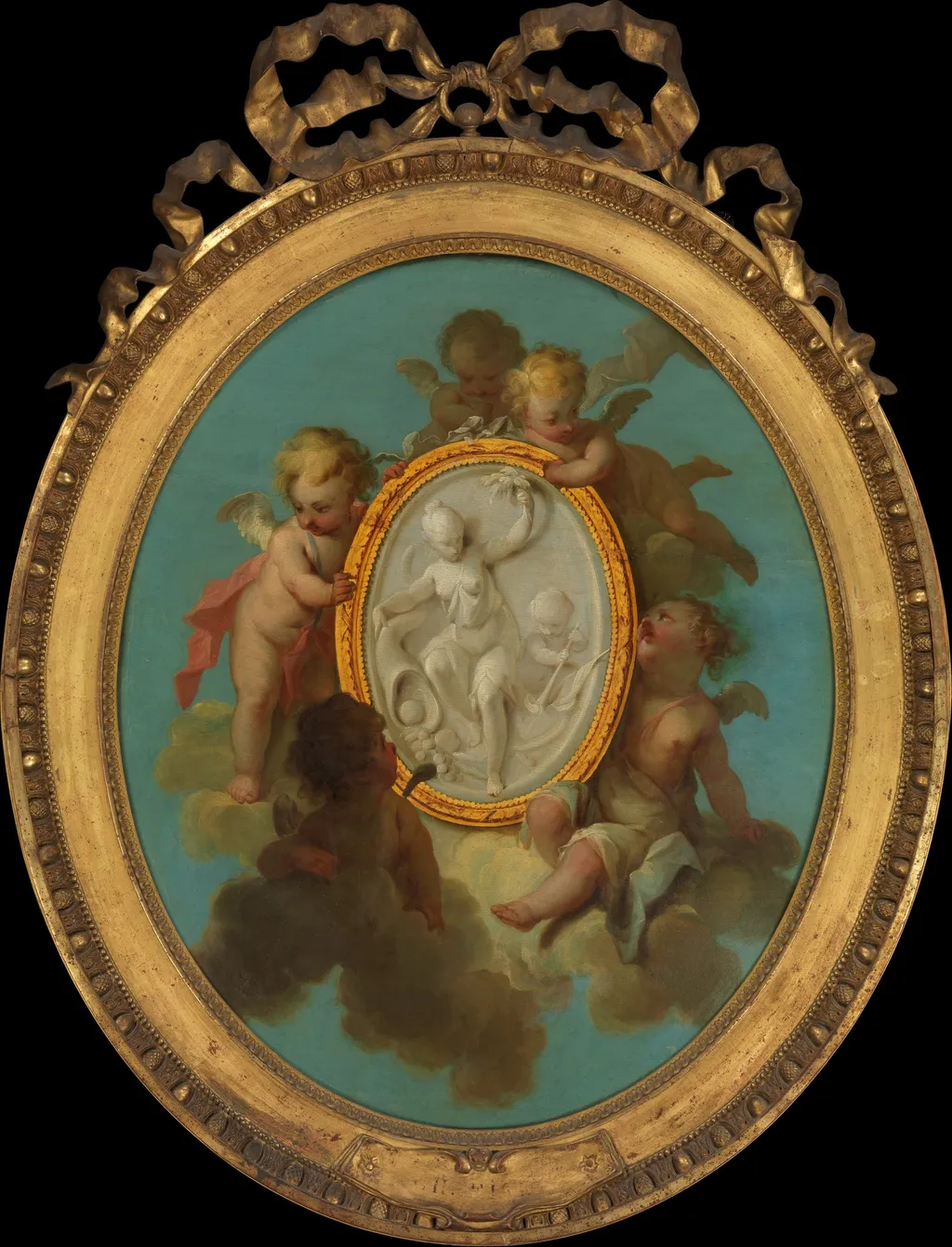
Putti with a Medallion is a wood painting by the Rococo painting artist Charles Dominique Joseph Eisen. It dates from 1759 and is held in the collection of the Metropolitan Museum of Art.
About this work
To learn more about the artist who created this work, look up Charles Dominique Joseph Eisen (French, 1720–1778).
This painting features a medallion at its center, surrounded by a gold frame. The medallion depicts a woman and a baby, with the woman holding a bow and arrow.
The medallion is held up by a group of cherubs, who are gathered around it. The background of the painting is a light blue color, with some clouds visible behind the cherubs.
The painting's use of color and composition creates a sense of depth and dimensionality. To learn more about the artist who created this work, look up Charles Dominique Joseph Eisen (French, 1720–1778).
Overview
This artwork, titled Putti with a Medallion, was created by the French artist Charles Dominique Joseph Eisen in 1759. Executed as a painting on wood, the composition centers on a decorative medallion held aloft by several putti, or cherubic figures. The piece is part of the collection at The Metropolitan Museum of Art, offering a glimpse into 18th-century decorative artistic trends.
Subject & Meaning
The painting's central element is a framed medallion, which portrays a woman holding a bow and arrow alongside a child. This central image is supported by a gathering of winged putti, who appear to present it. The figures are set against a luminous light blue sky punctuated by soft clouds, creating an ethereal backdrop for the allegorical or mythological scene within the medallion.
Technique & Style
Eisen's approach to Putti with a Medallion demonstrates a skillful handling of paint on its wooden support. The artist employs a considered use of color and compositional arrangement to imbue the scene with a notable sense of depth. This technique allows the cherubic figures and the central medallion to emerge with a three-dimensional quality, enhancing the visual engagement of the viewer.
Artist & collection
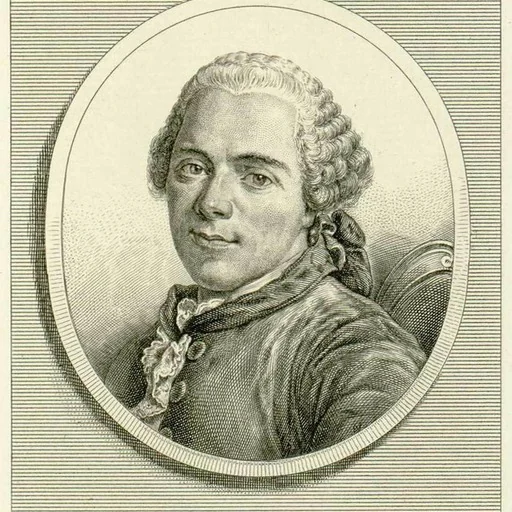
Artist
Charles Dominique Joseph Eisen
Charles Dominique Joseph Eisen (1720–1778) was a French artist, born in Valenciennes.
