Artwork
Landscape
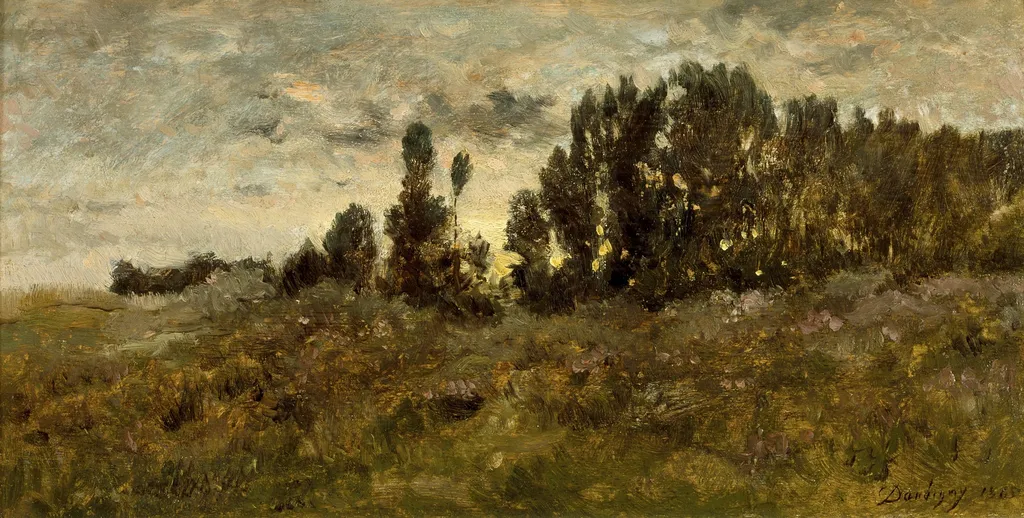
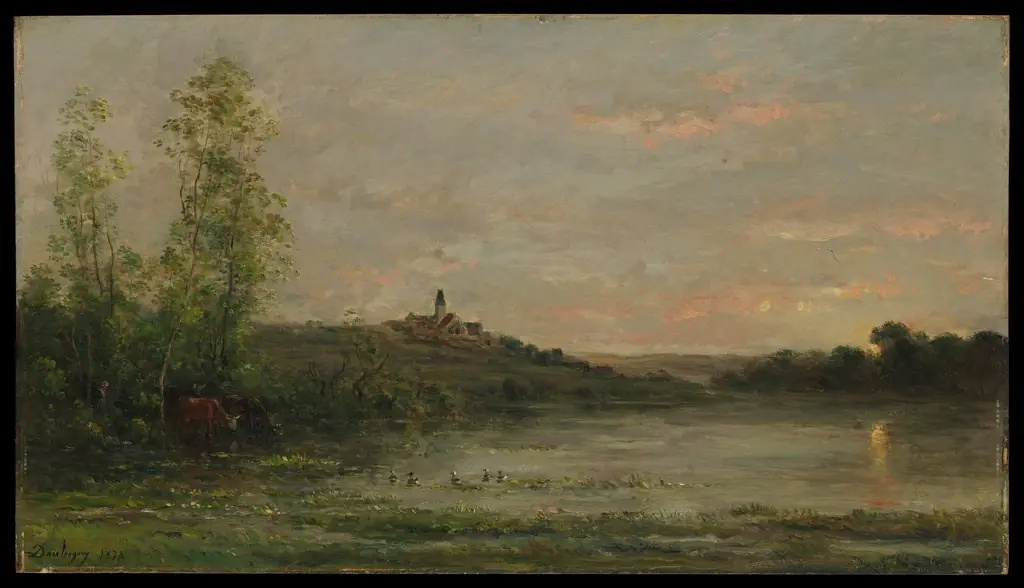
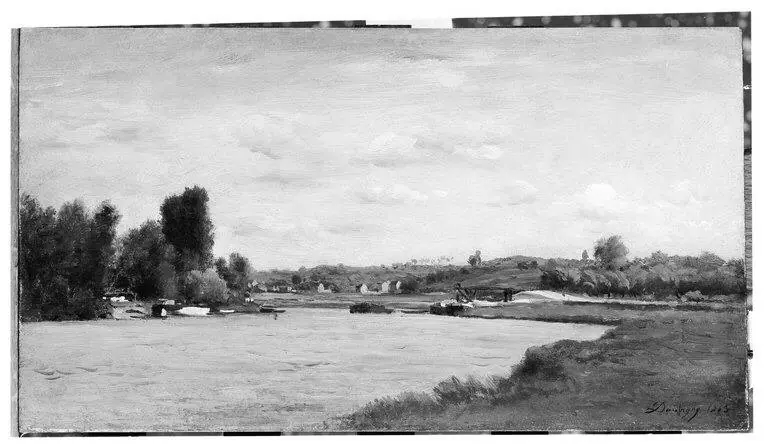
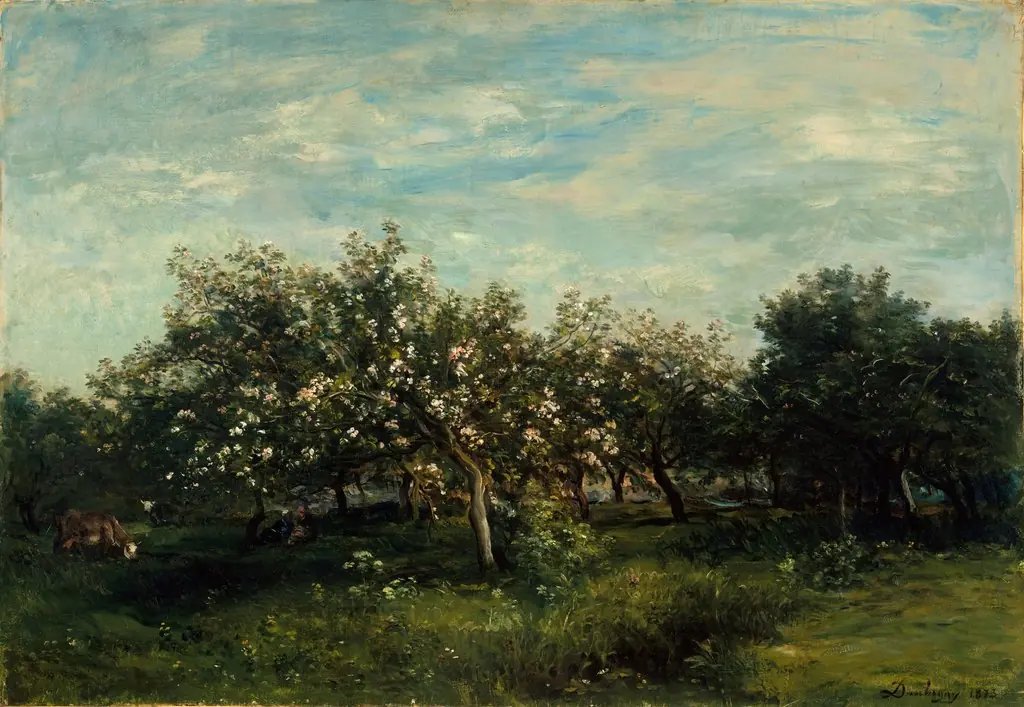
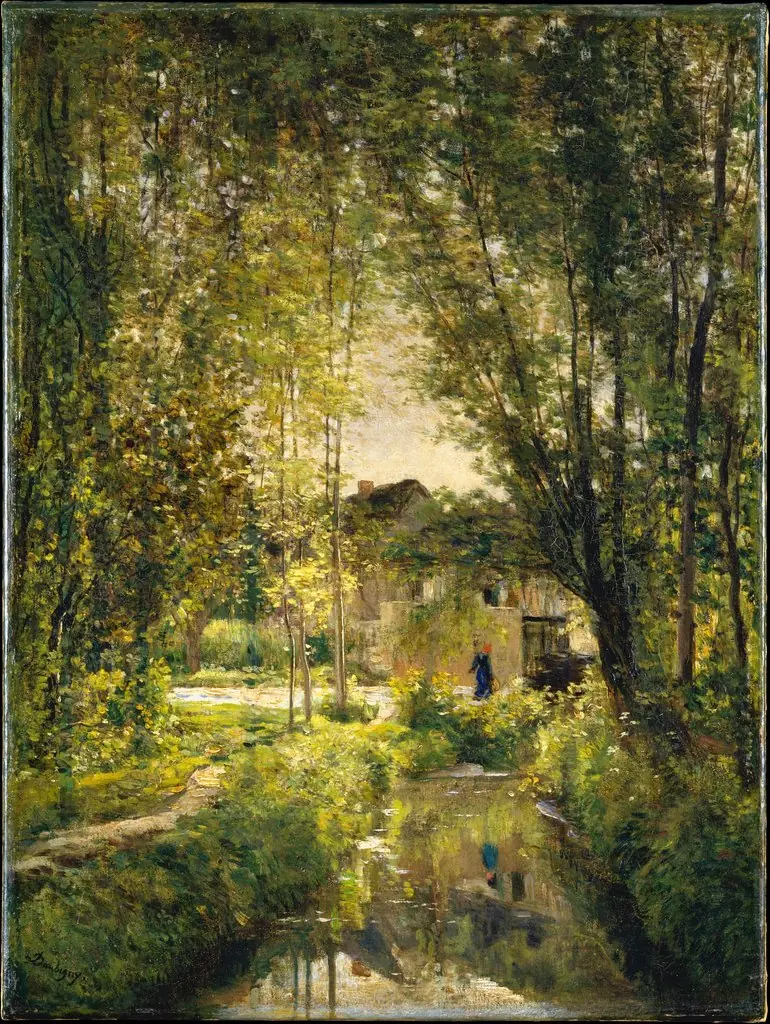
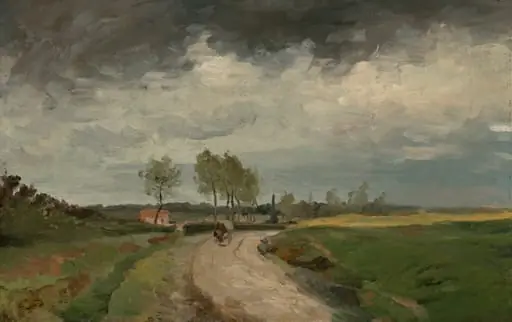
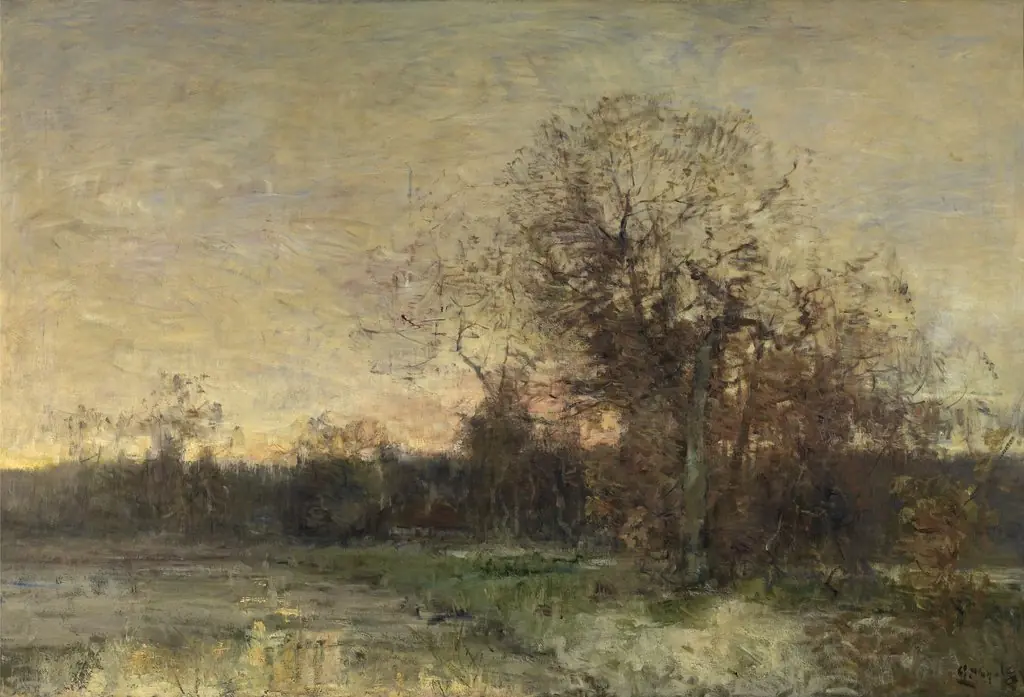
Landscape is an oil painting by Charles François Daubigny. It dates from 1865 and is held in the collection of the Los Angeles County Museum of Art. Painted in 1865, this oil-on-canvas work by Charles-François Daubigny captures a quiet rural scene with minimal human presence.
About this work
Overview
Painted in 1865, this oil-on-canvas work by Charles-François Daubigny captures a quiet rural scene with minimal human presence.
Painted in 1865, this oil-on-canvas work by Charles-François Daubigny captures a quiet rural scene with minimal human presence. Executed in the tradition of the Barbizon school, it reflects a deliberate turn toward direct observation of nature. The painting is held in the collection of the Los Angeles County Museum of Art, where it exemplifies Daubigny’s commitment to landscape as a subject worthy of sustained attention.
Subject & Meaning
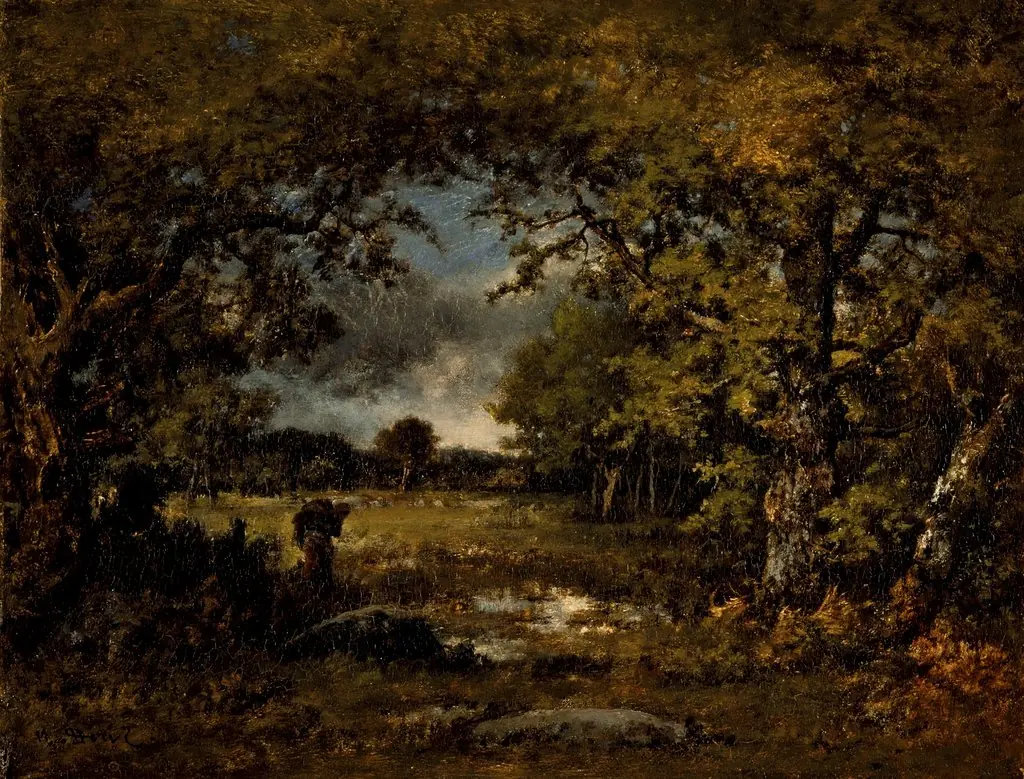
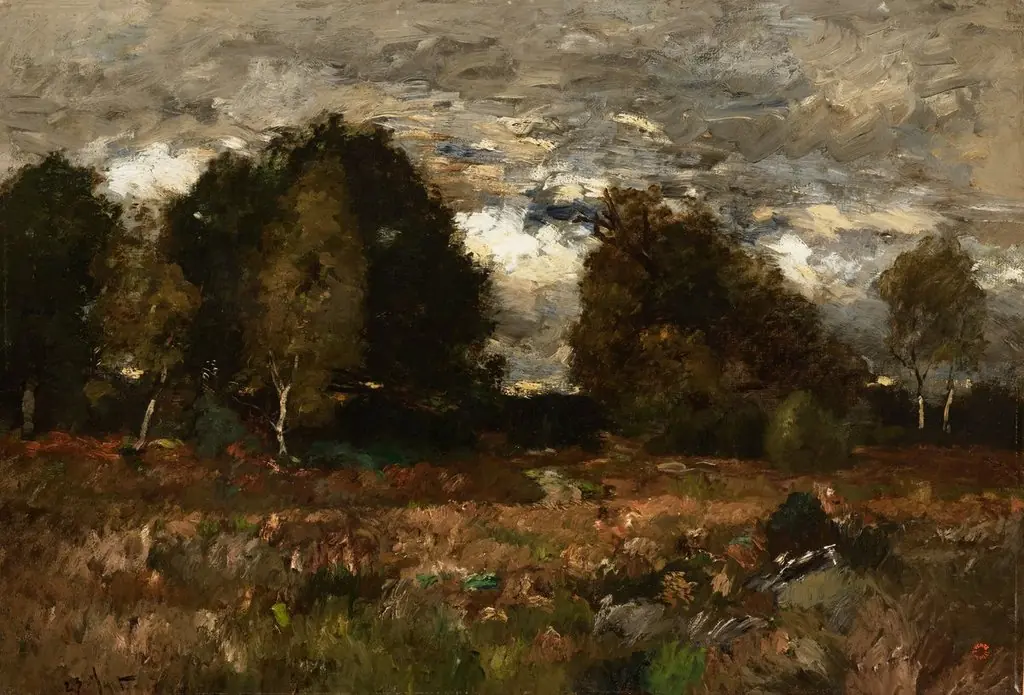
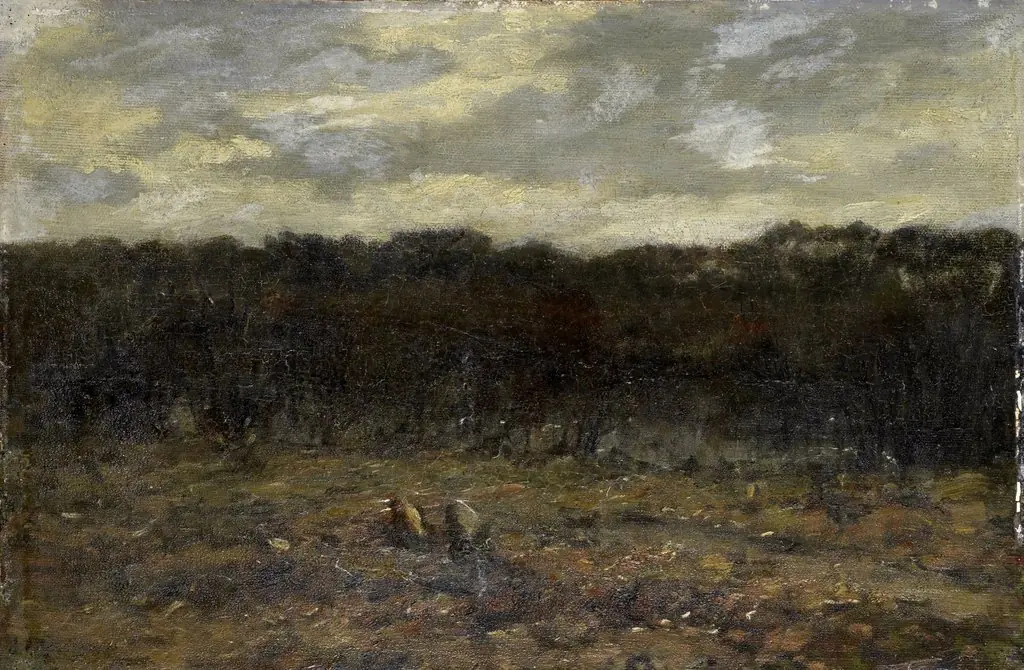
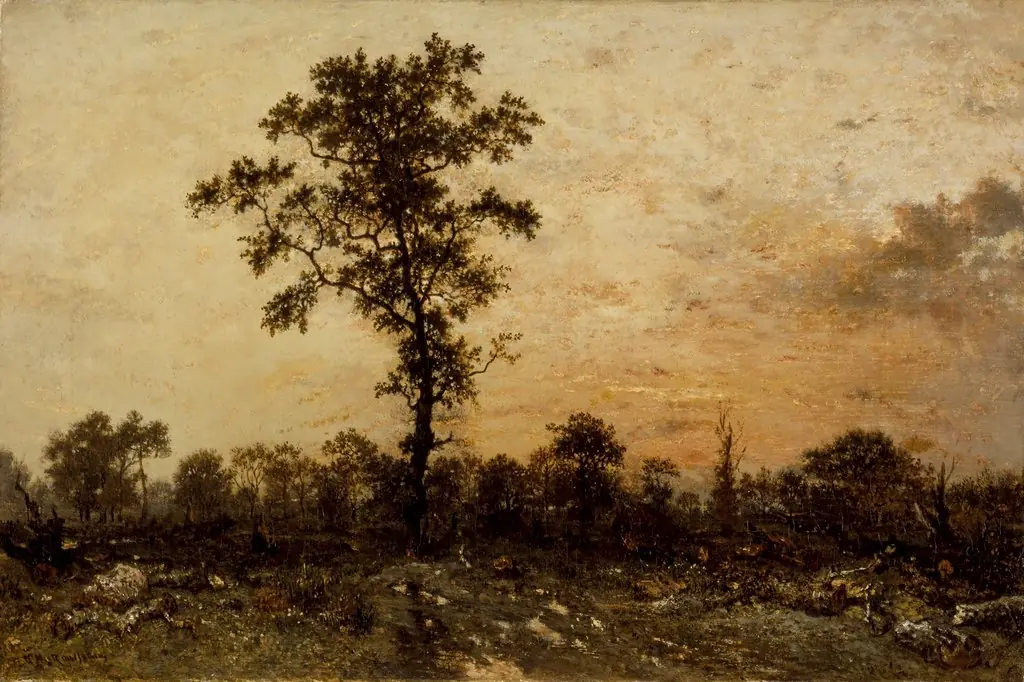
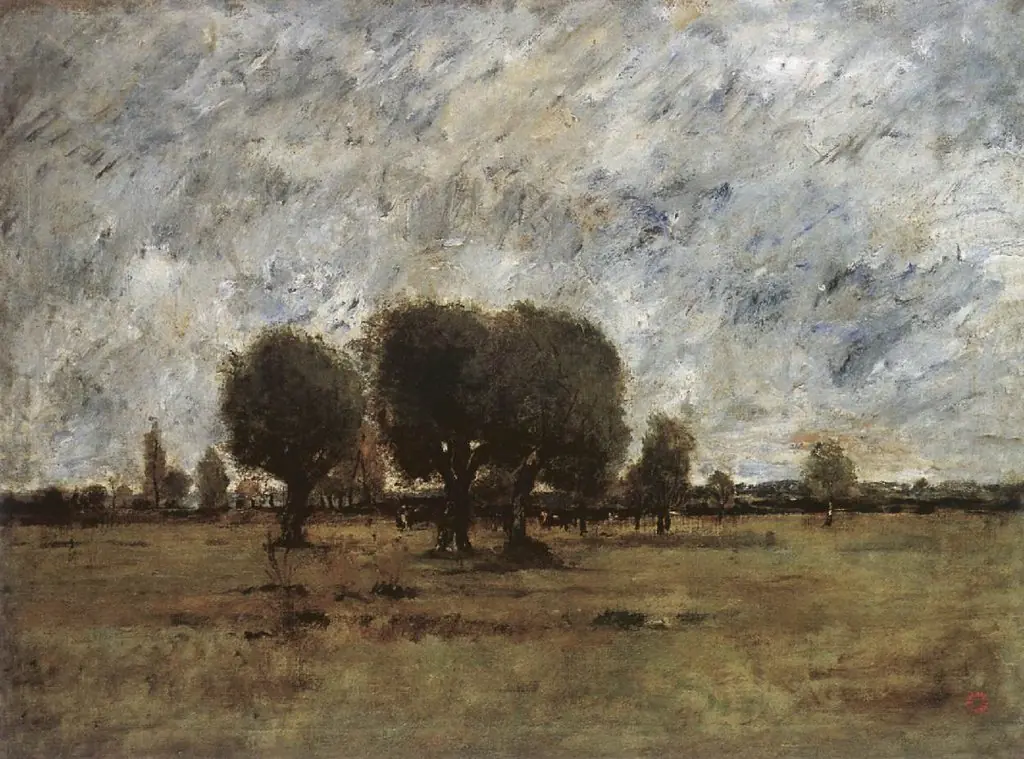
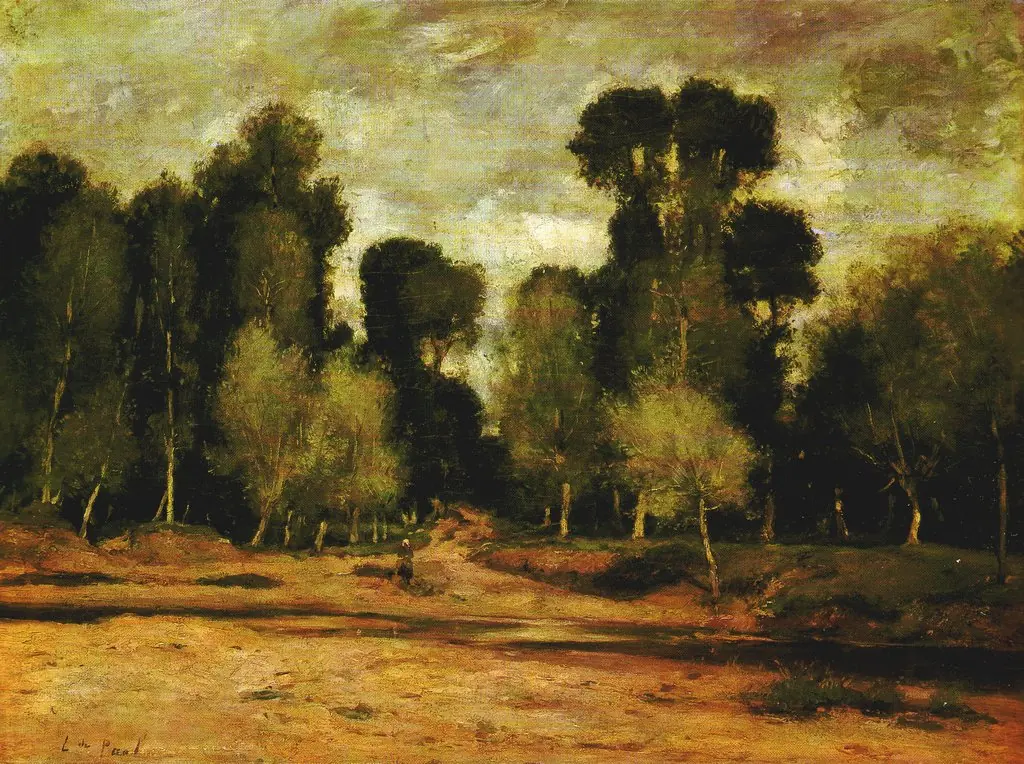
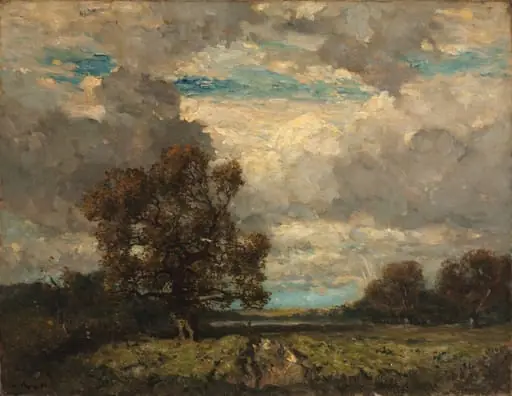
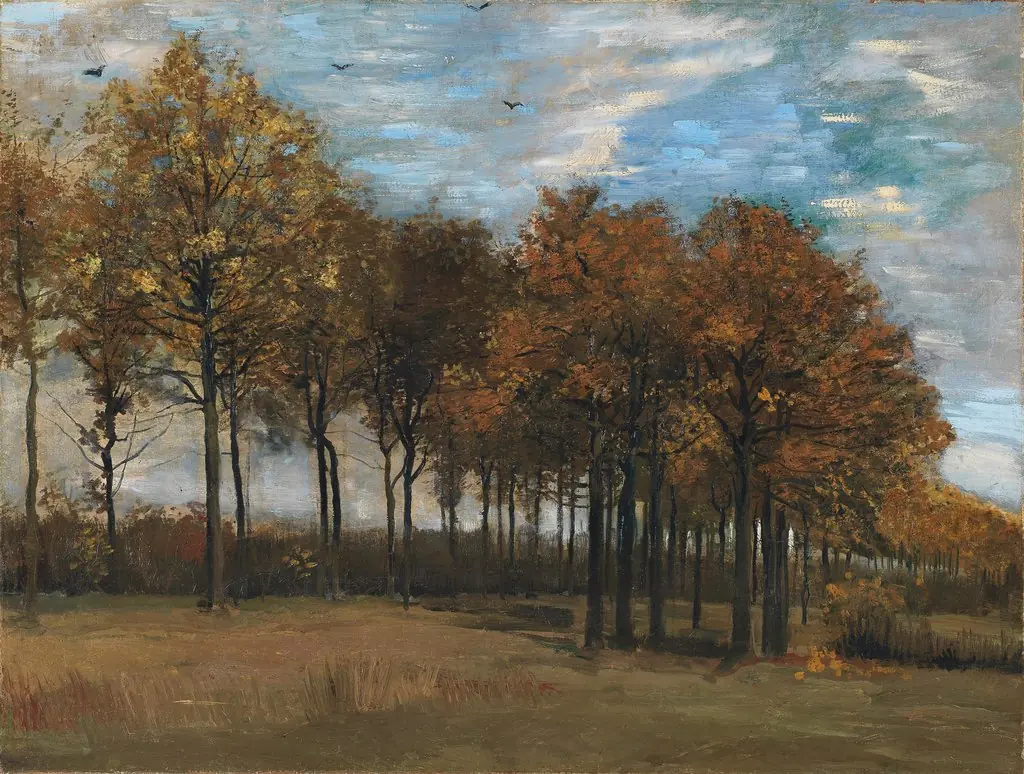
The composition centers on a solitary tree rising from a field of tall, unmanicured grasses, flanked by a group of distant trees beneath a diffuse, overcast sky. There is no narrative or symbolic gesture—only the quiet persistence of nature. The absence of figures or architectural elements emphasizes solitude and the rhythms of the natural world, aligning with mid-19th century ideals of rural authenticity.
Technique & Style
Daubigny employed loose, textured brushwork to suggest the movement of grass and the weight of clouds. His palette is restrained—dominated by muted greens, earthy browns, and cool grays—enhancing the painting’s subdued mood. Light is modeled through subtle tonal shifts rather than sharp contrasts, creating a sense of volume without theatricality. The surface retains visible brushstrokes, reinforcing the immediacy of the artist’s observation.
History & Provenance
Created during a period when Daubigny was increasingly focused on plein air painting, this work reflects his evolving approach to landscape. It entered the Los Angeles County Museum of Art’s collection in the 20th century, following a trajectory common to Barbizon works that gained recognition in American collections after the Civil War. Its provenance remains unremarkable, consistent with its status as a personal, observational study rather than a commissioned piece.
Context
In the 1860s, French artists were moving away from idealized historical or mythological subjects toward everyday natural environments. Daubigny, alongside peers like Millet and Corot, helped legitimize landscape as a serious genre. His practice of painting outdoors, often from a studio boat on the Seine, influenced later Impressionists. This work embodies that shift: unidealized, intimate, and rooted in direct experience.
Legacy
Though not among Daubigny’s most widely reproduced works, this painting exemplifies his role in bridging Barbizon realism and Impressionist practice. His emphasis on atmospheric effect, loose handling, and natural light paved the way for artists like Monet. The work’s quiet intensity continues to resonate as an early example of modern landscape painting grounded in observation rather than convention.
Artist & collection
Artist
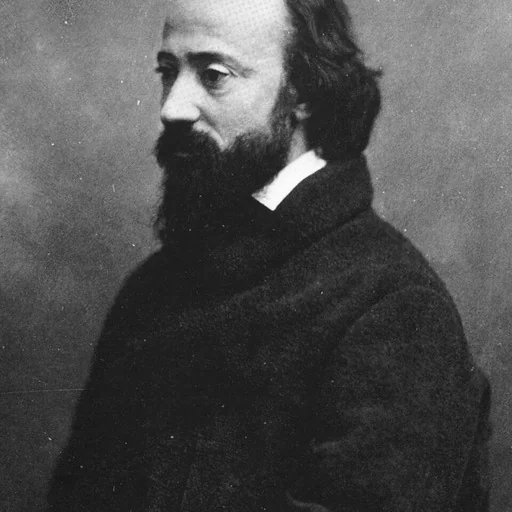
Charles-François Daubigny ( DOH-bin-yee, US: DOH-been-YEE, doh-BEEN-yee, French: ; 15 February 1817 – 19 February 1878) was a French painter, one of the members of the Barbizon school, and is considered an important precursor of…