Artwork
Landscape
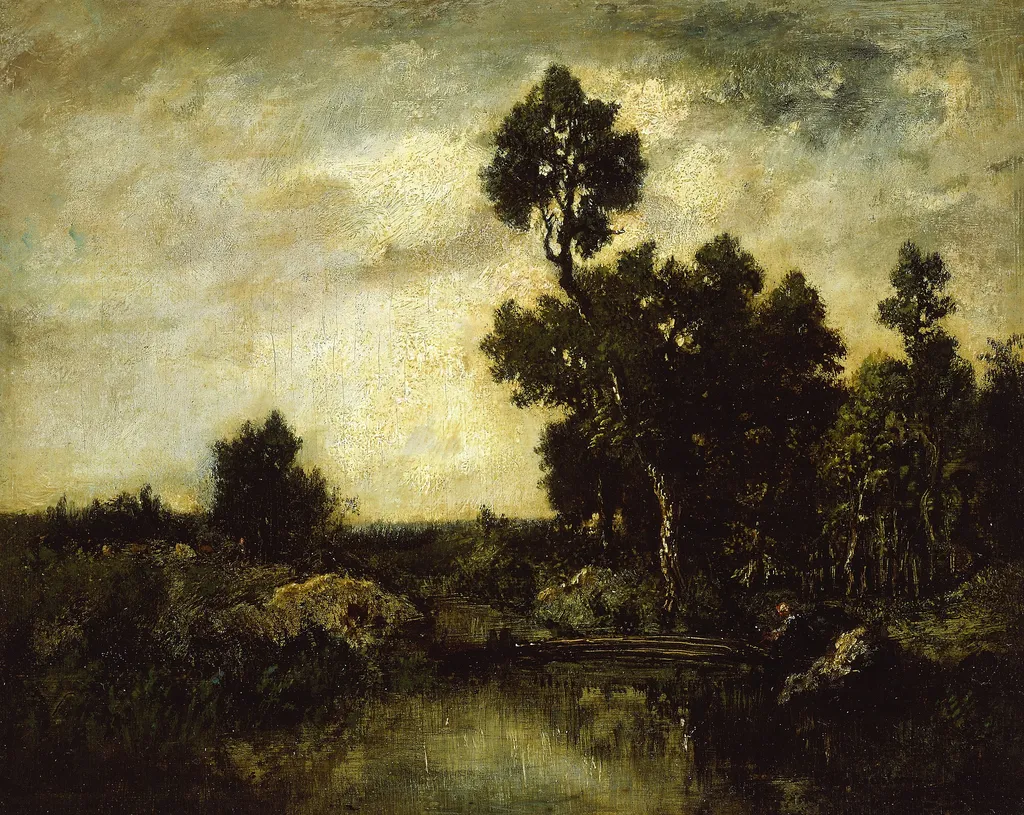
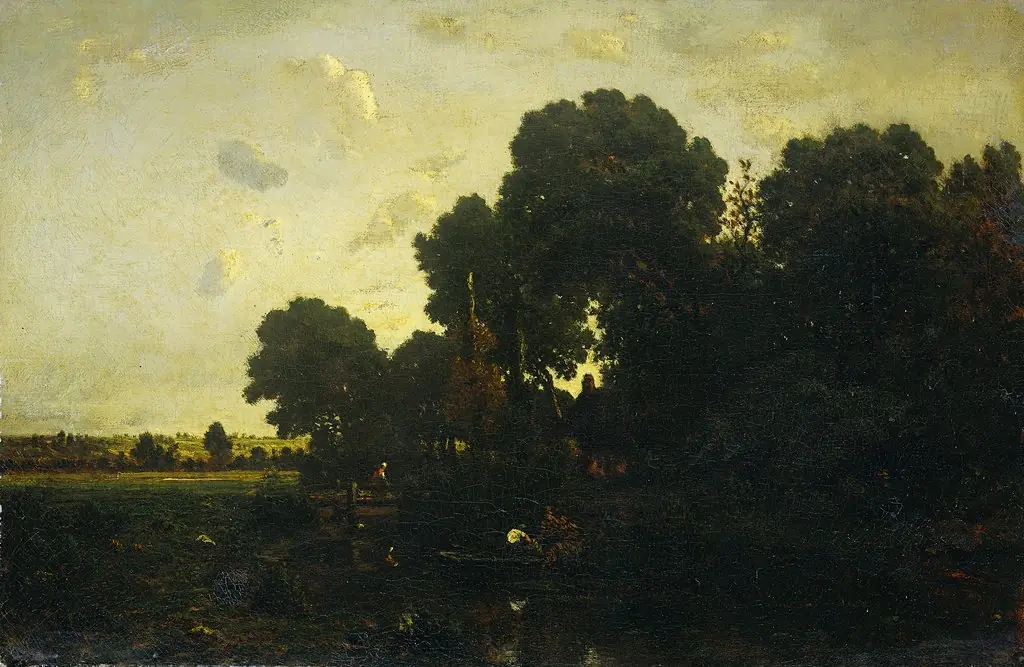
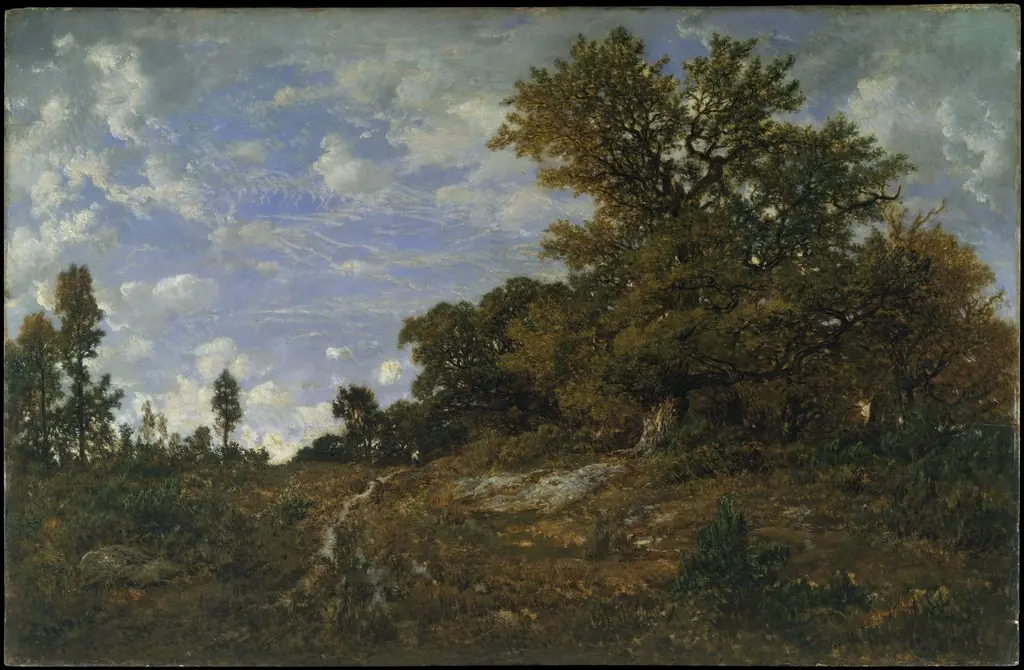
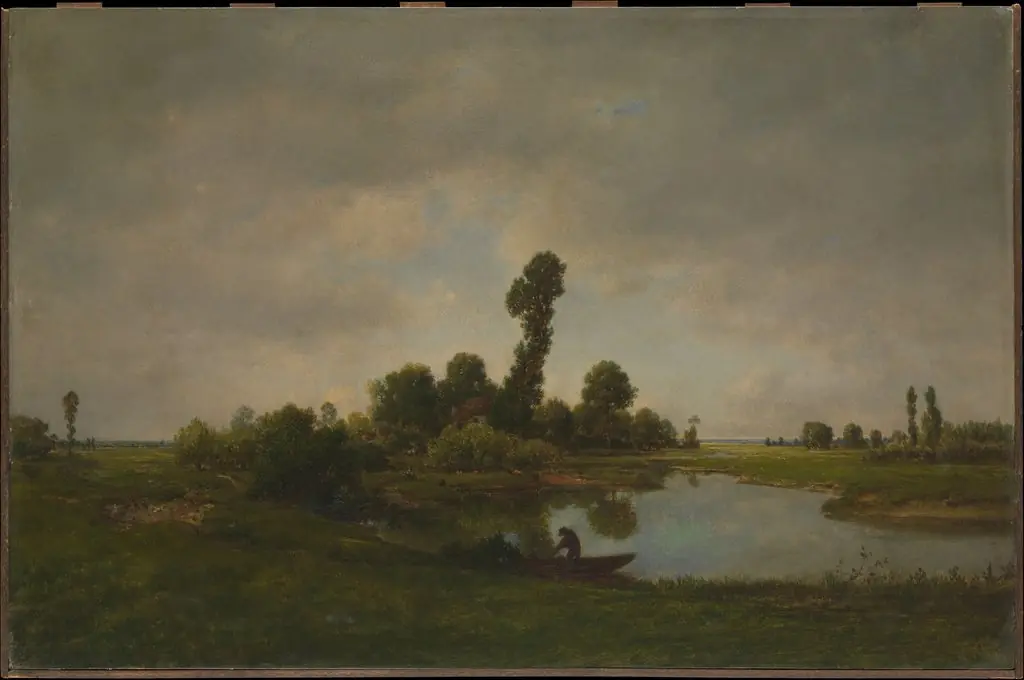
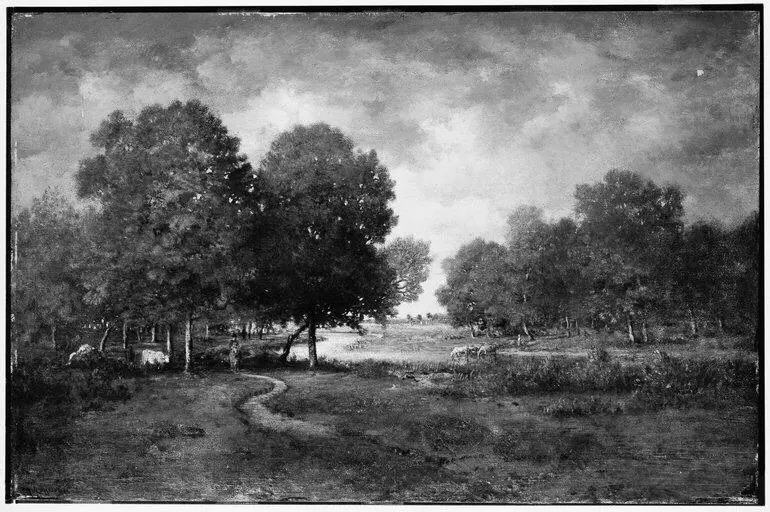
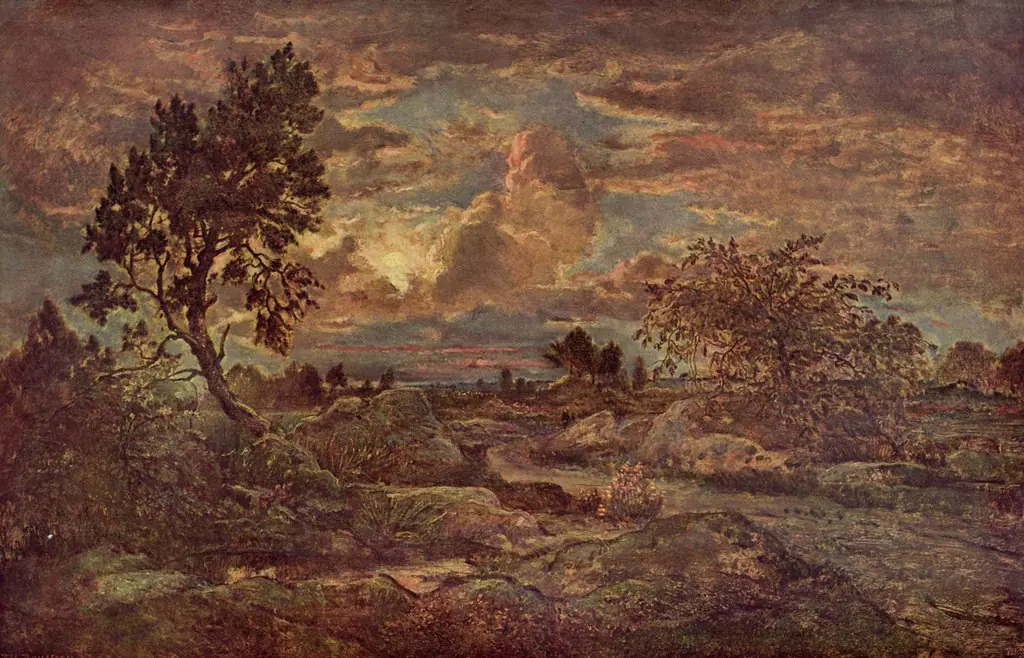
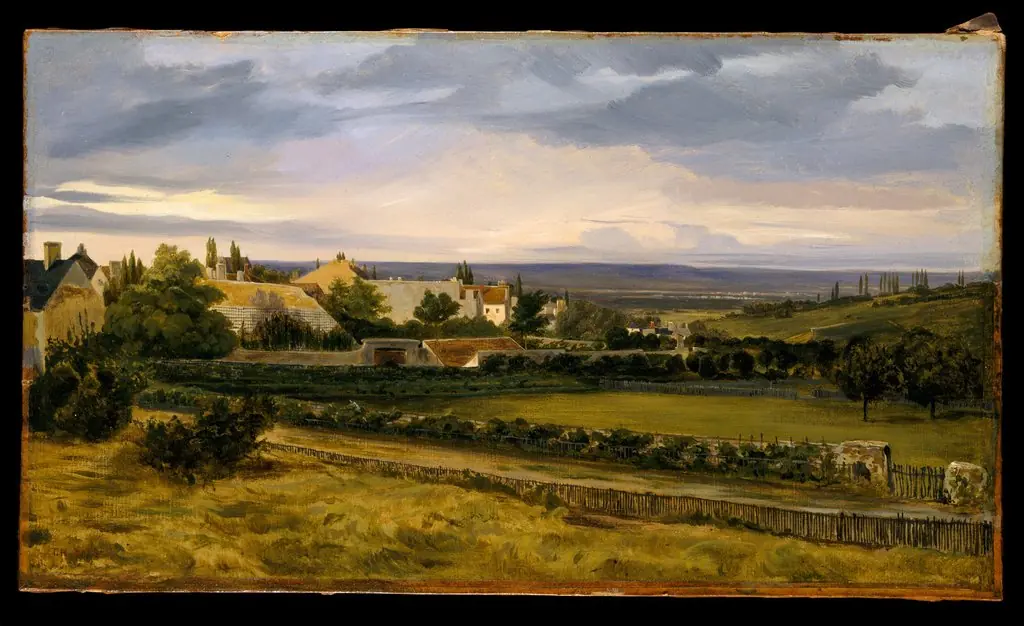
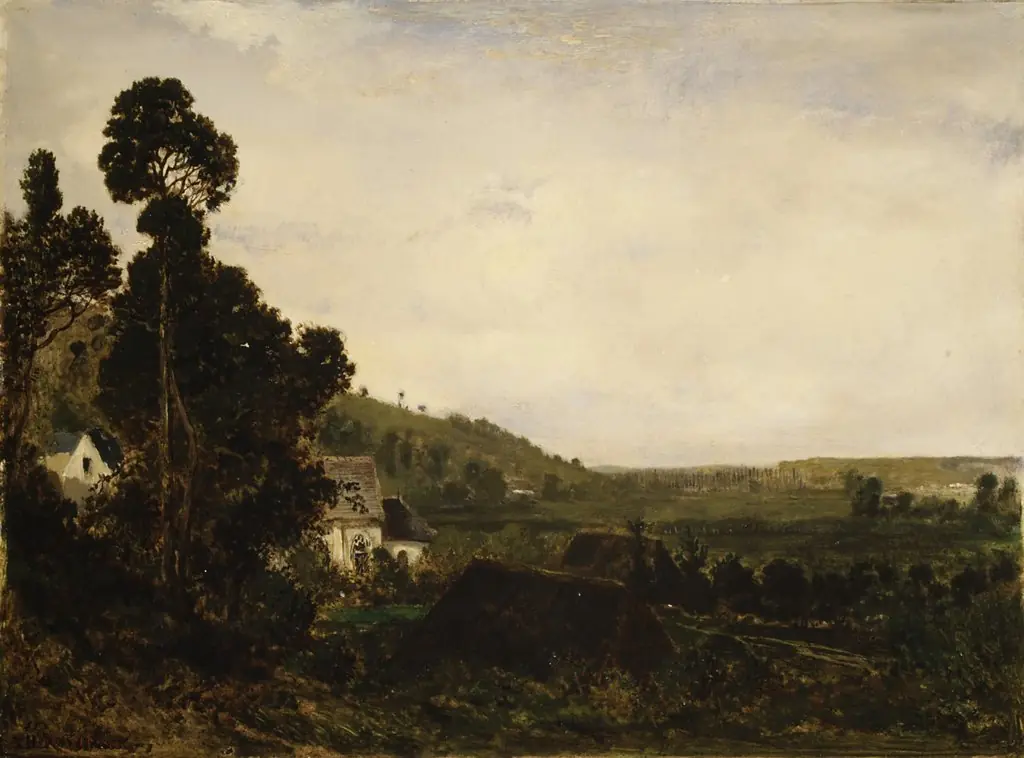
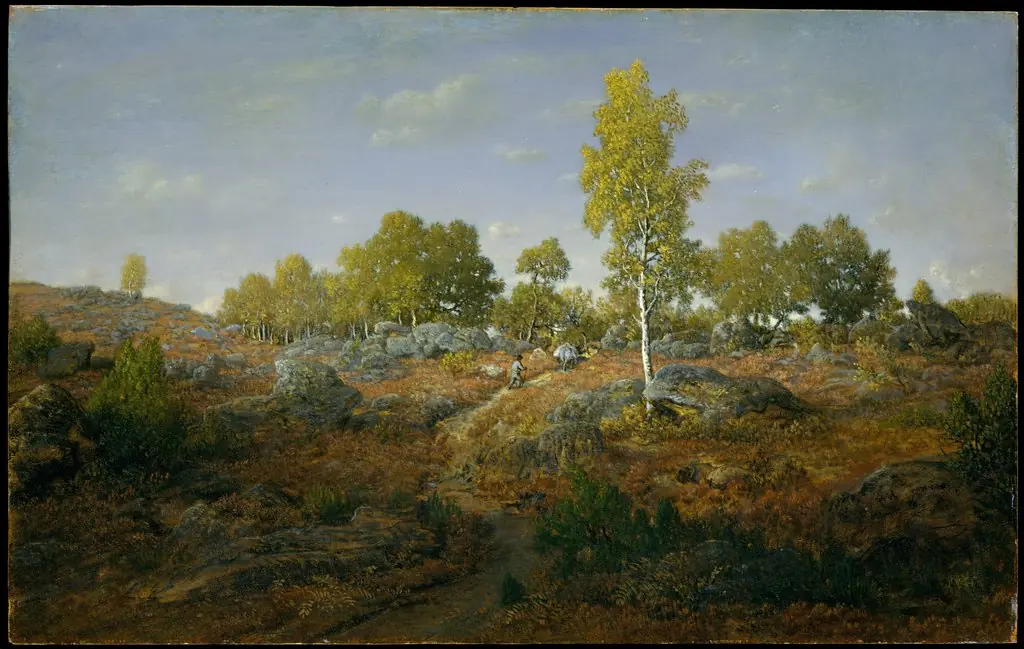
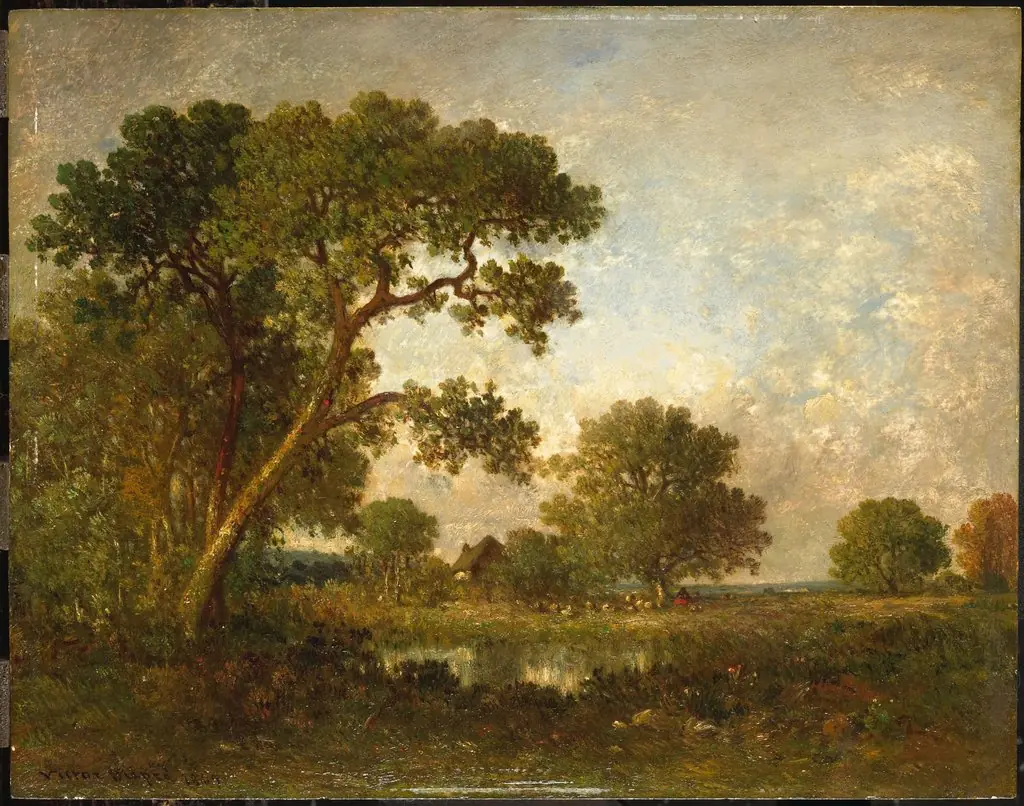
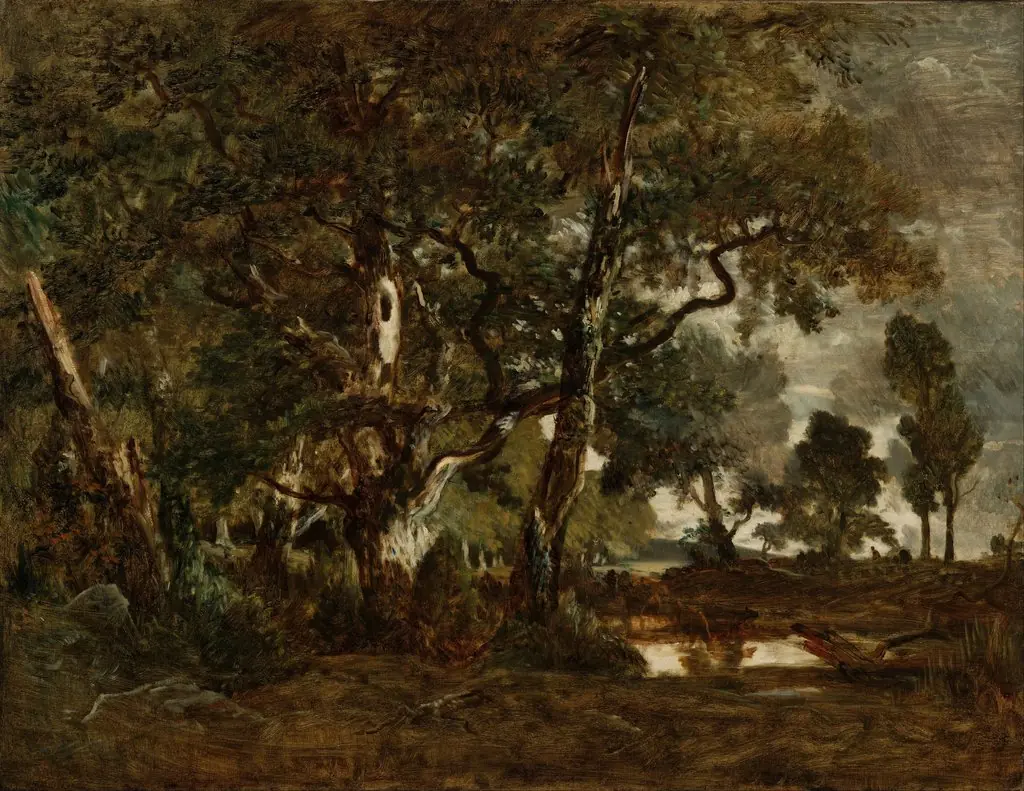
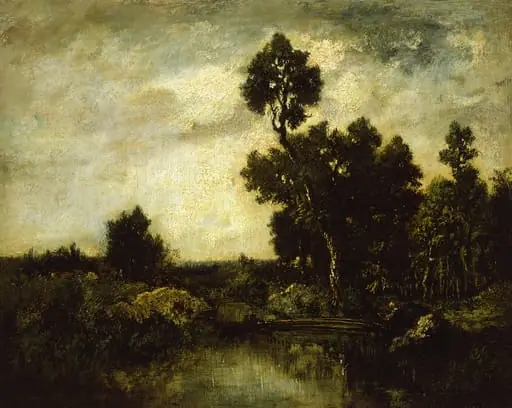
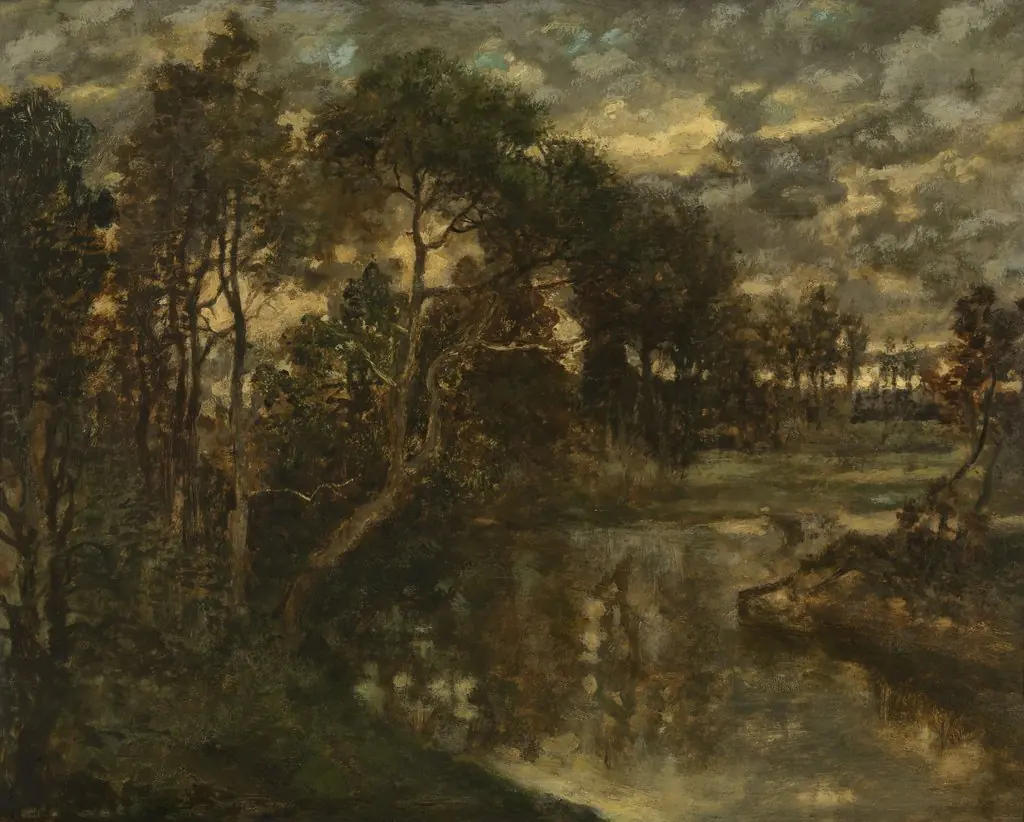
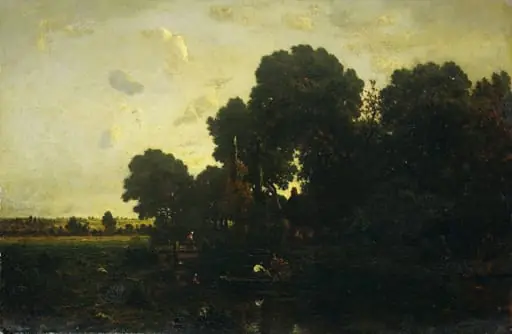
Landscape is an unspecified painting by the Barbizon school artist Théodore Rousseau. It dates from 1850 and is held in the collection of the Art Institute of Chicago.
About this work
Overview
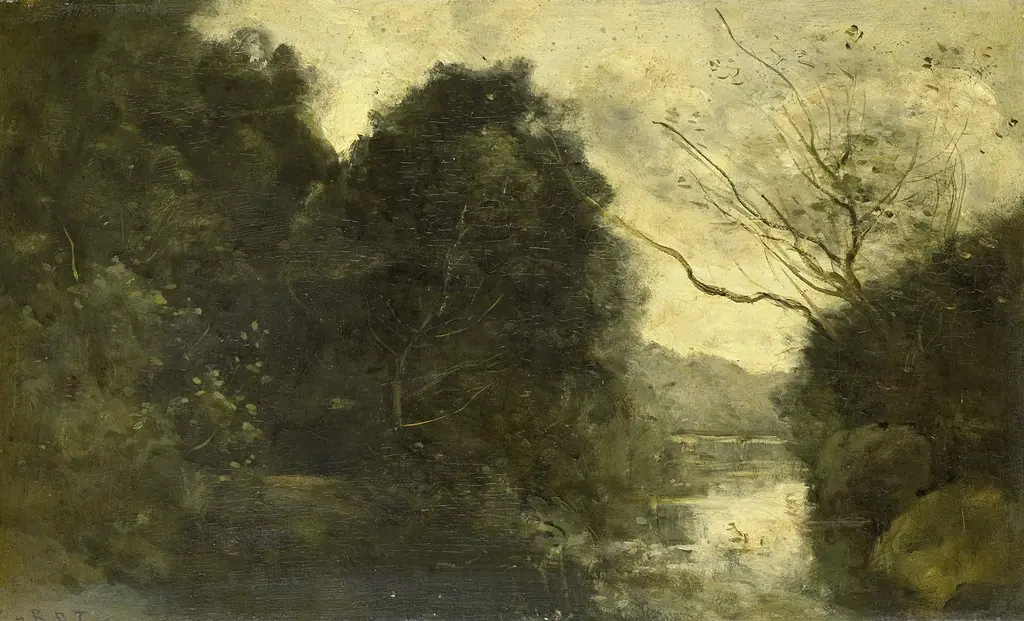
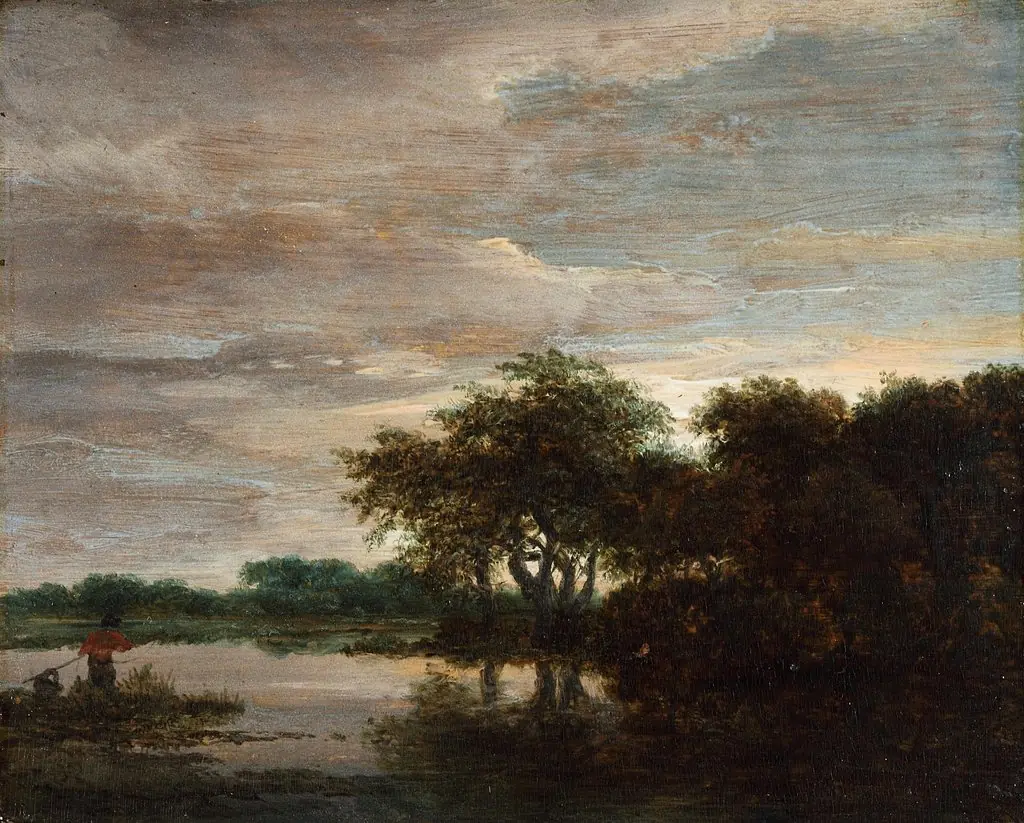
Painted around 1850 by Théodore Rousseau, this landscape exemplifies the Barbizon school’s commitment to observing nature directly. Unlike idealized pastoral scenes, it captures an unembellished woodland at twilight, emphasizing atmosphere over narrative. The work is part of the Art Institute of Chicago’s permanent collection, reflecting its significance in 19th-century French realism.
Subject & Meaning
The painting depicts a quiet forest at dusk, with towering trees forming a dense silhouette against a fading sky. A still pond in the foreground mirrors the muted light, enhancing the sense of solitude. There is no human presence, reinforcing the Barbizon artists’ reverence for nature as an autonomous, contemplative force rather than a backdrop for human activity.
Technique & Style
Rousseau employed thick, textured brushwork—impasto—to convey the tactile presence of bark, foliage, and water. The rough application of paint gives the scene a physical immediacy, resisting smooth finish in favor of sensory authenticity. This technique, combined with muted tones, evokes the quiet transition from day to night without sentimentality.
History & Provenance
Created during Rousseau’s most active period in Barbizon, the painting emerged from his practice of sketching outdoors and refining compositions in the studio. It entered the Art Institute of Chicago’s collection in the early 20th century, following growing international recognition of Barbizon artists as pioneers of modern landscape painting.
Context
In mid-19th-century France, academic art favored historical or mythological subjects. Rousseau and his peers rejected this in favor of painting rural scenes from direct observation, often in the Forest of Fontainebleau. Their work laid groundwork for later movements like Impressionism by prioritizing light, mood, and the physicality of the natural world.
Legacy
Rousseau’s emphasis on naturalism and material texture influenced generations of landscape painters. His rejection of studio conventions helped redefine artistic legitimacy, shifting focus from idealized composition to authentic experience. Today, his work remains a touchstone for discussions on the relationship between observation, technique, and emotional resonance in landscape art.
Own this work as a print
Artist & collection
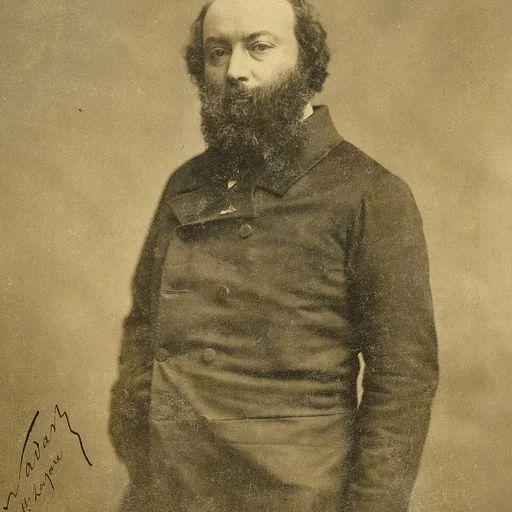
Artist
Étienne Pierre Théodore Rousseau (French pronunciation: ; 15 April 1812 – 22 December 1867) was a French painter of the Barbizon school.