Artwork
Plage de Villerville, Normandy
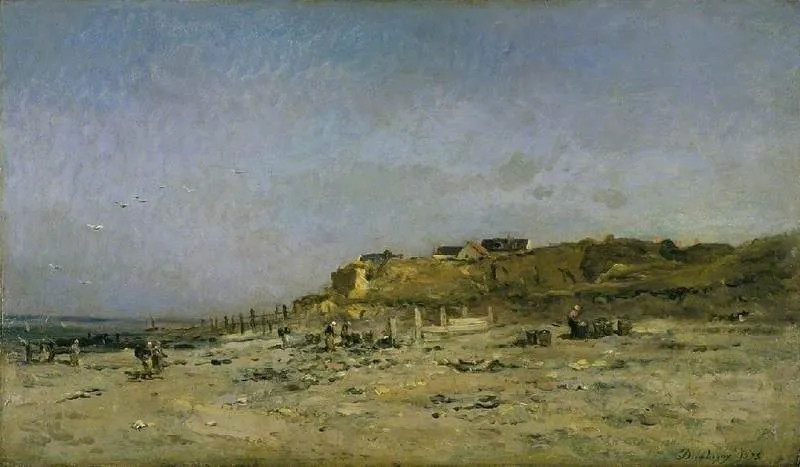
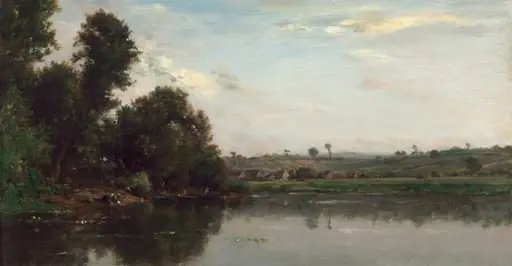
Plage de Villerville, Normandy is an oil painting by Charles François Daubigny. It dates from 1875 and is held in the collection of the Fitzwilliam Museum.
About this work
Overview
Plage de Villerville, Normandy is an 1875 oil painting by Charles-François Daubigny, a French artist bridging the Barbizon school and early Impressionism. The work depicts a serene Normandy beach scene.
Subject & Meaning
The painting captures a tranquil beach in Villerville, Normandy, with sparse figures, possible fishing gear, and distant hilltop buildings. The overall atmosphere is calm and peaceful, evoking a sense of everyday rural life.
Technique & Style
Executed in oil paint, the work reflects Daubigny's characteristic landscape approach, likely influenced by his innovative printmaking background (etching and cliché verre). The light blue sky suggests a sunny day, with brushwork contributing to the serene mood.
History & Provenance
Created in 1875, the painting is now part of the Fitzwilliam Museum's collection. Daubigny's body of work, including this piece, influenced the transition from Barbizon to Impressionist movements.
Context
Plage de Villerville, Normandy situates itself within the broader 19th-century French landscape tradition, reflecting Daubigny's penchant for rural and coastal subjects. His style, while rooted in Barbizon, anticipated Impressionist concerns with light and everyday life.
Legacy
As part of Daubigny's oeuvre, the painting contributes to his legacy as a pivotal figure in French art history, bridging traditional landscape painting with the emerging Impressionist movement.
Artist & collection

Artist
Charles-François Daubigny ( DOH-bin-yee, US: DOH-been-YEE, doh-BEEN-yee, French: ; 15 February 1817 – 19 February 1878) was a French painter, one of the members of the Barbizon school, and is considered an important precursor of…

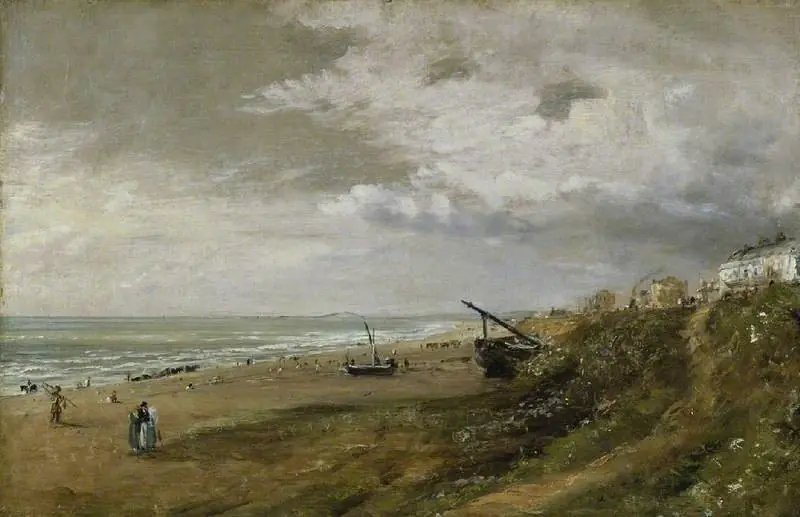 Hove beach
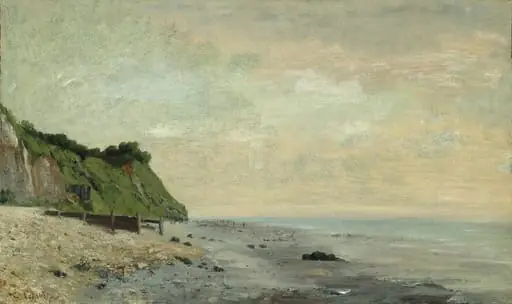 Cliffs on the Sea Coast: Small Beach, Sunrise (Falaise au bord de la mer, vu Petite Plage, soleil levant)
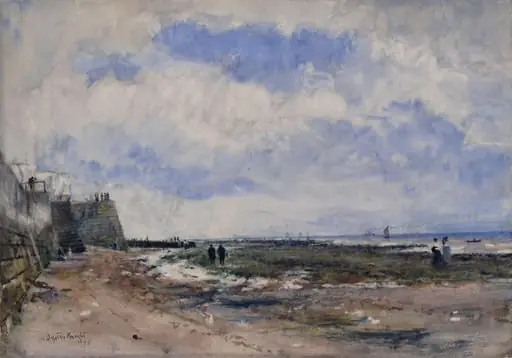 Ramsgate
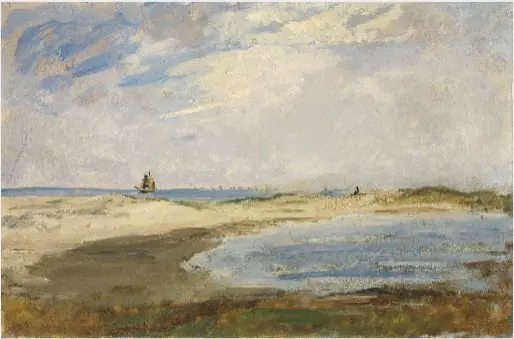 Spit of Sand with Boats beyond
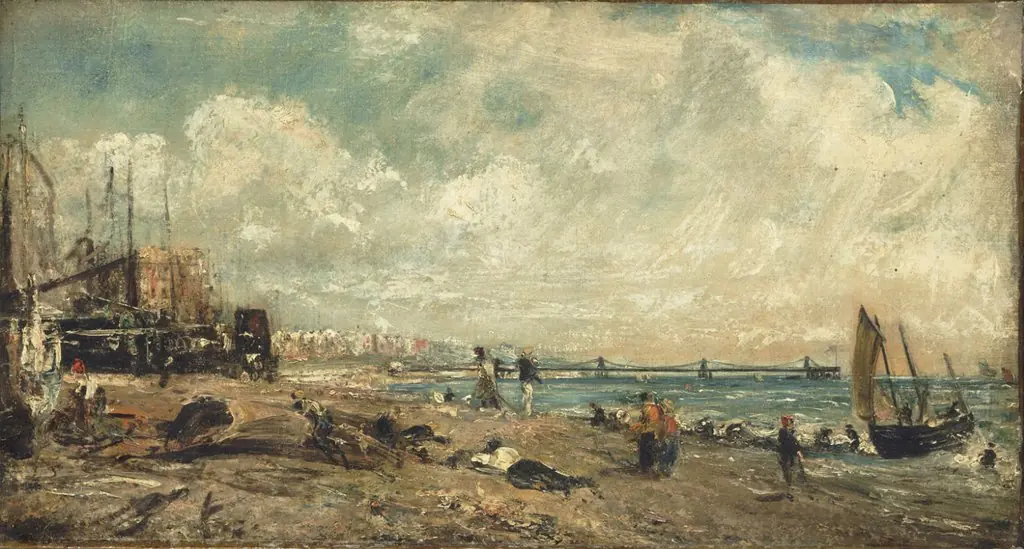 Sketch for The Marine Parade and Chain Pier, Brighton
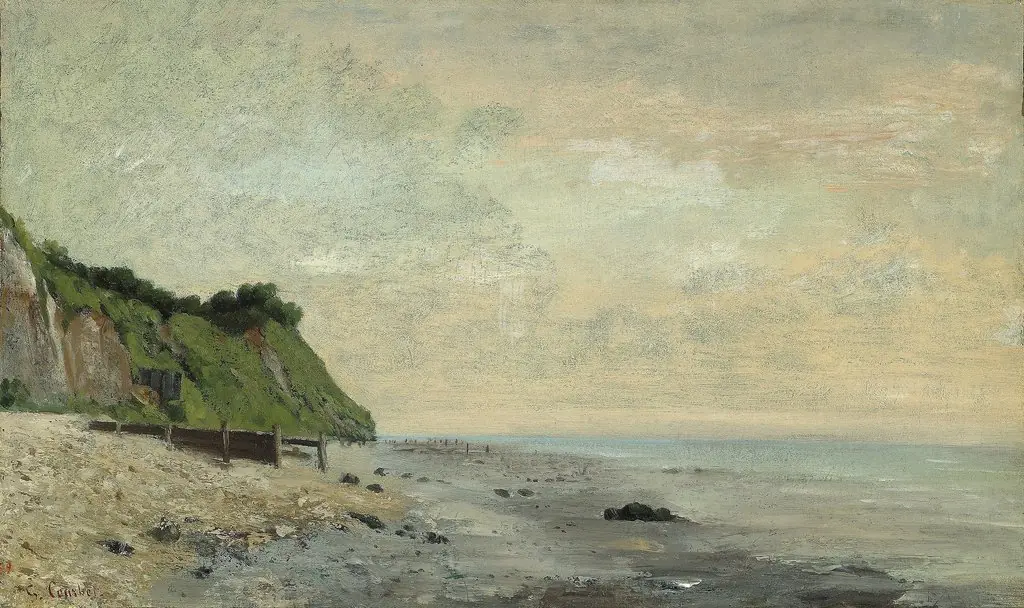 Cliffs on the Sea Coast: Small Beach, Sunrise (Falaise au bord de la mer, vu Petite Plage, soleil levant)
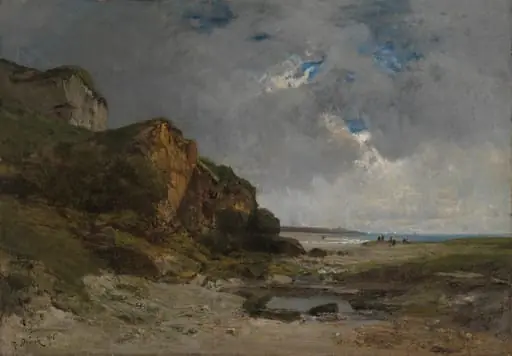 Rantamaisema Normandiasta