Artwork
Villerville, Normandy
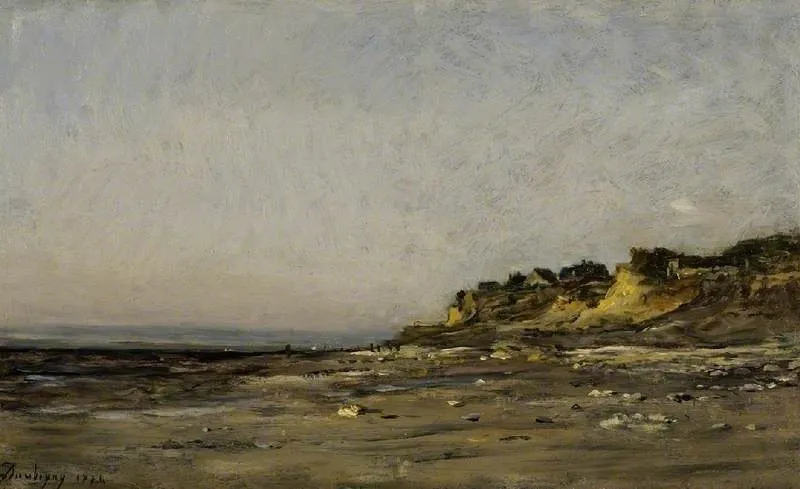
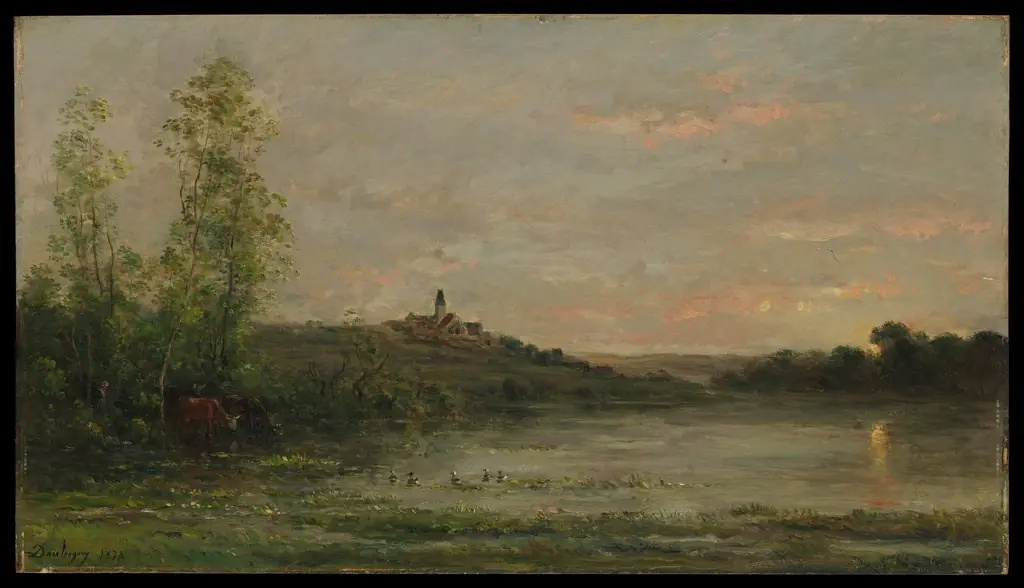
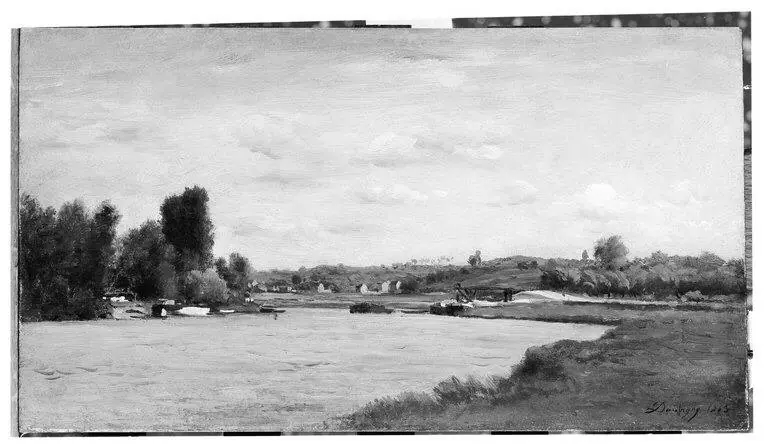
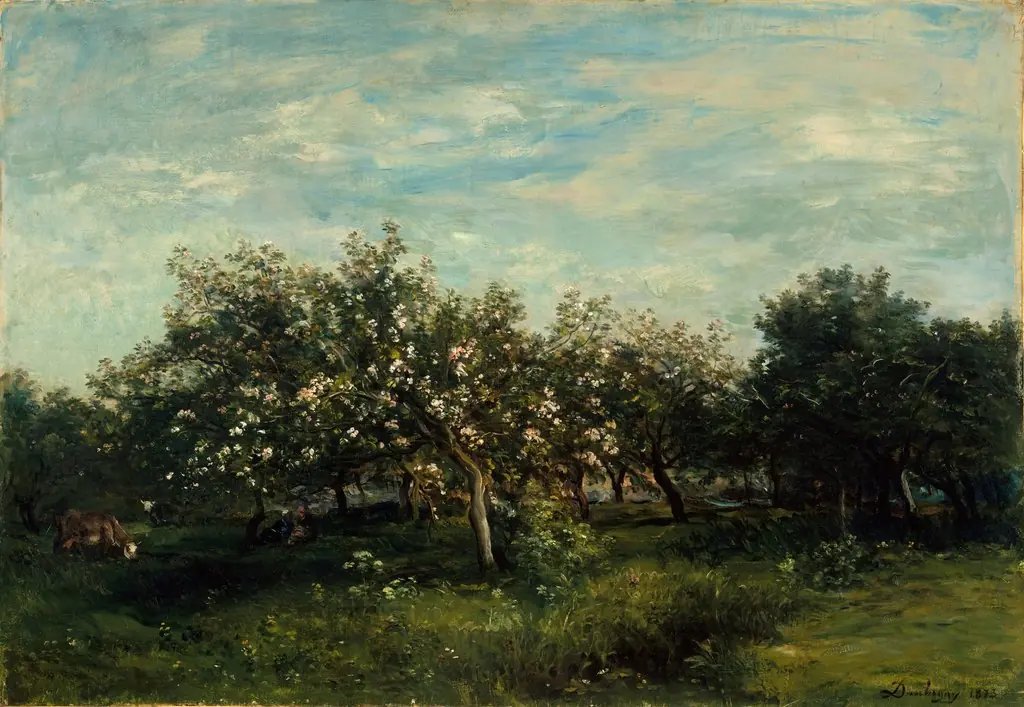
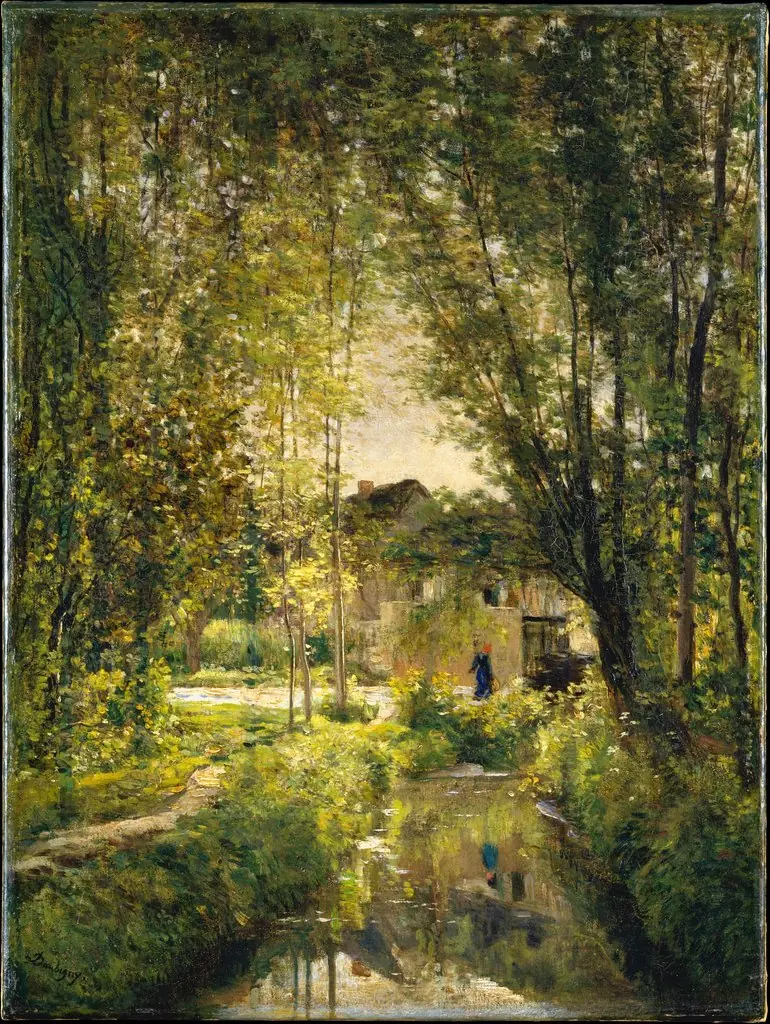
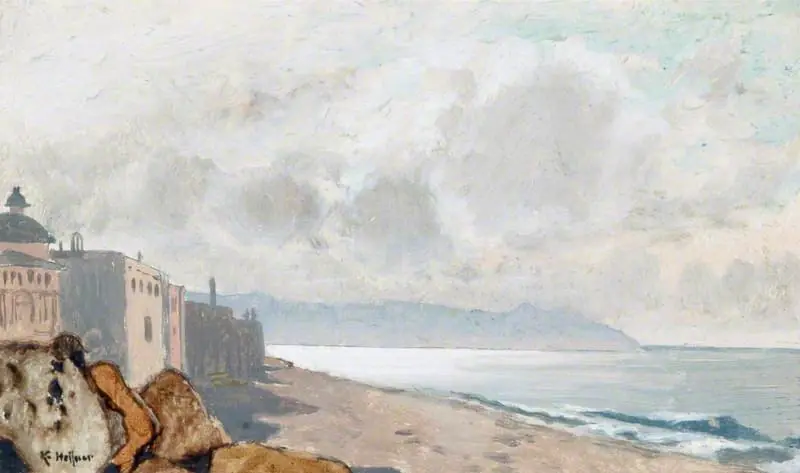
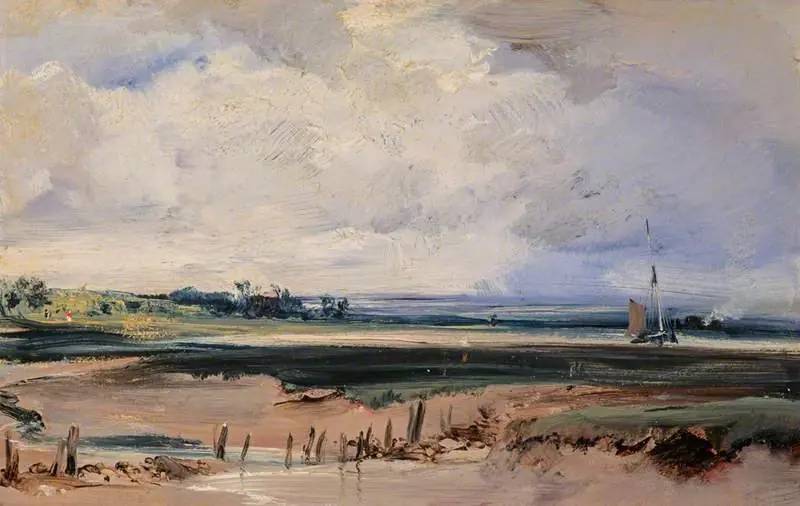
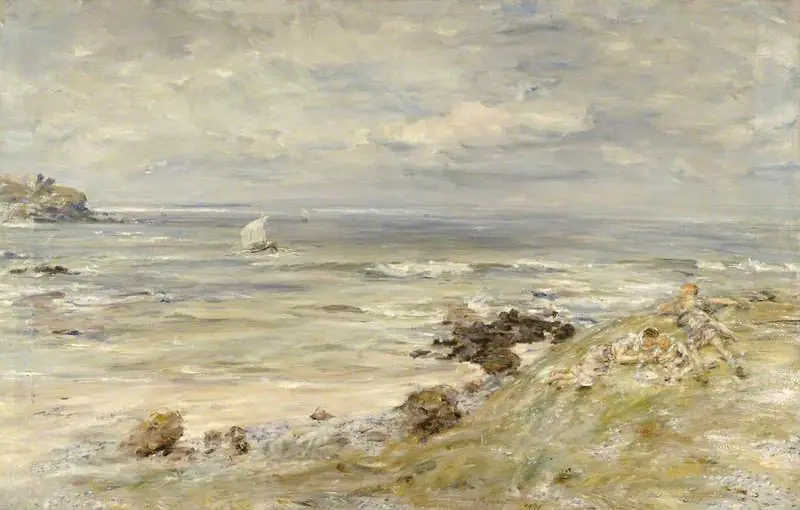
Villerville, Normandy is an oil painting by the Impressionist artist Charles François Daubigny. It is held in the collection of the Fitzwilliam Museum.
About this work
Overview
Though associated with the Barbizon school, his approach to light and atmosphere anticipated key developments in Impressionism.
Charles-François Daubigny painted *Villerville, Normandy* in 1894 using oil on canvas. The work captures a quiet coastal scene in northern France, reflecting his lifelong focus on natural landscapes. Though associated with the Barbizon school, his approach to light and atmosphere anticipated key developments in Impressionism. The painting is part of the Fitzwilliam Museum’s collection in Cambridge, UK.
Subject & Meaning
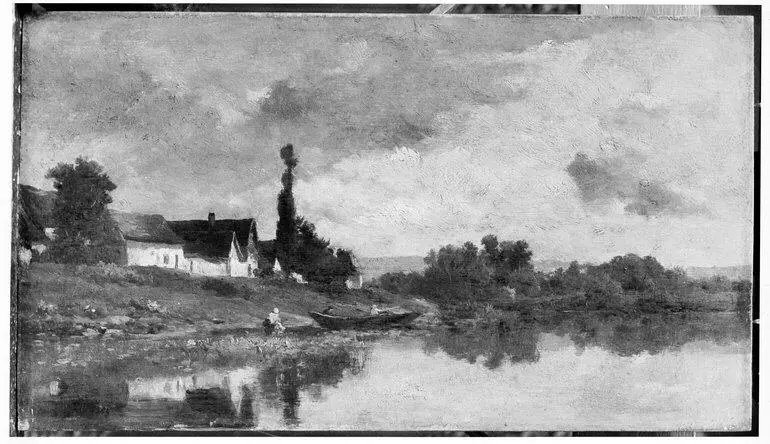
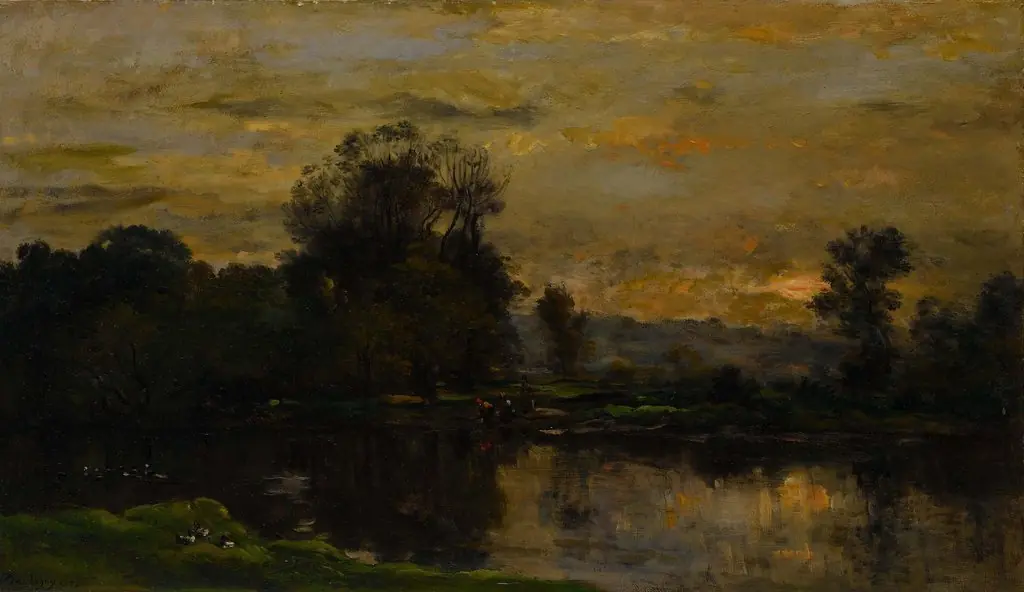
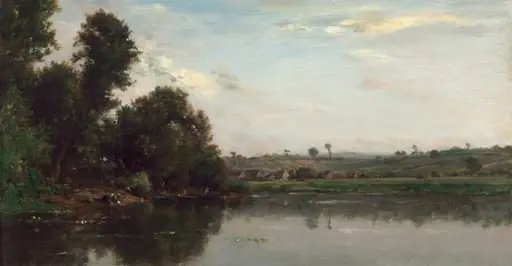
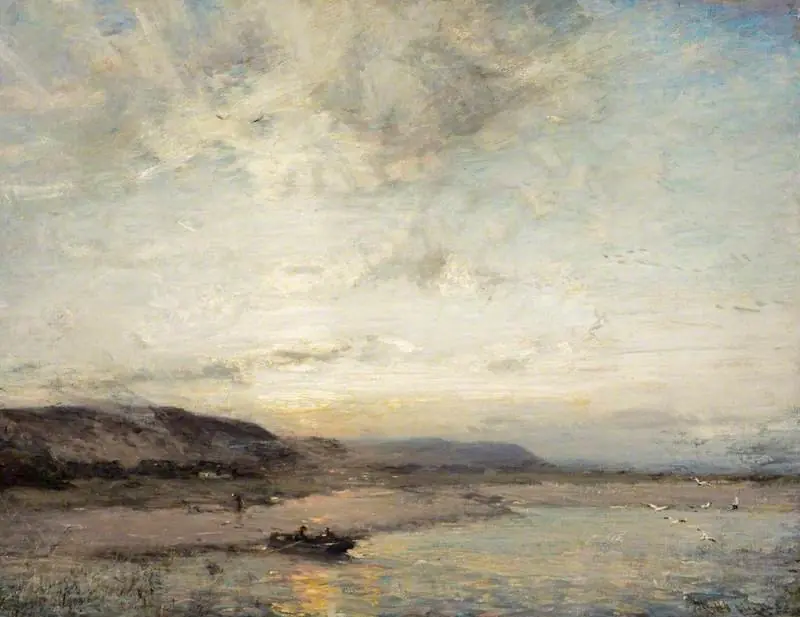
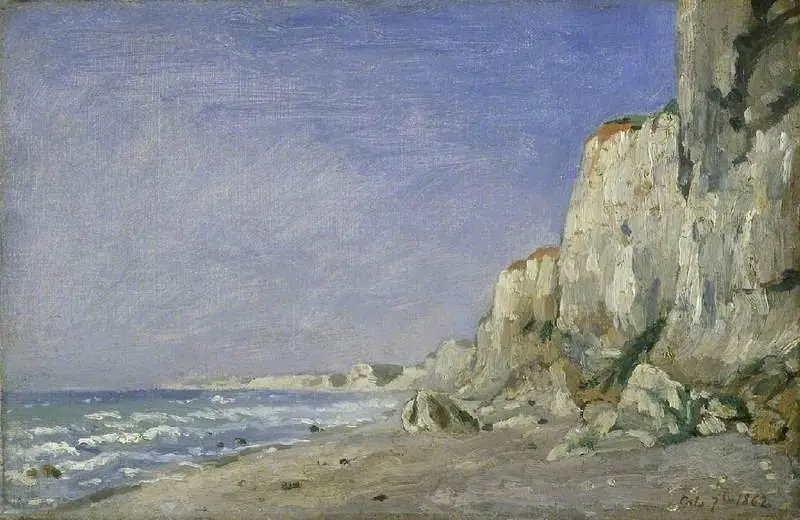
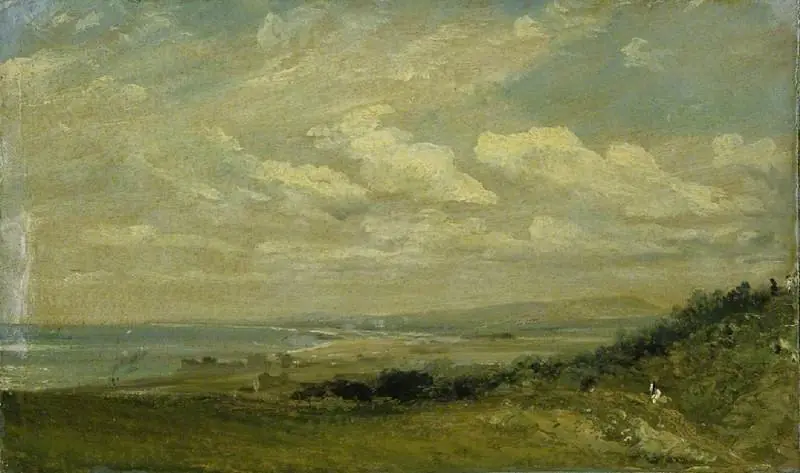
The painting depicts a modest seaside village perched on a gentle hill above a rocky shore. The horizon merges sea and sky in soft, cool tones, emphasizing stillness over action. There are no figures or signs of activity, reinforcing a sense of solitude and quiet observation. Daubigny’s choice of subject reflects his interest in unidealized, everyday rural environments.
Technique & Style
Daubigny employed loose, fluid brushwork to render the sky, sea, and shoreline, allowing tones to blend naturally. Colors are restrained—grays, blues, and muted earth tones dominate—creating a subdued, atmospheric effect. His technique avoids sharp definition, favoring tonal gradations that suggest the fleeting quality of light, a hallmark of his transition toward Impressionist methods.
History & Provenance
Painted near the end of Daubigny’s life, *Villerville, Normandy* stems from his later years spent traveling along the Normandy coast. He often worked en plein air, sketching directly from nature before refining compositions in his studio. The painting entered the Fitzwilliam Museum’s collection in the 20th century, following the acquisition of several works from private European collections.
Context
In the late 19th century, French artists increasingly turned to rural and coastal subjects as alternatives to academic historical themes. Daubigny’s focus on ordinary landscapes, painted with direct observation, aligned with broader shifts in artistic priorities. His work influenced younger painters like Monet, who admired his ability to capture transient natural conditions without theatricality.
Legacy
Daubigny’s emphasis on direct observation and atmospheric tone helped bridge Barbizon realism and Impressionism. Though less celebrated than his successors, his consistent exploration of light and place laid groundwork for the movement’s development. *Villerville, Normandy* exemplifies his quiet, persistent commitment to portraying nature as experienced, not idealized.
Artist & collection
Artist
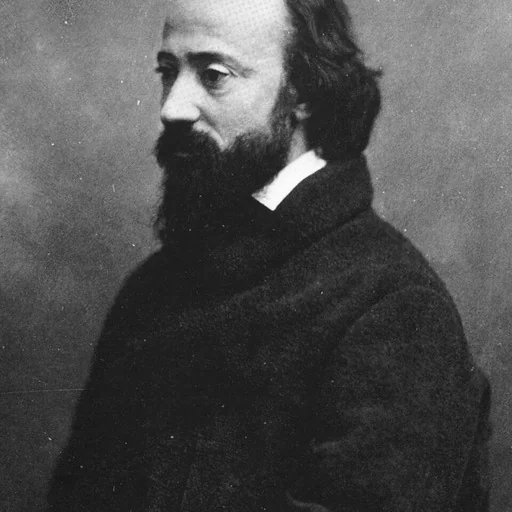
Charles-François Daubigny ( DOH-bin-yee, US: DOH-been-YEE, doh-BEEN-yee, French: ; 15 February 1817 – 19 February 1878) was a French painter, one of the members of the Barbizon school, and is considered an important precursor of…