Artwork
Portrait of a Young Woman
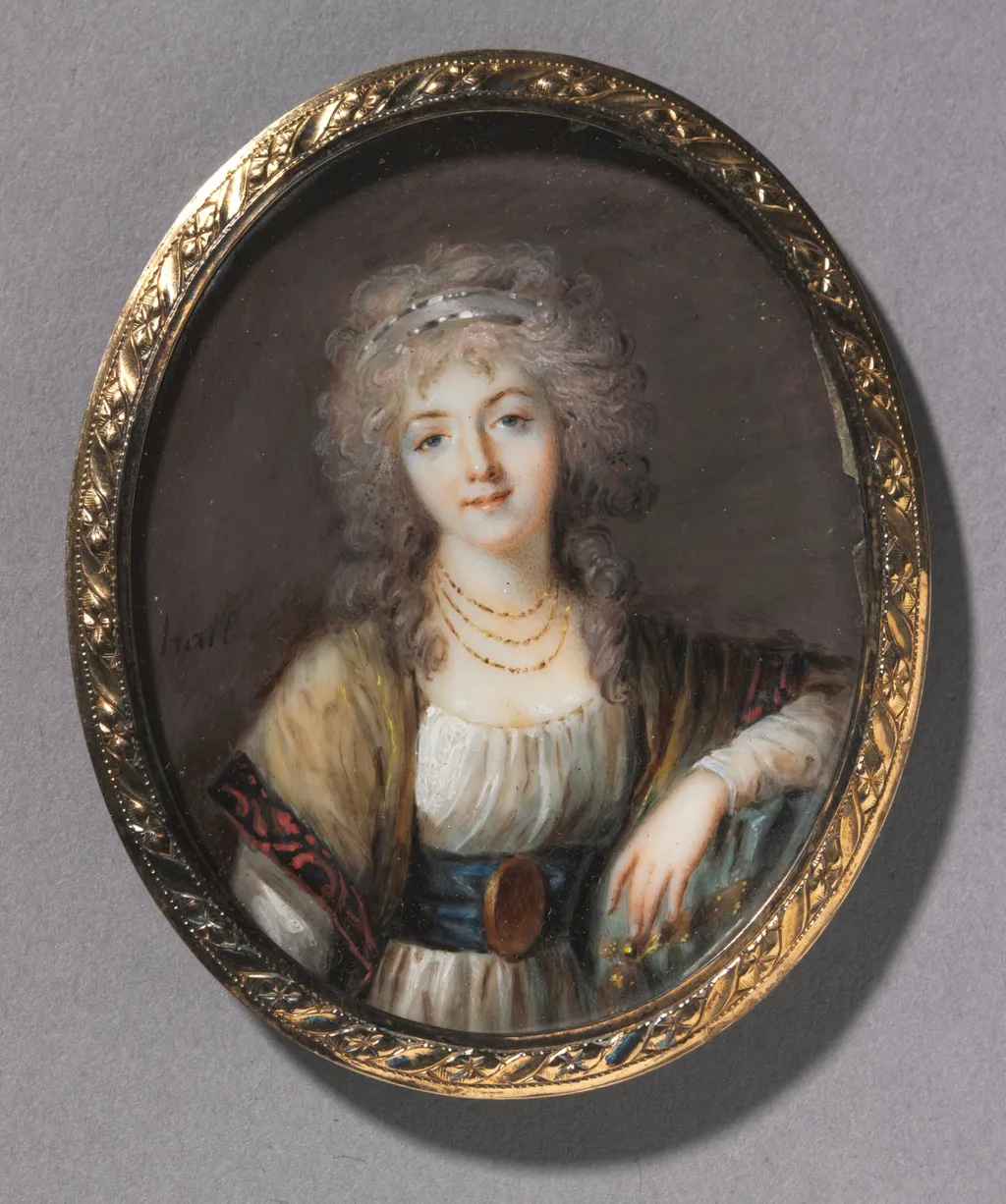
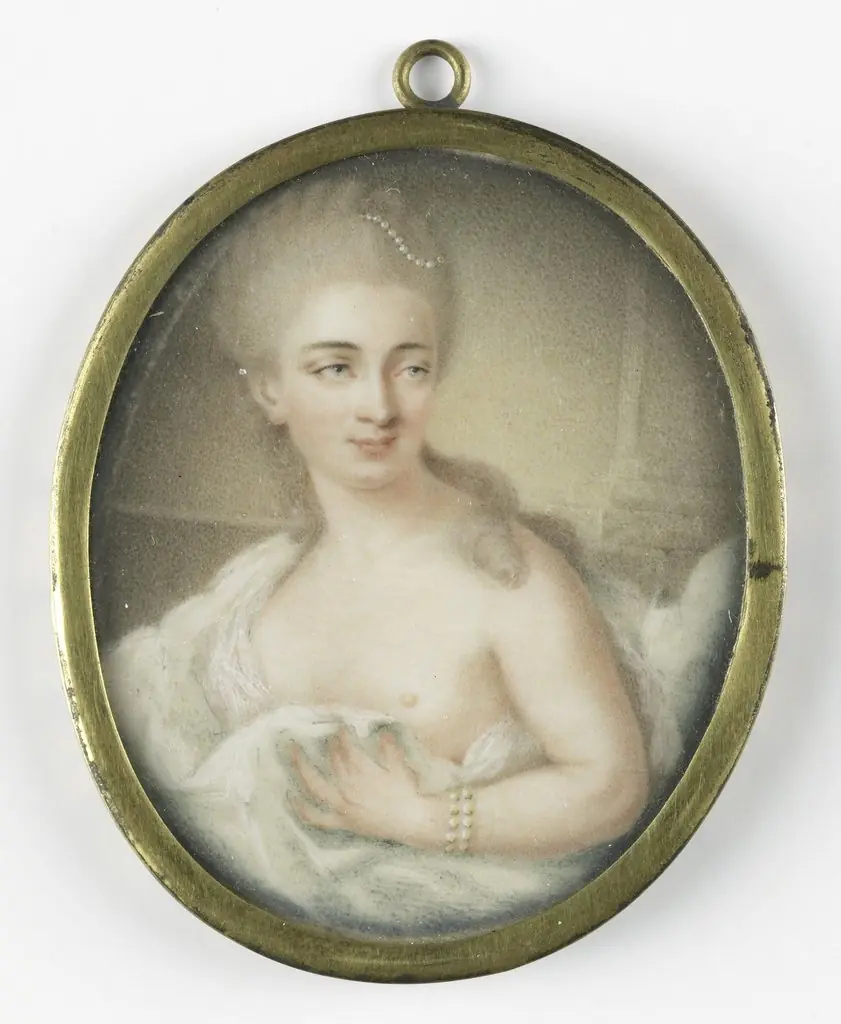
Portrait of a Young Woman is an unspecified portrait miniature by the Rococo painting artist Charles Hénard. It dates from 1785 and is held in the collection of the Cleveland Museum of Art. This small oval portrait miniature, dated around 1785, depicts an unidentified young woman in quiet elegance.
About this work
Overview
Executed in watercolor on ivory, it was created by Charles Henard, a French artist active during the late 18th century.
This small oval portrait miniature, dated around 1785, depicts an unidentified young woman in quiet elegance. Executed in watercolor on ivory, it was created by Charles Henard, a French artist active during the late 18th century. The work is part of the collection at The Cleveland Museum of Art, where its intimate scale and refined detail reflect the popularity of personal portraiture among European elites of the period.
Subject & Meaning
The sitter is portrayed with restrained grace, her gaze direct but unassuming. Her attire—a white dress, ruffled collar, and red sash—suggests fashionable modesty, while the layered necklaces and fan imply refined taste and social standing. The absence of symbolic objects or setting shifts focus entirely to her presence, emphasizing individuality rather than status or narrative, typical of private portrait miniatures of the era.
Technique & Style
Henard employed delicate watercolor on ivory to achieve a luminous skin tone and subtle modeling. Soft transitions of light and shadow, akin to chiaroscuro, lend volume to the face without harsh contrast. The background is uniformly dark, enhancing the figure’s immediacy. The fan, rendered with fine brushwork, adds texture and a sense of quiet motion, while the gold frame, though not part of the painting, complements its ornamental context.
History & Provenance
The portrait entered The Cleveland Museum of Art’s collection in the 20th century, though its earlier ownership remains undocumented. As a miniature, it likely served as a personal keepsake, possibly carried or worn as jewelry. Its survival in good condition suggests careful preservation, likely within a private family collection before its institutional acquisition.
Context
Portrait miniatures flourished in 18th-century Europe as portable, intimate alternatives to large-scale paintings. They were often exchanged among lovers or family members, functioning as tokens of affection or remembrance. Henard’s work aligns with French and British traditions of the genre, where technical precision and emotional subtlety were prized over grandeur.
Legacy
Though Charles Henard is not widely known today, this miniature exemplifies the quiet artistry of a genre that prioritized personal connection over public display. Its preservation in a major museum underscores the enduring value placed on such intimate representations, offering insight into the private lives and aesthetic sensibilities of late 18th-century society.
Artist & collection

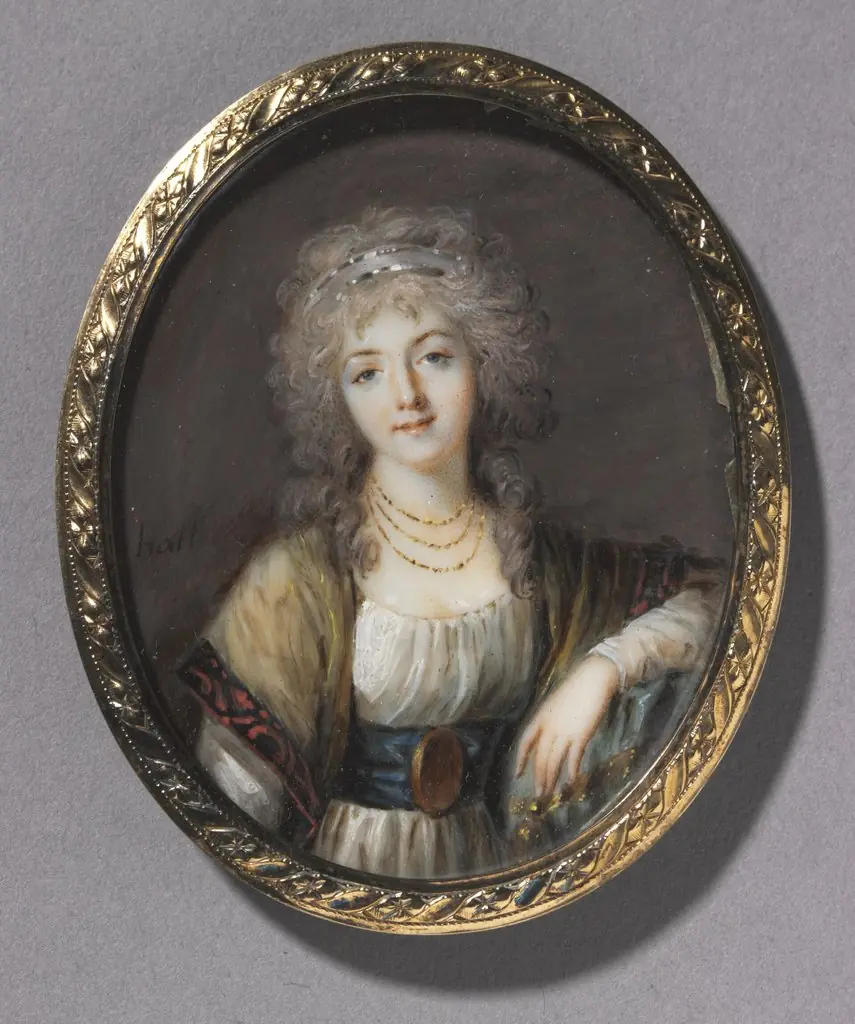 Portrait of a Young Woman
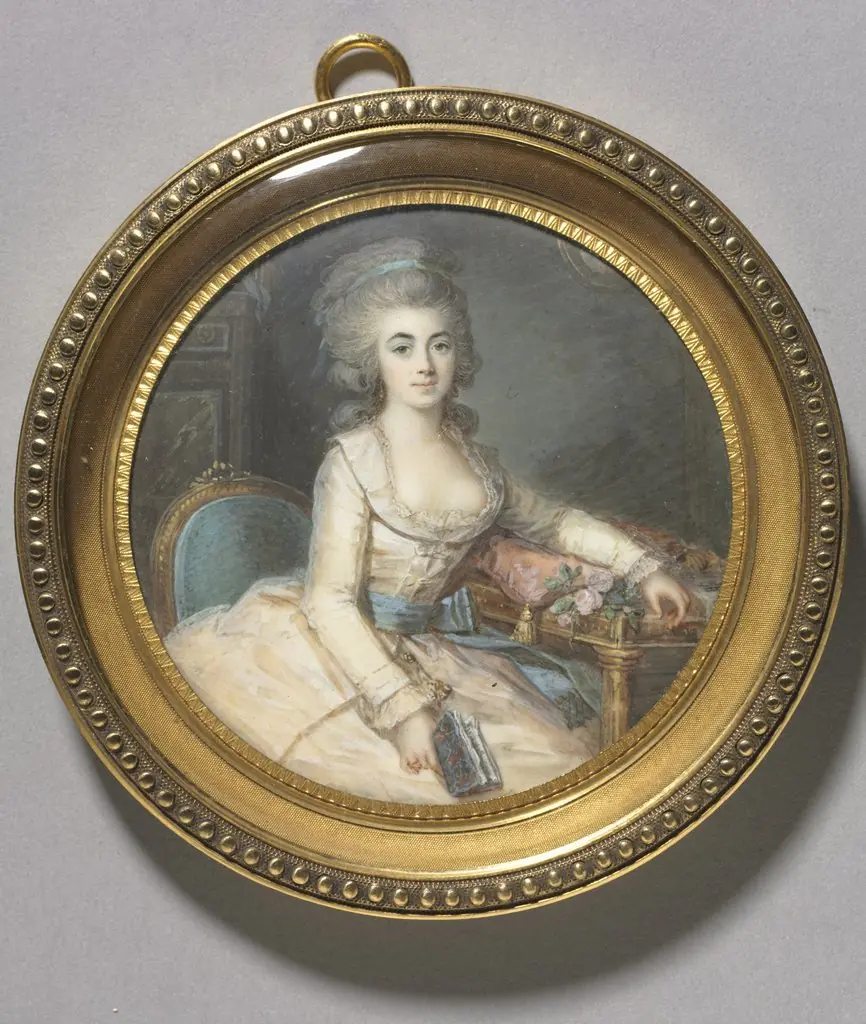 Portrait of a Woman
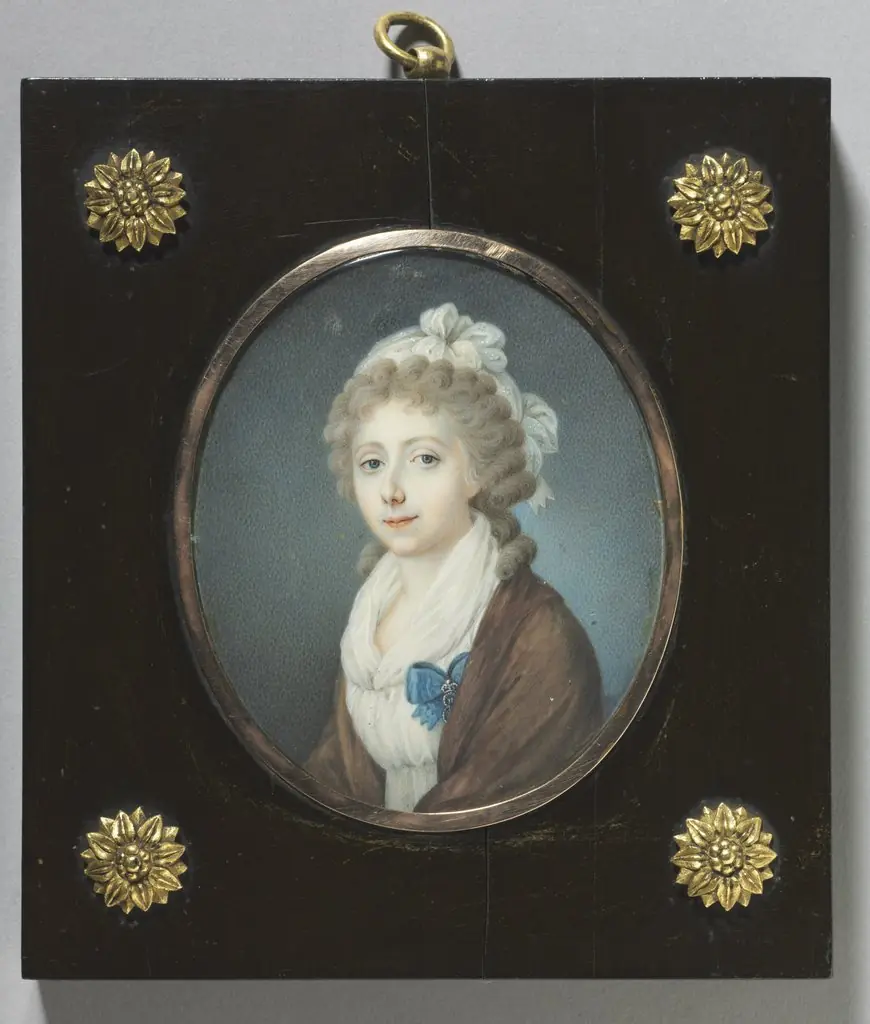 Portrait of a Noblewoman
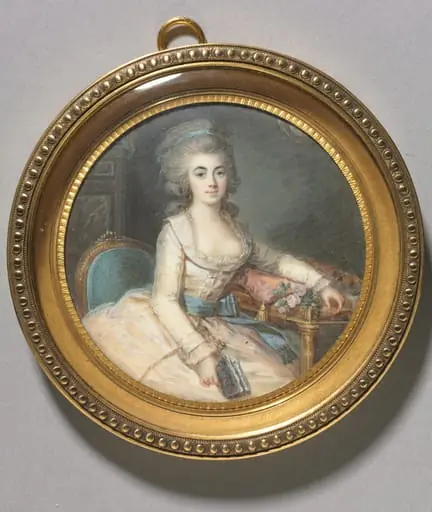 Portrait of a Woman
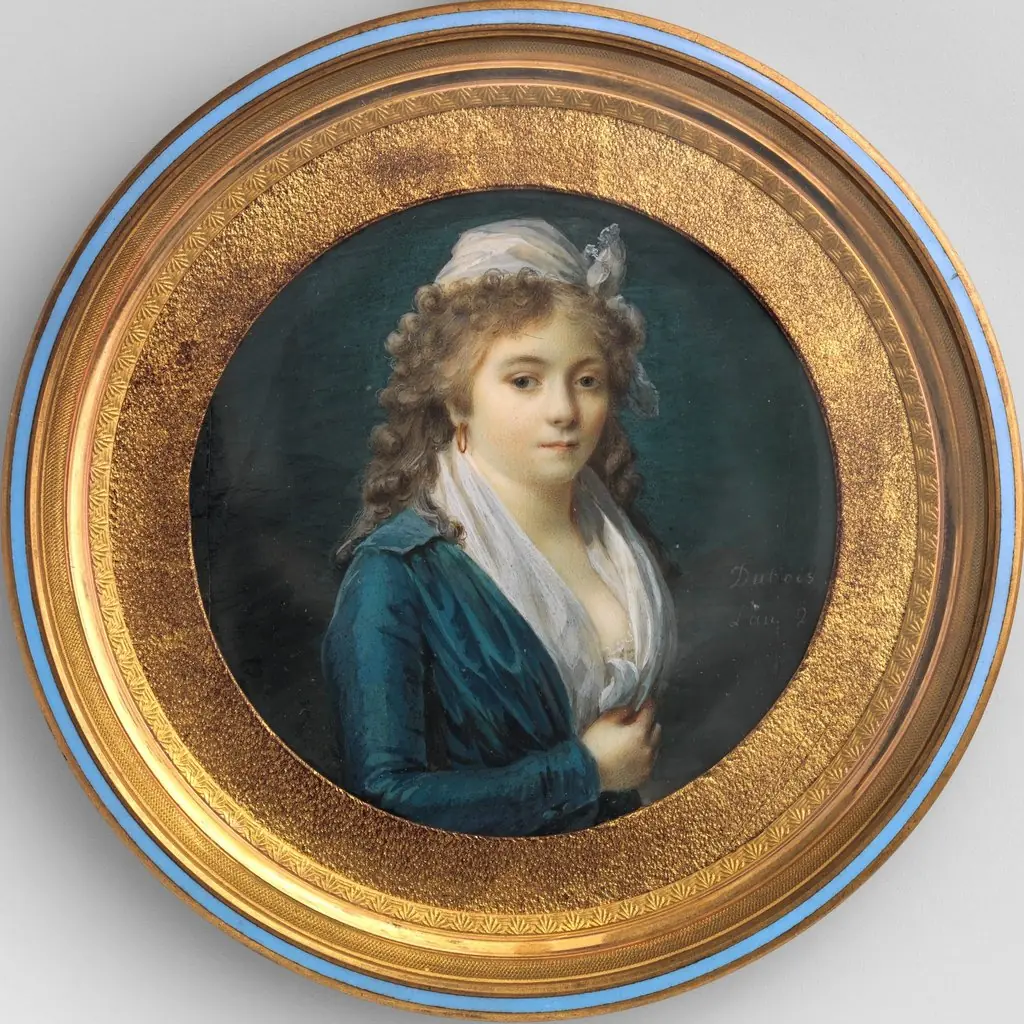 Portrait of a Woman
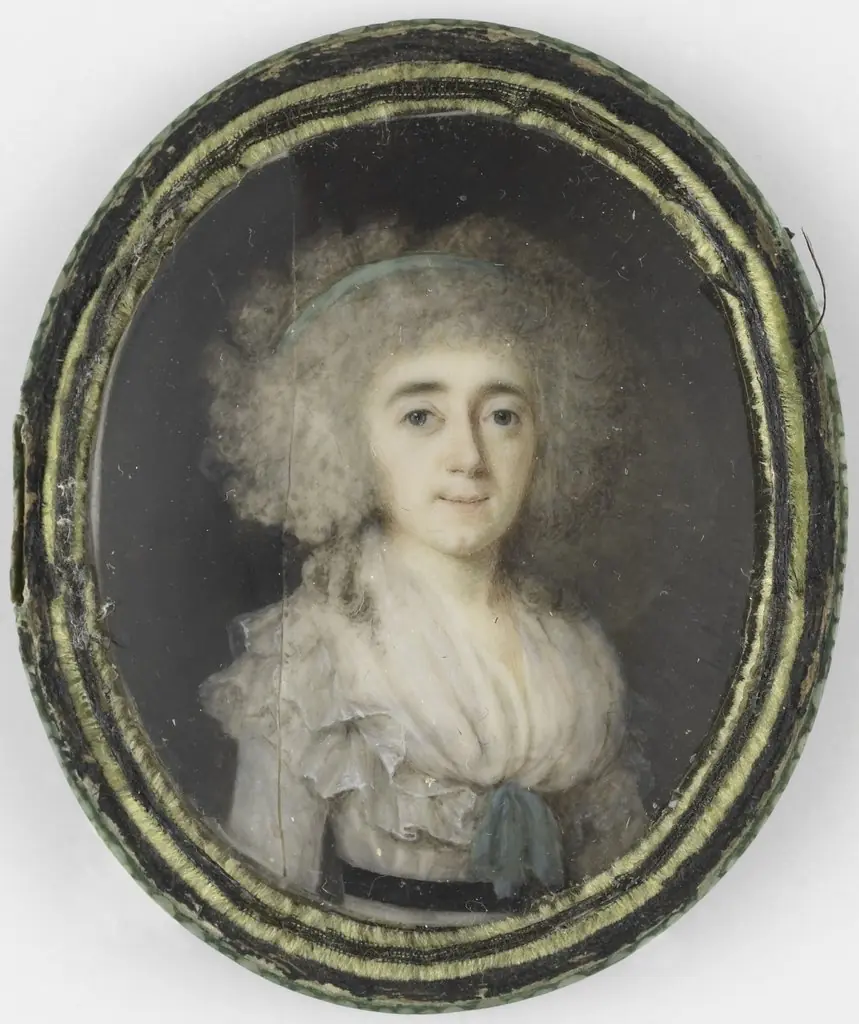 Portrait of a woman
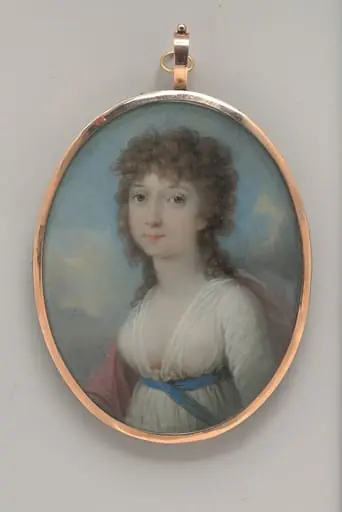 Portrait of a Lady
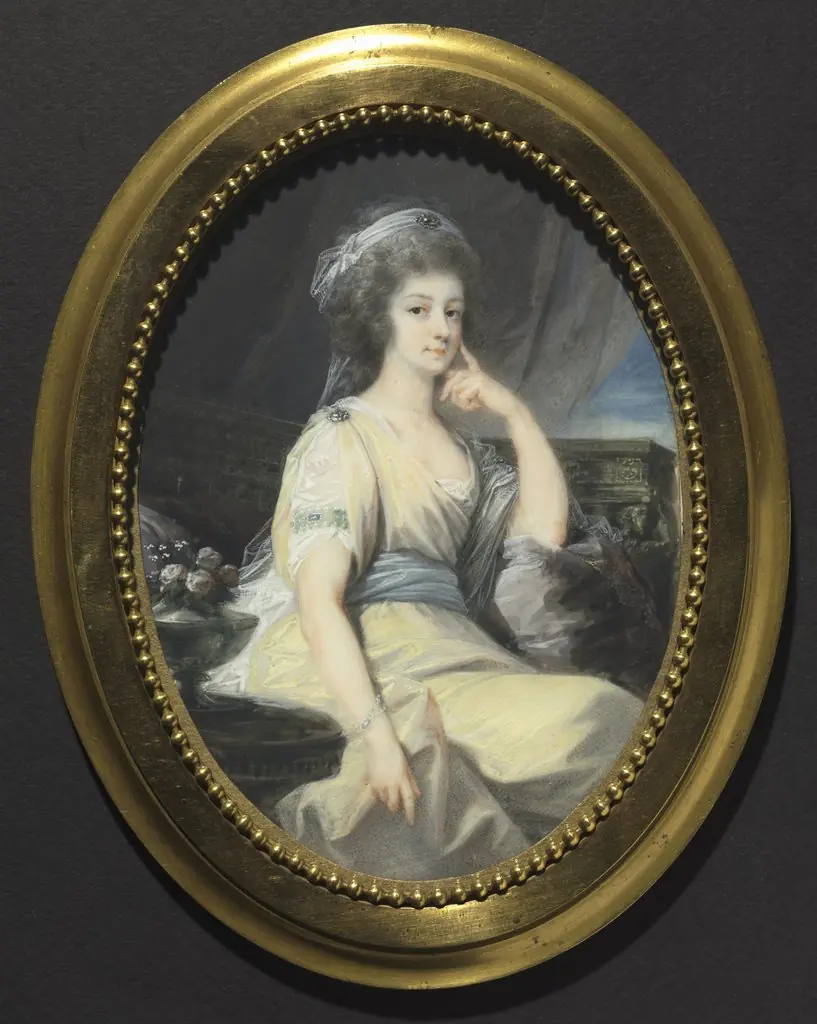 Portrait of Marie Karolina Anna, Countess Thun
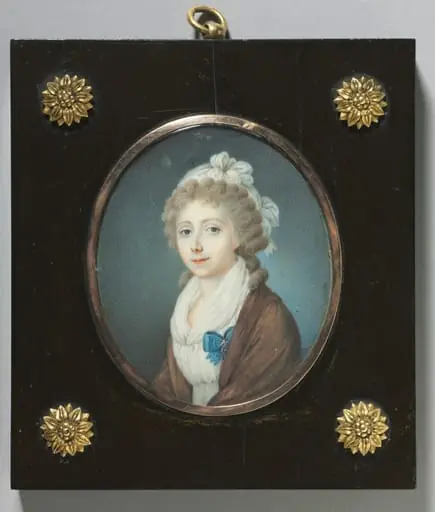 Portrait of a Noblewoman
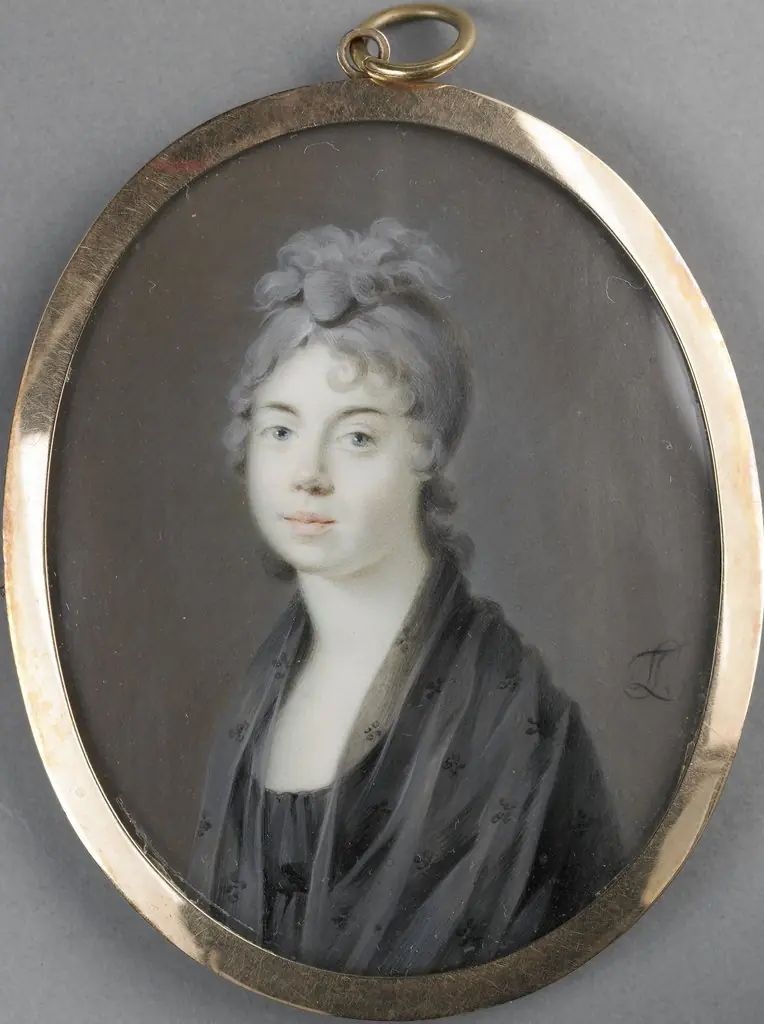 Portret van een vrouw met een zwarte sjaal
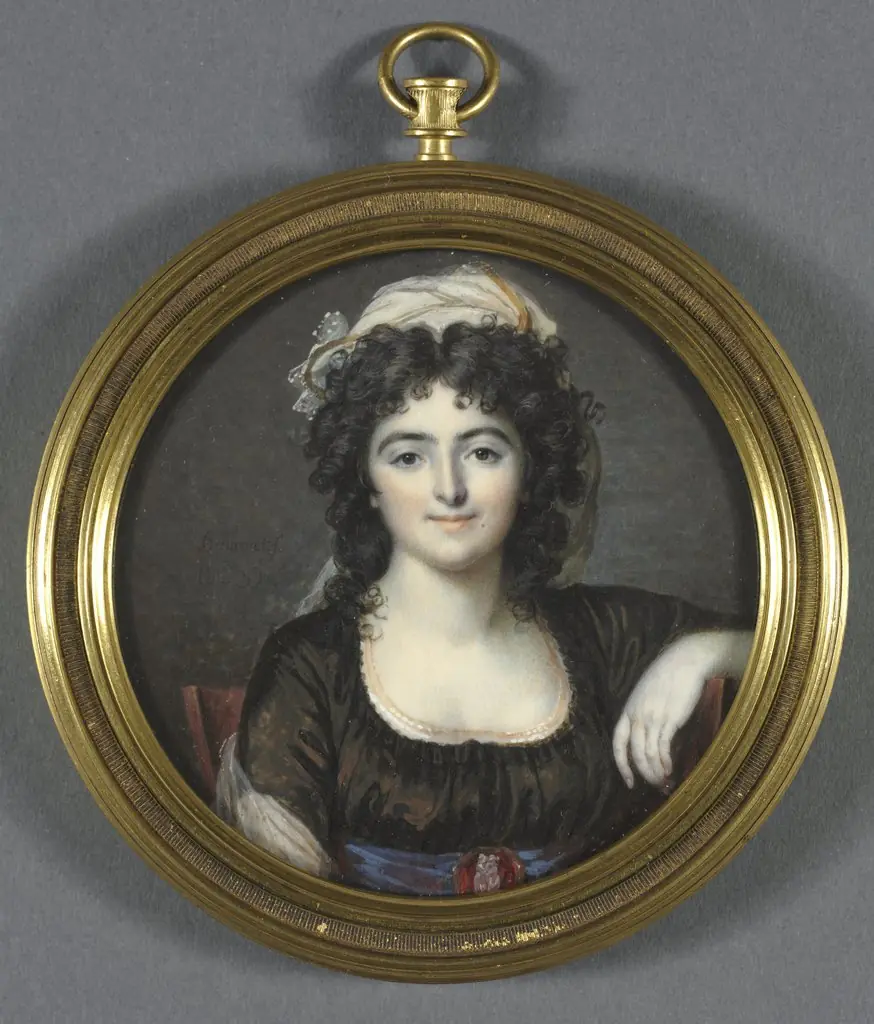 Portrait of a Woman in a Brown Dress
 Portret van een jonge vrouw