Artwork
Self-Portrait
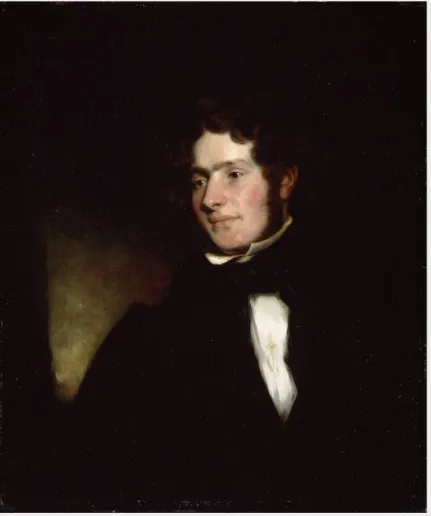
Self-Portrait is an oil painting by the Realist artist Samuel Lover. It dates from 1845 and is held in the collection of the National Gallery of Ireland.
About this work
Overview
Self-Portrait, painted in 1845 by Samuel Lover, is an oil-on-canvas work belonging to the Realism movement. It is a straightforward depiction of the artist himself.
Subject & Meaning
The subject is Samuel Lover, portrayed with dark hair and a serious expression. His attire consists of a dark coat and a neatly tied white cravat, conveying a sense of formality and professionalism.
Technique & Style
The painting employs chiaroscuro, with strong, one-sided lighting creating pronounced shadows on the subject's cheek and jaw. This technique, set against a plain dark background, serves to accentuate Lover's facial features.
History & Provenance
Created in 1845, the work reflects Lover's versatility as an Irish artist also known for songwriting and novel writing, though primarily recognized for portrait painting, including miniatures.
Context
As a Realist work, Self-Portrait aligns with the movement's emphasis on accurate, detailed representation of everyday life and individuals, eschewing romanticization.
Legacy
While specific lasting impacts of this Self-Portrait on the broader art historical canon are not prominently documented, it remains a characteristic example of mid-19th-century Realist portraiture.
Artist & collection
Artist
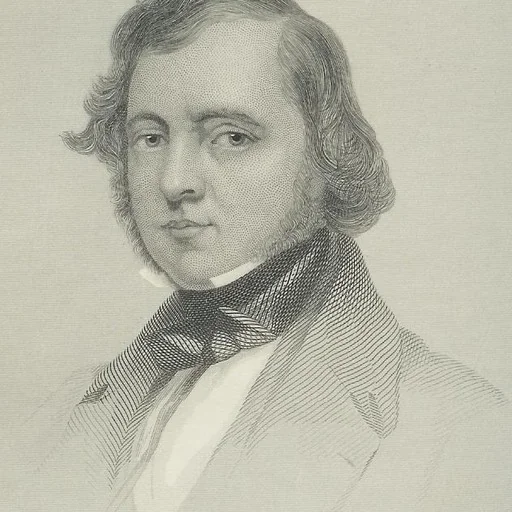
Samuel Lover (24 February 1797 – 6 July 1868), also known as "Ben Trovato" ("well invented"), was an Irish songwriter, composer and novelist, and a portrait painter, chiefly in miniatures. He was the grandfather of Victor Herbert.

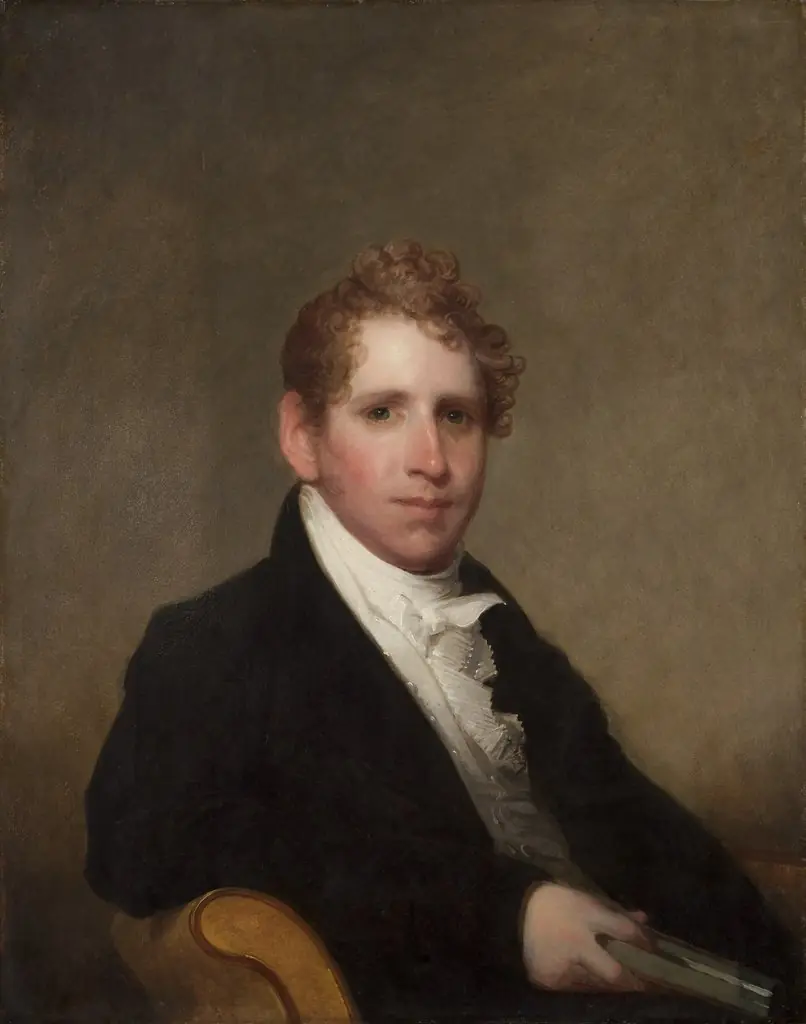 Dr. James Stuart
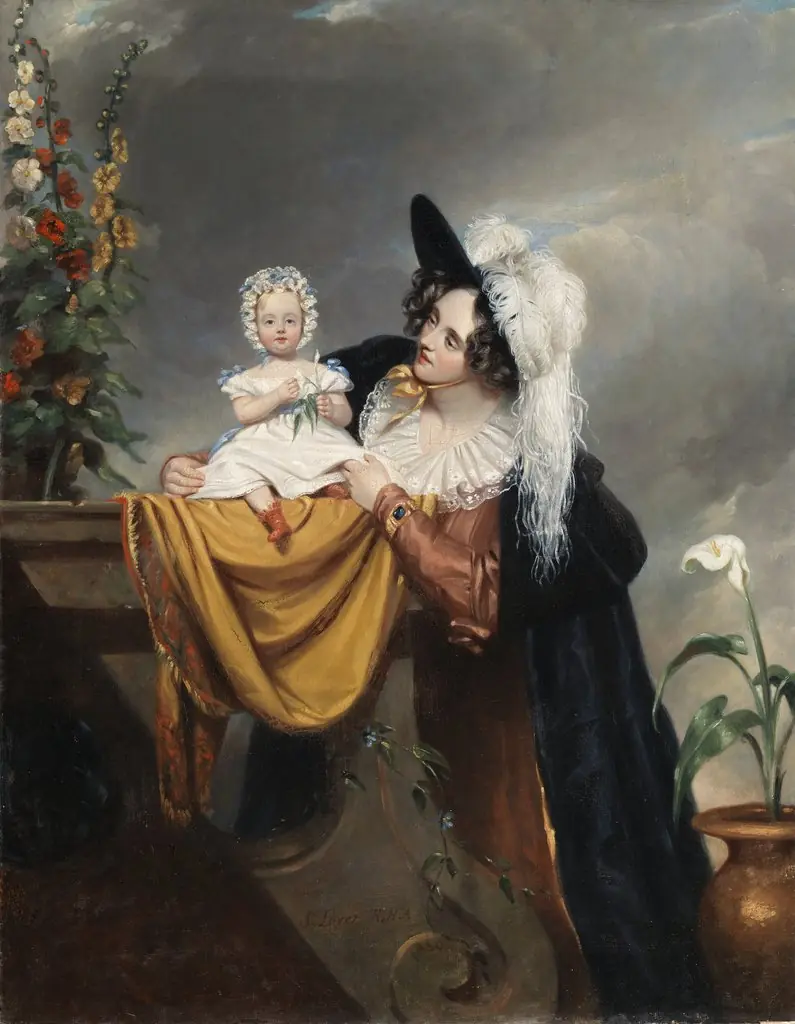
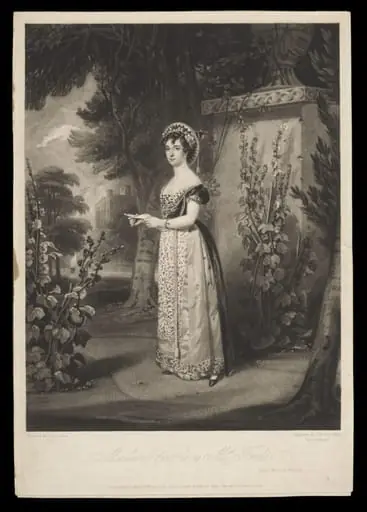
 Dr. James Stuart; Mary Campbell Stuart
 Dr. James Stuart
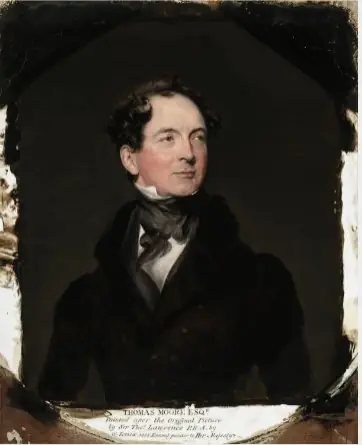 Thomas Moore, Poet
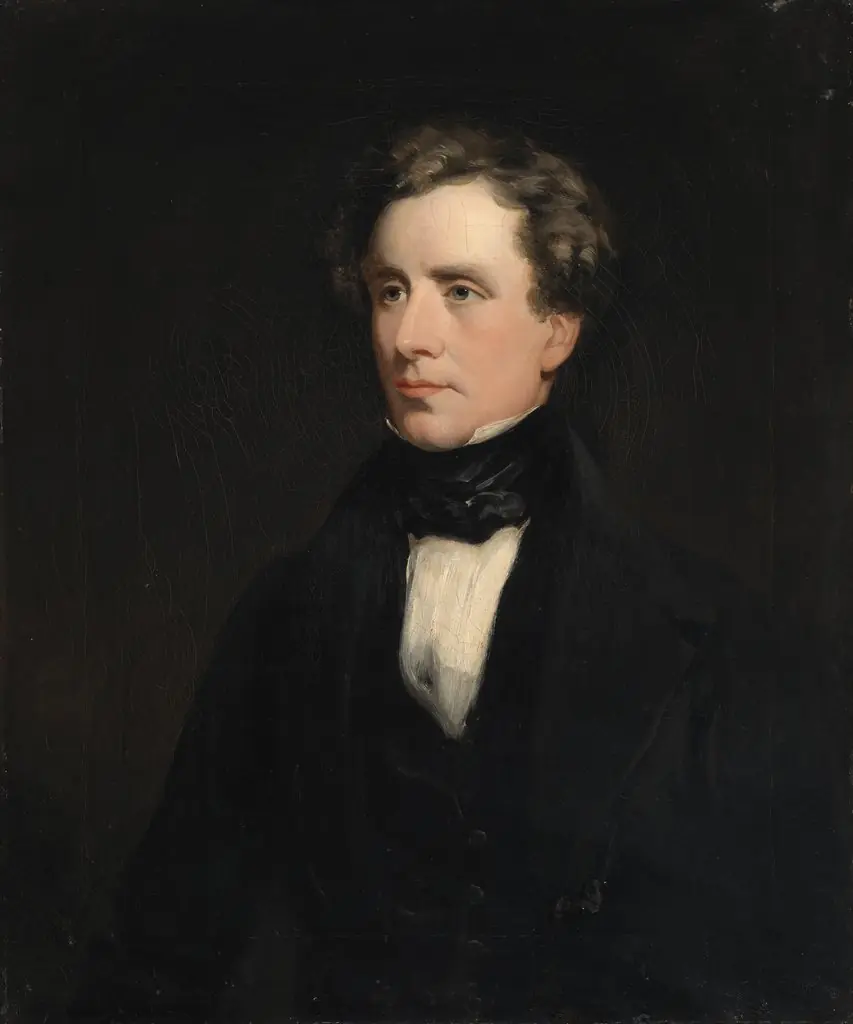 Portrait of Thomas Francis Meagher, 'Meagher of the Sword' (1823-1867), Young Irelander
 Portrait of Sir Frederic William Burton (1816-1900), Artist and Director, National Gallery, London
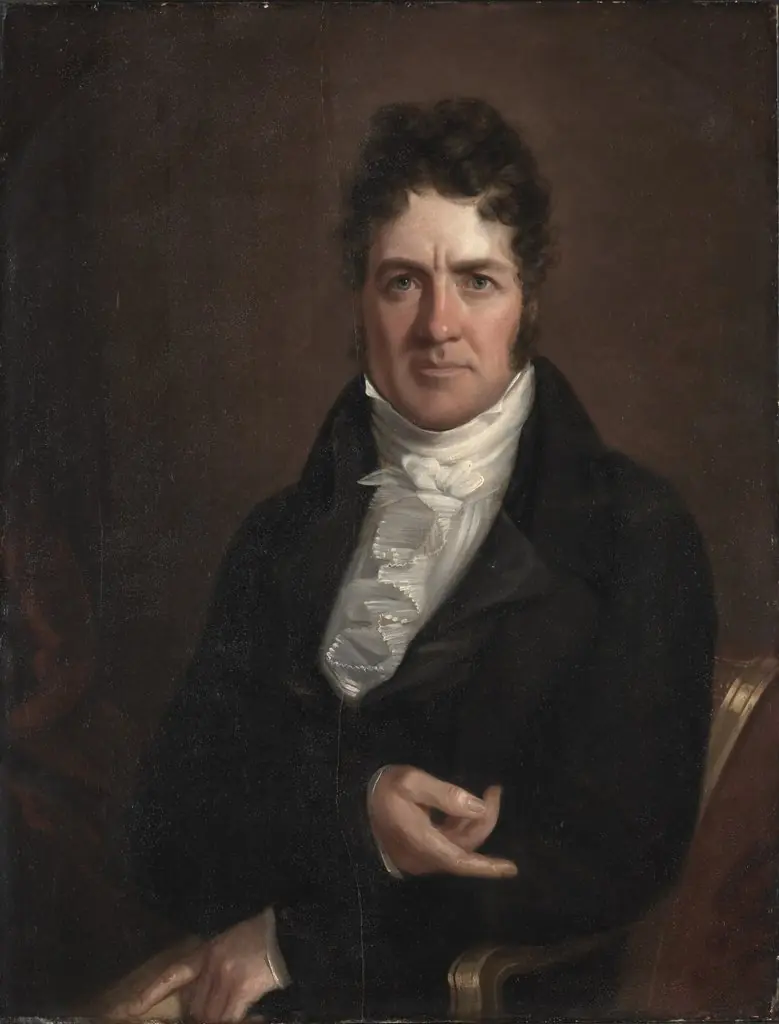 Thomas Abthorpe Cooper
 George Dodd
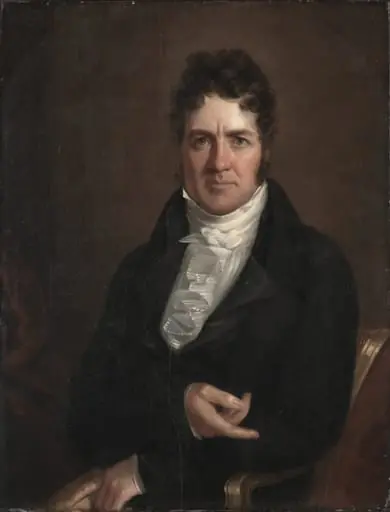 Thomas Abthorpe Cooper
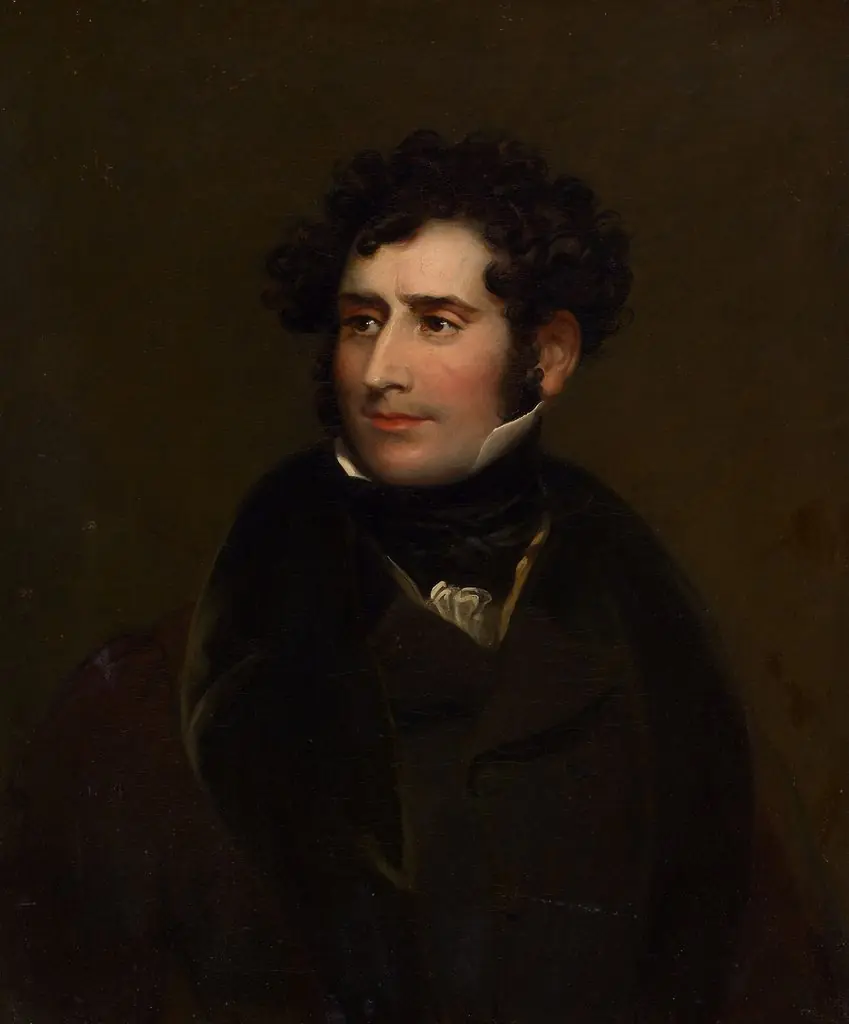 James William Wallack
 Portrait of John Banim (1798-1842), Novelist and Poet
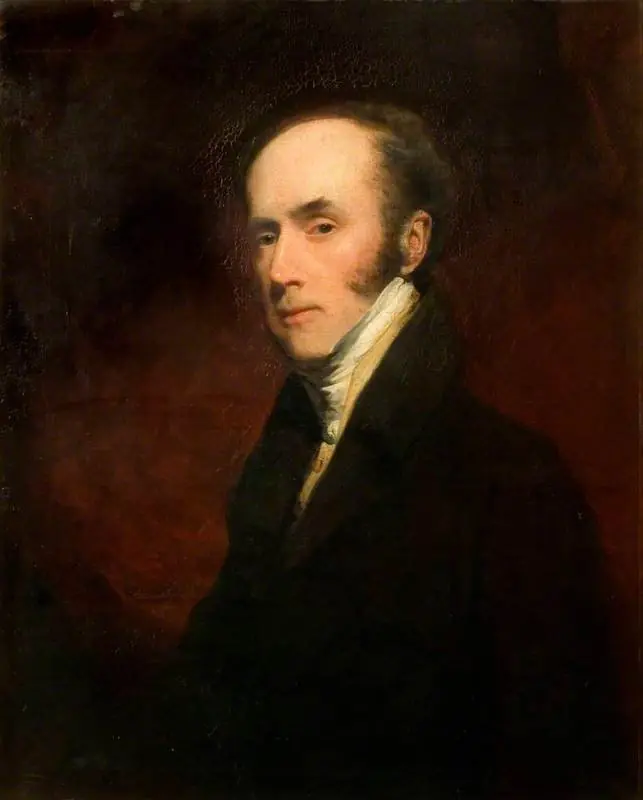 Charles Grey (1764–1845), 2nd Earl Grey