Artwork
Ploughing
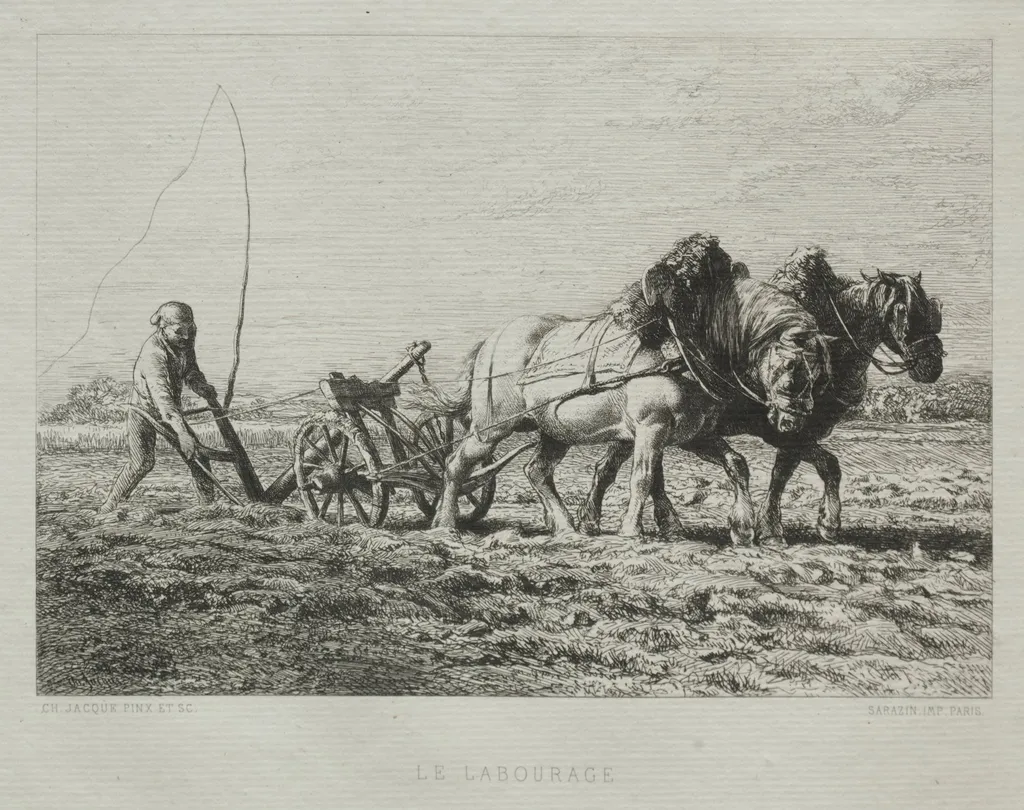
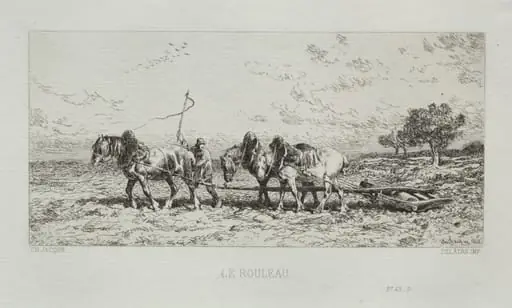
Ploughing is a print by the Impressionist artist Charles Jacque. It dates from 1864 and is held in the collection of the Cleveland Museum of Art.
About this work
Overview
Created in 1864 by French artist Charles‑Émile Jacque, *Ploughing* is a black‑and‑white print that captures a moment of agricultural labor. The image presents a farmer directing two powerful horses as they draw a plow across freshly turned earth, rendered with crisp, decisive lines that emphasize both motion and physical effort.
Subject & Meaning
The composition focuses on the routine work of tilling a field, a theme common to Jacque’s oeuvre and to the broader Realist interest in everyday rural life. By depicting the farmer and his animals in a straightforward, unidealized manner, the print underscores the dignity and toil inherent in 19th‑century agrarian labor.
Technique & Style
Jacque employs a stark, linear engraving technique, likely informed by his background as a map engraver in the French army. The precise incisions delineate muscular tension in the horses and the freshly cut furrows, while the minimal tonal range creates a sense of immediacy and focus on form rather than color.
History & Provenance
The work belongs to the collection of the Cleveland Museum of Art. It reflects Jacque’s affiliation with the Barbizon School, a group of artists who favored naturalistic depictions of the countryside and often worked alongside contemporaries such as Jean‑François Millet.
Context
During the mid‑19th century, French artists increasingly turned to Realist subjects, portraying the lives of peasants and laborers with honesty. *Ploughing* aligns with this movement, offering a visual document of agricultural practices while echoing the Barbizon School’s commitment to observing nature directly.
Artist & collection
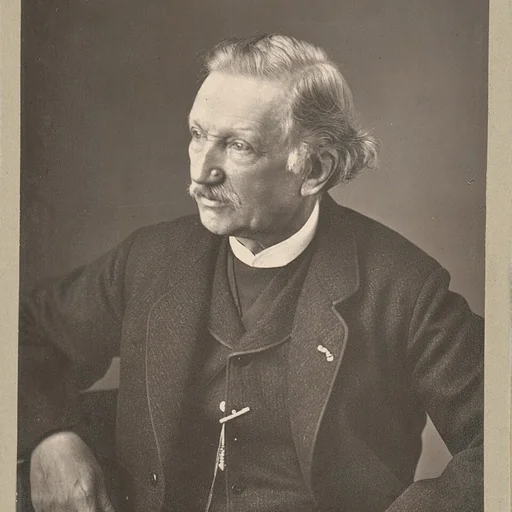
Artist
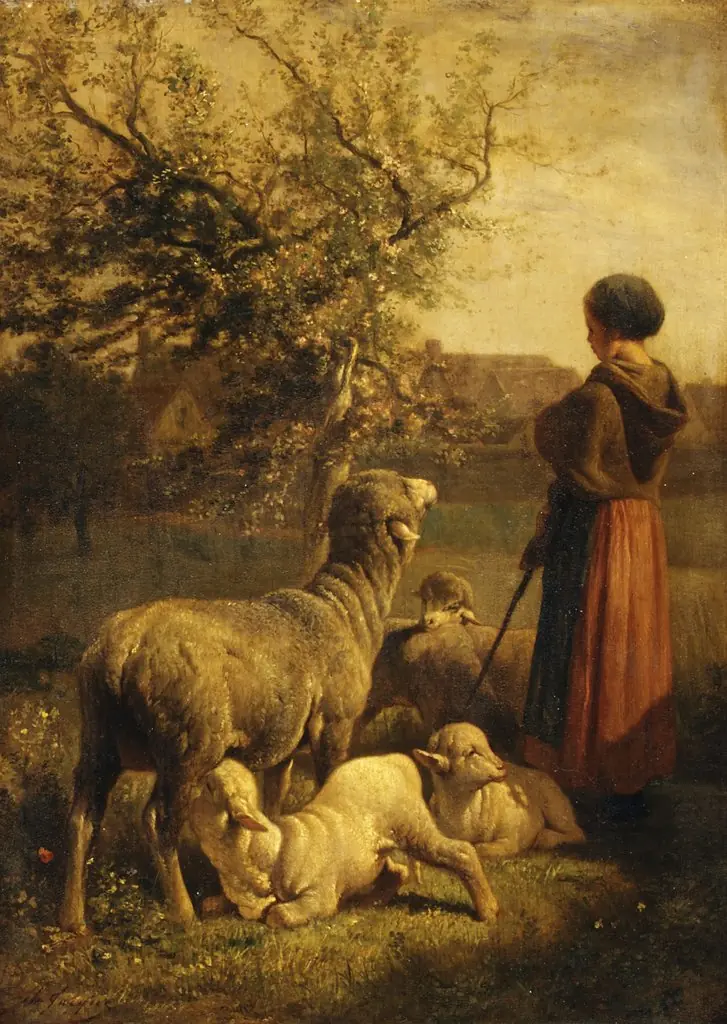
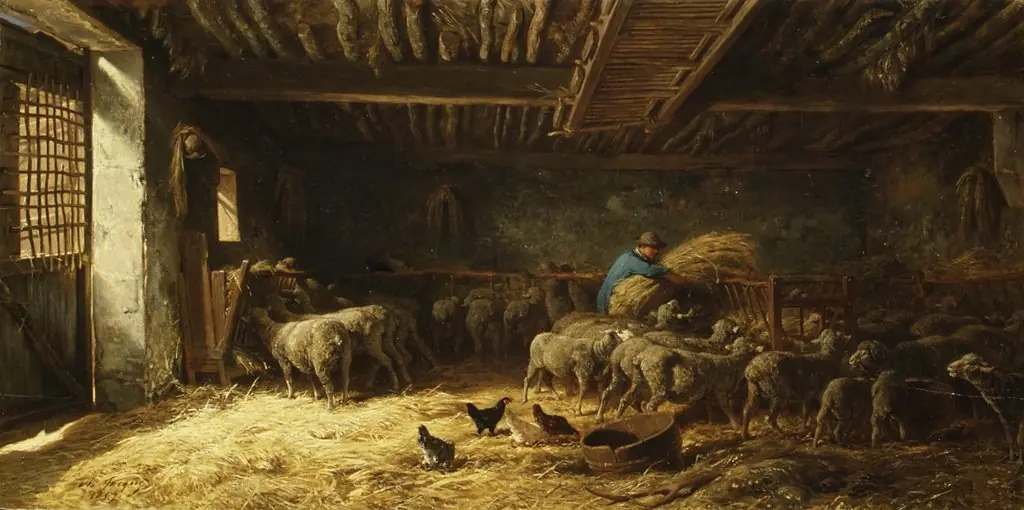
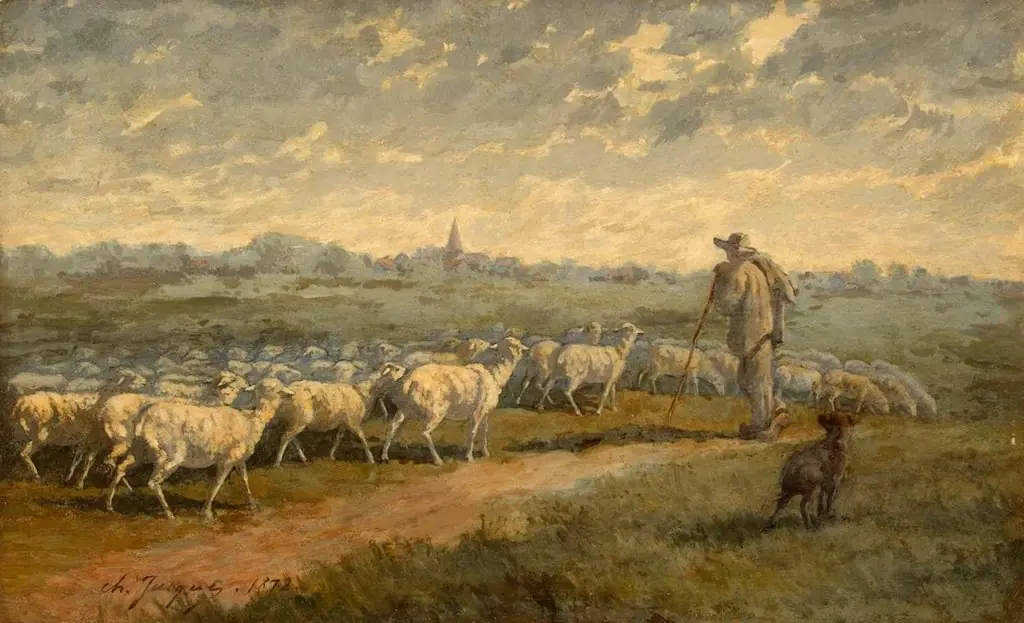
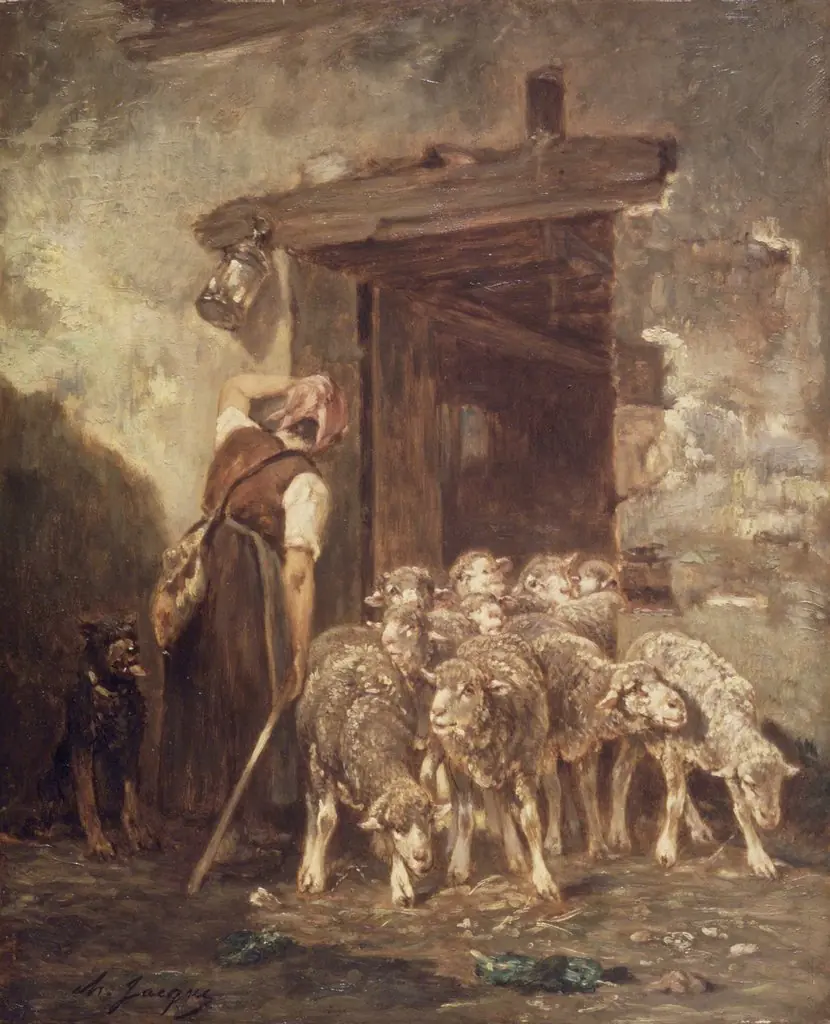
Charles-Émile Jacque (23 May 1813 – 7 May 1894) was a French painter of Pastoralism and engraver who was, with Jean-François Millet, part of the Barbizon School. He first learned to engrave maps when he spent seven years in the French Army.