Artwork
Still Life
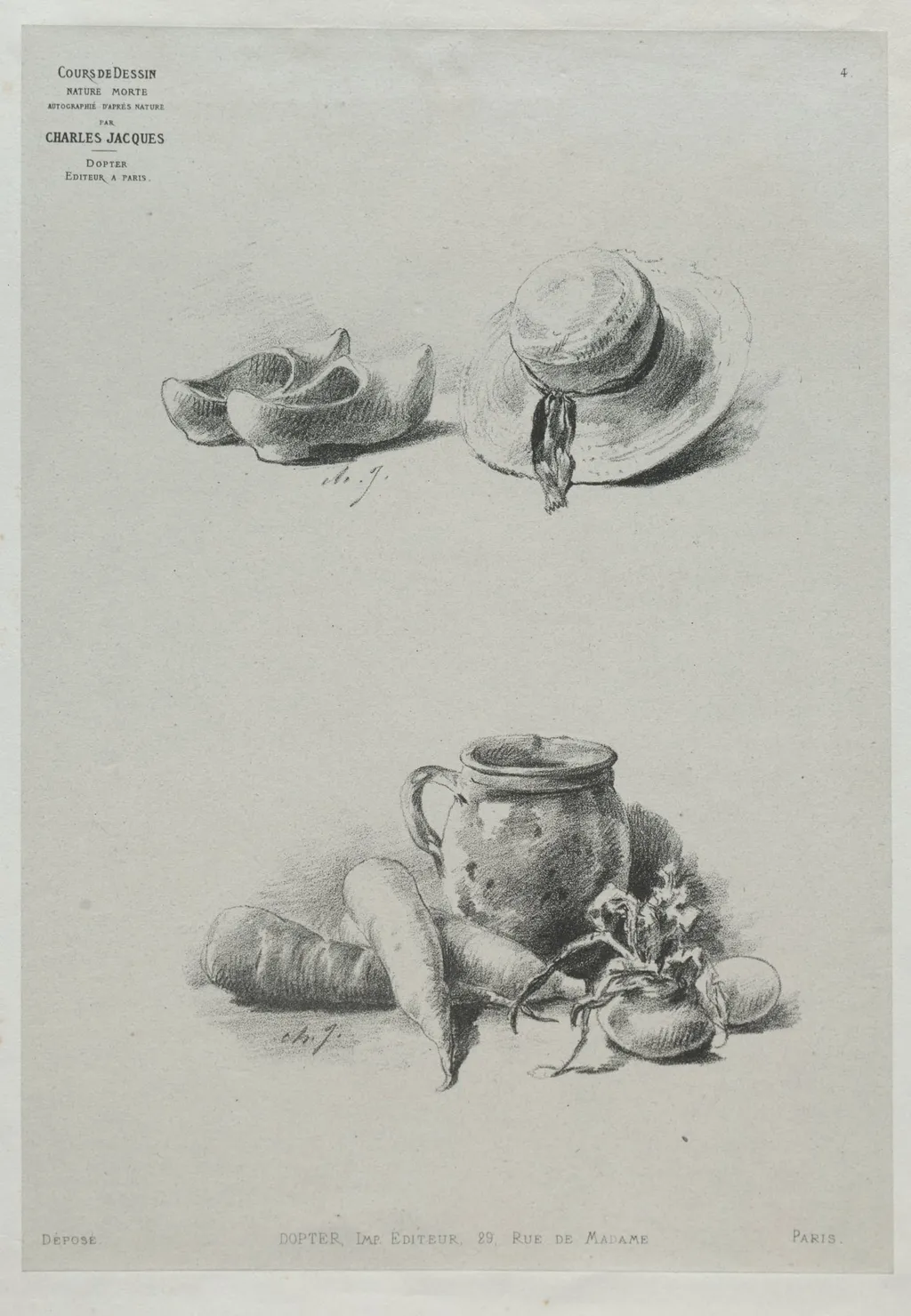
Still Life is a print by the Impressionist artist Charles Jacque. It dates from 1891 and is held in the collection of the Cleveland Museum of Art. Created around 1891 by Charles-Émile Jacque, this print is a quiet study of domestic objects rendered in delicate linear strokes.
About this work
Overview
Created around 1891 by Charles-Émile Jacque, this print is a quiet study of domestic objects rendered in delicate linear strokes.
Created around 1891 by Charles-Émile Jacque, this print is a quiet study of domestic objects rendered in delicate linear strokes. Though Jacque is better known for rural landscapes, this work reflects his interest in humble, everyday items. Executed as a drawing rather than a heavily inked engraving, it captures the stillness of a kitchen corner with minimal intervention, emphasizing form through contour rather than tone.
Subject & Meaning
The composition includes a crumpled hat, a ceramic pitcher, onions, carrots, and a sprig of greenery—common items in a rural household. These objects carry no symbolic weight beyond their utility, aligning with the Realist impulse to value the ordinary. The hat, perhaps recently worn, and the vegetables, freshly gathered, suggest a momentary pause in daily labor, inviting contemplation of quiet domestic rhythms.
Technique & Style
Jacque employed soft, fluid lines with little to no cross-hatching or shading, relying on contour and subtle variation in line weight to suggest volume. The pitcher’s curve and the hat’s folds emerge through rhythmic, almost calligraphic strokes. The absence of strong contrast gives the image a light, sketchlike quality, as if recorded in passing—a deliberate choice to preserve immediacy over finish.
History & Provenance
The work entered the collection of the Cleveland Museum of Art as part of its broader acquisition of 19th-century French prints. Jacque’s background as a military map engraver informed his precise yet unadorned draftsmanship. Though not widely exhibited, this piece reflects his later shift from grand pastoral scenes to intimate, observational studies, likely influenced by the Realist movement’s emphasis on authenticity.
Context
Emerging from the Barbizon tradition, Jacque shared with his peers a reverence for rural life and natural forms. While contemporaries like Millet depicted laborers, Jacque turned his attention to the quiet artifacts of that life—tools, vessels, produce. This print aligns with a broader 19th-century trend in which artists, reacting against idealization, sought dignity in the unembellished details of ordinary existence.
Legacy
Though not among Jacque’s most celebrated works, this print exemplifies his quiet mastery of line and his commitment to understated observation. It contributes to a lineage of still-life studies that prioritize presence over symbolism, influencing later artists who valued the poetic potential of the mundane. Its preservation in a major museum underscores its role as a modest but significant document of Realist aesthetics.
Artist & collection
Artist
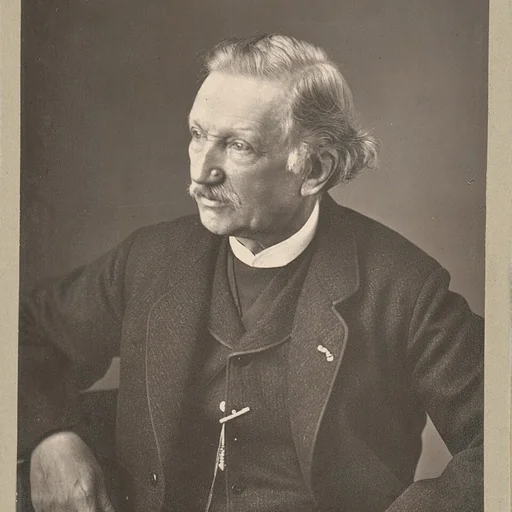
Charles-Émile Jacque (23 May 1813 – 7 May 1894) was a French painter of Pastoralism and engraver who was, with Jean-François Millet, part of the Barbizon School. He first learned to engrave maps when he spent seven years in the French Army.

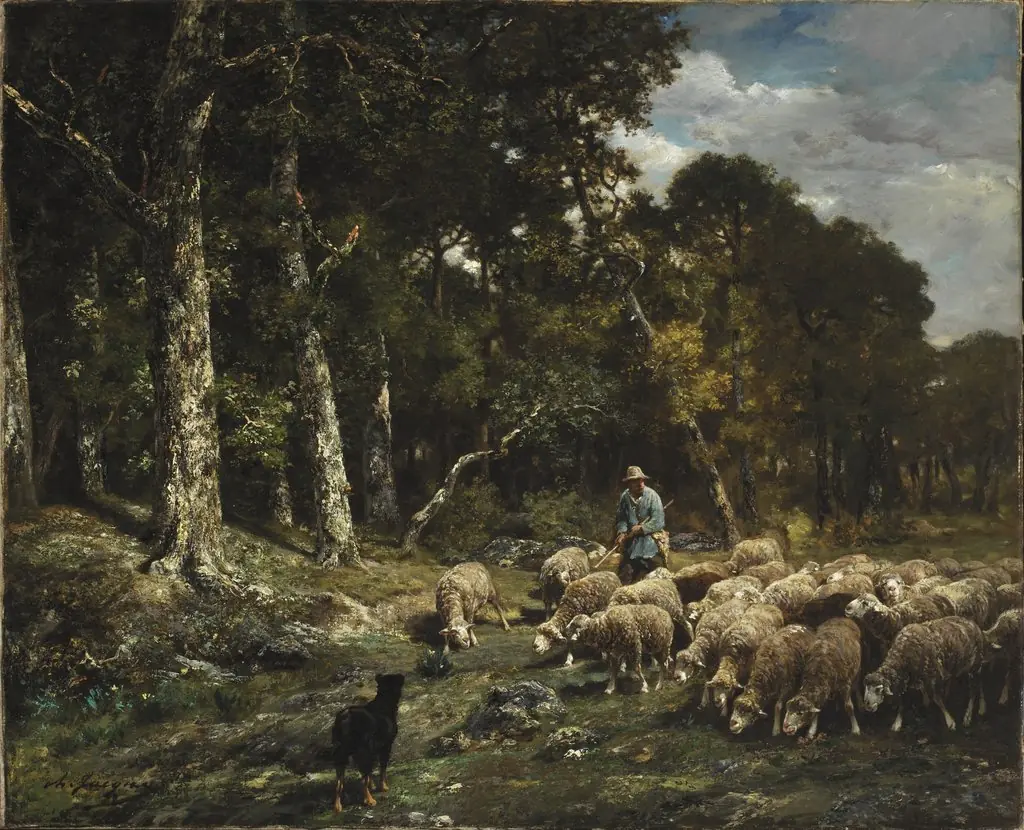
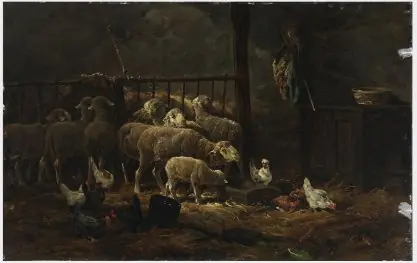
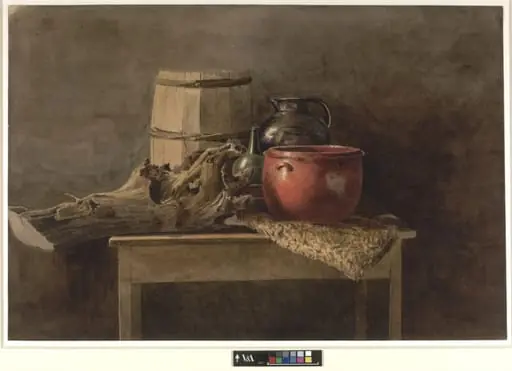 Still Life
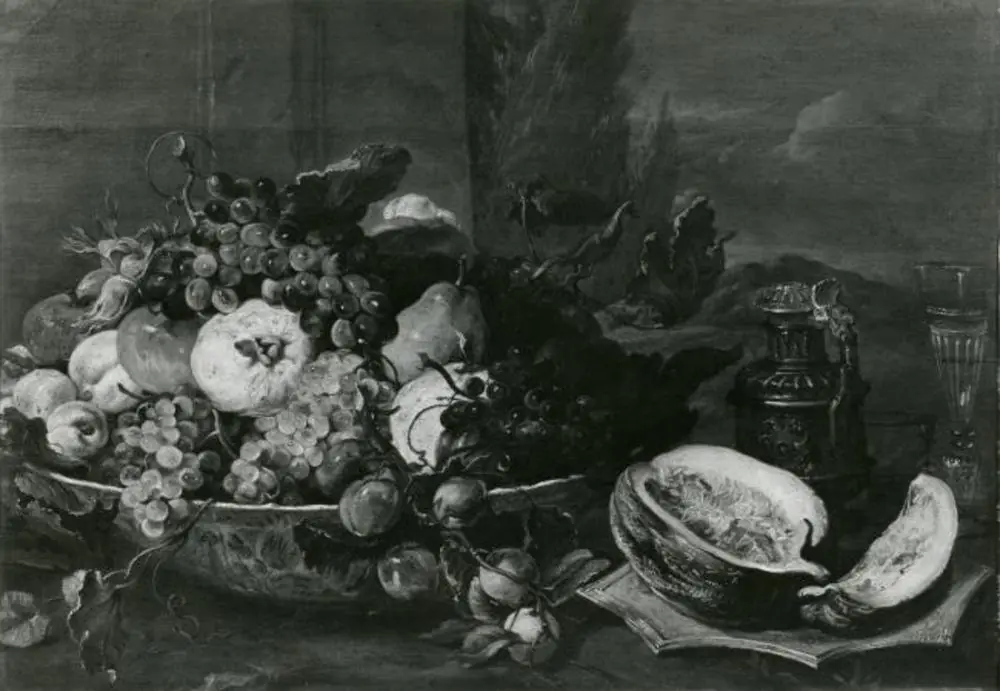 Still Life
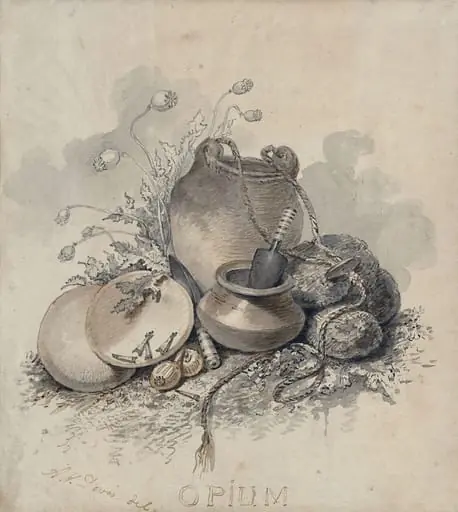 A group of objects associated with the cultivation of opium
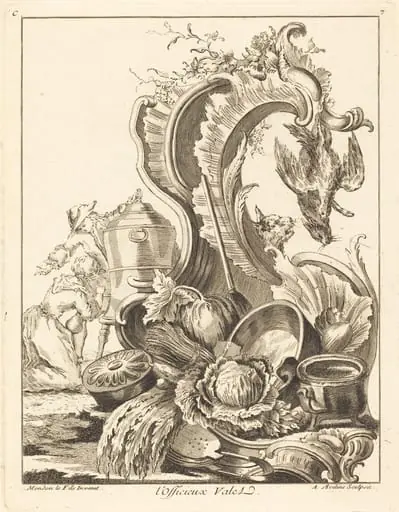 l'Officieux Valet
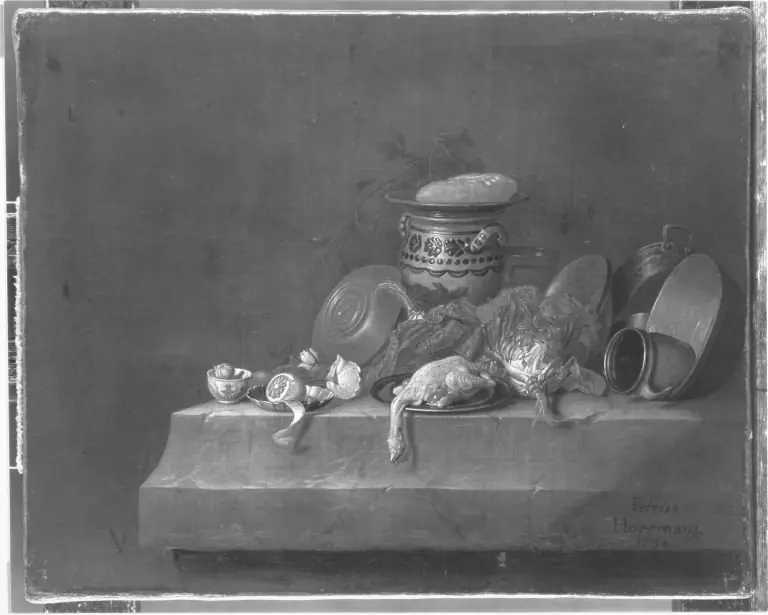 Stillleben mit gerupftem Huhn
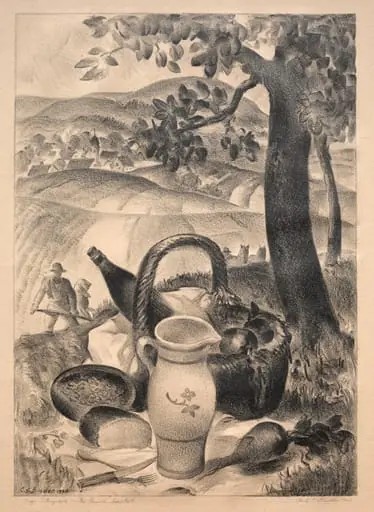 The Lunch Basket
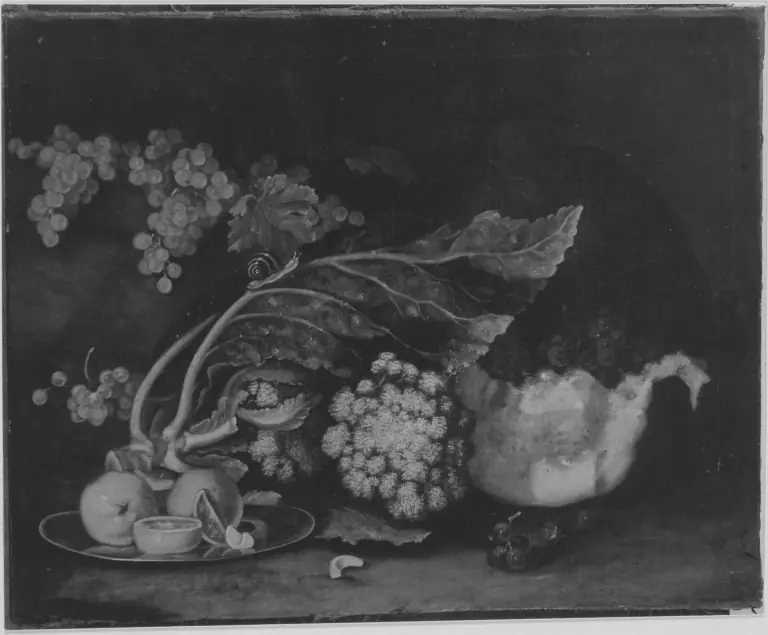 Früchtestück
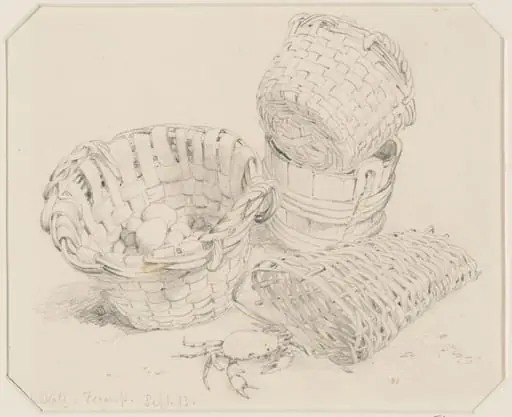 Baskets
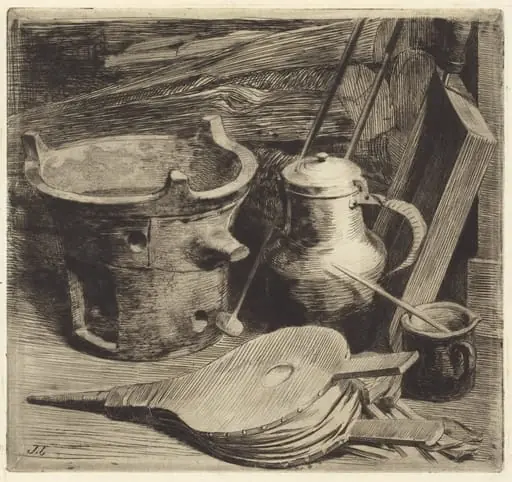 Le feu (Fire)
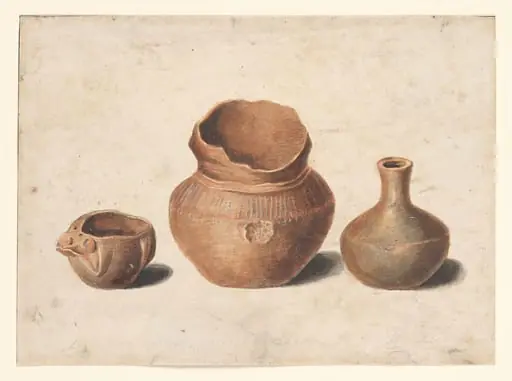 Indian Antiquities (Copy after Engraving in American Medical and Philosophical Register, 1812)
![Study of a Pottery Jug [recto], by John Everett Millais](https://artifactworldgallery.com/img/john-everett-millais--study-of-a-pottery-jug-recto--0a3d6de45388ffd7-w320.webp) Study of a Pottery Jug [recto]
Study of a Pottery Jug [recto]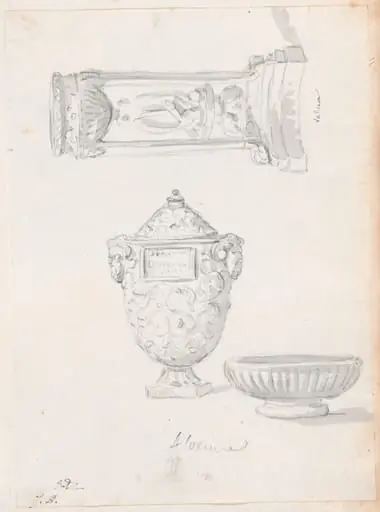 Decorative Details from Florence and the Vatican