Artwork
Benjamin Franklin (1706–1790), after a Painting by Greuze of 1777
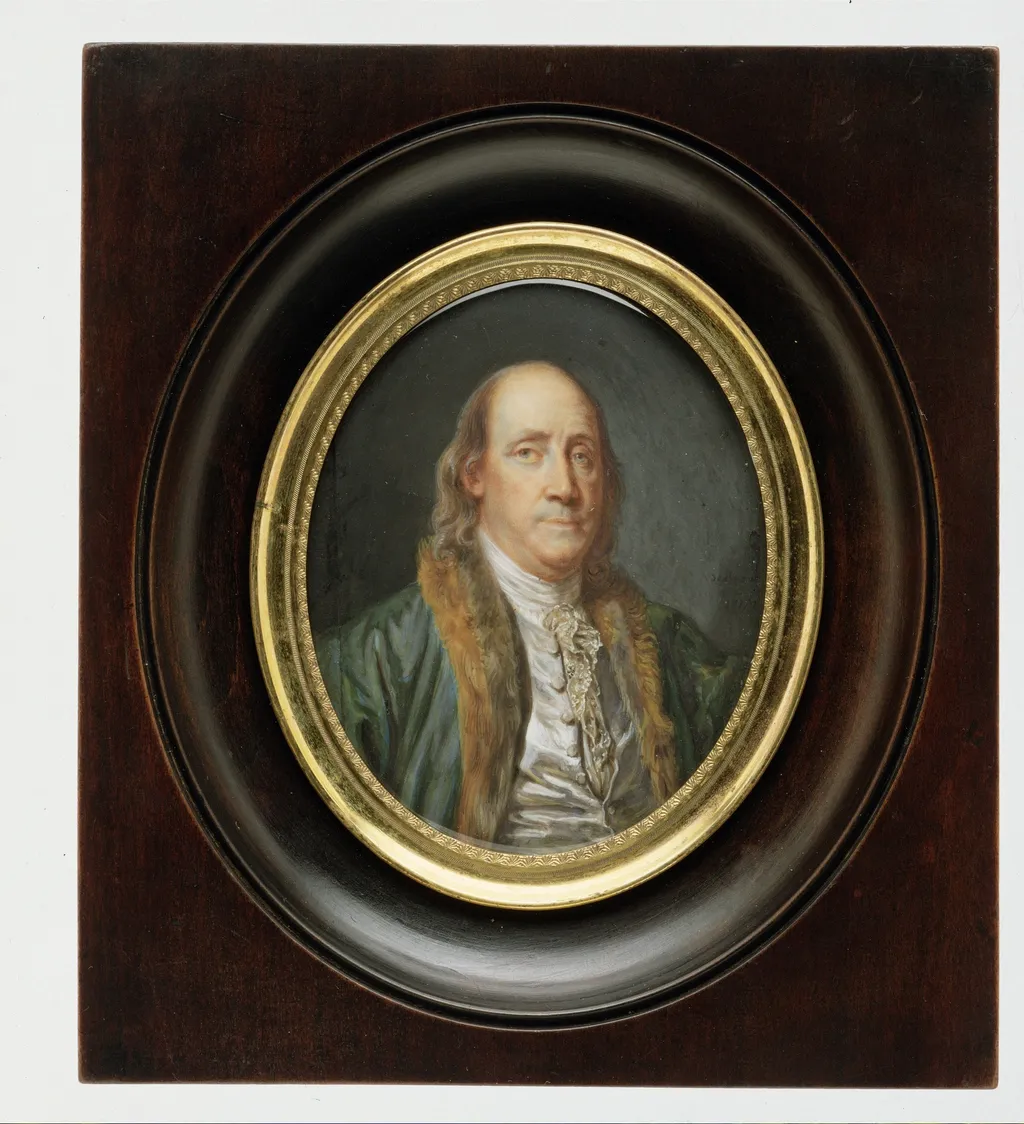
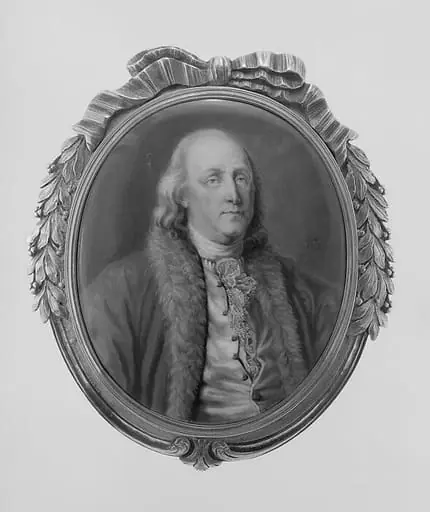
Benjamin Franklin (1706–1790), after a Painting by Greuze of 1777 is an ivory painting by Charles Paul Jérôme de Bréa. It dates from 1789 and is held in the collection of the Metropolitan Museum of Art.
About this work
Overview
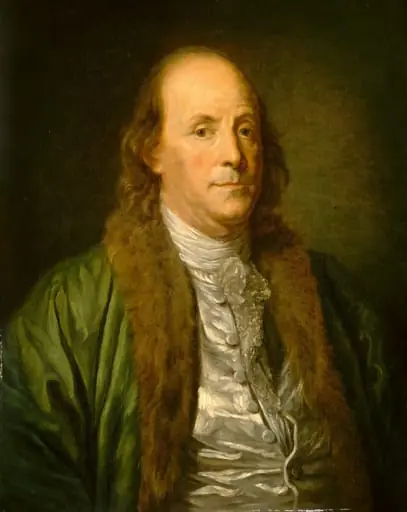
Charles Paul Jérôme de Bréa created this miniature portrait of Benjamin Franklin in 1789. Executed in carved ivory, the small, round artwork is based on a 1777 painting by Jean-Baptiste Greuze. It captures the esteemed American statesman with a calm yet focused demeanor, rendered with delicate detail. The piece is currently part of The Metropolitan Museum of Art's collection.
Subject & Meaning
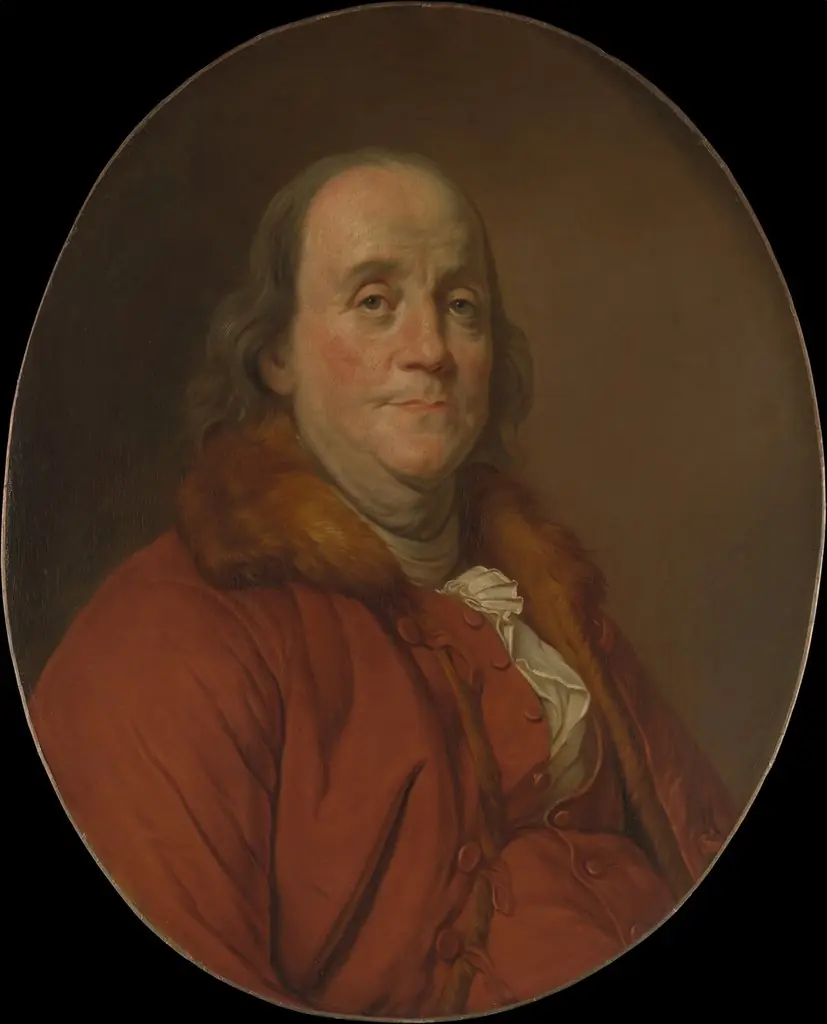
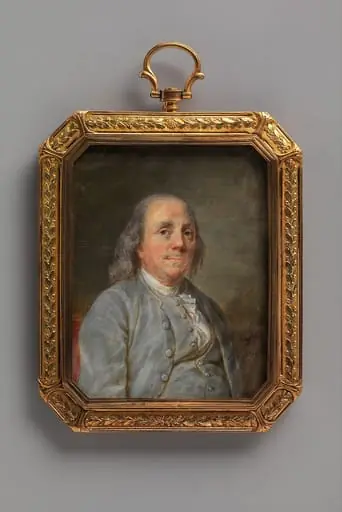
Bréa's rendition captures Franklin's serious and thoughtful expression, emphasizing his intellectual gravitas.
The portrait depicts Benjamin Franklin (1706–1790), a prominent figure of the American Enlightenment. Bréa's rendition captures Franklin's serious and thoughtful expression, emphasizing his intellectual gravitas. The work serves as a testament to Franklin's enduring public image, derived from a well-known original painting, and reflects his significant presence in late 18th-century European consciousness.
Technique & Style
This small, circular work is meticulously carved from ivory, showcasing the artist's skill in miniature portraiture. Bréa employed soft shadows and smooth transitions, creating a three-dimensional effect often referred to as chiaroscuro, to define Franklin's features. The dark background and simple gold-edged frame direct full attention to the subject, highlighting the intricate details of his white hair, lace collar, and fur-trimmed coat.
History & Provenance
Charles Paul Jérôme de Bréa completed this ivory miniature in 1789, twelve years after Jean-Baptiste Greuze painted the original portrait that served as its inspiration. The artwork offers a glimpse into the practice of reproducing popular images of notable figures during the period. Today, this finely crafted miniature is preserved within the extensive holdings of The Metropolitan Museum of Art.
Artist & collection
Artist
Charles Paul Jérôme de Bréa (1739–1820) was an artist, born in Rouen.