Artwork
Rest on the Flight into Egypt
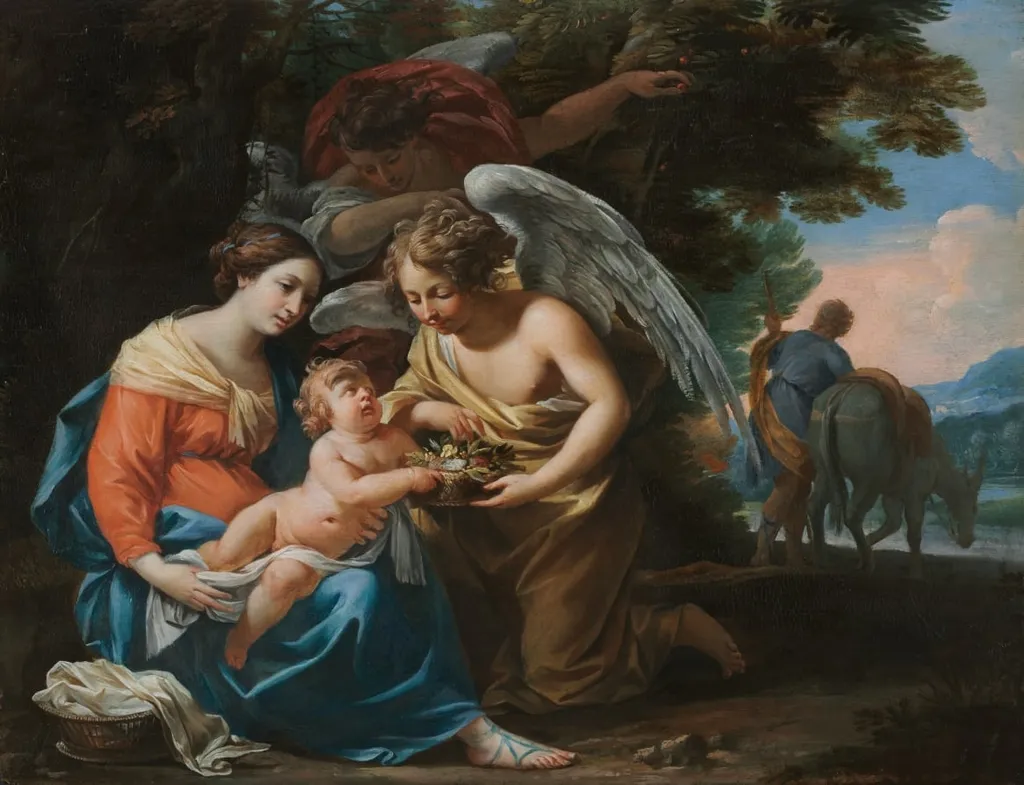
Rest on the Flight into Egypt is an unspecified painting by the Baroque artist Charles Poerson. It dates from 1640 and is held in the collection of the Cleveland Museum of Art. This modest oil painting on oak measures only a few centimeters and was created as a private devotional image.
About this work
This small oak panel shows Mary resting while an angel gives the Christ Child fruit. Joseph leads their donkey away to graze. Soft pinks and blues fill the scene.
The light glows like real sunlight on faces. Details stay gentle, not sharp. Poerson painted it to fit in a home, not a big church.
Look up Charles Poërson (French, 1609–1667) to see more of his quiet style.
Overview
This modest oil painting on oak measures only a few centimeters and was created as a private devotional image. It portrays a tranquil moment from the biblical Flight into Egypt, focusing on the Holy Family at rest rather than the journey itself. The composition is intimate, designed for contemplation within a domestic setting rather than a public altar.
Subject & Meaning
In the scene, the Virgin Mary is seated while an angel presents the infant Christ with fruit, a symbolic gesture of nourishment and divine providence. Saint Joseph is shown guiding the family’s donkey to a grazing spot, emphasizing his role as protector. The quiet interaction underscores themes of refuge and familial care during exile.
Technique & Style
The work employs a delicate palette of soft pinks and blues, with a translucent handling of light that bathes the figures in a gentle glow reminiscent of natural sunlight. Brushwork remains subtle, avoiding harsh outlines, which contributes to a serene, domestic atmosphere. These qualities echo the Italian-influenced aesthetic associated with Simon Vouet’s circle.
History & Provenance
Originally credited to Simon Vouet (1590–1649), recent scholarship has reassigned the painting to Charles Poërson (1609–1667), a known collaborator and follower of Vouet. The reattribution reflects stylistic analysis that aligns the piece with Poërson’s quieter, more intimate approach to religious subjects.
Context
Created in the early‑mid 17th century, the painting reflects the period’s demand for small, personal devotional objects among French patrons. Poërson’s work, while less celebrated than his master’s, illustrates the diffusion of Baroque sensibilities into private devotional practice, influencing subsequent generations of French religious painters.
Artist & collection
Artist
Charles Poerson (c. 1609 - 1667) was a French painter. He is also notable as the father and tutor of the painter Charles-François Poerson.

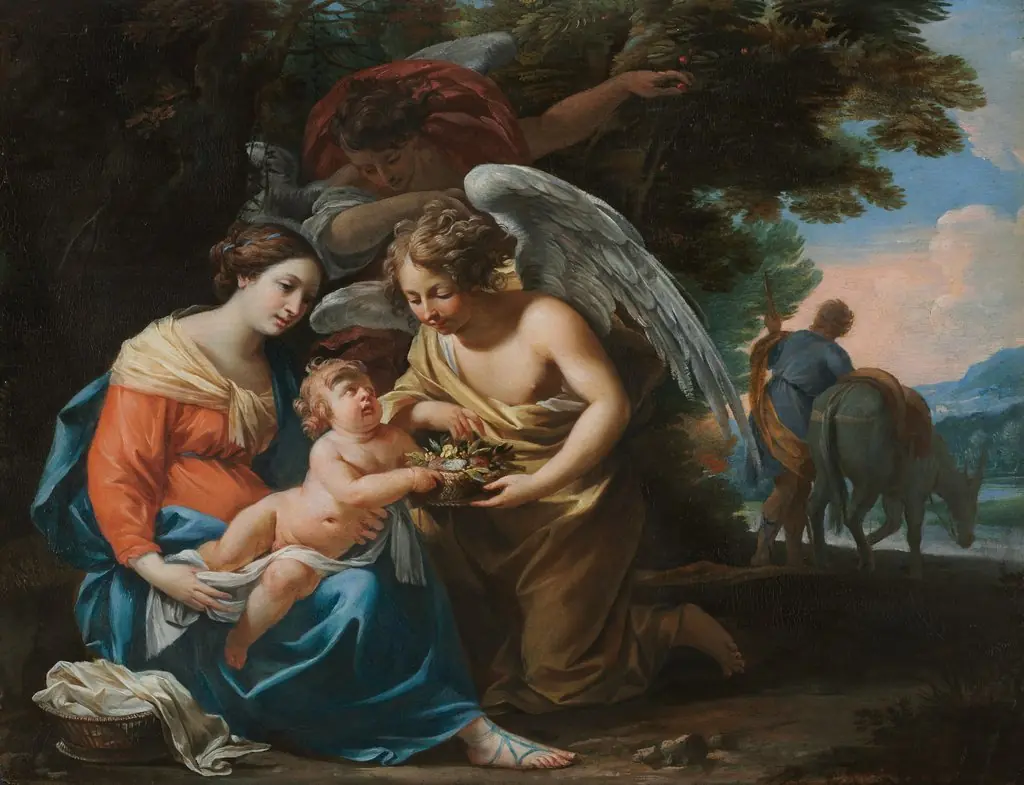
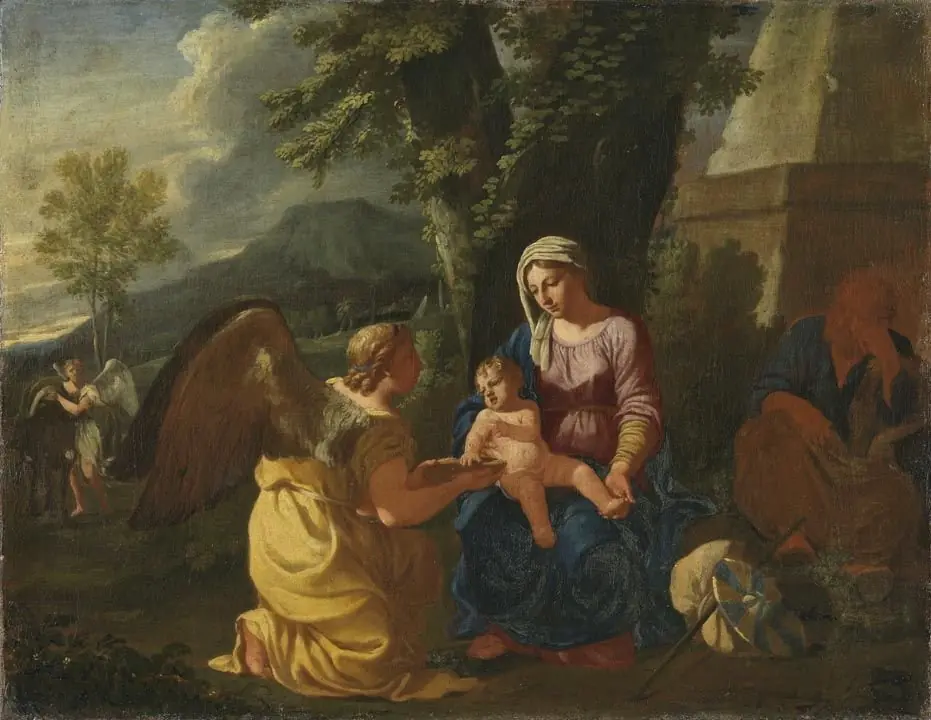
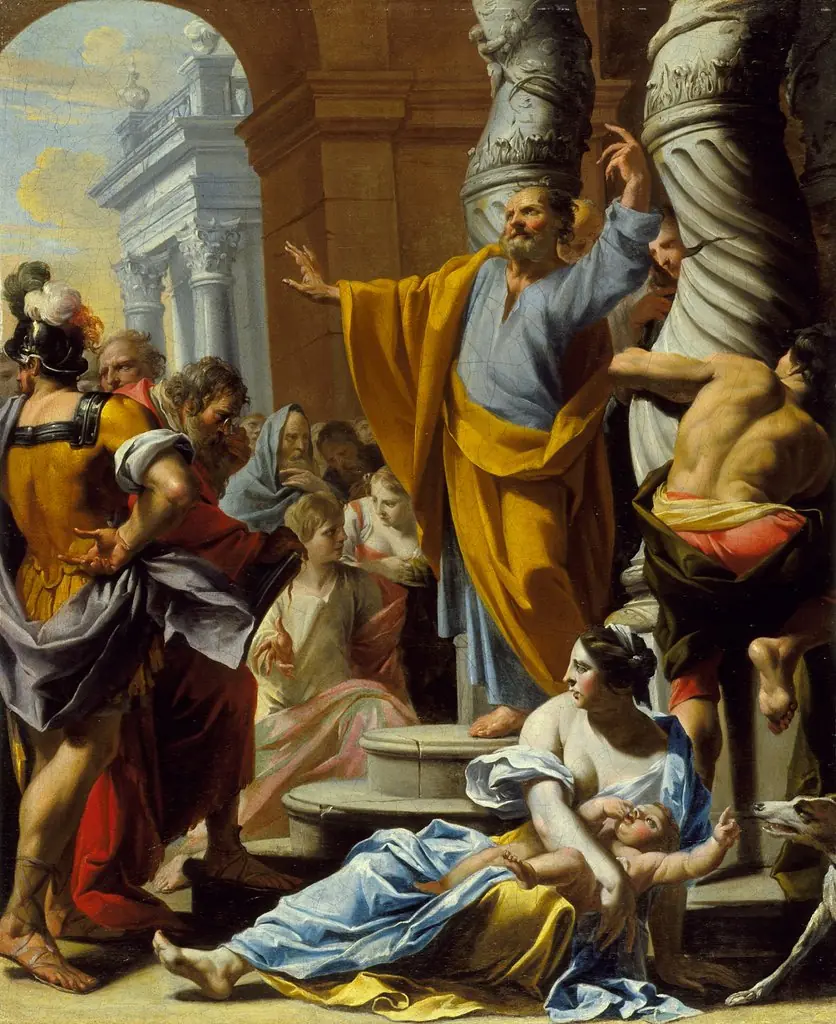
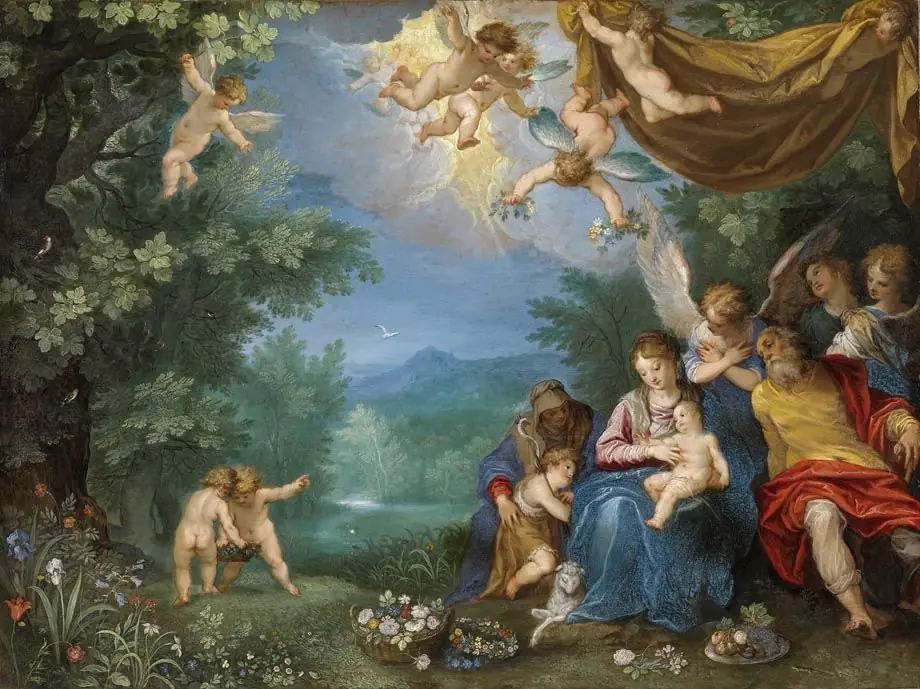 Rest on the Flight into Egypt
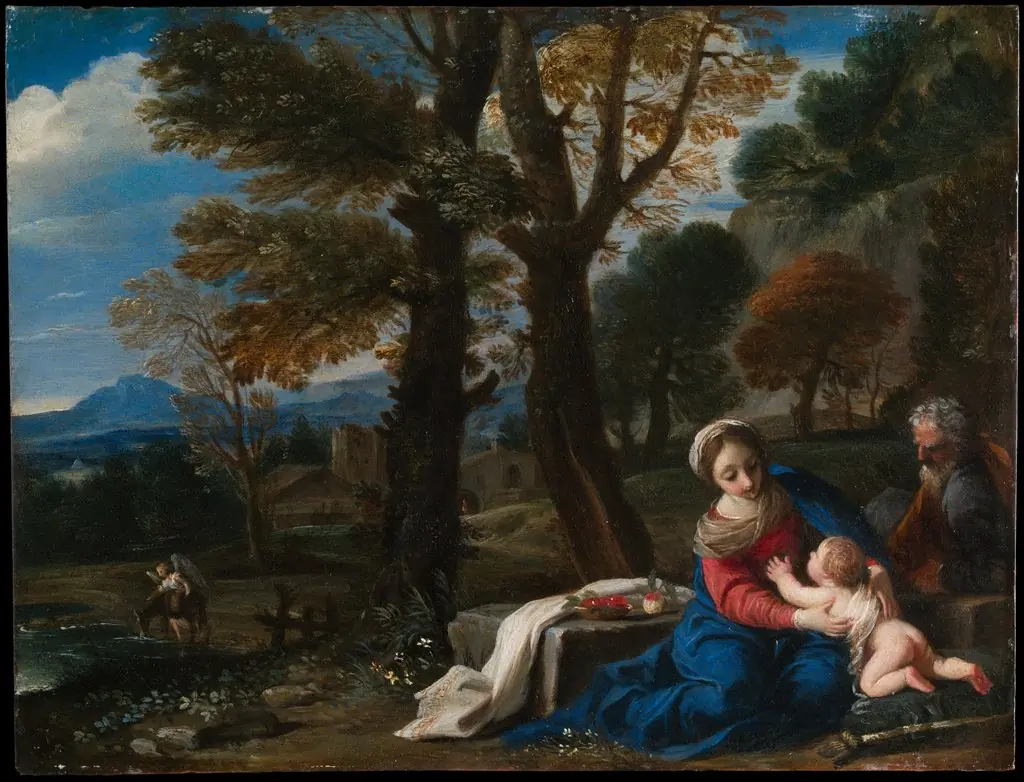 Rest on the Flight into Egypt
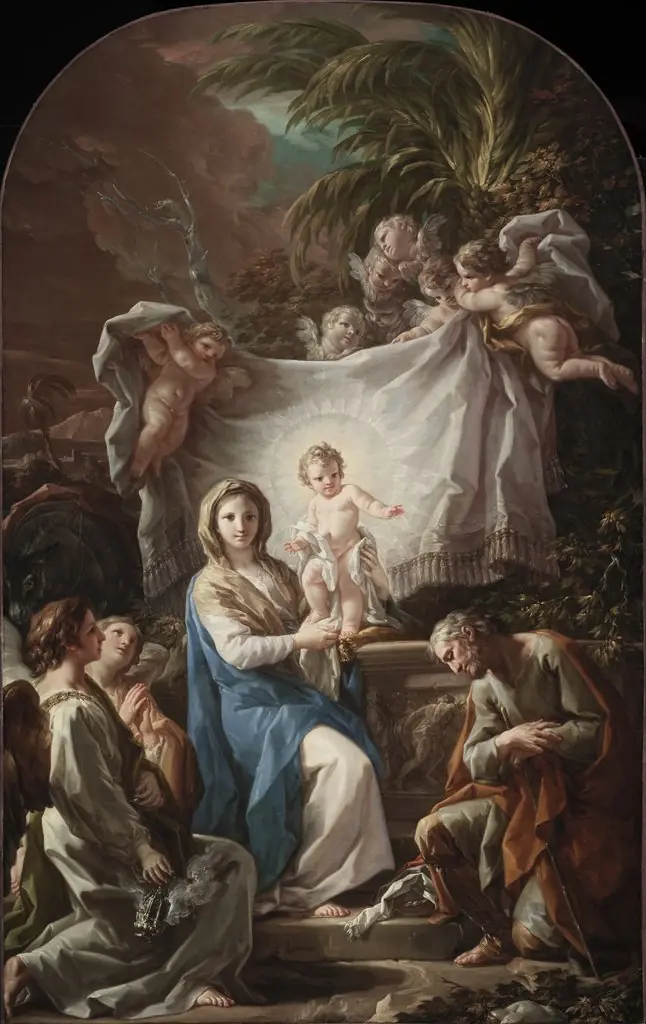 Rest on the Flight into Egypt
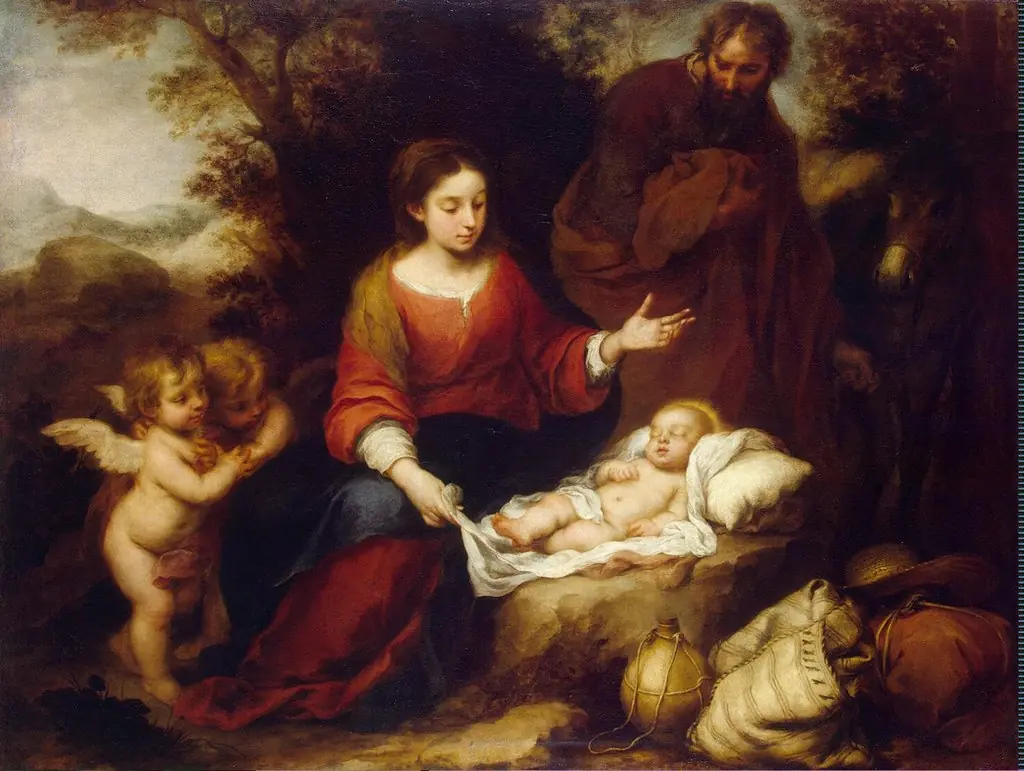 Rest on the Flight into Egypt
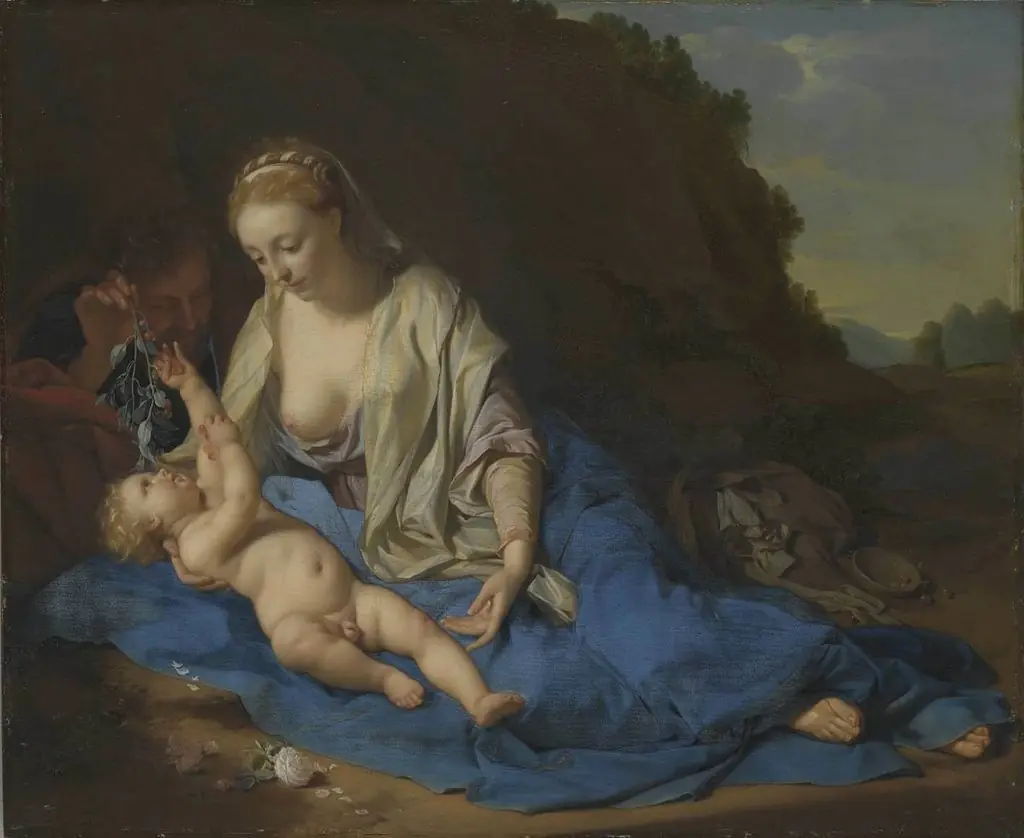 Rest on the Flight into Egypt
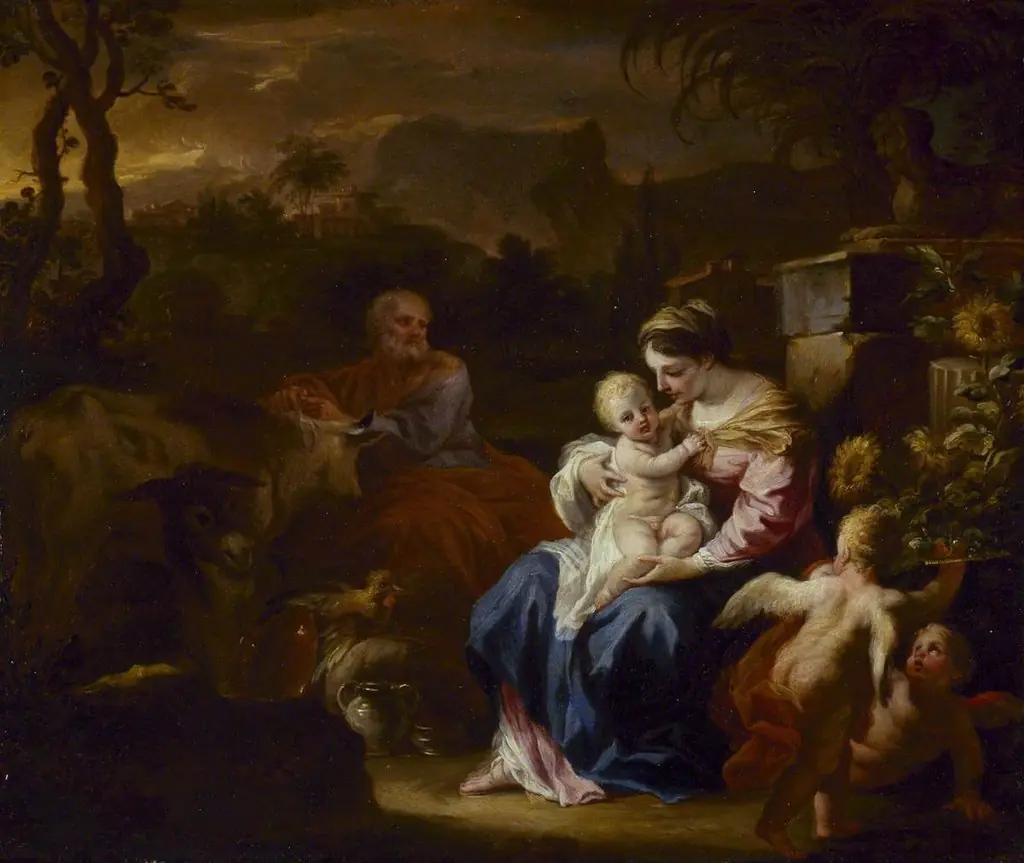 The Rest on the Flight into Egypt
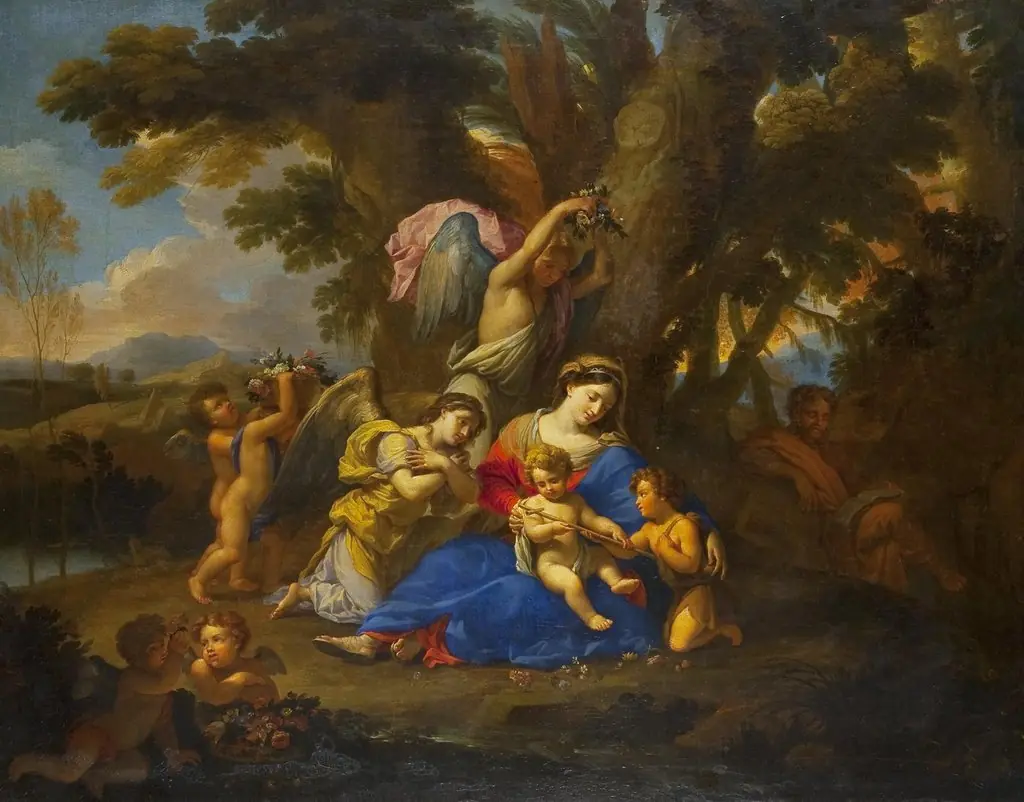 Madonna and Christ Child, with St John the Baptist and Angels
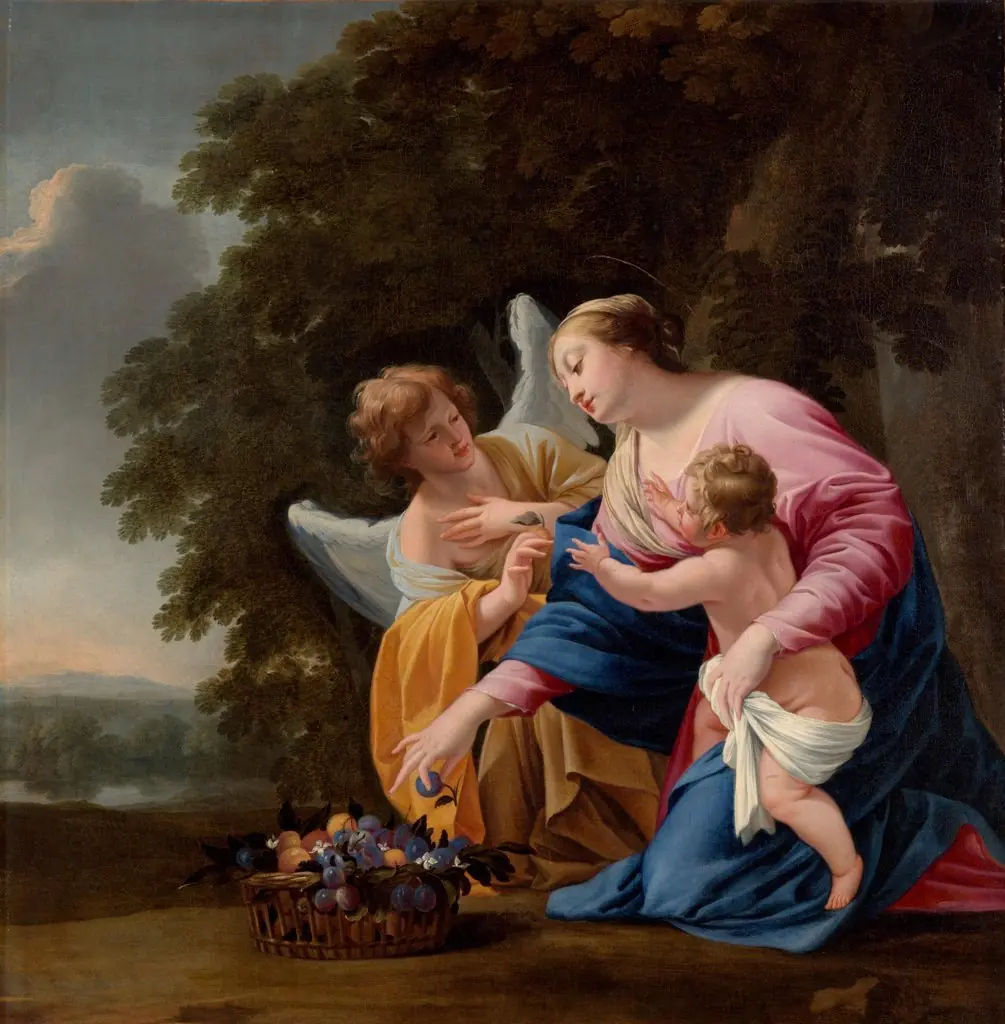 Virgin and Child, with an Angel
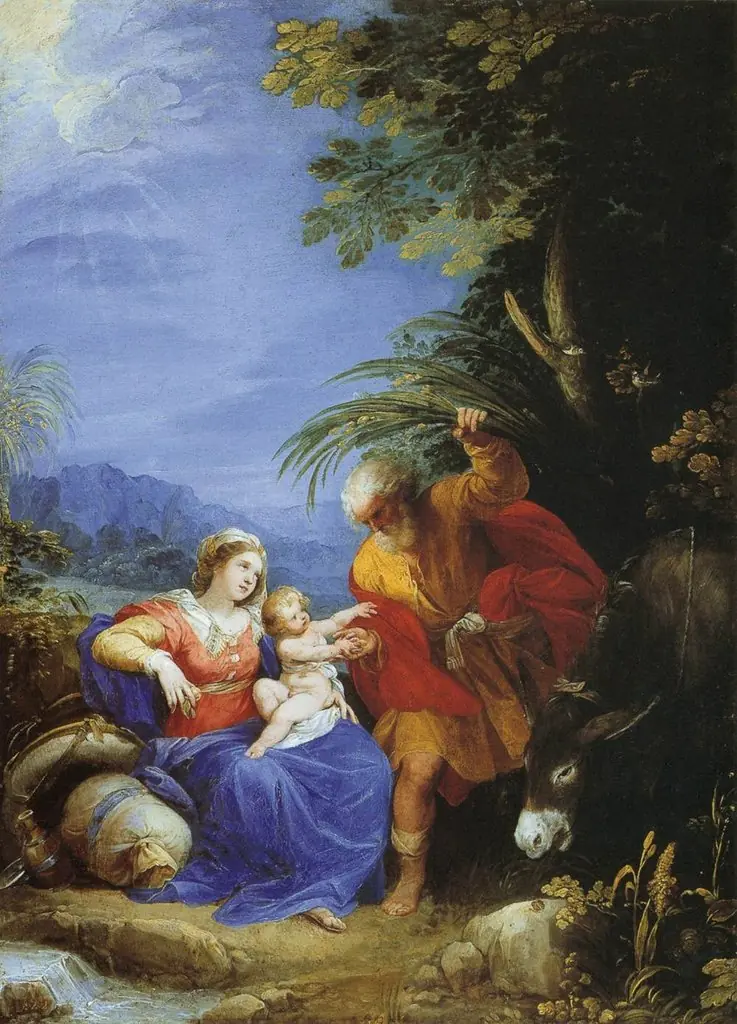 Rest on the Flight into Egypt
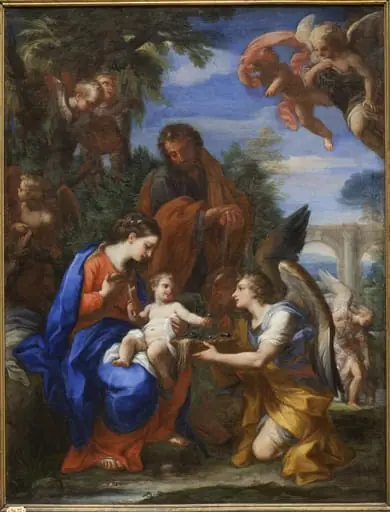 The Rest on The Flight into Egypt
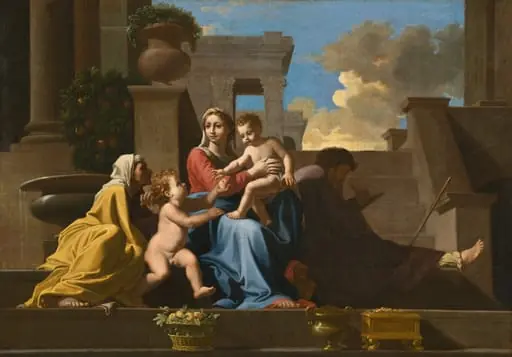 The Holy Family on the Steps