Artwork
Virgin and Child, with an Angel
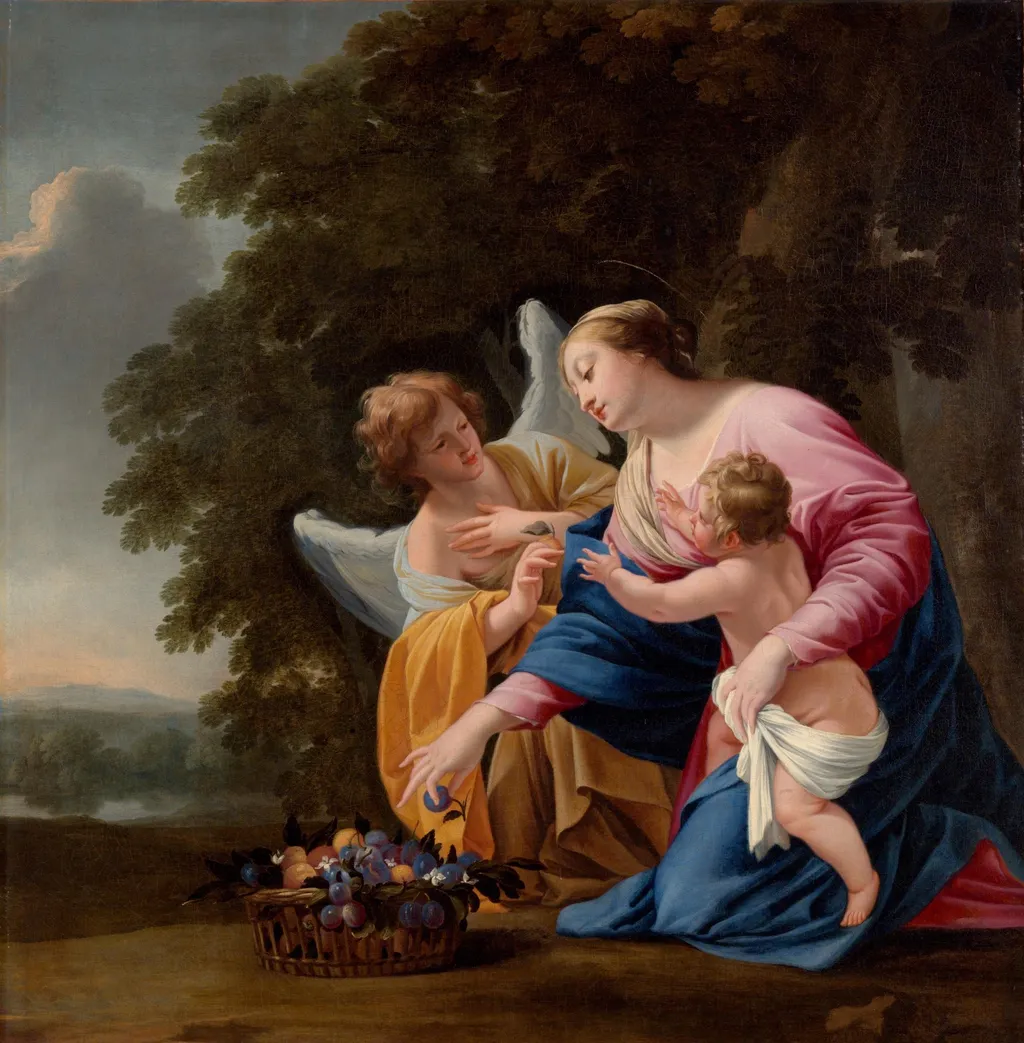
Virgin and Child, with an Angel is an oil painting by the French Classical Baroque artist Simon Vouet. It dates from 1642 and is held in the collection of the Philadelphia Museum of Art.
About this work
Overview
Vouet, who absorbed Italian Baroque traditions during years in Rome, brought a refined, emotionally restrained version of that style to the French court.
Painted in 1642 by Simon Vouet, this oil on canvas work was created during his service as Premier peintre du Roi to Louis XIII. Vouet, who absorbed Italian Baroque traditions during years in Rome, brought a refined, emotionally restrained version of that style to the French court. The painting reflects his role in shaping a distinctly French religious aesthetic, blending Italian compositional clarity with domestic tenderness.
Subject & Meaning
The Virgin Mary, seated on the earth with the Christ Child on her lap, is accompanied by a kneeling angel. The setting—a quiet grove with fruit nearby—evokes both the Garden of Eden and the humility of Christ’s earthly beginnings. The angel’s presence underscores divine witness, while the natural surroundings suggest a sacred intimacy, distancing the scene from celestial grandeur in favor of quiet reverence.
Technique & Style
Vouet employs soft, warm lighting to model the figures gently, avoiding harsh contrasts while maintaining volume and depth. The drapery of Mary’s pink and blue garments flows with subtle rhythm, and the angel’s yellow robe adds a luminous accent. Brushwork is controlled yet fluid, reflecting his Italian training and his ability to balance decorative elegance with spiritual gravity, characteristic of French Classical Baroque.
History & Provenance
Commissioned during Vouet’s official tenure at the French court, the painting likely originated as a devotional piece for royal or aristocratic use. It remained within French collections through the 17th and 18th centuries, reflecting its status as a work by the king’s principal painter. Its survival in relatively unaltered condition offers insight into early Bourbon-era religious imagery.
Context
In mid-17th century France, religious art was expected to convey piety without theatricality, aligning with the monarchy’s desire for order and decorum. Vouet’s synthesis of Italian Baroque naturalism with French restraint made him ideal for this role. His religious works, though less numerous than his mythologies, helped define a courtly visual language that preceded the more monumental style of later artists like Le Brun.
Legacy
Vouet’s Virgin and Child exemplifies the transition from Italianate exuberance to French classicism in religious painting. Though overshadowed by later generations, his influence endured through his students and the stylistic norms he established at the French court. This work remains a quiet testament to how Italian techniques were adapted to serve a more subdued, intimate spirituality in early modern France.
Own this work as a print
Artist & collection
Artist
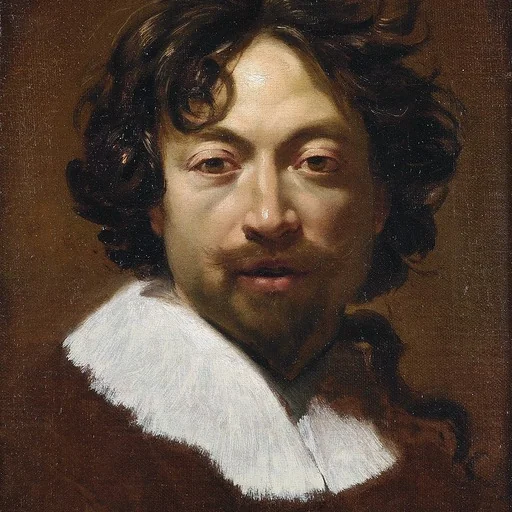
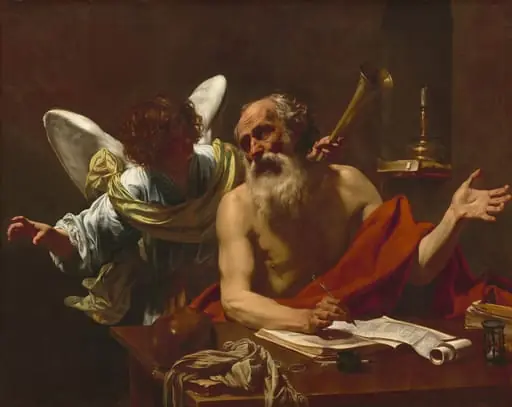
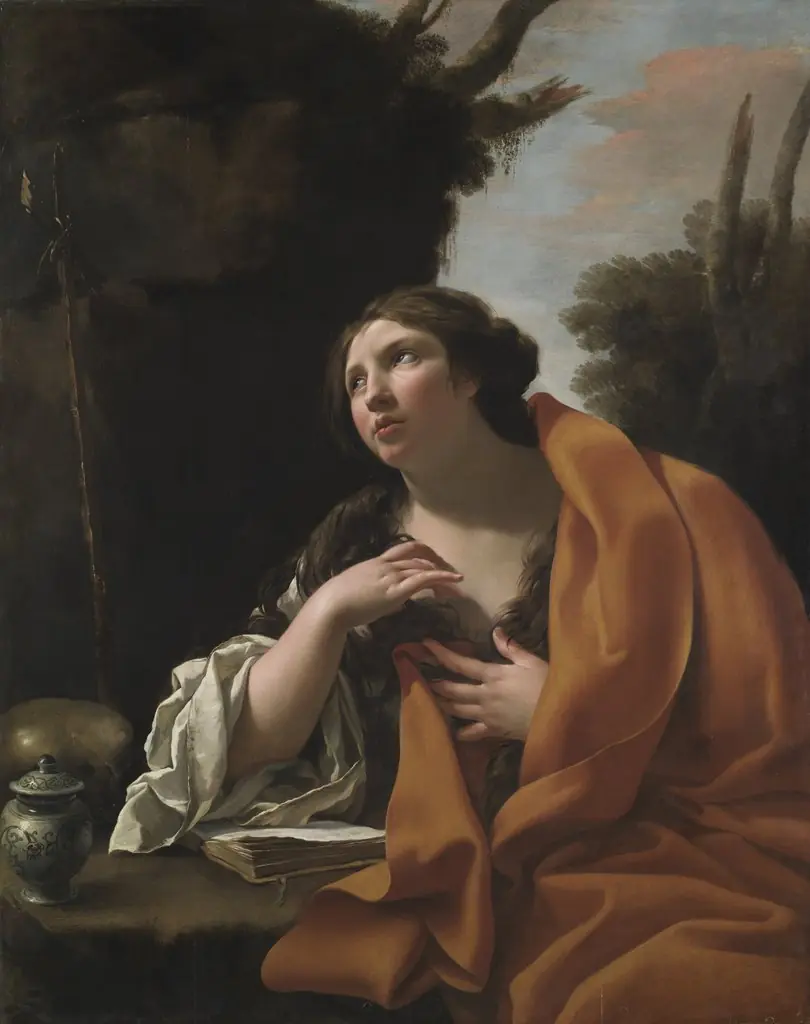
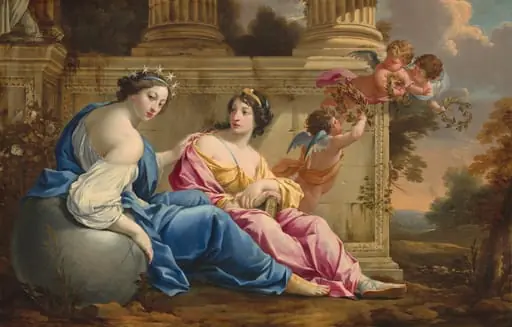
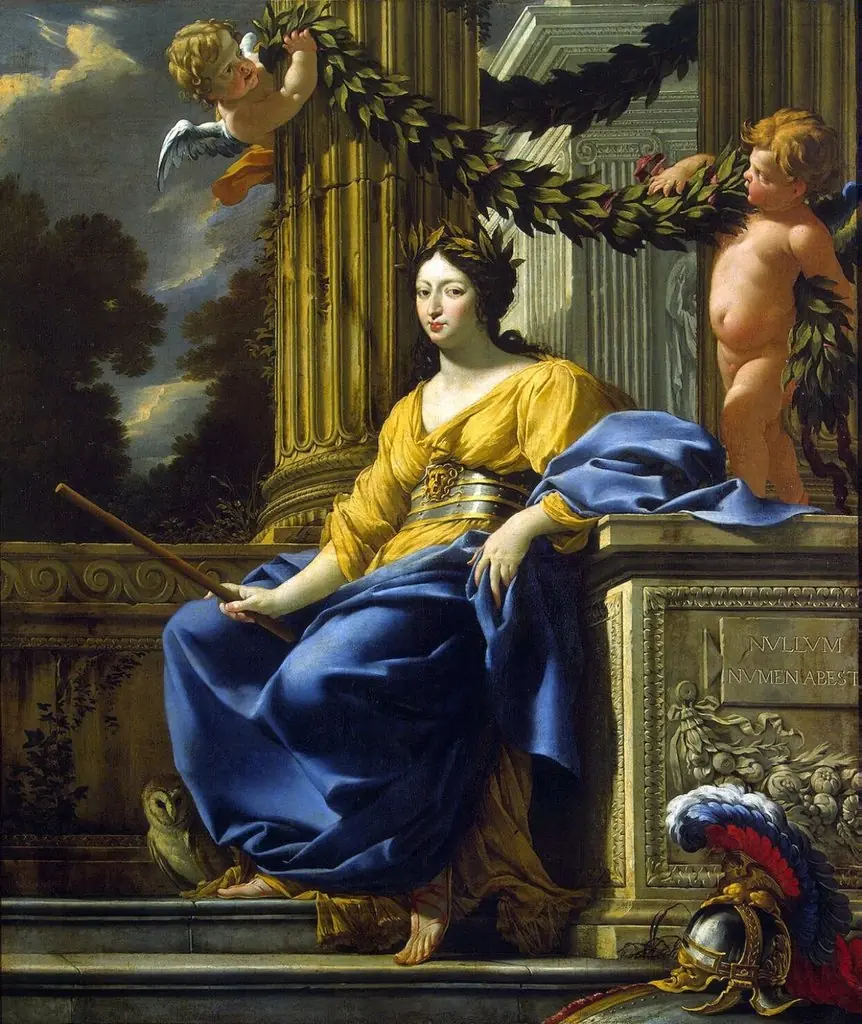
Simon Vouet (French pronunciation: ; 9 January 1590 – 30 June 1649) was a French painter who studied and rose to prominence in Italy before being summoned by Louis XIII to serve as Premier peintre du Roi in France.

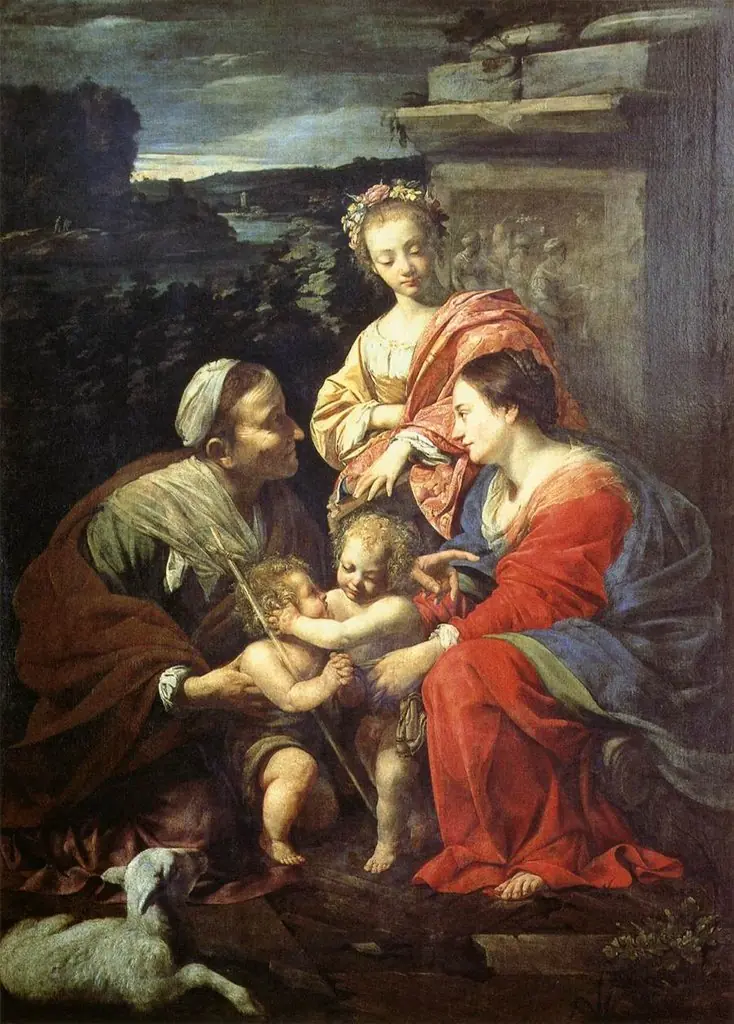
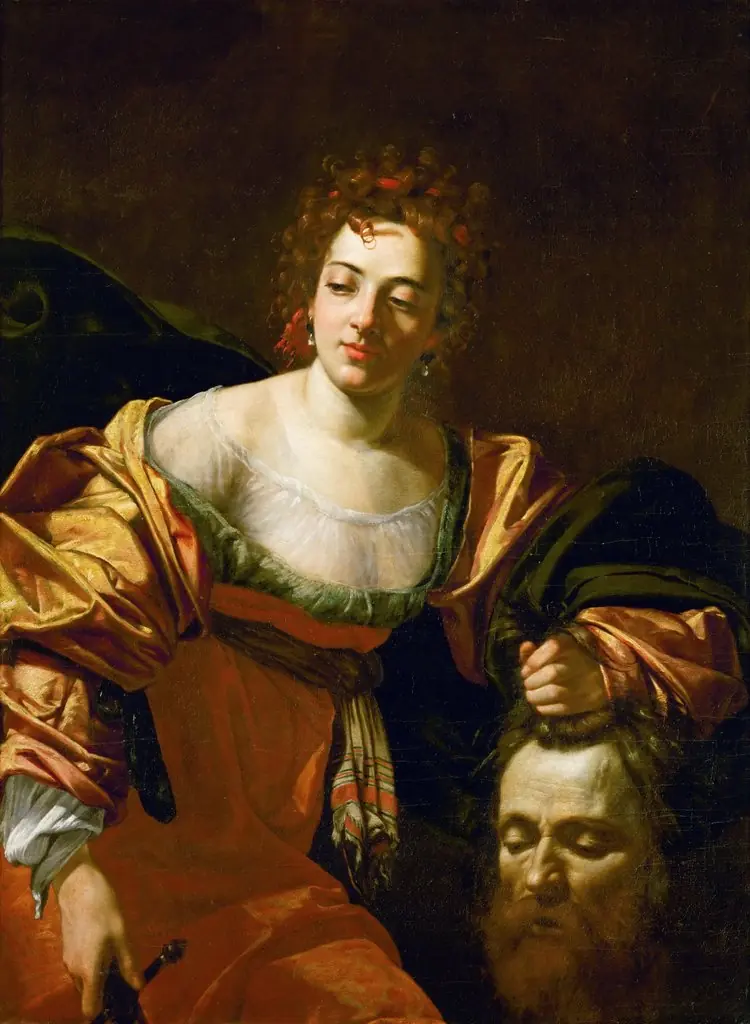
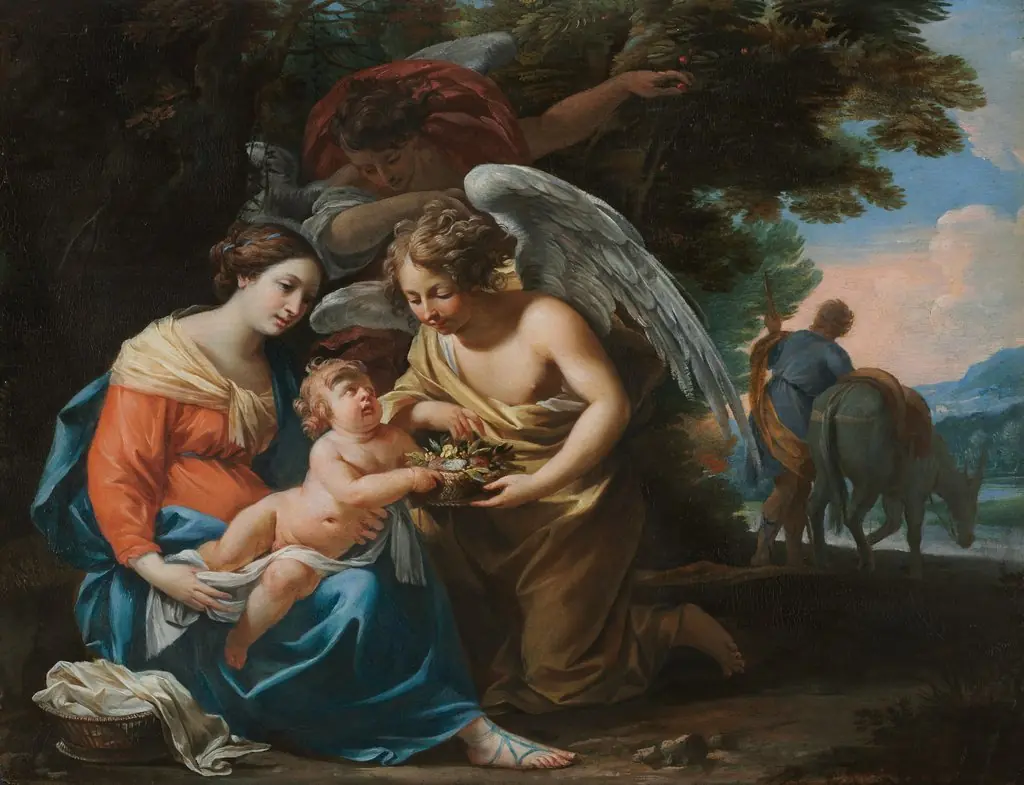 Rest on the Flight into Egypt
 Rest on the Flight into Egypt
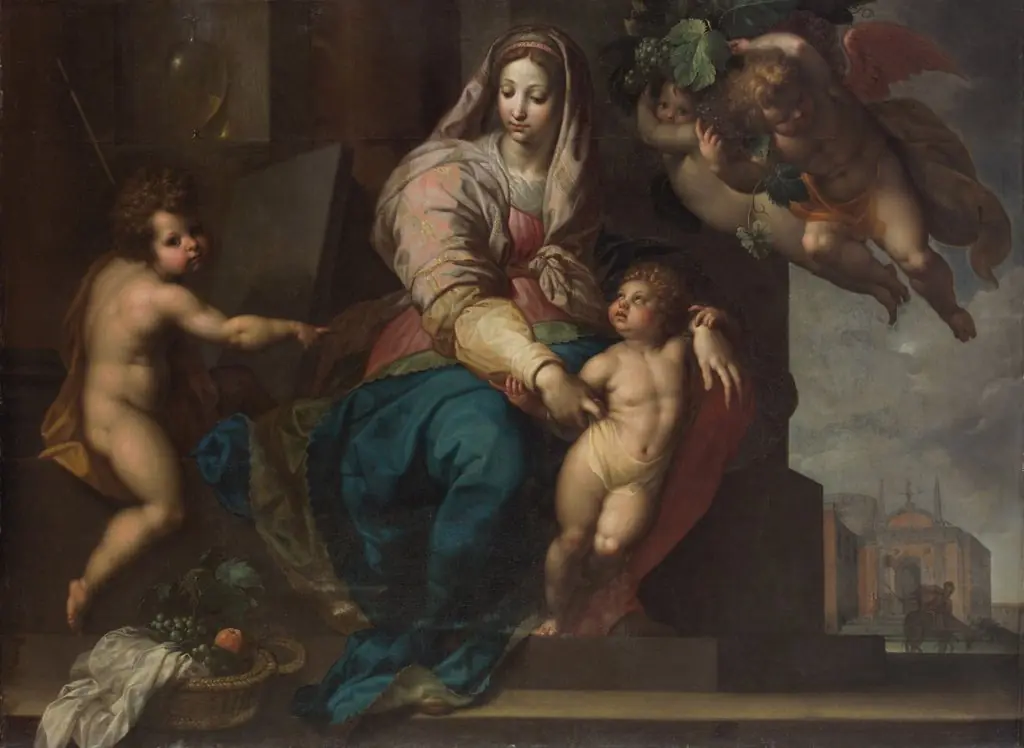 Maria mit Kind, Johannesknaben und Engeln
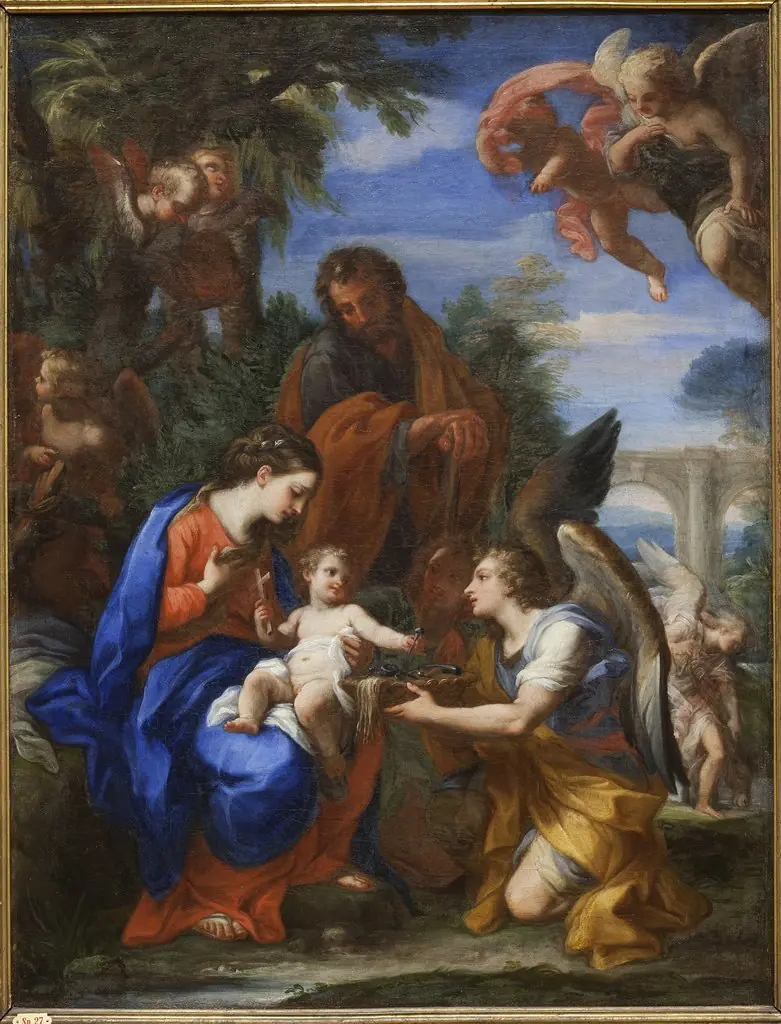 The Rest on The Flight into Egypt
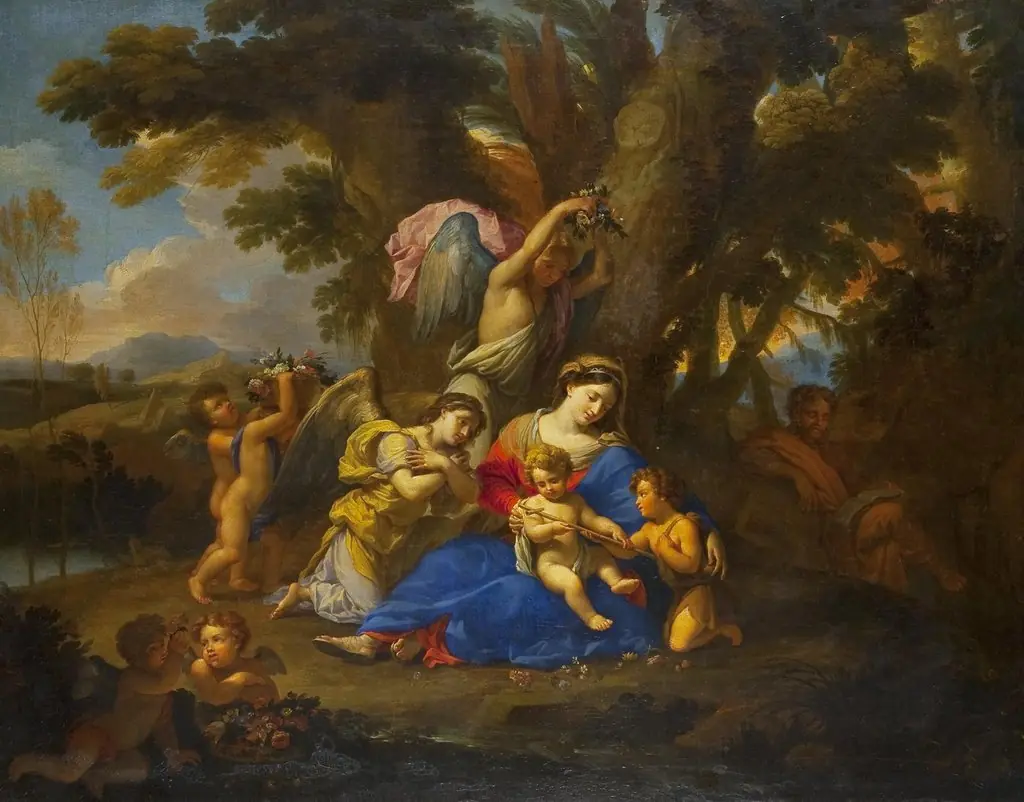 Madonna and Christ Child, with St John the Baptist and Angels
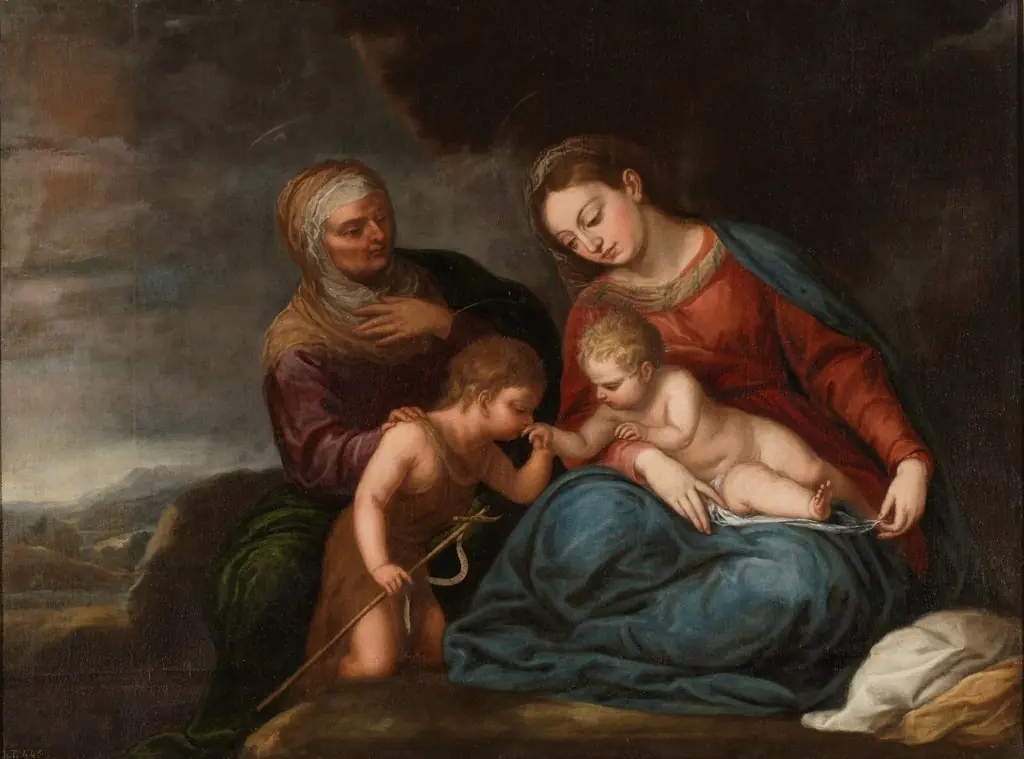 The Virgin and Child with Saints Elizabeth and John
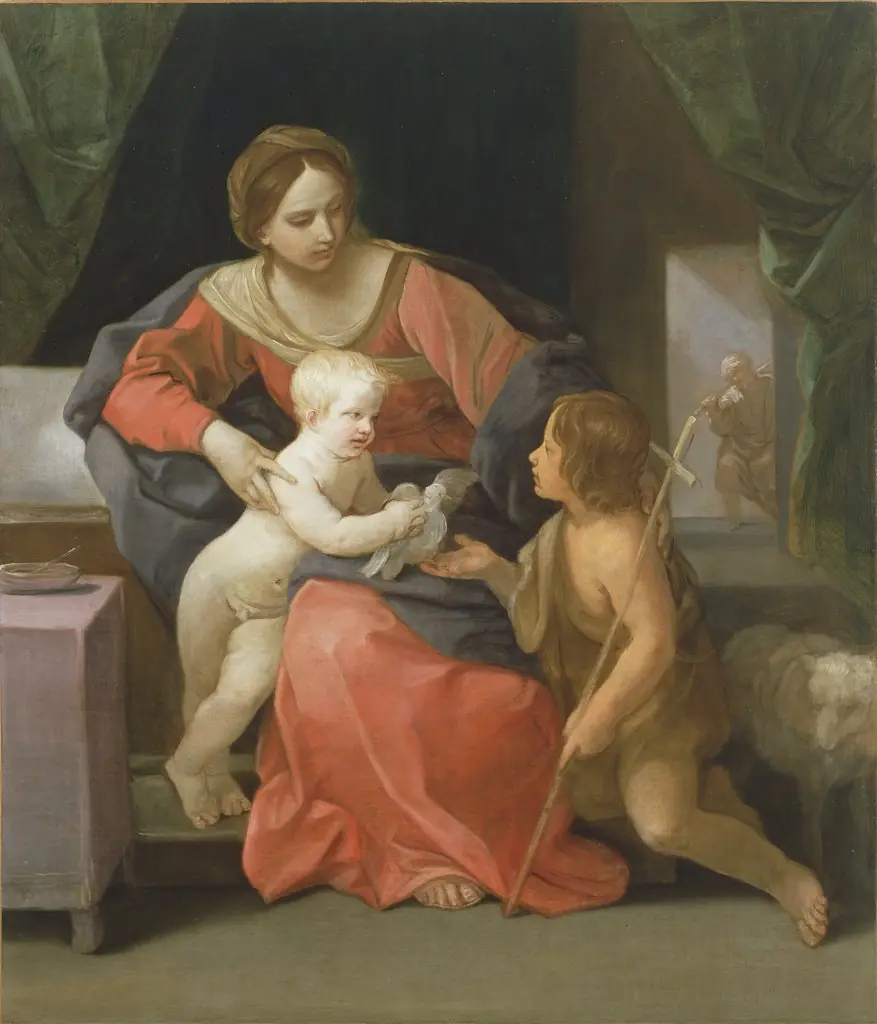 Virgin and Child with Saint John the Baptist
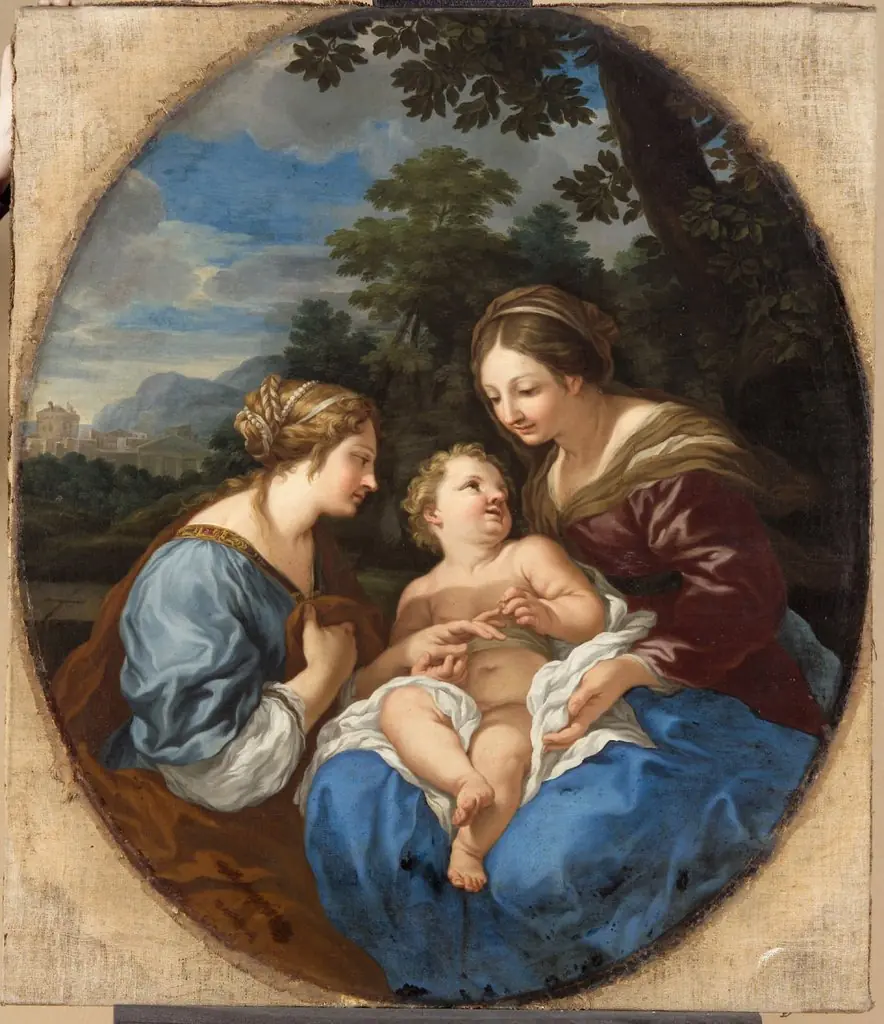 Mystic marriage of Saint Catherine of Alexandria
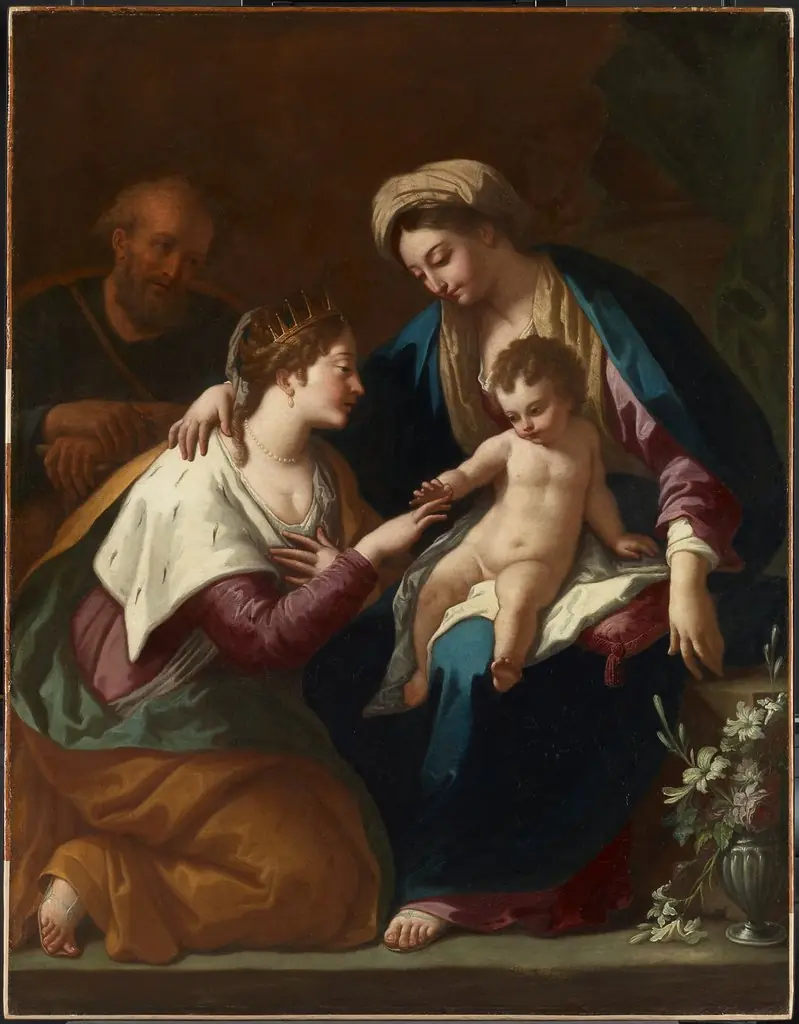 Mystical Marriage of St Catharine
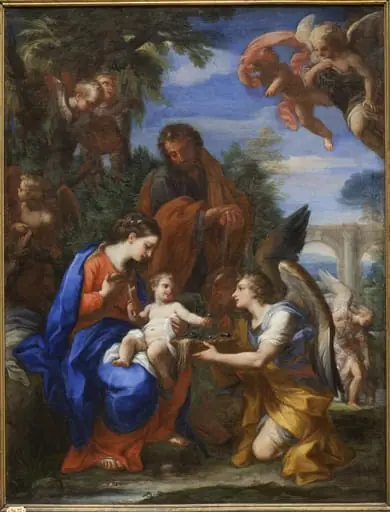 The Rest on The Flight into Egypt
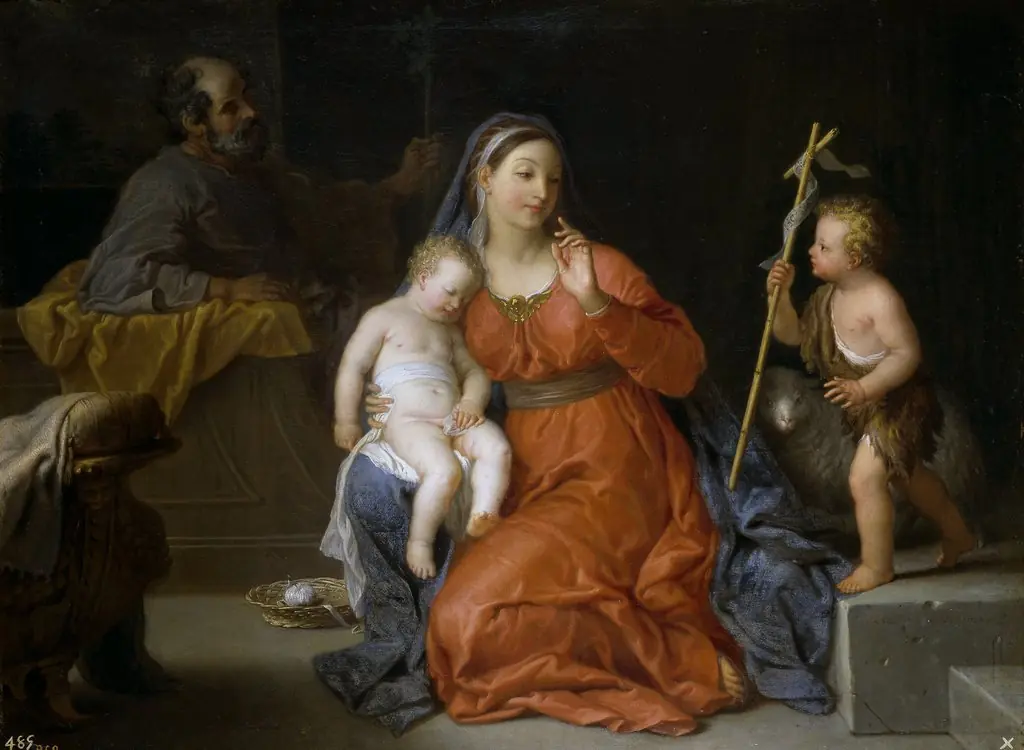 The Holy Family with the Infant Saint John the Baptist
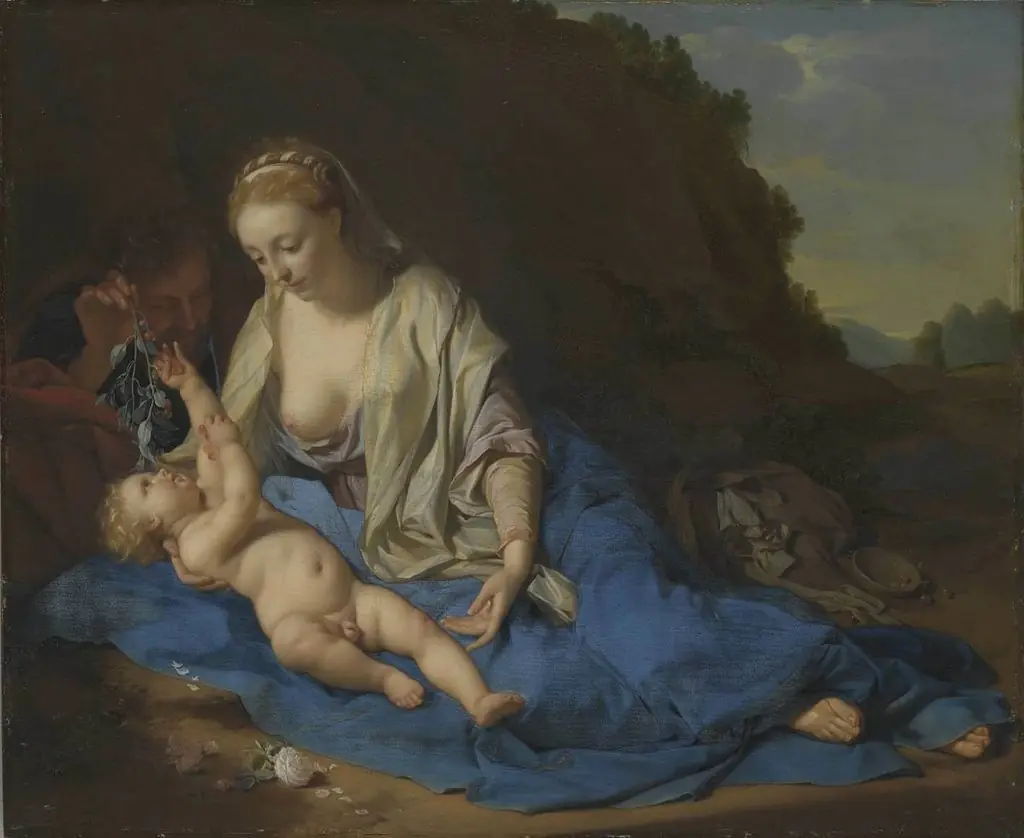 Rest on the Flight into Egypt