Artwork
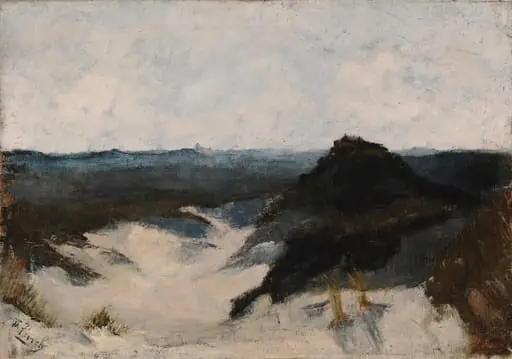
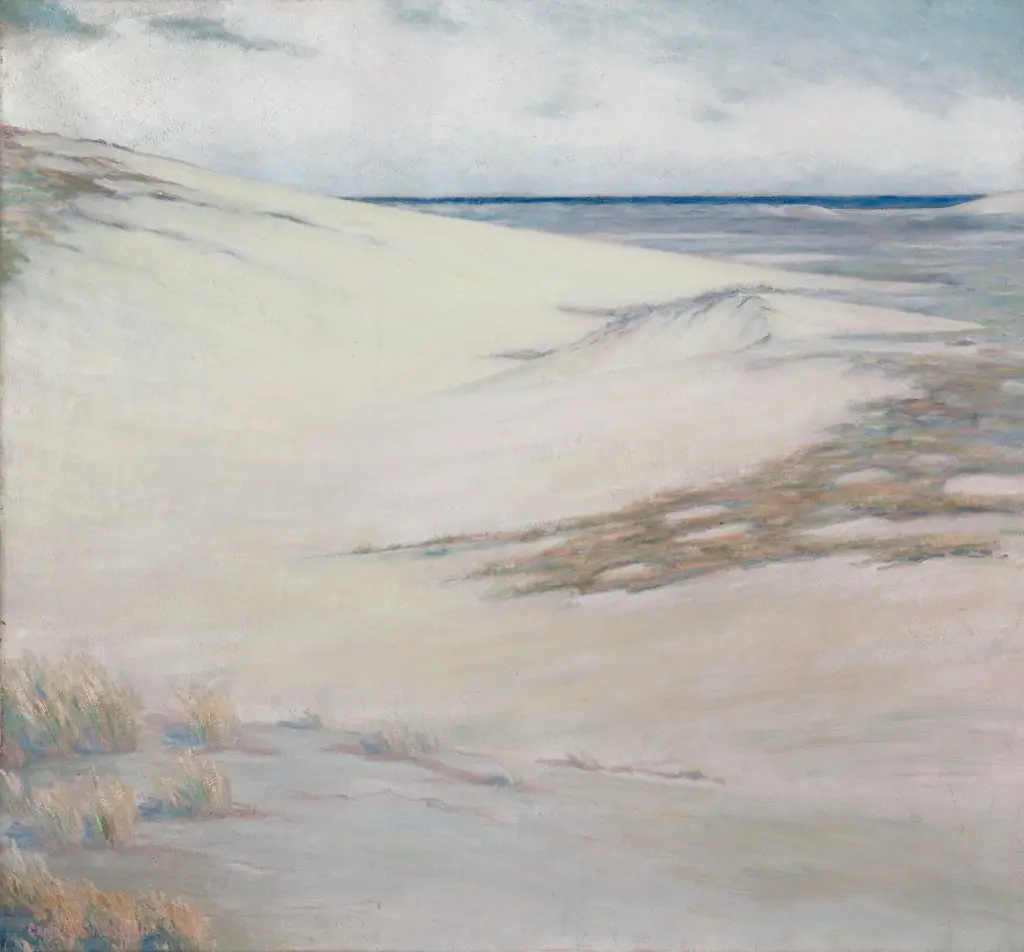
Over the Dunes, Cape Cod, Massachusetts
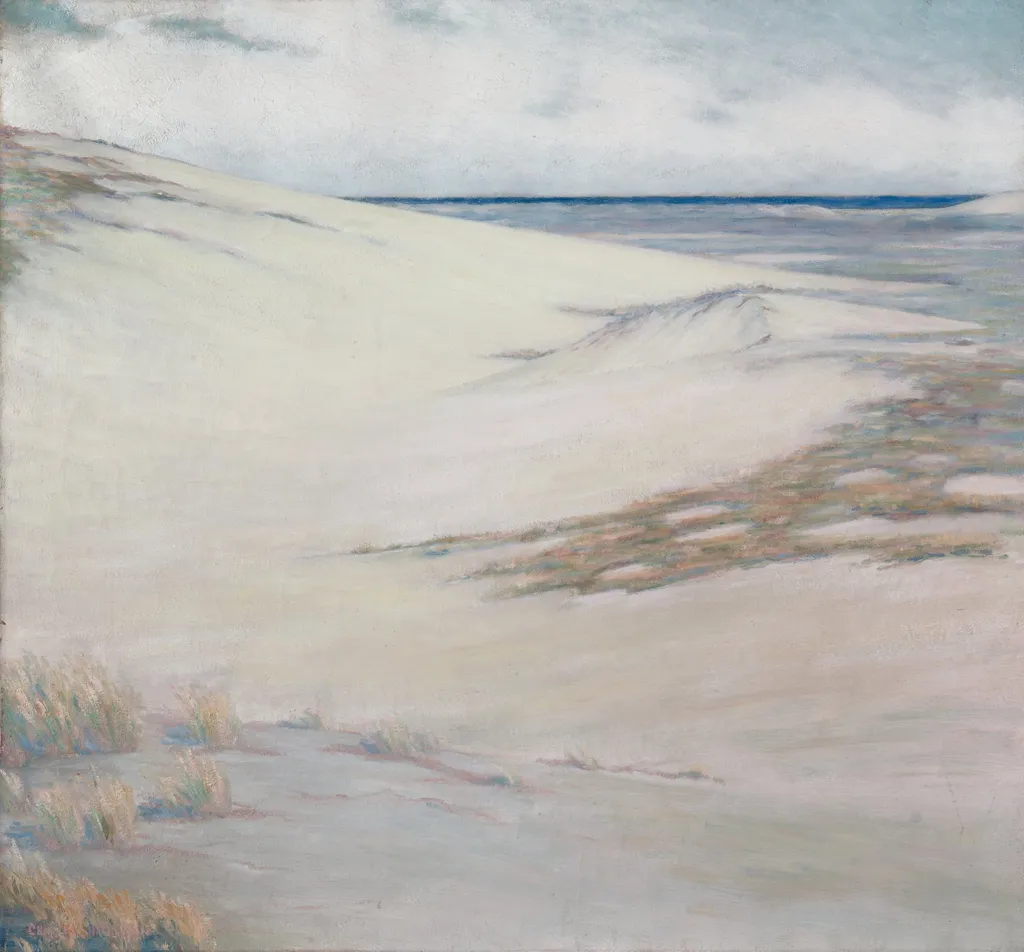
Over the Dunes, Cape Cod, Massachusetts is an unspecified painting by the American Impressionist artist Charles Shackleton. It dates from 1919 and is held in the collection of the Cleveland Museum of Art.
About this work
Overview
The work is part of the permanent collection at The Cleveland Museum of Art, where it is displayed as an example of early 20th-century American tonalism.
Painted around 1919 by Charles Shackleton, this landscape captures a quiet stretch of Cape Cod’s coastal dunes. The work is part of the permanent collection at The Cleveland Museum of Art, where it is displayed as an example of early 20th-century American tonalism. Its subdued palette and gentle composition reflect a contemplative approach to nature, avoiding dramatic effects in favor of quiet observation.
Subject & Meaning
The painting presents an undulating expanse of wind-sculpted dunes under a soft, open sky. Sparse vegetation breaks the monotony of the sand, suggesting resilience in a fragile environment. There is no human presence, and the horizon remains distant, reinforcing a sense of solitude. The scene conveys stillness not as emptiness, but as a natural rhythm, inviting reflection on the land’s quiet endurance.
Technique & Style
Shackleton employed muted tones of beige, pale blue, and gray to unify the dunes and sky. Brushwork is restrained, with soft transitions between colors and minimal texture. The absence of sharp outlines and the diffused light suggest an interest in atmospheric effects rather than topographic precision. This tonalist approach prioritizes mood over detail, aligning with broader American landscape traditions of the era.
History & Provenance
The painting was completed shortly after World War I, during a period when many American artists turned to serene natural subjects as a counterpoint to recent upheaval. It entered The Cleveland Museum of Art’s collection in the mid-20th century, likely through a private donation or acquisition. Its provenance remains modest, with no record of public exhibition prior to its museum acquisition.
Context
Created during the twilight of American tonalism, the work reflects a shift away from the bold realism of the Hudson River School toward more introspective, atmospheric depictions. Shackleton’s focus on Cape Cod’s dunes aligns with regional interest in New England’s coastal landscapes, a subject also explored by contemporaries like Childe Hassam and Winslow Homer, though with less emphasis on human activity.
Legacy
While not widely reproduced or critically celebrated in its time, the painting endures as a quiet example of early 20th-century American landscape painting. It contributes to the museum’s representation of regional tonalism and offers insight into how artists of the period engaged with natural environments as spaces of stillness and contemplation, rather than grandeur or conquest.
Artist & collection

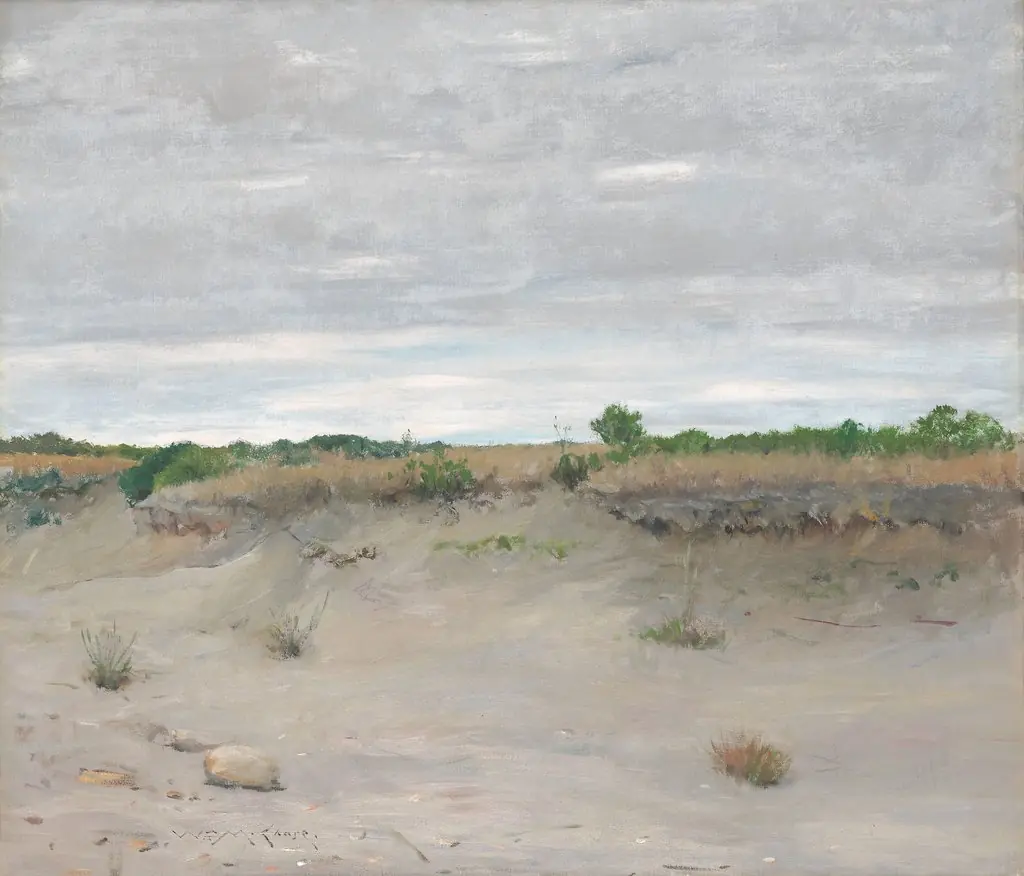 Wind-Swept Sands
 Wind-Swept Sands
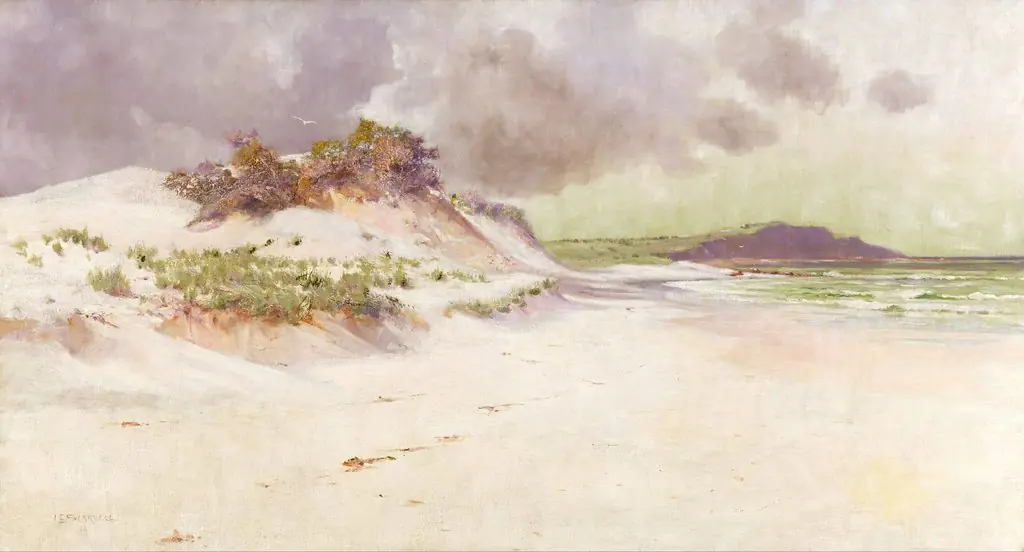 The lonely margin of the sea
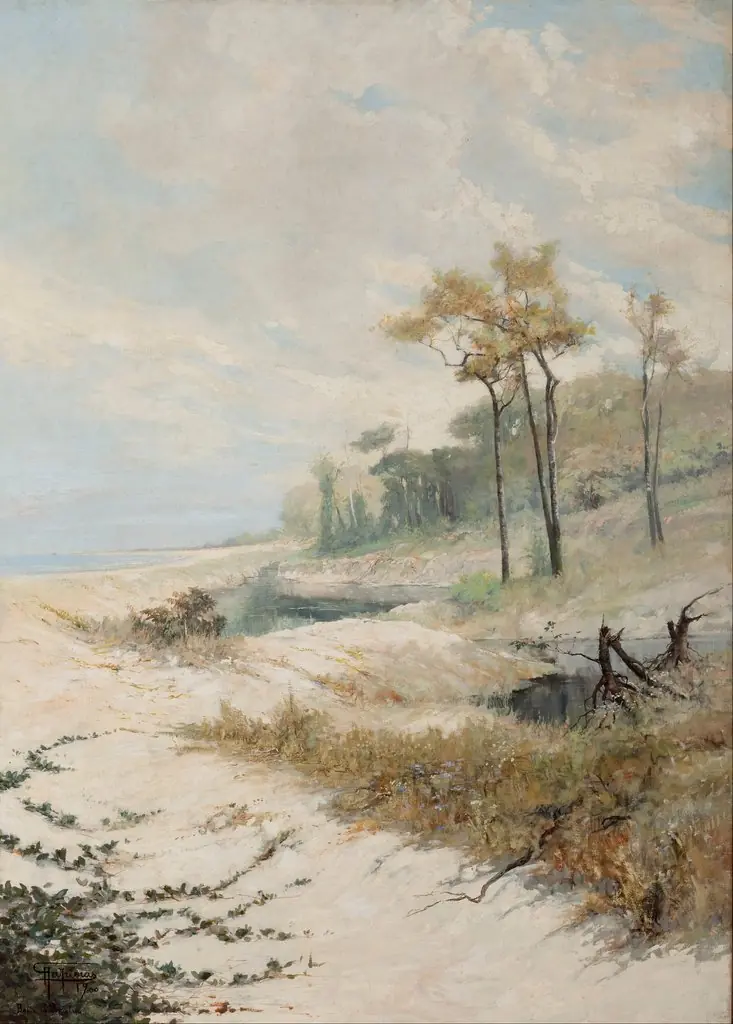 Cabrália Bay
 A Summer's Day by the River Karup, Jutland
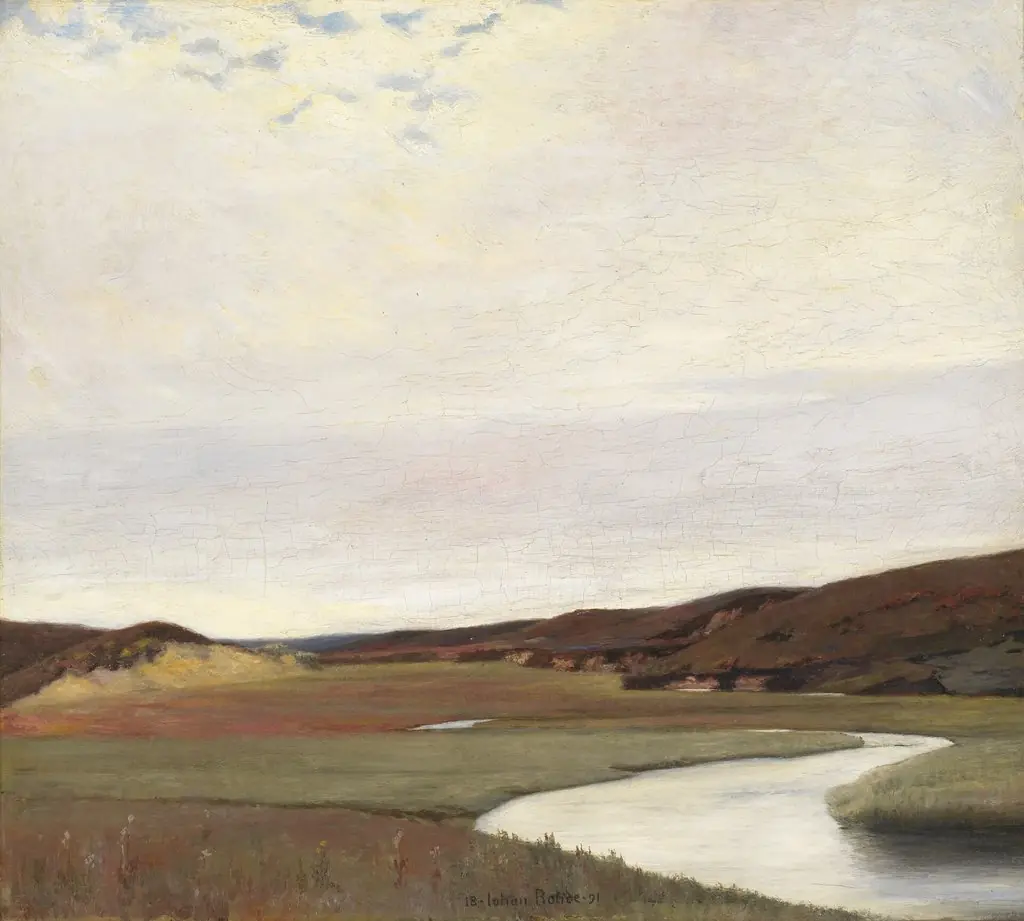 A Summer's Day by the River Karup, Jutland
 Liniștea eternă
 Rantamaisema, Knocke
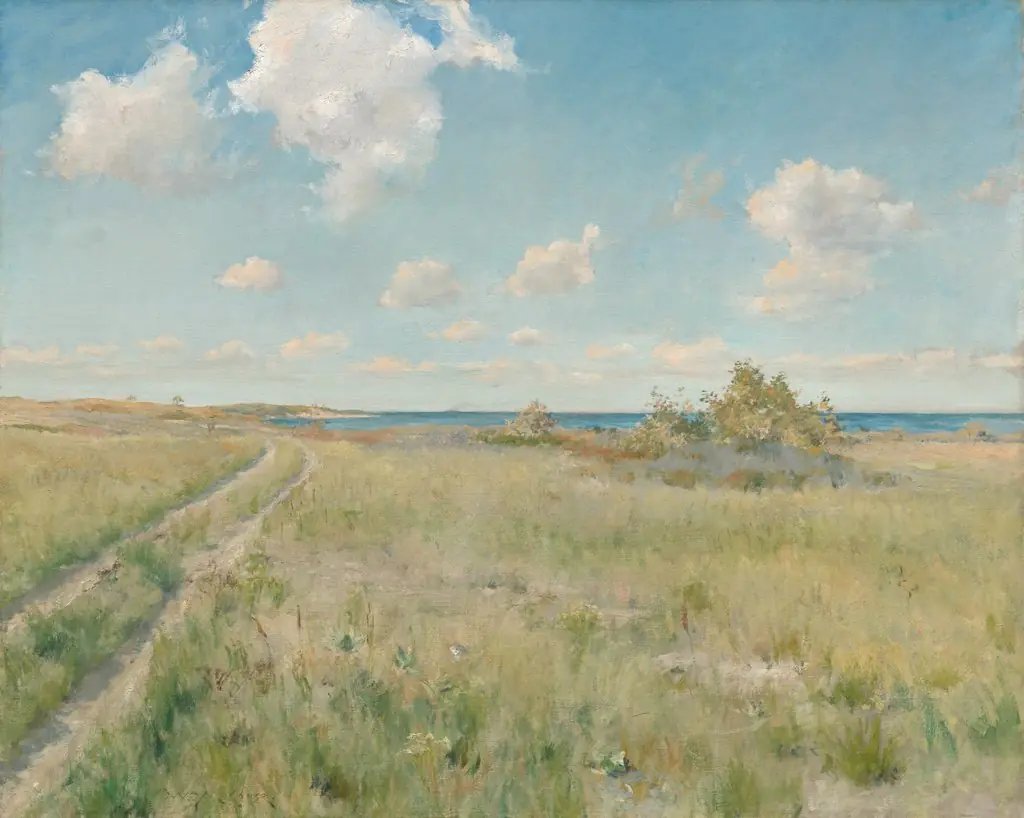 The Old Road to the Sea
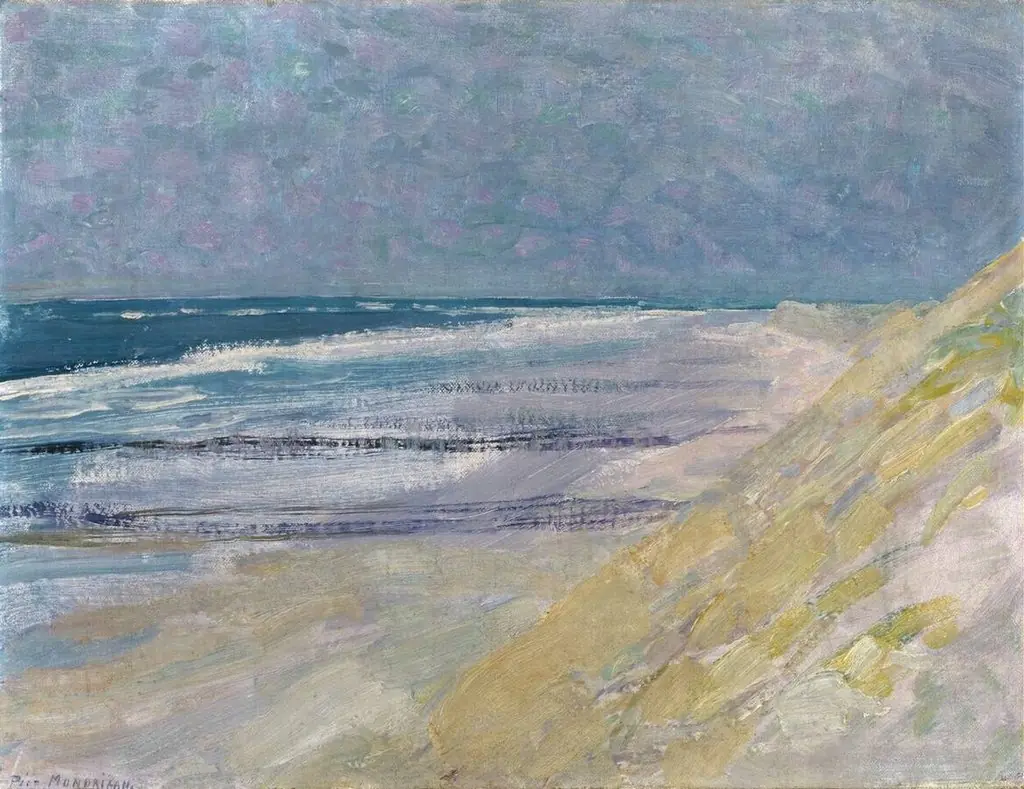 Beach with three or four piers at Domburg
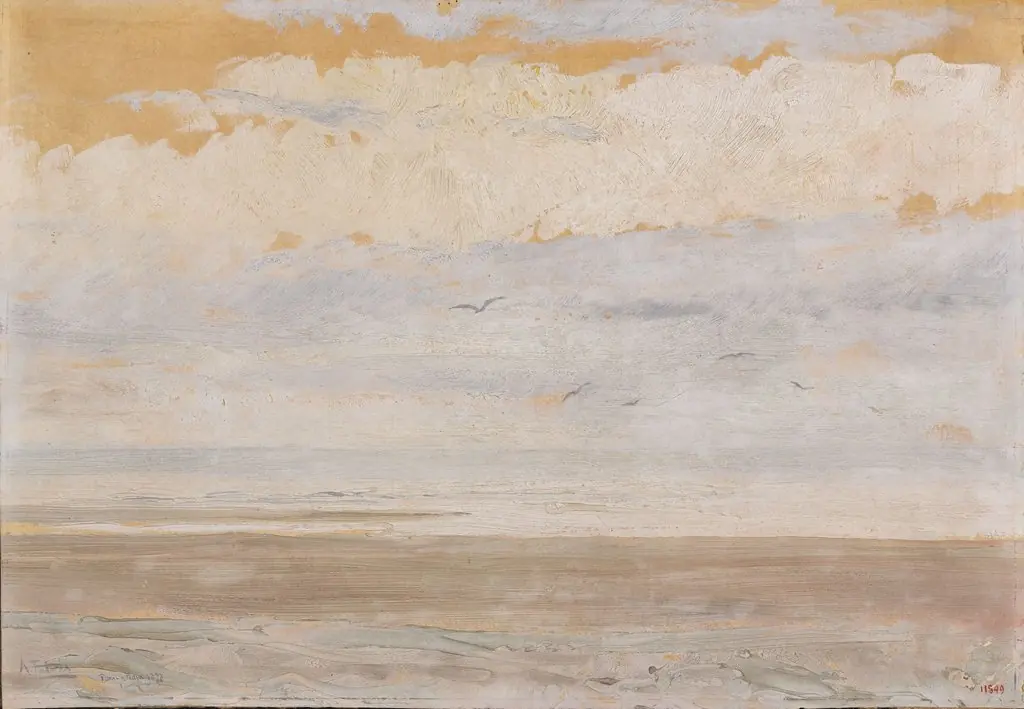 The Immensity
 Over the Dunes, Cape Cod, Massachusetts