Artwork
Guy Little Theatrical Photograph
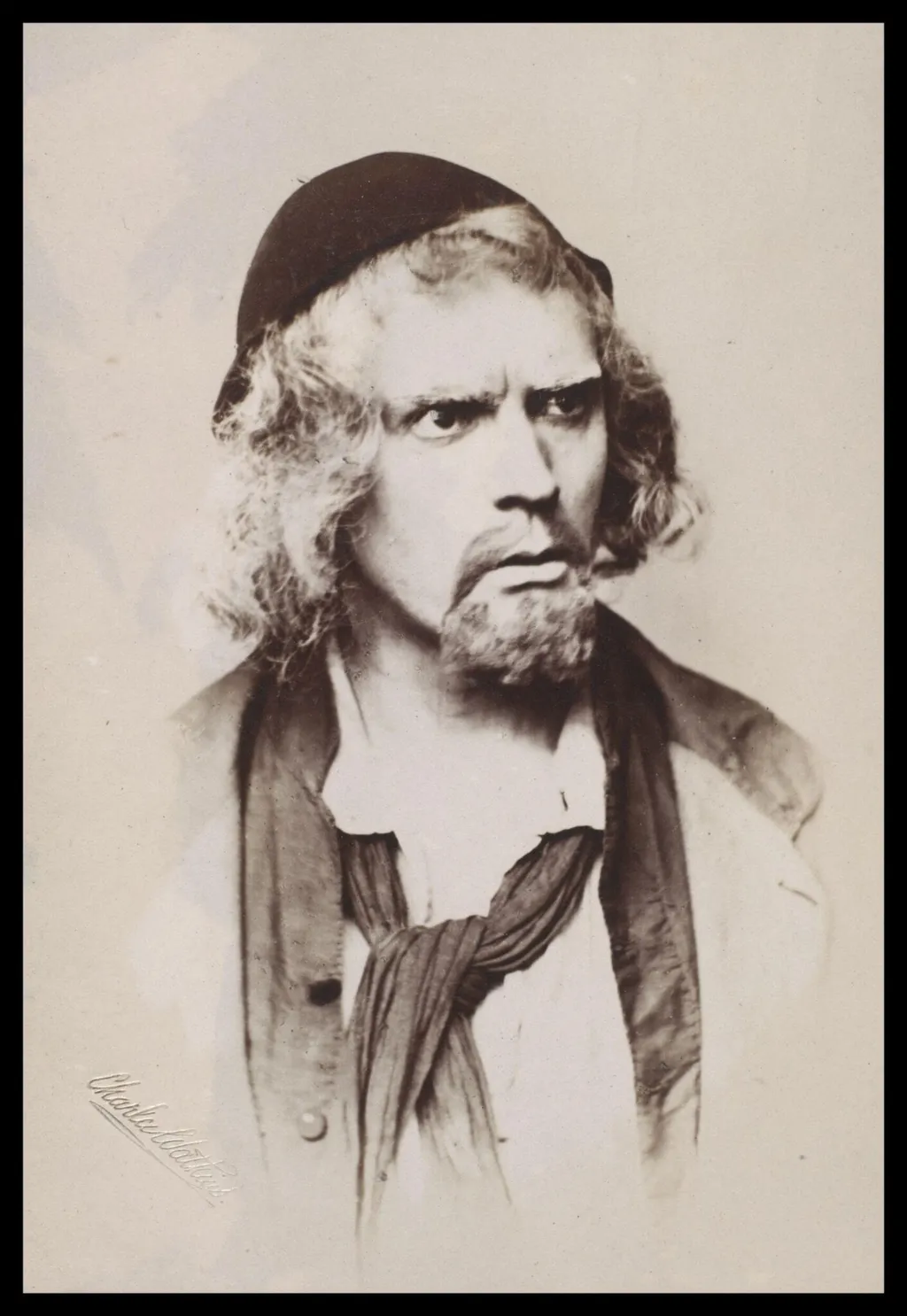
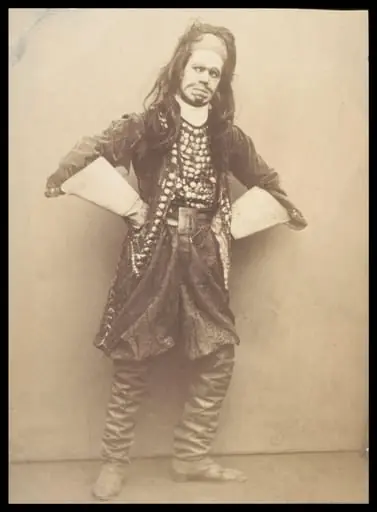
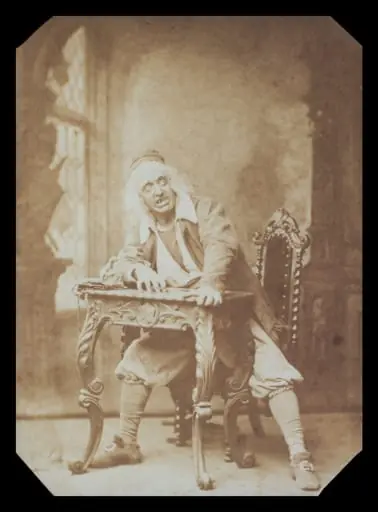
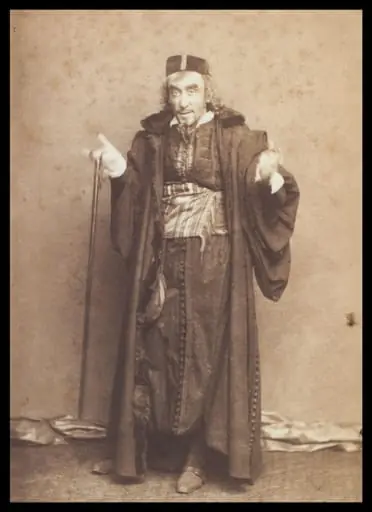
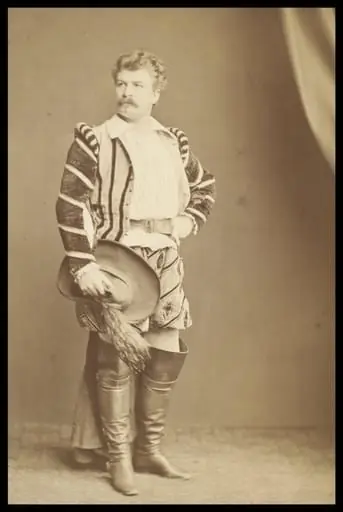
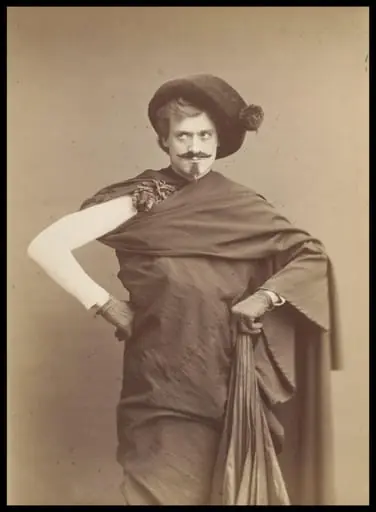
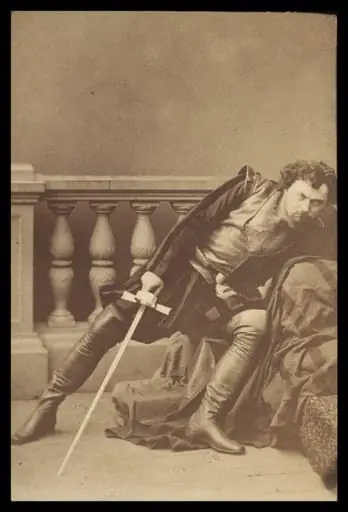
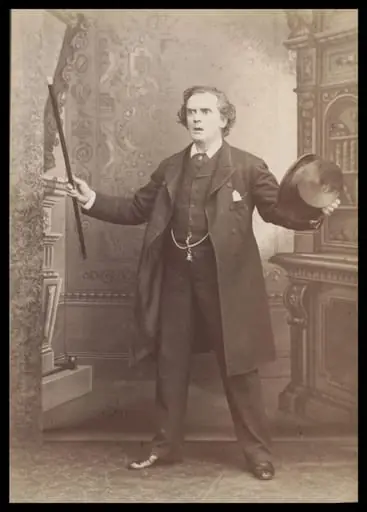
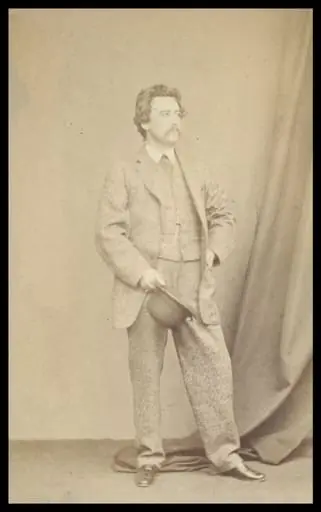
Guy Little Theatrical Photograph is a photographic photography by Charles Watkins. It dates from 1850 and is held in the collection of the Victoria and Albert Museum. This photograph is part of a personal collection assembled by Guy Tristram Little, a solicitor and avid collector of visual ephemera.
About this work
Overview
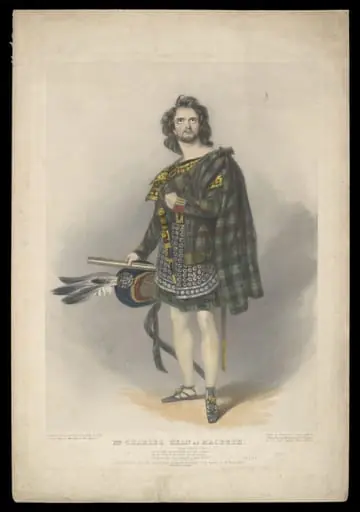
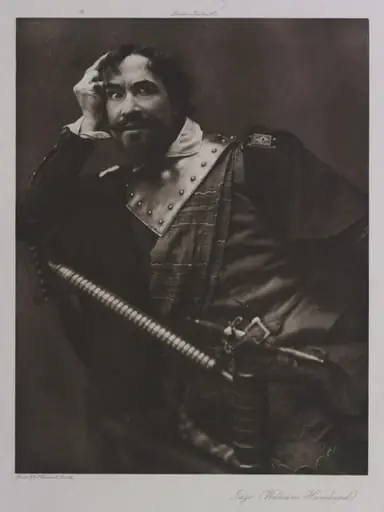
The image captures actor Hermann Vezin in character, reflecting the Victorian practice of preserving stage performances through photographic portraiture.
This photograph is part of a personal collection assembled by Guy Tristram Little, a solicitor and avid collector of visual ephemera. It was removed from its original card mount and integrated into an album of theatrical portraits, later donated to the V&A. The image captures actor Hermann Vezin in character, reflecting the Victorian practice of preserving stage performances through photographic portraiture.
Subject & Meaning
Hermann Vezin, a prominent stage actor of the late 19th century, is depicted in costume, suggesting a specific role from a contemporary play. Such images served not only as promotional tools but also as mementos for audiences, bridging the ephemeral nature of live theatre with the permanence of the photographic medium. The choice of costume over everyday dress emphasizes performance identity over personal likeness.
Technique & Style
The image is an albumen print, a common process using glass negatives and paper coated with egg white to achieve fine detail. It was originally mounted on cardstock—either a carte de visite or cabinet card—bearing the photographer’s imprint. The format reflects standardized commercial practices of the time, prioritizing uniformity and mass distribution over artistic experimentation.
History & Provenance
The photograph was once part of a larger assemblage of theatrical portraits collected by Guy Little, who systematically removed them from their original mounts and organized them into albums. After his death in 1953, the collection was bequeathed to the V&A. Little’s role as executor for Gabrielle Enthoven’s theatrical holdings further links him to the institutional foundation of the museum’s theatre archive.
Context
During the mid-to-late 1800s, photographic portraits of actors became popular collectibles, especially in the form of cartes de visite and later cabinet cards. These were exchanged, displayed, and archived by enthusiasts, mirroring broader Victorian interests in documentation and personal curation. Theatrical photography thus functioned as both art and social artifact, capturing performance culture beyond the stage.
Legacy
Little’s collection, now held by the V&A, preserves a significant archive of 19th-century theatrical imagery. By rescuing these images from their original mounts and rehousing them systematically, he enabled their study as historical records rather than mere souvenirs. His efforts contributed to the formal recognition of theatre as a subject worthy of institutional preservation.
Artist & collection
Artist
Charles Watkins spent his life behind the camera, not in front of it. You’ll find him in 19th-century dressing rooms, coaching actors like Guy Little to pose just right—no fancy props, just the quiet click of a lens…