Artwork
Guy Little Theatrical Photograph
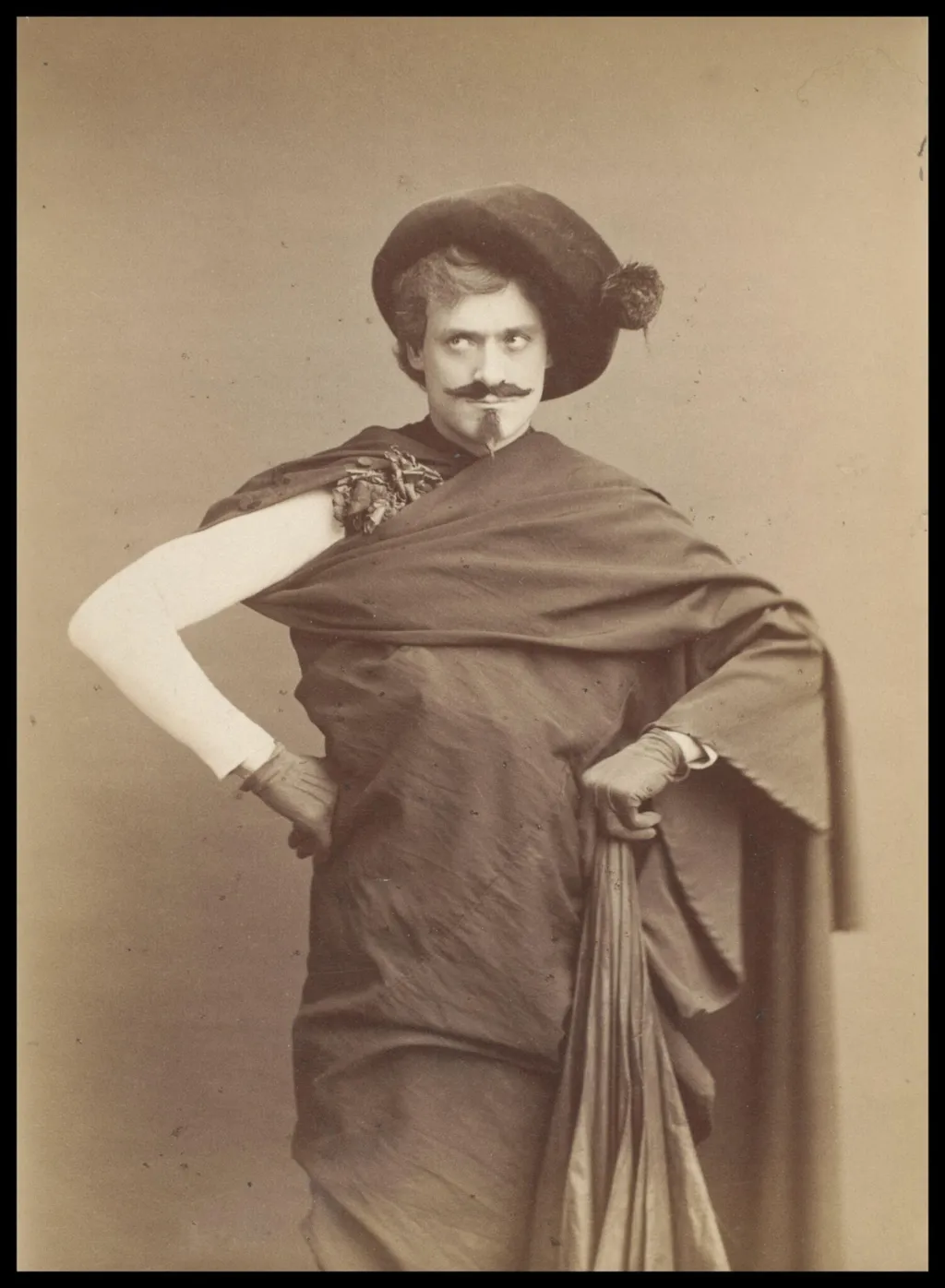
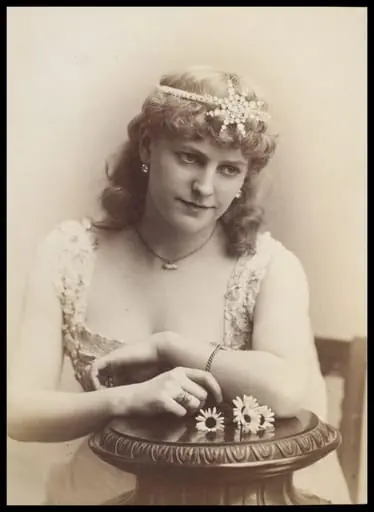
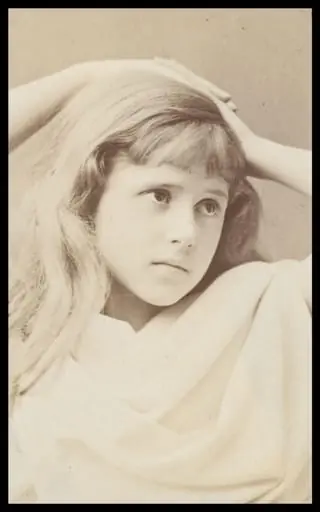
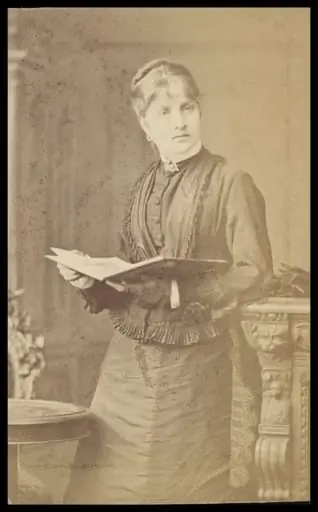
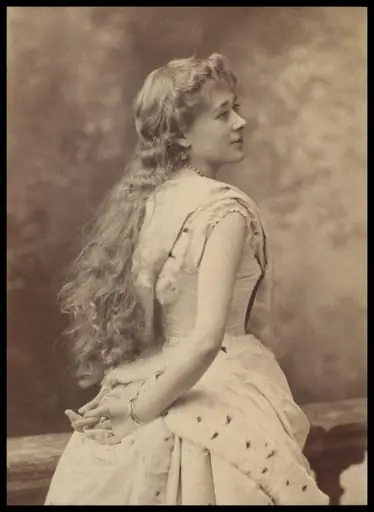
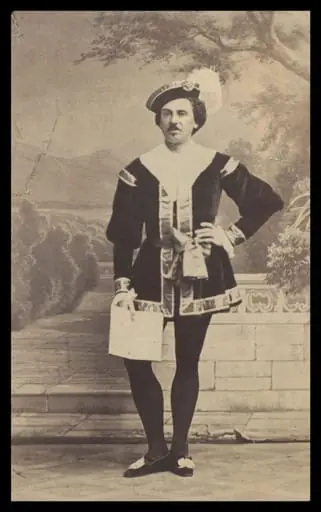
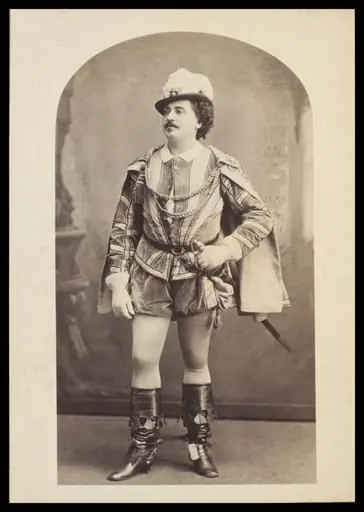
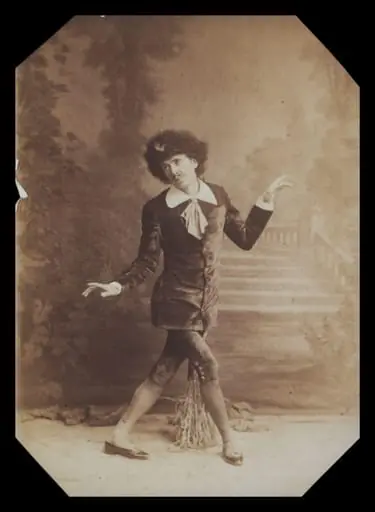
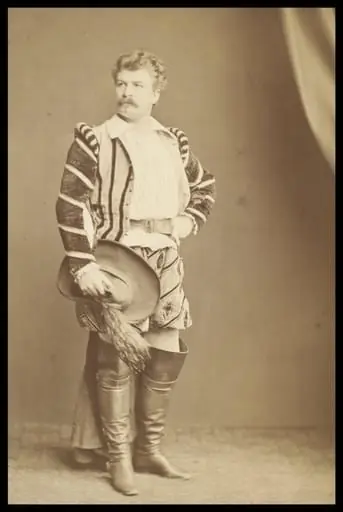
Guy Little Theatrical Photograph is a photographic photography by Elliot & Fry. It dates from 1850 and is held in the collection of the Victoria and Albert Museum.
About this work
Overview
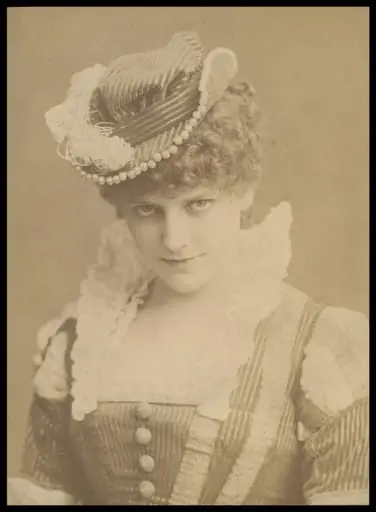
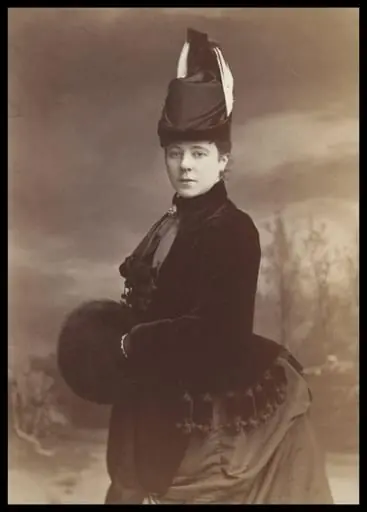
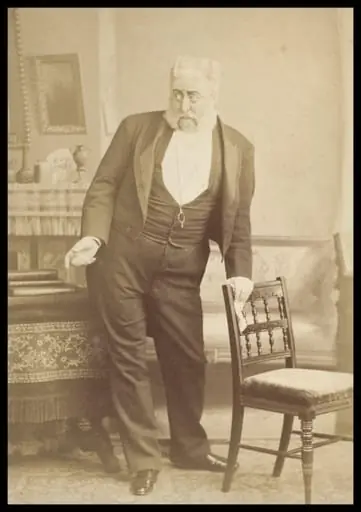
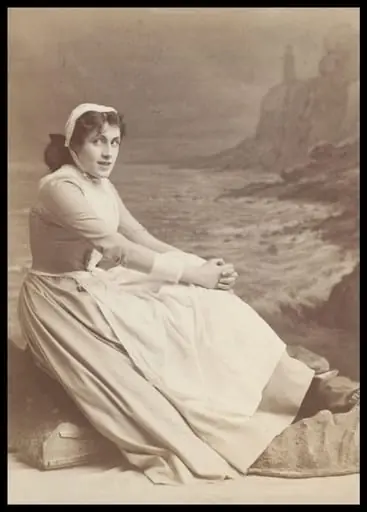
This photograph, attributed to the London studio Elliot & Fry, captures the actor Fred Leslie in a mid-to-late 19th-century portrait format.
This photograph, attributed to the London studio Elliot & Fry, captures the actor Fred Leslie in a mid-to-late 19th-century portrait format. It was originally produced as either a carte de visite or cabinet card, two mass-produced photographic types popular in Victorian Britain. The image was later removed from its original card mount and integrated into a personal album compiled by Guy Tristram Little, a solicitor and avid collector of theatrical memorabilia.
Subject & Meaning
Fred Leslie was a well-known stage actor of the period, celebrated for his comic roles in Victorian theatre. The portrait likely served as a keepsake for fans or a promotional tool for his performances. Such images allowed the public to engage with performers beyond the stage, transforming actors into figures of popular culture. The photograph reflects the era’s fascination with celebrity and the growing accessibility of personal portraiture through photography.
Technique & Style
The image was made using the albumen print process, which involved coating paper with egg white and salt, then sensitizing it with silver nitrate. It was derived from a glass negative, a standard method for sharp, reproducible portraits. Elliot & Fry, known for their precise studio lighting and formal compositions, typically framed subjects against plain backdrops to emphasize facial expression and costume detail, characteristic of professional theatrical portraiture of the time.
History & Provenance
The photograph was once part of a large private collection assembled by Guy Tristram Little, who systematically removed such images from their original mounts and organized them into bound albums. After his death in 1953, the collection was bequeathed to the Victoria and Albert Museum. Little’s role as executor for Gabrielle Enthoven’s theatrical archive further connects him to the institutional preservation of British stage history.
Context
During the 1860s to 1890s, cartes de visite and cabinet cards became cultural artifacts, exchanged like social tokens and collected in albums much like postage stamps. Theatrical portraits were among the most sought-after subjects, reflecting the public’s enthusiasm for the stage. As photography became more affordable and widespread, these images helped democratize access to celebrity imagery, bridging the gap between elite theatre and middle-class domestic life.
Legacy
Little’s collection, now housed at the V&A, preserves a significant record of Victorian theatrical culture through its everyday formats. These photographs, once personal mementos, now serve as historical documents, offering insight into performance, fashion, and public taste. The survival of such items, often discarded after their initial popularity, underscores the importance of private collecting in safeguarding ephemeral cultural practices.
Artist & collection
Artist