Artwork
H Beard Print Collection
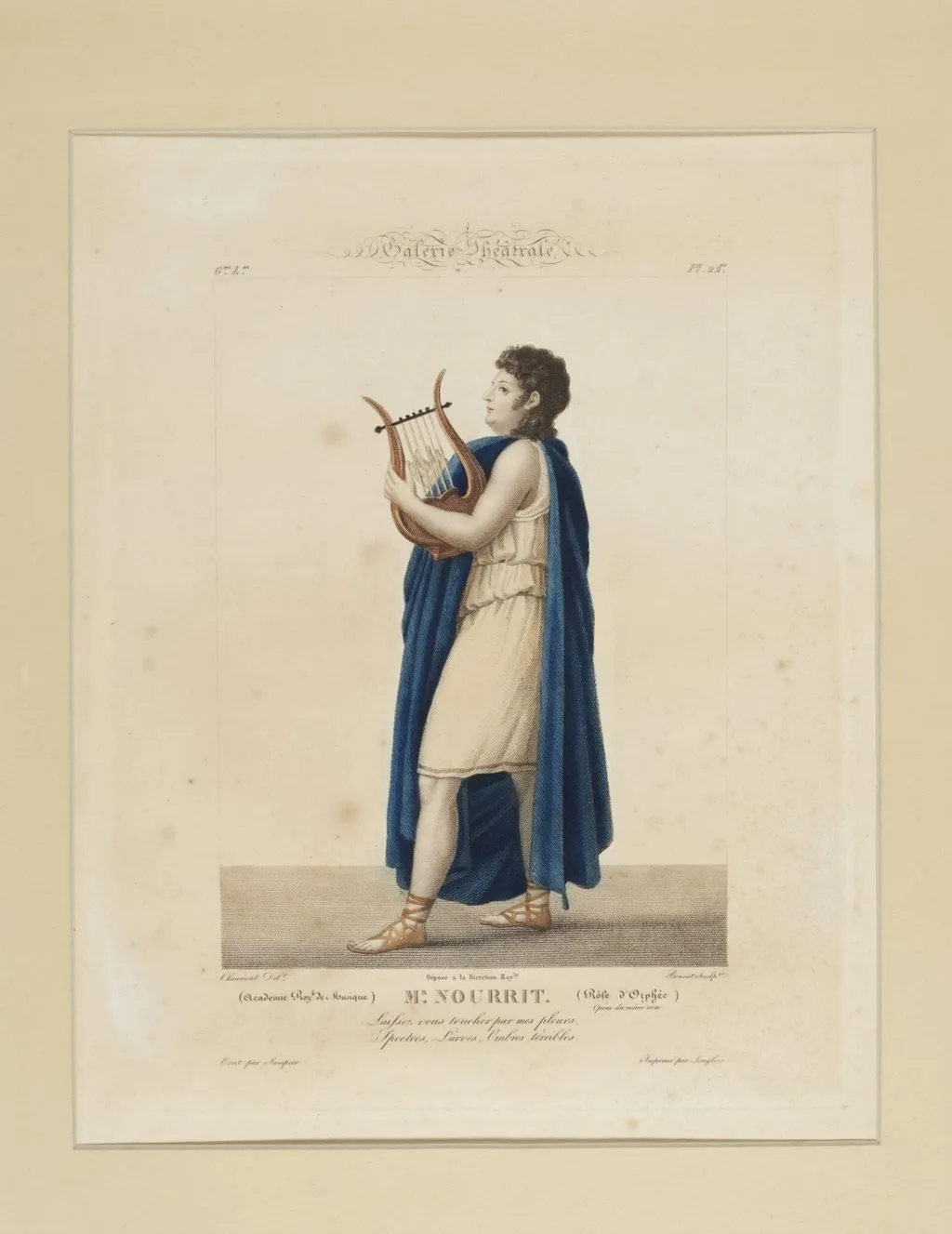
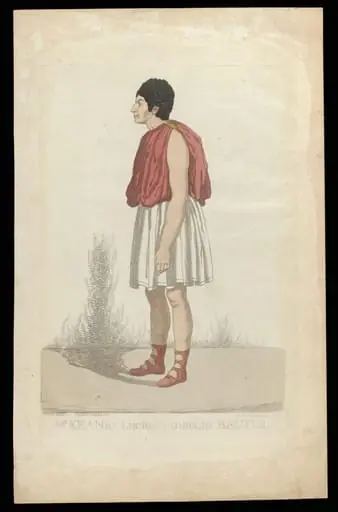
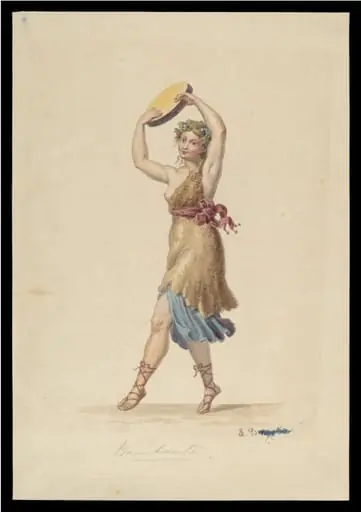
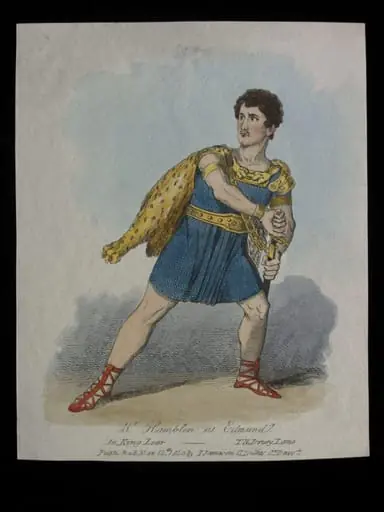
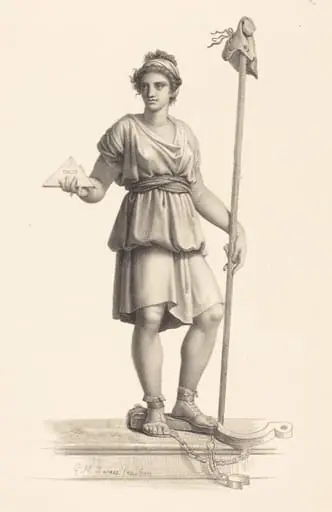
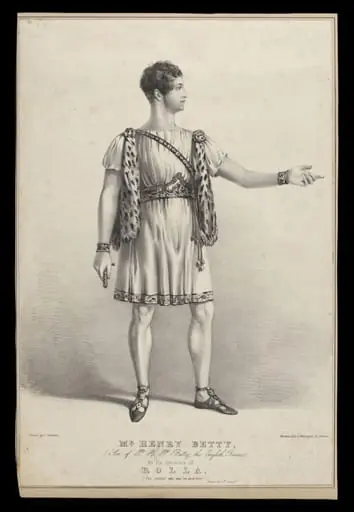
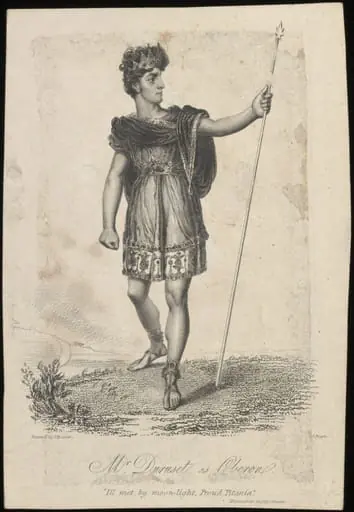
H Beard Print Collection is a print by Chaumont. It dates from 1850 and is held in the collection of the Victoria and Albert Museum. A printed portrait depicting Adolphe Nourrit as the mythological figure Orphée, created in England.
About this work
Overview
The image captures the singer in costume for the title role of a French opera, reflecting the popularity of operatic performance in 19th-century visual culture.
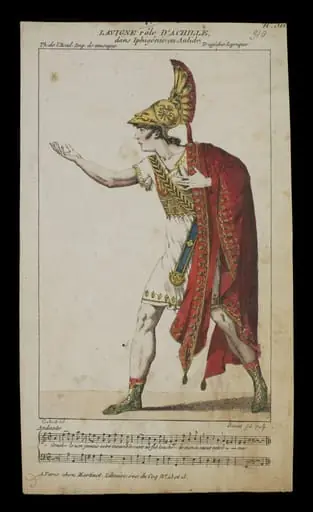
A printed portrait depicting Adolphe Nourrit as the mythological figure Orphée, created in England. The image captures the singer in costume for the title role of a French opera, reflecting the popularity of operatic performance in 19th-century visual culture. Though produced outside France, the print served as a commemorative artifact for audiences familiar with Nourrit’s acclaimed stage presence.
Subject & Meaning
Adolphe Nourrit, a celebrated French tenor, is portrayed in character as Orphée, the legendary musician from Greek myth who descends to the underworld to retrieve his beloved Eurydice. The depiction emphasizes his dramatic presence and vocal authority, aligning the performer with the hero’s emotional depth. The image functions as both a tribute and a cultural bridge between live performance and mass-produced imagery.
Technique & Style
The print employs standard 19th-century engraving or lithographic methods common in British publishing. Lines are precise, with careful shading to suggest volume and texture in the costume and facial features. The composition is formal, centering the figure against a neutral background, prioritizing recognition over theatrical setting, typical of theatrical portraits of the era.
History & Provenance
Produced in England during the 1830s or 1840s, the print likely circulated among opera enthusiasts who followed Nourrit’s career, particularly after his triumphs at the Paris Opéra. Its English origin suggests demand for foreign operatic figures among British collectors, even as Nourrit remained a central figure in French musical life.
Context
Nourrit’s portrayal of Orphée was pivotal in the reception of Gluck’s reform opera in France. His nuanced acting and vocal control redefined the role, making him a cultural icon. Prints like this one were part of a broader trend: the commodification of celebrity performers, allowing audiences to own a tangible connection to the ephemeral experience of live opera.
Legacy
Though the print itself is not widely exhibited today, it represents a key moment in the intersection of music, theater, and print media. It documents how performance identity was preserved and disseminated before photography, offering insight into the public’s engagement with opera stars as both artists and mythic figures.
Artist & collection
Artist
This mid-19th-century artist carved small, hand-colored prints that tracked Parisian street fashion.