Artwork
H Beard Print Collection
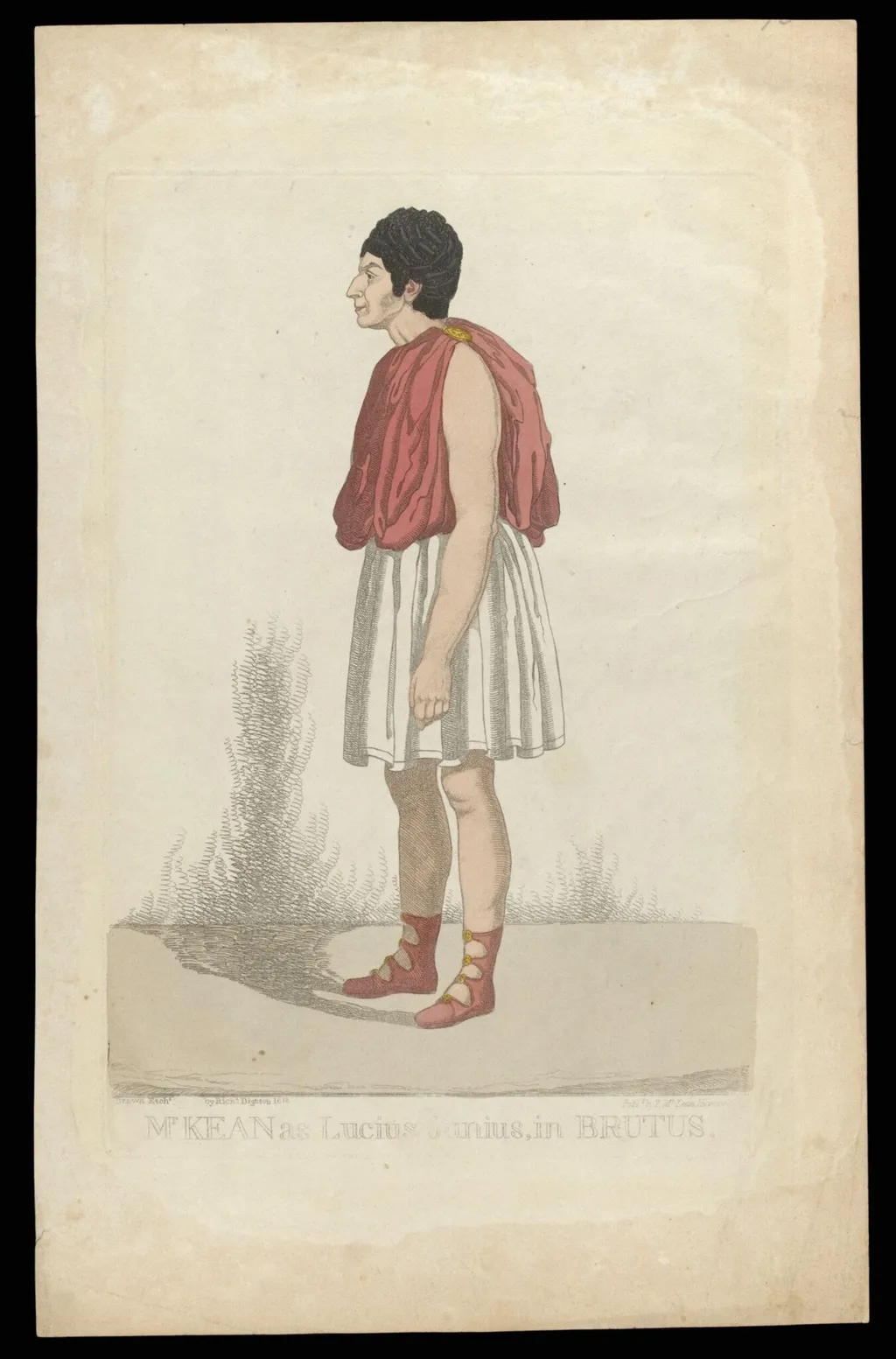
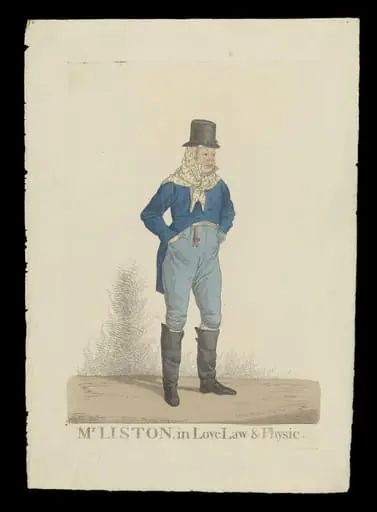
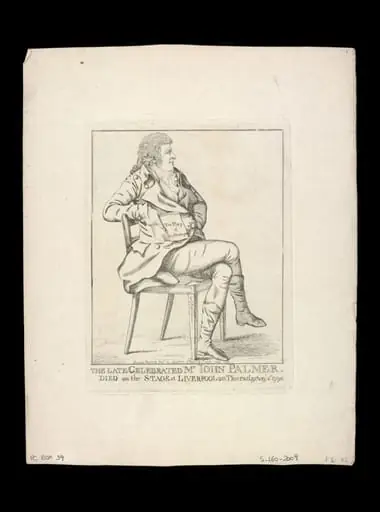
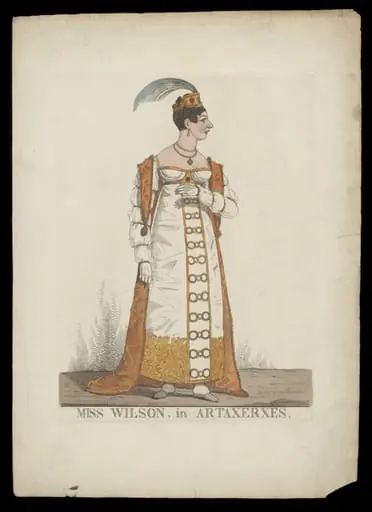
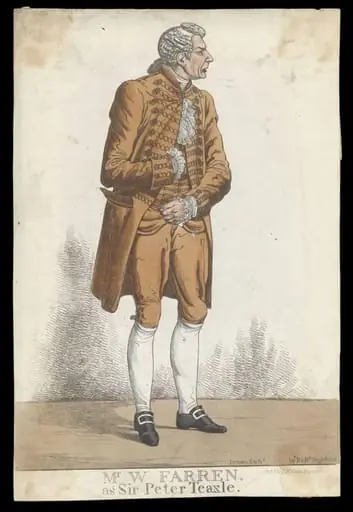
H Beard Print Collection is a print by the Romanticist artist Richard Dighton. It dates from 1818 and is held in the collection of the Victoria and Albert Museum.
About this work
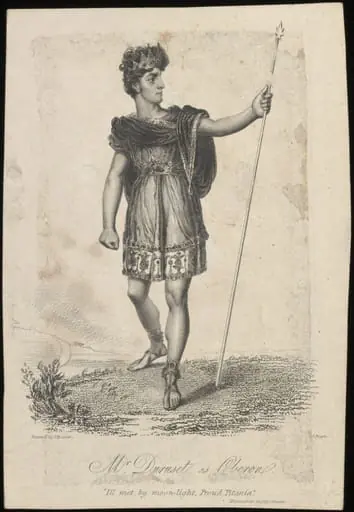
This print shows an actor named Edmund Kean playing a Roman character in a play from 1818. It’s a black-and-white image meant to be hung or shared.
The artist chose this moment in a popular Shakespeare-inspired show. The print was sold by a London publisher who focused on theater.
Look up the Victoria and Albert Museum to see more prints like this.
Overview
The print served as both souvenir and cultural artifact, making stage performances accessible beyond the theatergoer.
A black-and-white print from 1818 captures actor Edmund Kean in the role of Lucius Junius Brutus, a character from a contemporary tragedy inspired by Shakespearean themes. Published by T. McLean of London, it was produced for public distribution, reflecting the era’s demand for theatrical imagery. The print served as both souvenir and cultural artifact, making stage performances accessible beyond the theatergoer.
Subject & Meaning
Kean portrays Lucius Junius Brutus, the legendary Roman founder who condemned his own sons for treason. The scene likely depicts his moment of moral resolve, aligning with early 19th-century ideals of civic duty and stoic leadership. Kean’s intense performance style brought psychological depth to such roles, resonating with audiences invested in republican virtue and personal sacrifice.
Technique & Style
Executed in line engraving, the print uses fine, controlled strokes to render costume, gesture, and facial expression. The composition isolates the figure against a neutral background, emphasizing dramatic posture and emotional gravity. Lighting is suggested through tonal contrast rather than shading, typical of theatrical portraiture designed for mass reproduction and clarity at small scale.
History & Provenance
Published by T. McLean, a prominent London print seller specializing in theater subjects, this work was part of a broader industry documenting stage performances. McLean’s catalog included numerous actor portraits, often based on live sketches or approved by performers. The print’s survival in collections like the Victoria and Albert Museum underscores its role in preserving Regency-era theatrical culture.
Context
In 1818, British audiences were drawn to historical dramas that mirrored contemporary political tensions, particularly around liberty and authority. Kean’s portrayal of Brutus tapped into post-Napoleonic anxieties about leadership and civic responsibility. The popularity of such prints reflected a public eager to engage with theater beyond the stage, through affordable visual media.
Legacy
This print contributes to a visual archive of early 19th-century British theater, documenting how actors like Kean shaped public perception of classical roles. It exemplifies the commercialization of performance culture and the transition from ephemeral stage spectacle to enduring printed record. Such images remain key sources for understanding the intersection of drama, politics, and visual media in the Romantic period.
Artist & collection
Artist
Richard Dighton spent his life sketching London street life on the spot, cigarette behind his ear and sketchbook in hand.