Artwork
Lady Xuanwen Giving Instruction on the Rites of Zhou
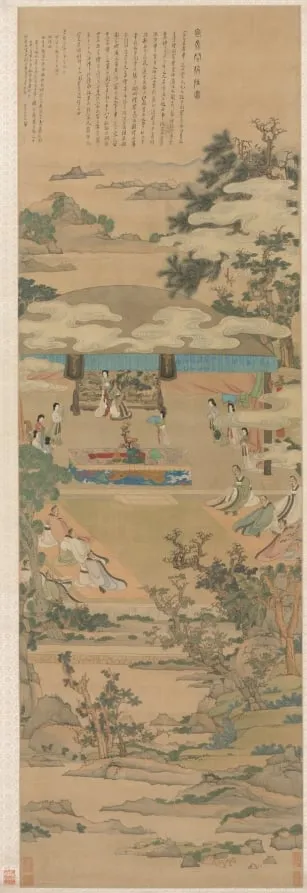
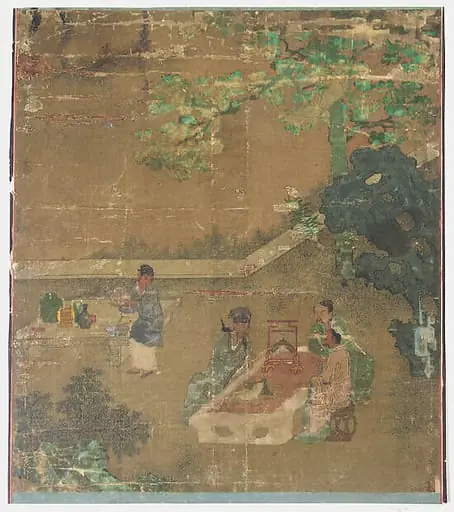
Lady Xuanwen Giving Instruction on the Rites of Zhou is an unspecified painting by the Baroque artist Chen Hongshou. It dates from 1638 and is held in the collection of the Cleveland Museum of Art.
About this work
Instead of a quiet family scene, Chen Hongshou painted a story from China’s past—a noblewoman instructing scholars on Confucian texts.
You see an old woman in red robes teaching three young men under a tree, scrolls and books spread around them.
This painting was made for the artist’s aunt on her 60th birthday. Instead of a quiet family scene, Chen Hongshou painted a story from China’s past—a noblewoman instructing scholars on Confucian texts. The bright colors and sharp outlines make the figures feel almost like carved statues.
If you like the way Chen painted faces—long and delicate—look up *china, ming dynasty (1368–1644)* to see more works like this.
Overview
Chen Hongshou created this ink and color painting to honor his aunt’s sixtieth birthday, choosing a historical narrative over a conventional portrait. The scene portrays Lady Xuanwen, a revered figure from the Han dynasty, imparting knowledge of the Rites of Zhou to three male students. The composition avoids domestic intimacy, instead invoking scholarly tradition through symbolic setting and archaic aesthetics, reflecting both personal tribute and cultural reverence.
Subject & Meaning
Lady Xuanwen, a legendary female scholar, symbolizes the transmission of Confucian learning across generations. By depicting her instructing young men, Chen elevates the role of women in intellectual heritage, despite patriarchal norms. The choice of the Rites of Zhou—a foundational text on ritual and governance—underscores the value placed on moral and ceremonial order. The scene transforms a familial celebration into a meditation on enduring scholarly duty.
Technique & Style
Chen employed fine, unvarying brushstrokes known as 'iron-wire' line work, creating crisp contours that define the figures with sculptural rigidity. Mineral pigments produce vivid, opaque colors, particularly in the red robes and green foliage. Faces are elongated and stylized, emphasizing spiritual gravity over naturalism. Ritual bronzes and scattered scrolls reinforce the antiquarian tone, anchoring the scene in a timeless scholarly past.
History & Provenance
Commissioned by Chen Hongshou for his aunt’s sixtieth birthday, the painting served as both a personal homage and a public affirmation of Confucian values within his family. Its survival through centuries reflects its significance in Ming literati circles. While early records are sparse, its attribution to Chen and its thematic alignment with his known works support its authenticity and intended ceremonial purpose.
Context
Painted during the late Ming dynasty, a period marked by political instability and cultural introspection, Chen’s work reflects a broader trend among scholars to revive ancient ideals. The revival of archaic styles in painting paralleled a renewed interest in classical texts. By selecting a female sage from antiquity, Chen subtly challenged contemporary gender roles while affirming the timeless authority of Confucian pedagogy.
Legacy
Chen Hongshou’s distinctive style—marked by elongated forms and deliberate archaism—influenced later artists seeking to distance themselves from courtly realism. This painting exemplifies his role in redefining figure painting through symbolic expression rather than naturalistic detail. It remains a key reference for understanding how Ming literati used historical allegory to navigate cultural change and assert intellectual continuity.
Artist & collection


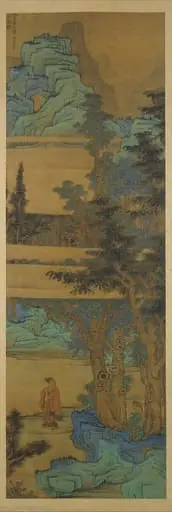 明 陳洪綬 樹下高士圖 軸|Scholar-recluse in blue-green landscape
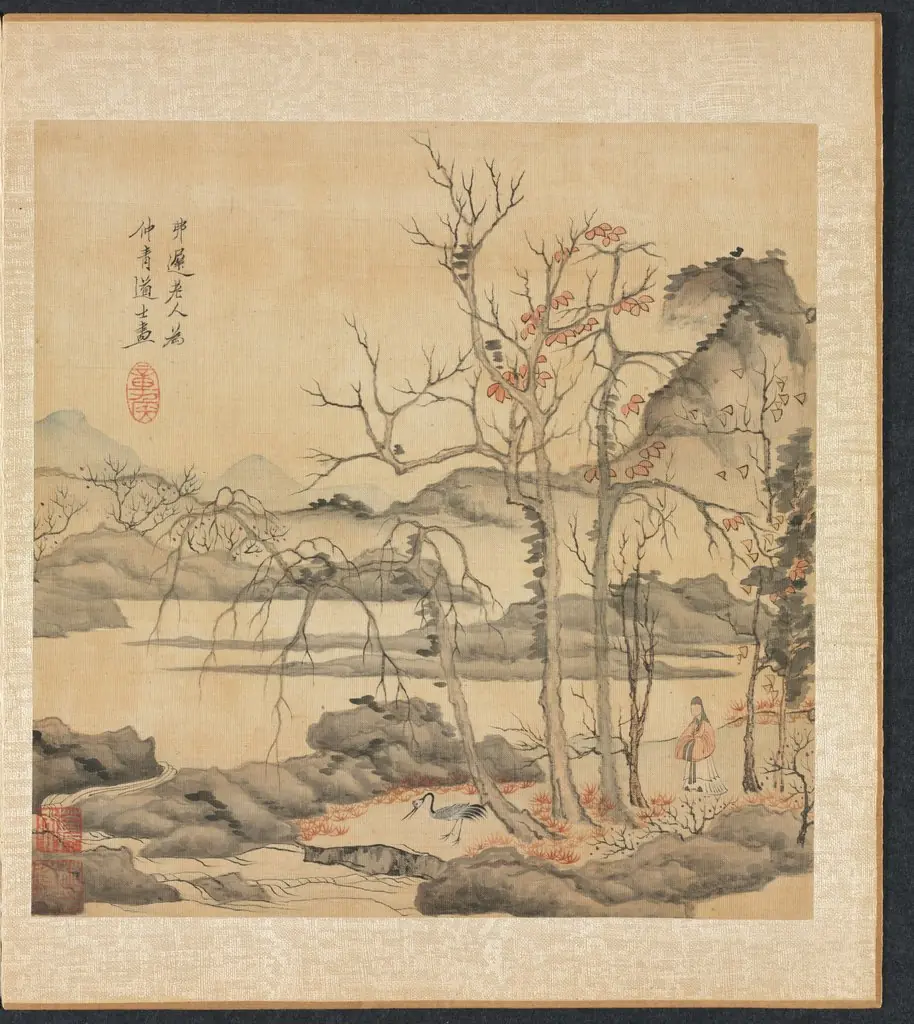 Paintings after Ancient Masters: Daoist and Crane in Autumn Landscape
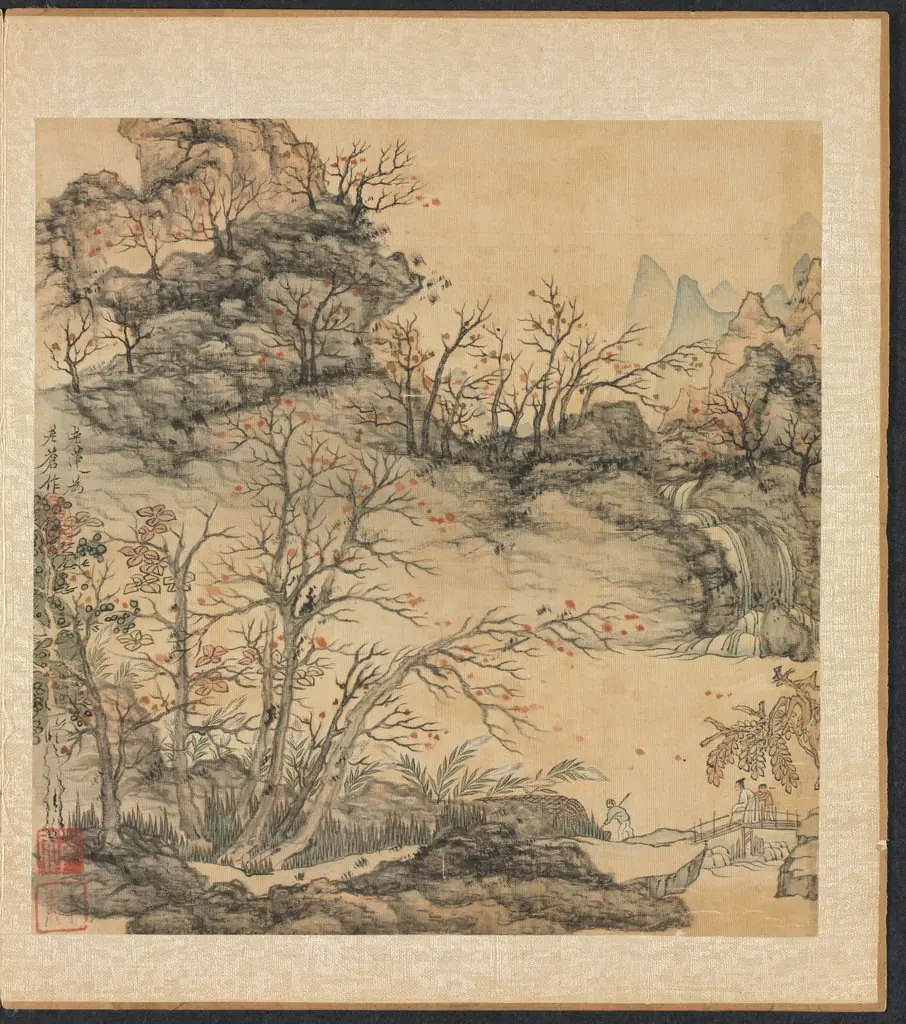 Paintings after Ancient Masters: Autumn Landscape
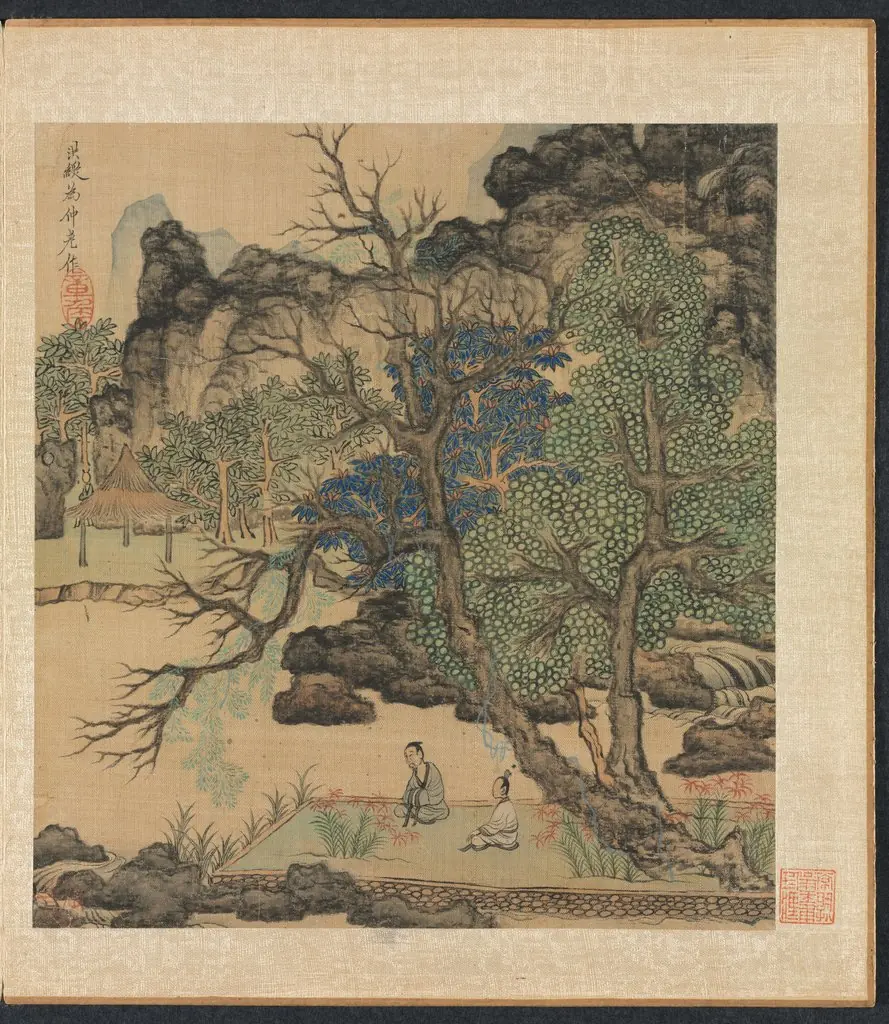 Paintings after Ancient Masters: Scholars in a Garden
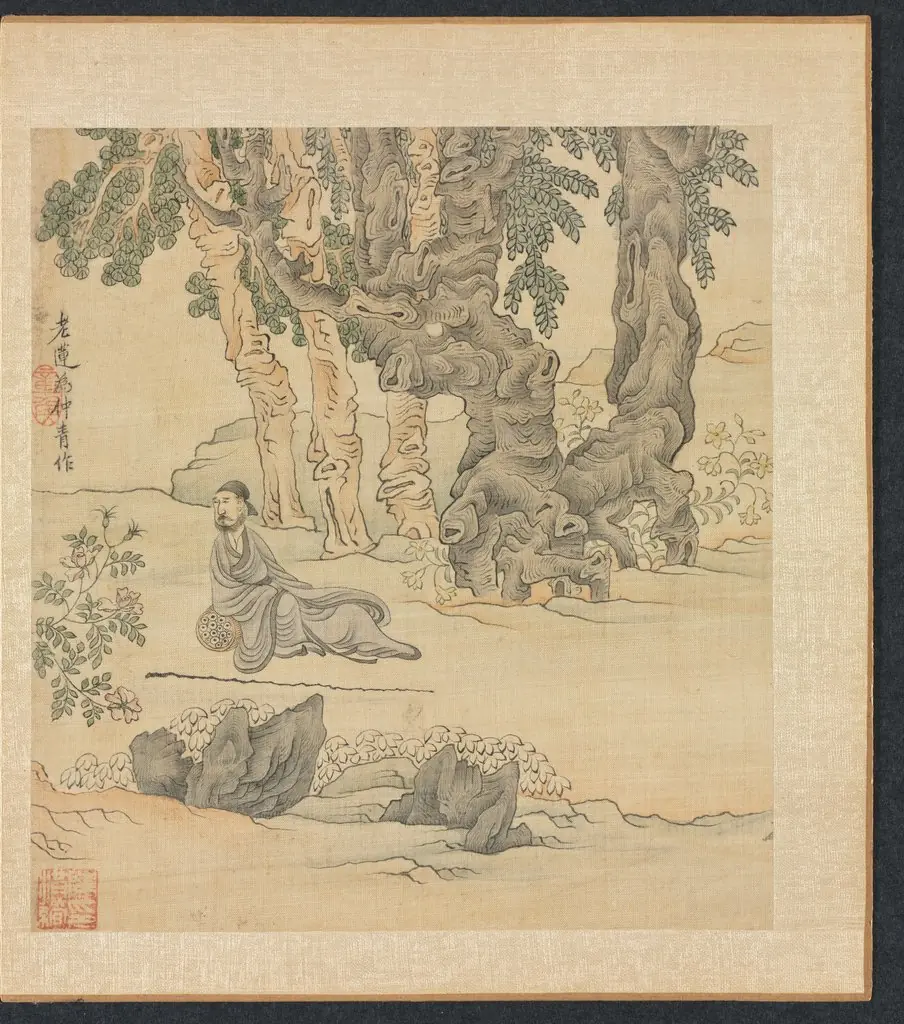 Paintings after Ancient Masters: Portrait of Zhongqing in a Landscape
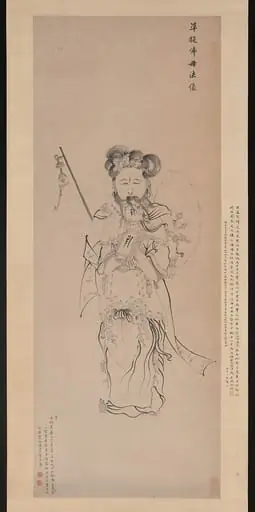 明 陳洪綬 準提佛母法像圖 軸|Bodhisattva Guanyin in the Form of the Buddha Mother
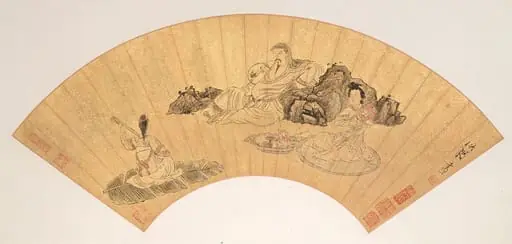 明 陳洪綬 山水花鳥人物圖 扇冊|Landscapes and Flowers
 明 陳洪綬 山水圖 扇|Landscape
 明 杜堇 伏生授經圖 軸|The Scholar Fu Sheng Transmitting the Book of Documents
 Palace Ladies
 清 佚名 蘇蕙璇璣圖 卷|Lady Su Hui and Her Verse Puzzle
 Court Ladies in the Imperial Palace
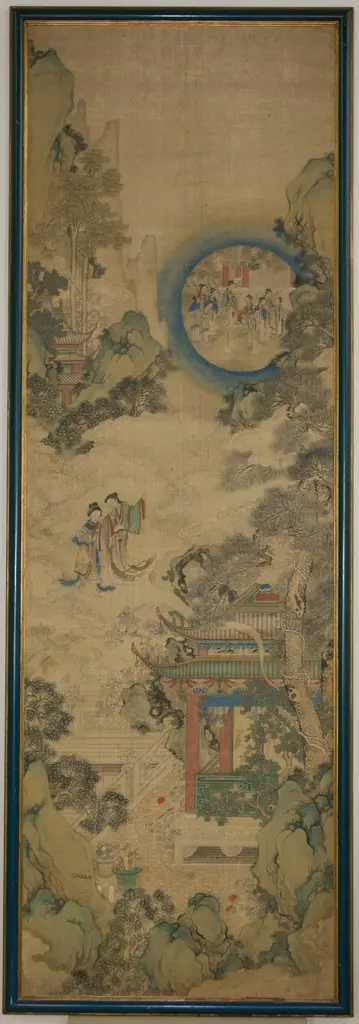 Three scenes from festivals of the twelve months
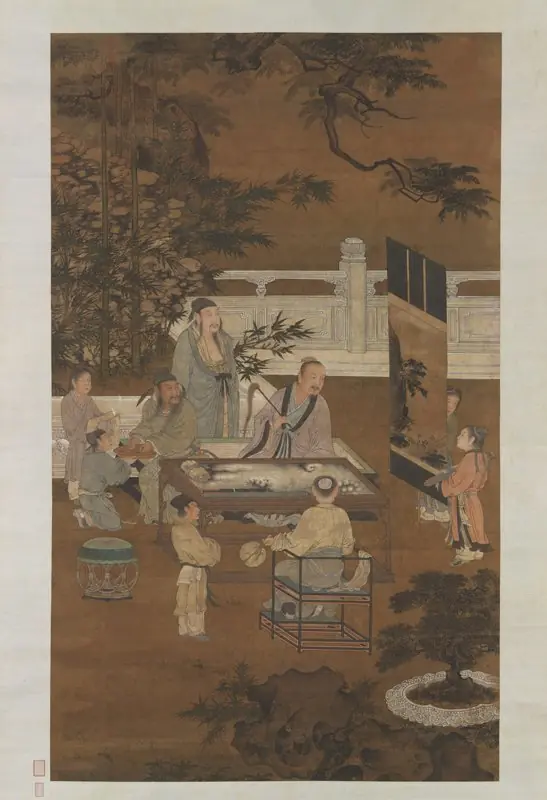 The Eighteen Scholars (Painting)
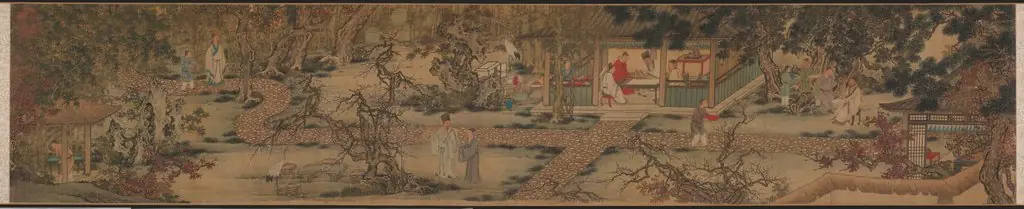 The Nine Elders of the Mountain of Fragrance
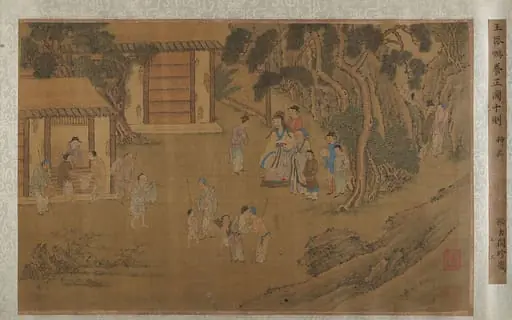 明/清 佚名 舊傳王振鵬 養正圖 卷|Family Training
 Untitled