Artwork
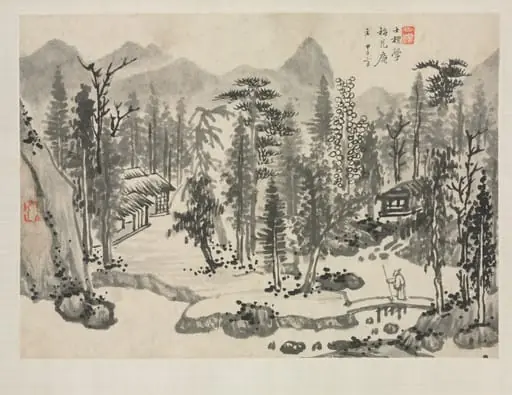
Paintings after Ancient Masters: Landscape in the Style of Ni Zan
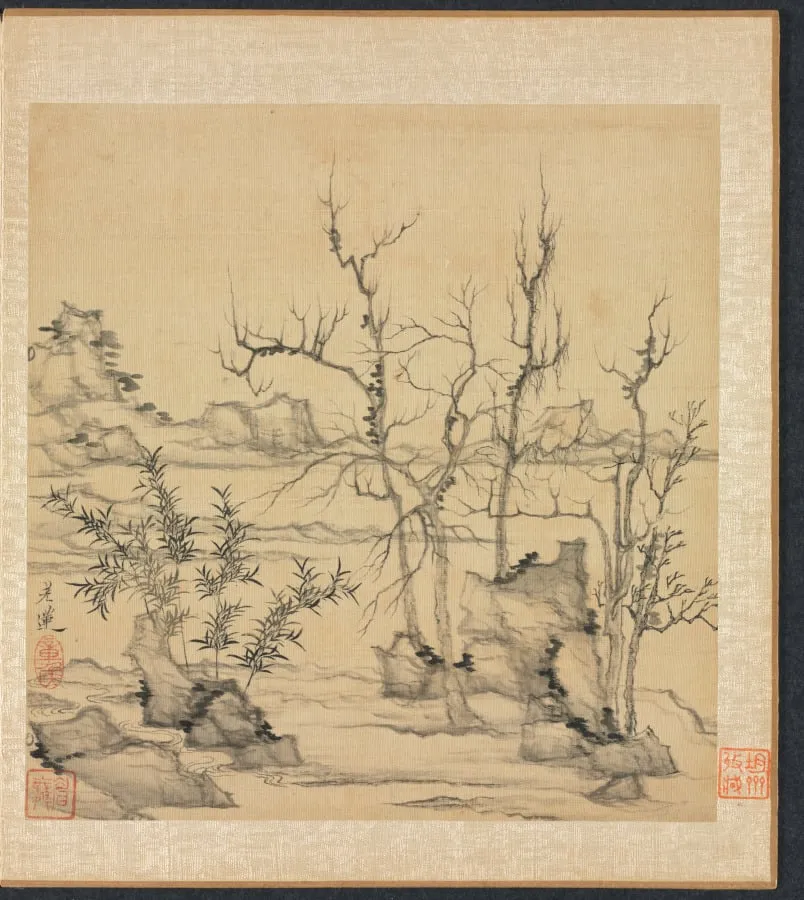
Paintings after Ancient Masters: Landscape in the Style of Ni Zan is an unspecified painting by the Ming dynasty painting artist Chen Hongshou. It dates from 1625 and is held in the collection of the Cleveland Museum of Art.
About this work
He kept the old style but made it his own, like a musician playing an old song with a new twist.
You see a quiet river winding past bare trees and a few tiny houses on a hill.
Chen Hongshou painted this centuries after the artist he copied—Ni Zan—lived. He kept the old style but made it his own, like a musician playing an old song with a new twist. The trees look almost like calligraphy, thin and precise.
If you like this, look up china, ming dynasty (1368–1644) to see the art that inspired him.
Overview
This double-album contains twenty small paintings by Chen Hongshou, combining landscapes, figure studies, and floral motifs. Among the sheets is a single leaf that depicts a woman, a subject that appears only in this late series. The works are noted for their meticulous detail and a restrained, almost scholarly tone, reflecting the artist’s mature period.
Subject & Meaning
The landscapes portray a tranquil river winding through barren trees and a few diminutive houses perched on a hill, evoking a sense of isolation. The inclusion of a solitary female figure on one leaf adds a personal note, contrasting with the broader theme of modest, contemplative scenery that mirrors the constrained lives of Ming‑era loyalist scholars.
Technique & Style
Chen adopts Ni Zan’s spare brushwork, rendering trees with thin, calligraphic strokes that suggest both elegance and restraint. The compositions are deliberately reduced in scale, reminiscent of miniature Chinese gardens or carefully chosen rocks, emphasizing precision over grandeur.
Context
Created in the late Ming dynasty, the album reflects the psychological state of officials and scholars who had lost official favor. Their reduced circumstances are expressed through the paintings’ miniature format and subdued palette, conveying a quiet resignation rather than overt sentimentality.
Legacy
By reinterpreting Ni Zan’s aesthetic centuries after the original master, Chen Hongshou demonstrates how traditional styles could be refreshed within a later era. His work stands as a bridge between Yuan‑inspired simplicity and the introspective concerns of late‑Ming intellectuals.
Artist & collection


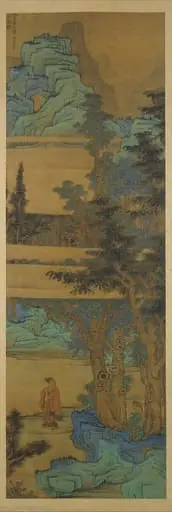 明 陳洪綬 樹下高士圖 軸|Scholar-recluse in blue-green landscape
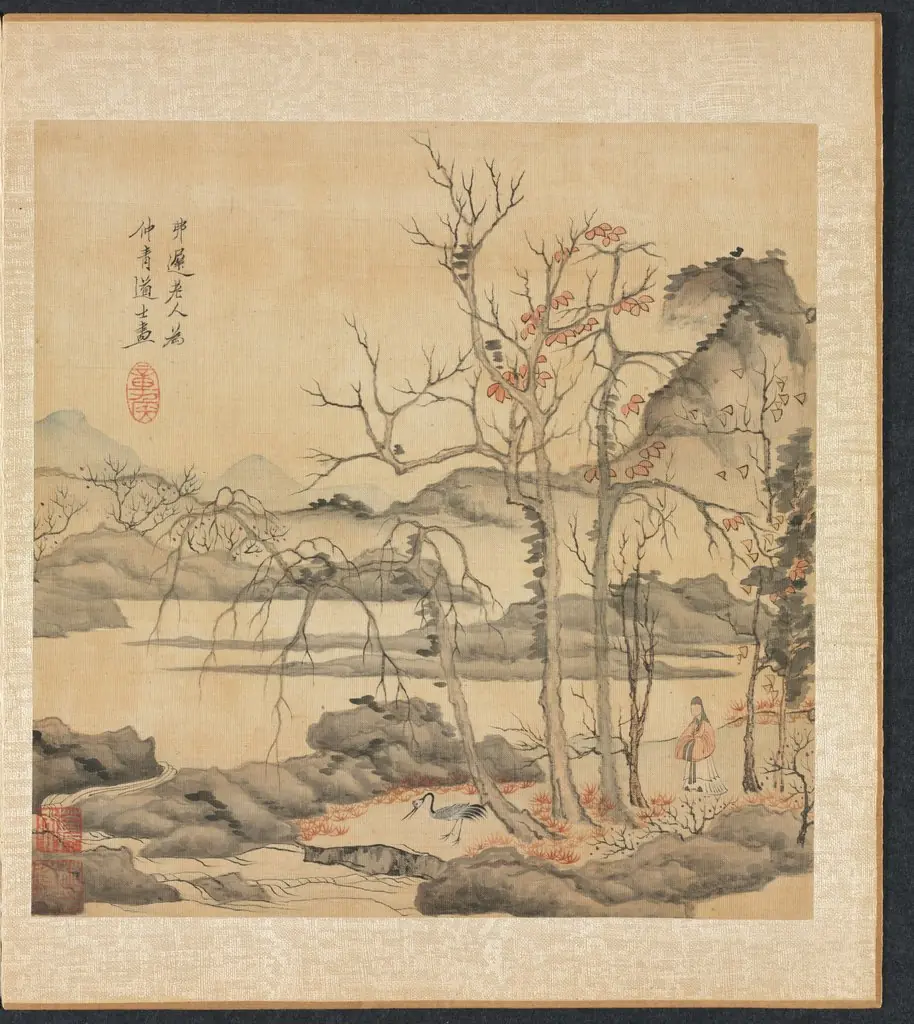 Paintings after Ancient Masters: Daoist and Crane in Autumn Landscape
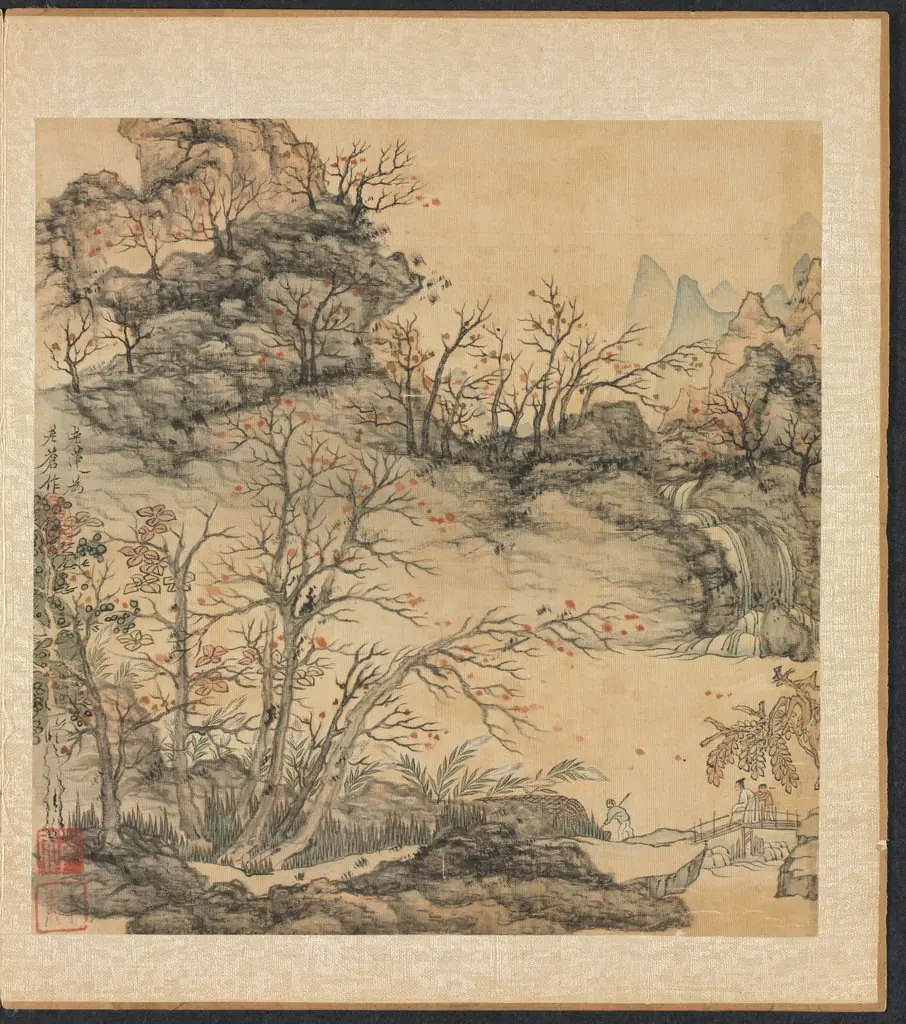 Paintings after Ancient Masters: Autumn Landscape
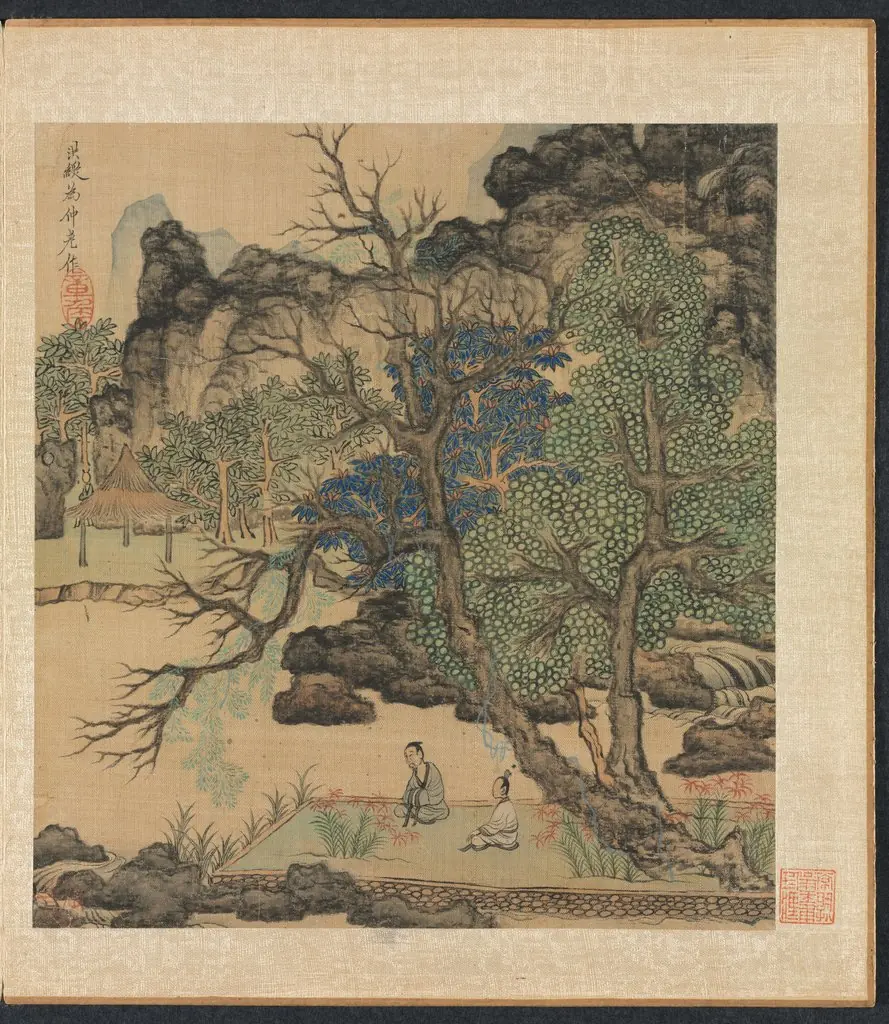 Paintings after Ancient Masters: Scholars in a Garden
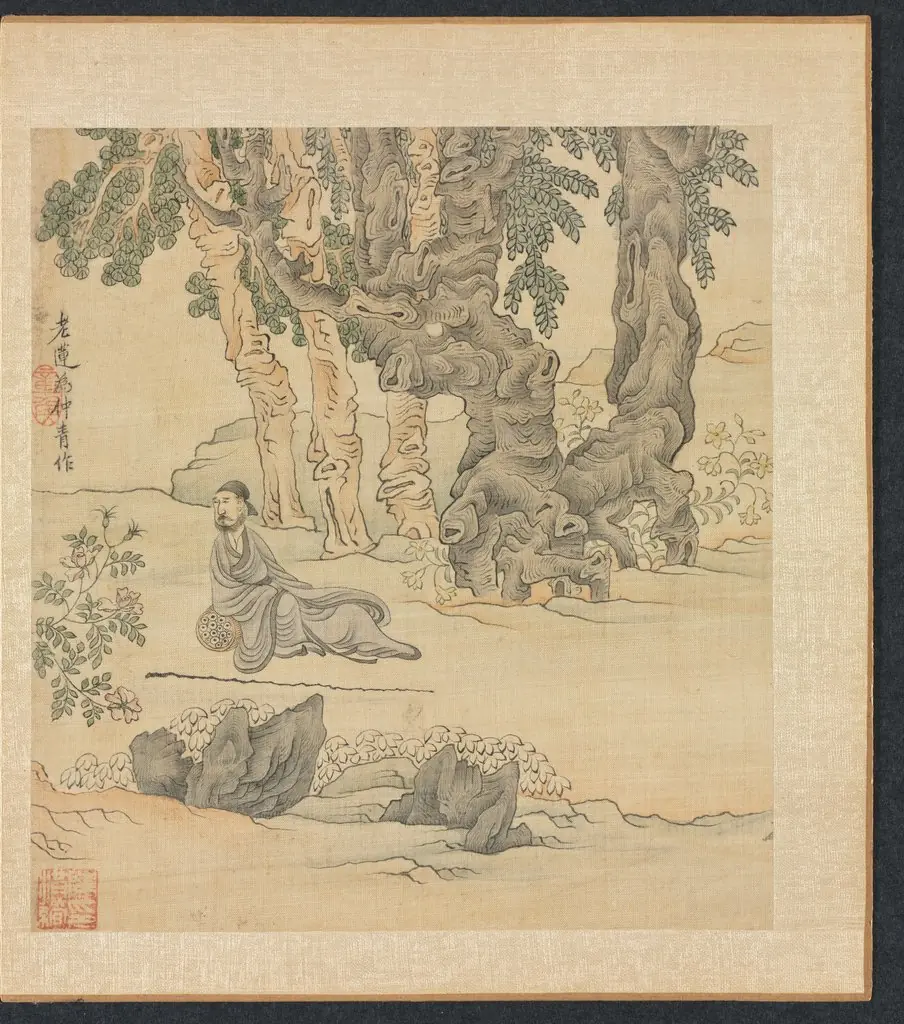 Paintings after Ancient Masters: Portrait of Zhongqing in a Landscape
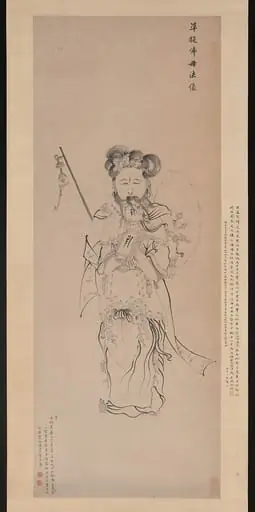 明 陳洪綬 準提佛母法像圖 軸|Bodhisattva Guanyin in the Form of the Buddha Mother
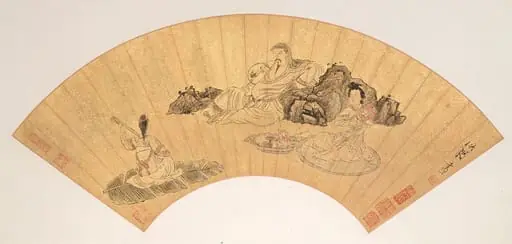 明 陳洪綬 山水花鳥人物圖 扇冊|Landscapes and Flowers
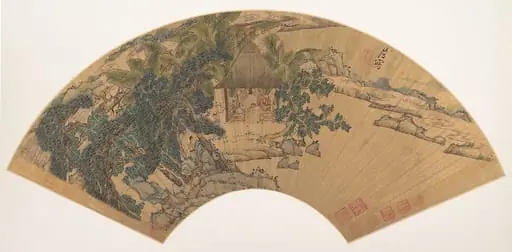 明 陳洪綬 山水圖 扇|Landscape
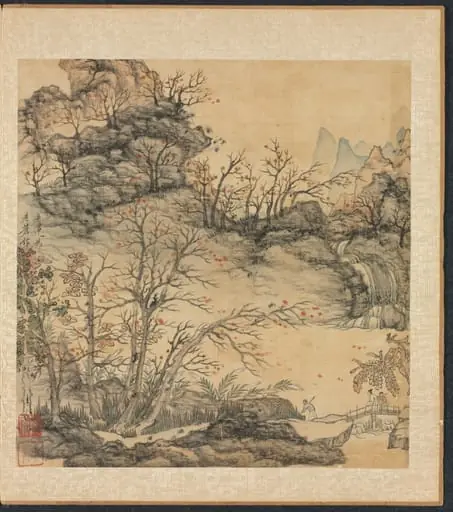 Paintings after Ancient Masters: Autumn Landscape
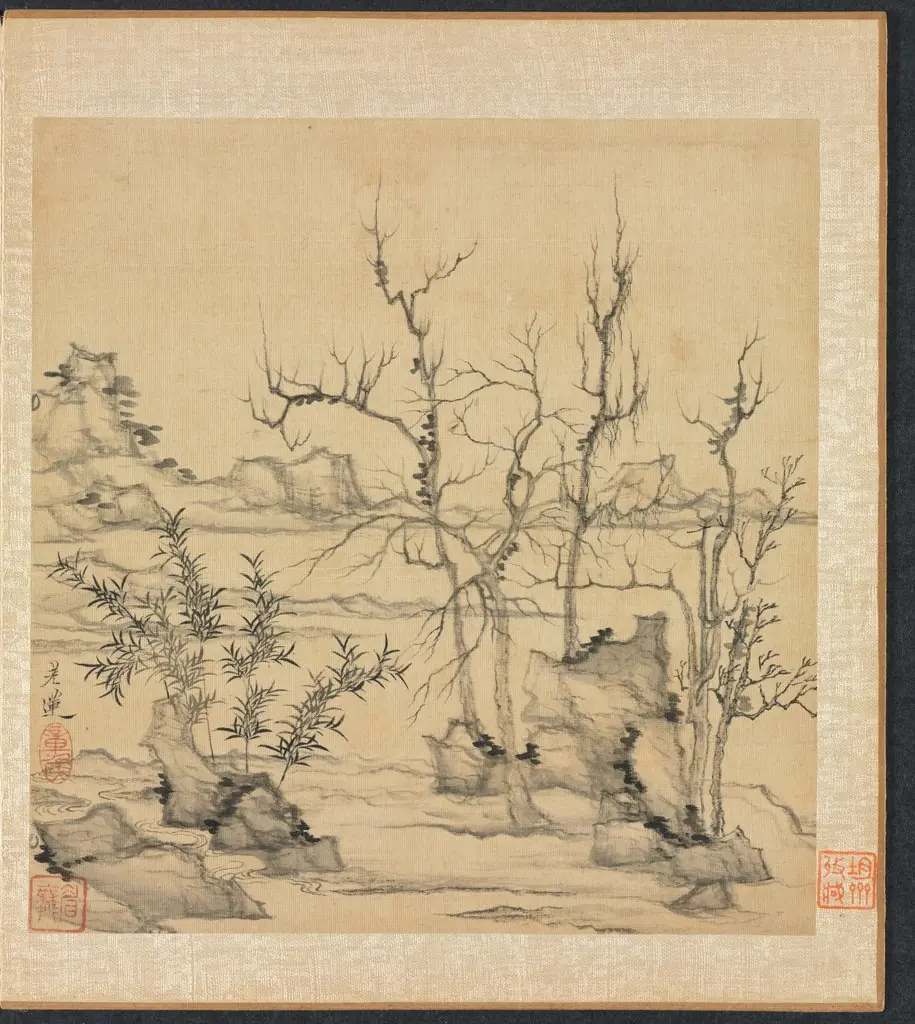 Paintings after Ancient Masters: Landscape in the Style of Ni Zan
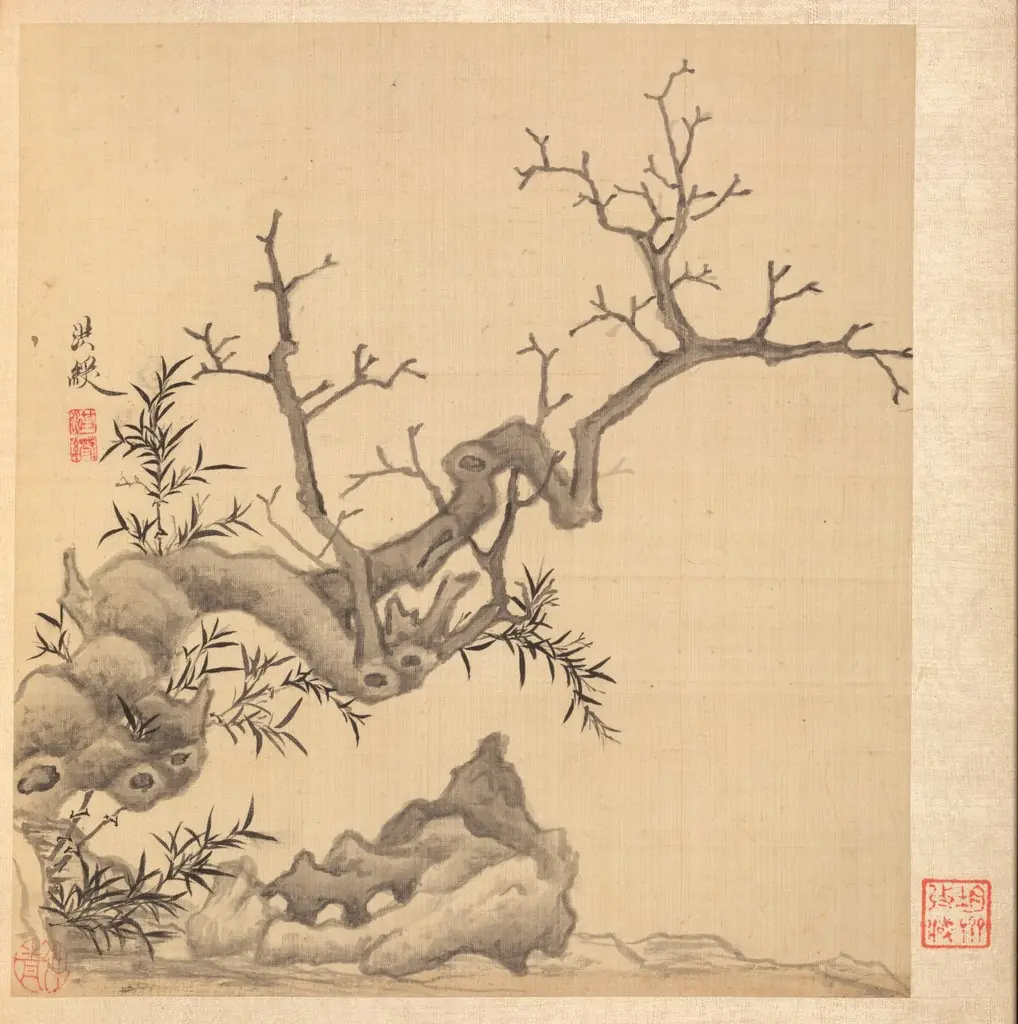 Paintings after Ancient Masters: Rock, Old Tree, and Bamboo
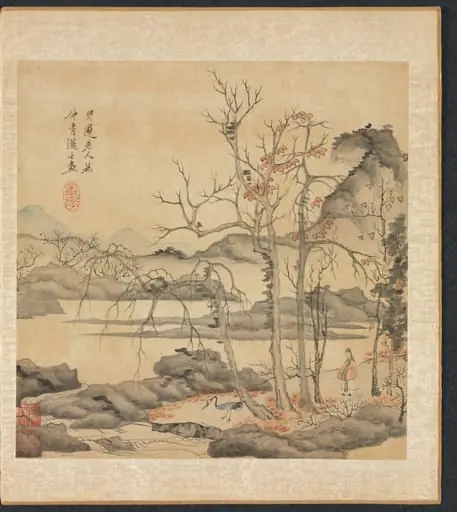 Paintings after Ancient Masters: Daoist and Crane in Autumn Landscape
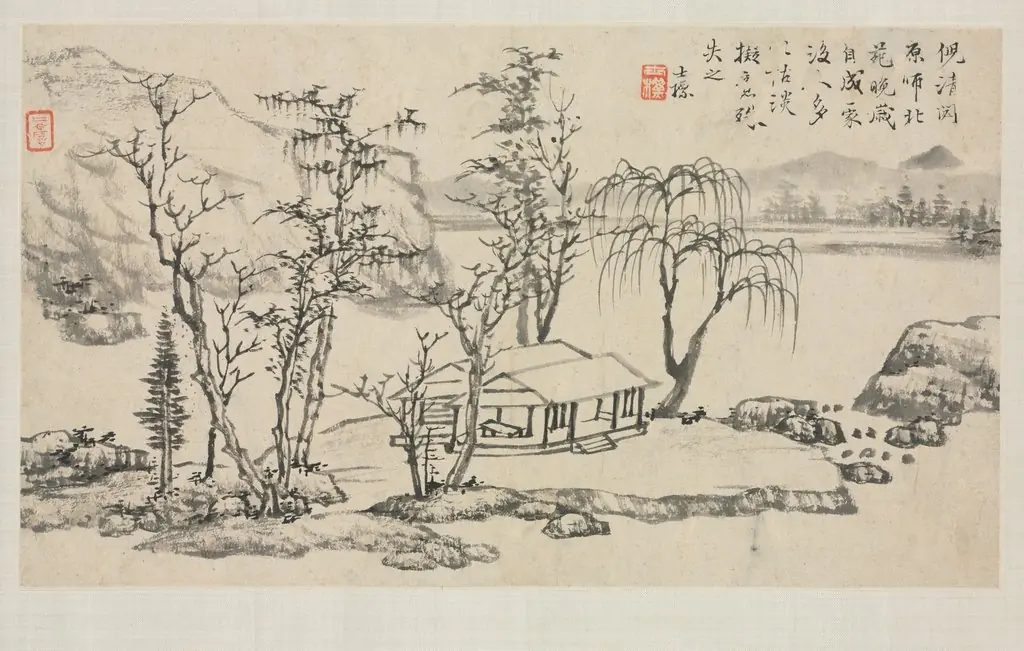 Landscape Album in Various Styles: Landscape after Ni Zan
 Landscape Album in Various Styles: Landscape after Ni Zan
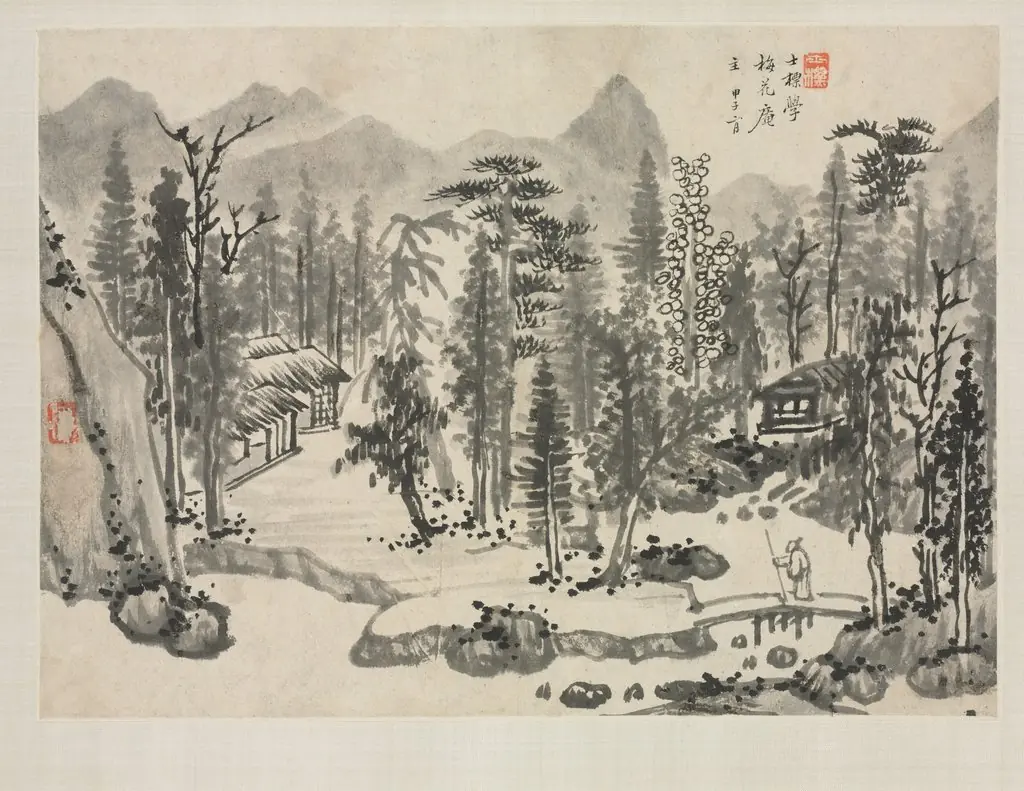 Landscape Album in Various Styles: Landscape after Wu Zhen
 Landscape Album in Various Styles: Landscape after Wu Zhen