Artwork
Paintings after Ancient Masters: Daoist and Crane in Autumn Landscape
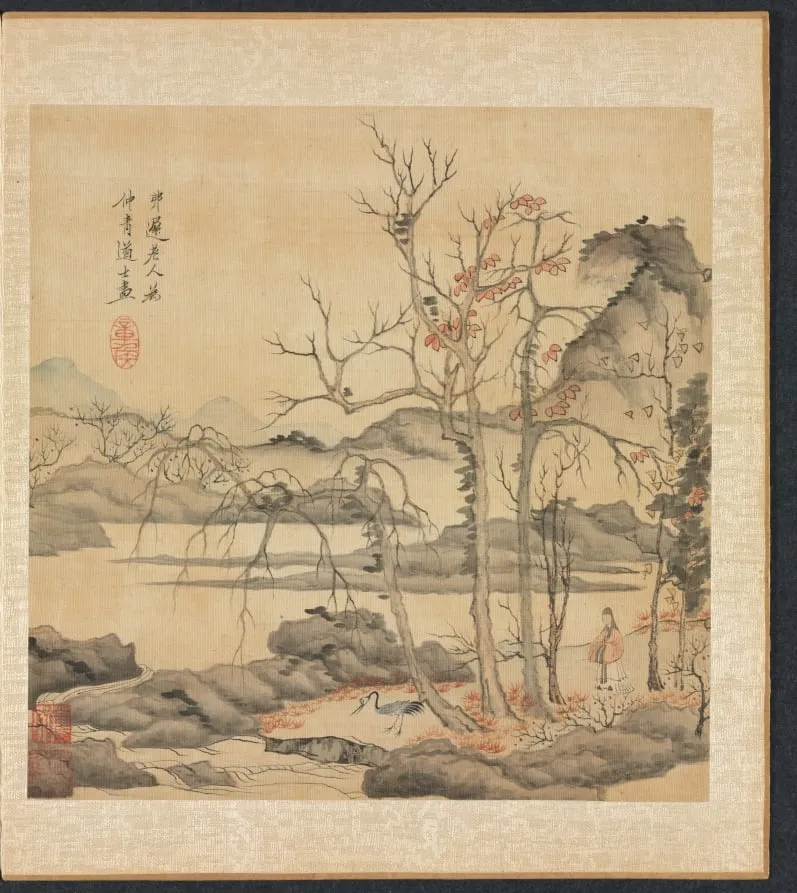
Paintings after Ancient Masters: Daoist and Crane in Autumn Landscape is an unspecified painting by the Ming dynasty painting artist Chen Hongshou. It dates from 1625 and is held in the collection of the Cleveland Museum of Art.
About this work
The crane’s feathers and the sage’s robe are drawn with sharp, thin lines, but the rocks are just a few quick strokes.
You see a small, careful painting of a Daoist sage and a crane standing in a rocky autumn scene.
Chen Hongshou painted this in the late 1600s, when he made everything tiny—like a miniature garden. The figures look old-fashioned on purpose, almost like they’re copied from much older scrolls. The crane’s feathers and the sage’s robe are drawn with sharp, thin lines, but the rocks are just a few quick strokes.
Look up other works from china, ming dynasty (1368–1644) to see where he got his ideas.
Overview
Chen Hongshou created a double-album of twenty small paintings in the late 1600s, blending landscapes, figures, and floral motifs. Among them is a depiction of a Daoist sage and a crane in an autumn setting, rendered with deliberate miniaturization. These works reflect his mature style—archaic in form, meticulously detailed, yet emotionally restrained. The diminutive scale echoes the contemplative aesthetics of scholar-gardens and rock collections, signaling a retreat from the world.
Subject & Meaning
The Daoist sage and crane symbolize transcendence and longevity, traditional motifs in Chinese literati culture. Positioned within a sparse, rocky autumn landscape, the figures convey quiet solitude. This imagery resonates with the psychological state of Ming loyalists after the dynasty’s fall: withdrawn, dignified, and diminished in political influence. The scene does not dramatize loss but embodies it through stillness and restraint.
Technique & Style
Chen employed fine, precise lines for the crane’s feathers and the sage’s robe, evoking archaic brushwork from earlier dynasties. In contrast, the rocks are rendered with swift, economical strokes, creating a tension between refinement and spontaneity. The overall composition is compressed, with figures scaled to the size of tabletop rocks, reinforcing a sense of intimate, inward contemplation rather than grandeur.
History & Provenance
Painted during the early Qing period, these works emerged after Chen’s retreat from public life following the Ming collapse. The album belongs to his final creative phase, when he turned increasingly to miniature formats and historical references. While the exact provenance of this specific leaf is undocumented, the series as a whole reflects the artistic responses of scholar-officials navigating cultural displacement under new rule.
Context
Chen’s miniaturization aligns with broader trends among Ming loyalists who sought refuge in private aesthetics after losing political power. His stylized figures draw from Song and Yuan precedents, reviving archaic forms not as nostalgia but as moral counterpoint to Qing authority. The album’s small scale mirrors the constrained lives of its creators, transforming artistic restraint into a form of silent resistance.
Legacy
Chen’s late works influenced later generations of painters who valued emotional subtlety over spectacle. His fusion of historical quotation with personal expression became a model for how tradition could be reactivated under duress. The Daoist and crane painting, like others in the album, endures as a quiet testament to the resilience of cultural identity through disciplined, scaled-down artistry.
Artist & collection


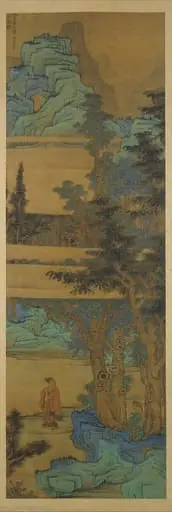 明 陳洪綬 樹下高士圖 軸|Scholar-recluse in blue-green landscape
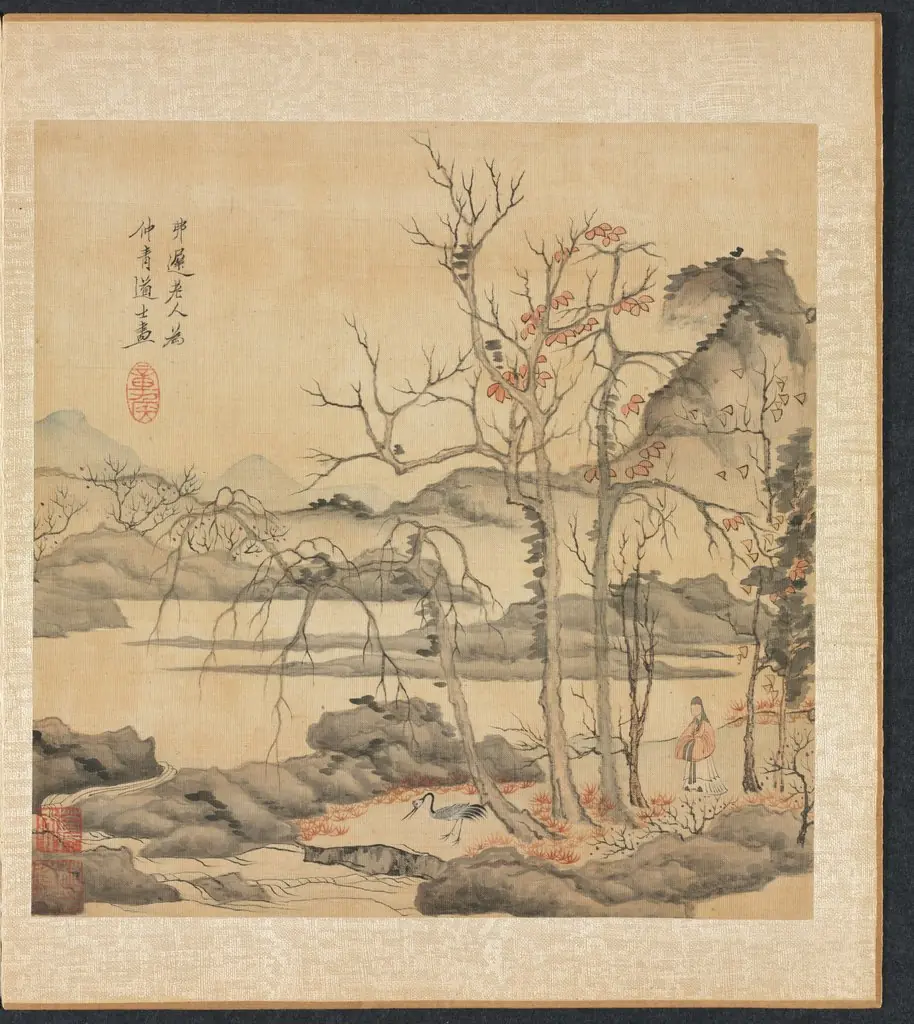 Paintings after Ancient Masters: Daoist and Crane in Autumn Landscape
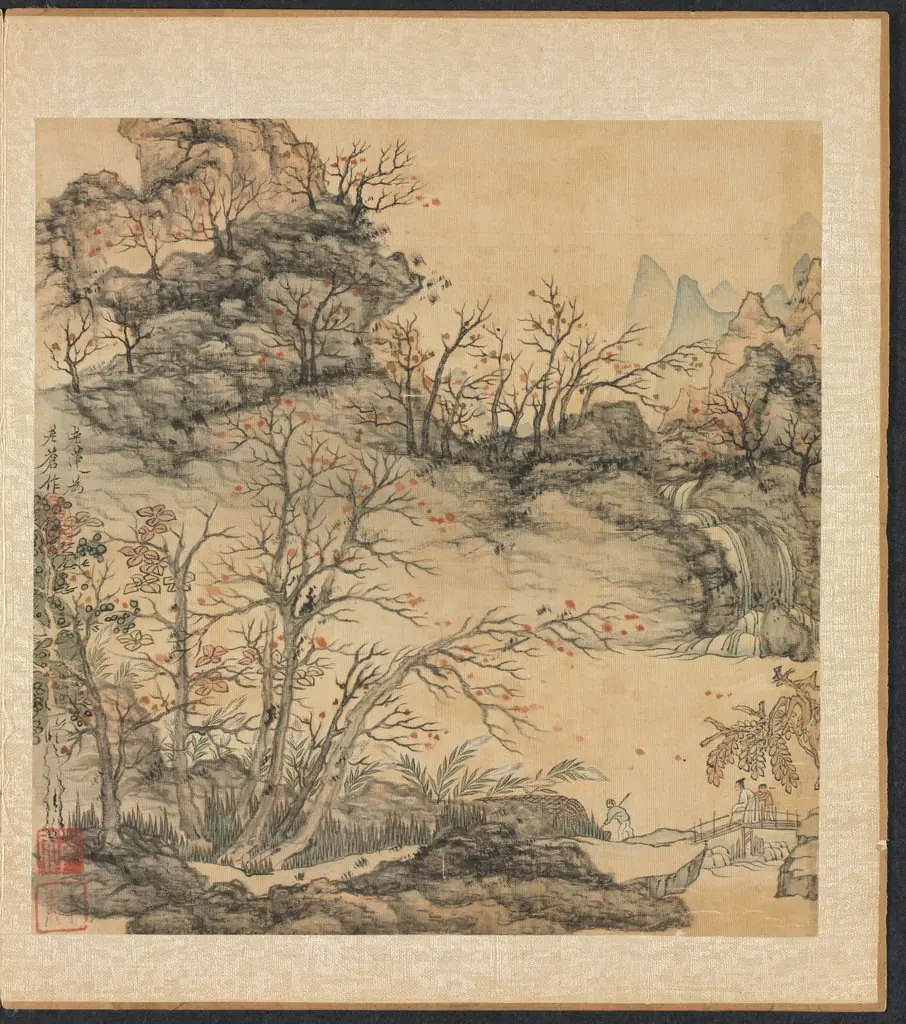 Paintings after Ancient Masters: Autumn Landscape
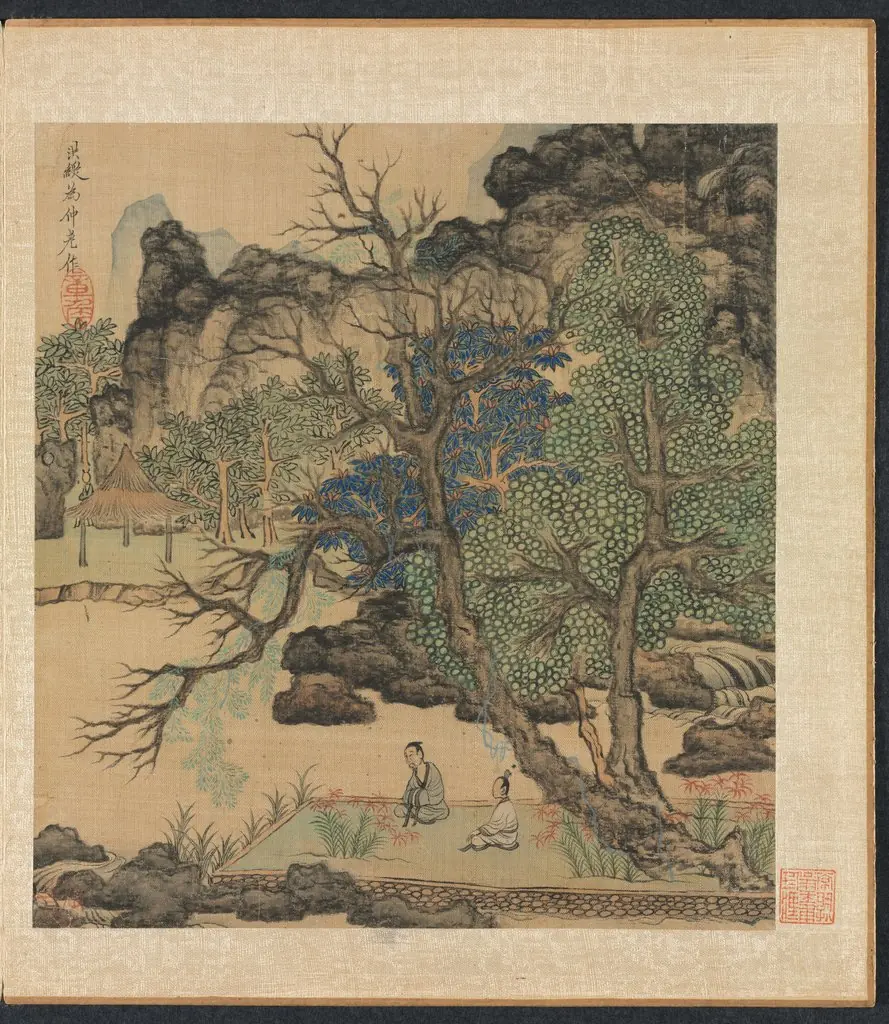 Paintings after Ancient Masters: Scholars in a Garden
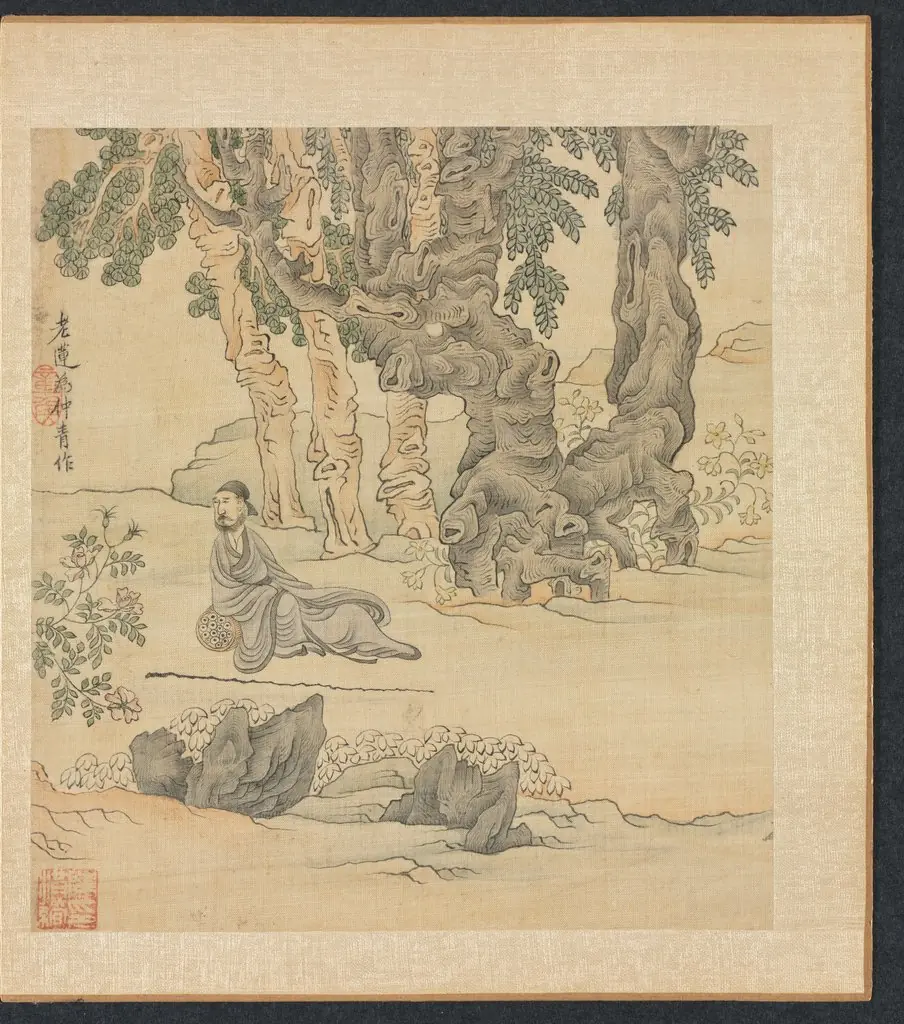 Paintings after Ancient Masters: Portrait of Zhongqing in a Landscape
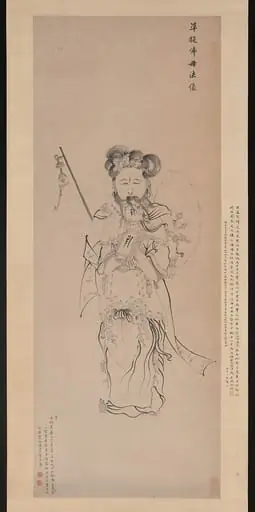 明 陳洪綬 準提佛母法像圖 軸|Bodhisattva Guanyin in the Form of the Buddha Mother
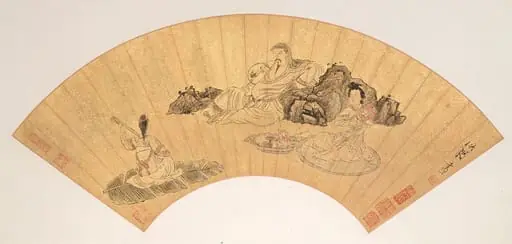 明 陳洪綬 山水花鳥人物圖 扇冊|Landscapes and Flowers
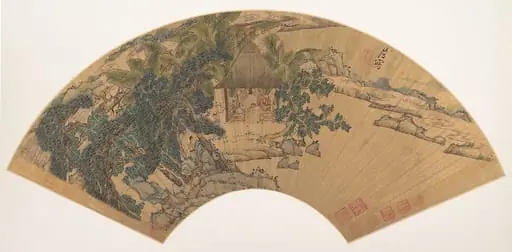 明 陳洪綬 山水圖 扇|Landscape
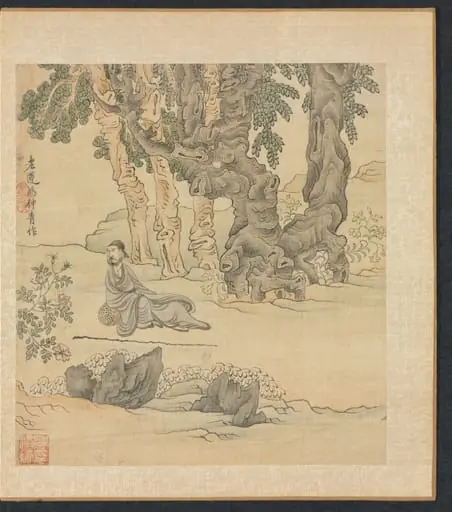 Paintings after Ancient Masters: Portrait of Zhongqing in a Landscape
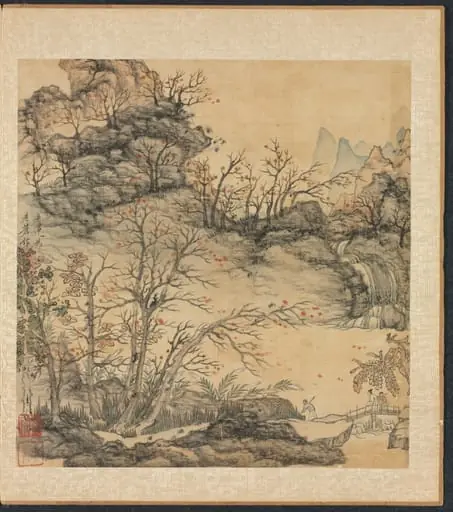 Paintings after Ancient Masters: Autumn Landscape
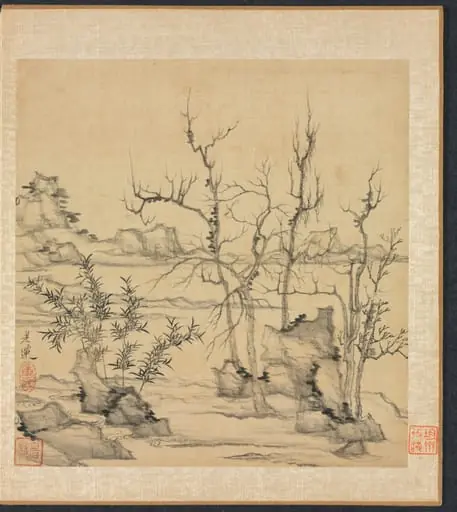 Paintings after Ancient Masters: Landscape in the Style of Ni Zan
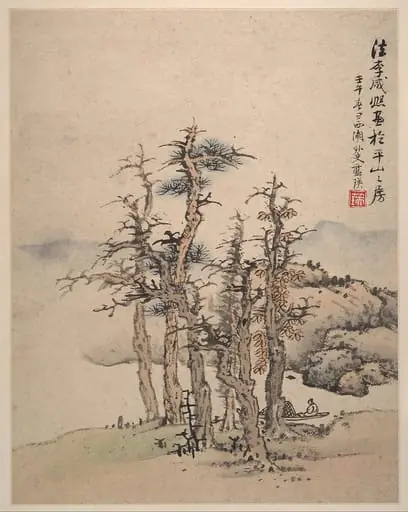 明 藍瑛 仿宋元山水圖 冊|Landscapes after Song and Yuan masters
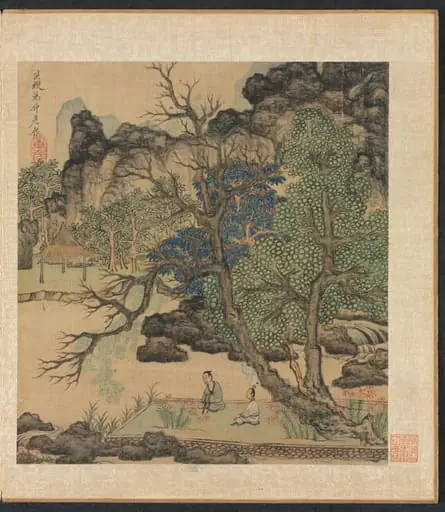 Paintings after Ancient Masters: Scholars in a Garden
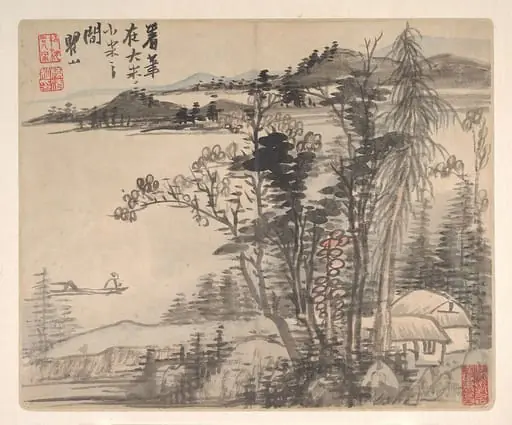 清 梅清 為澤翁倣各家山水圖 冊|Landscapes after Ancient Masters
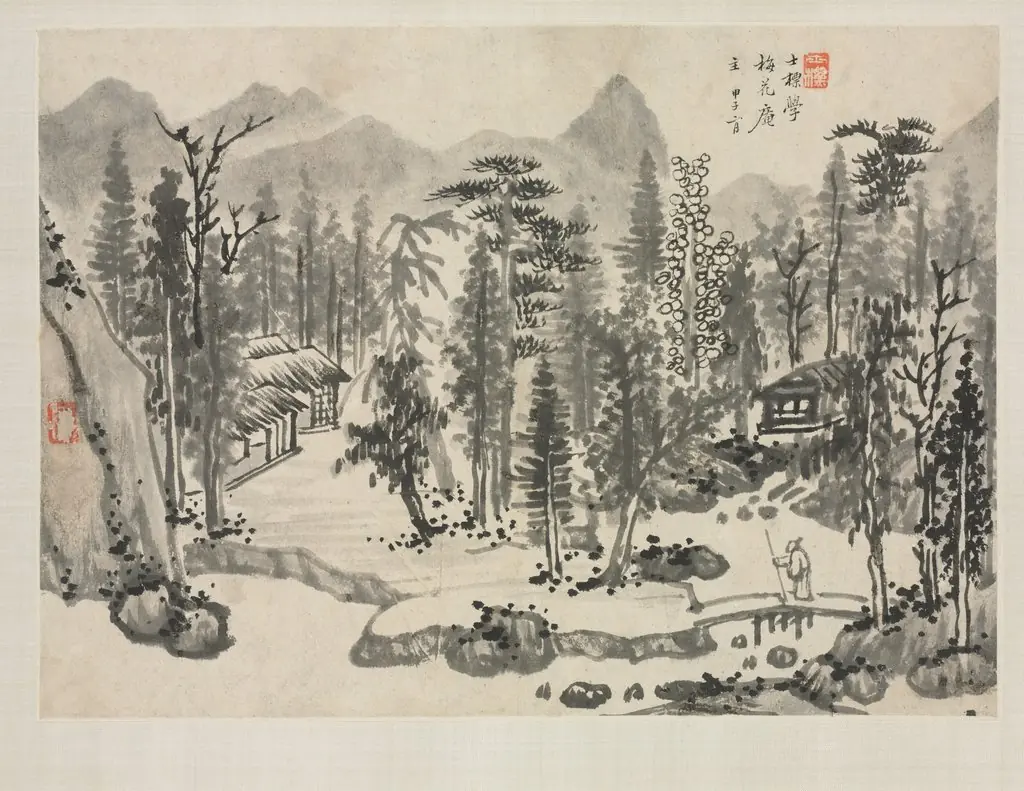 Landscape Album in Various Styles: Landscape after Wu Zhen
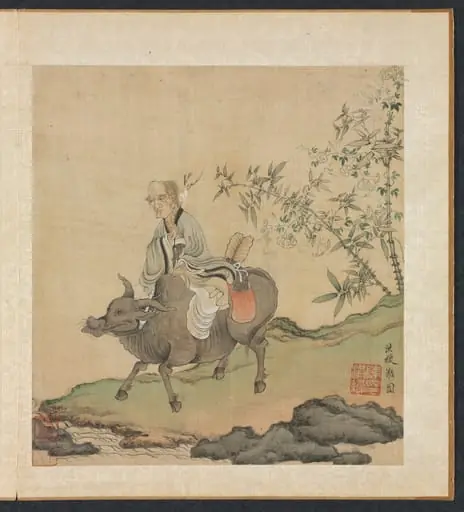 Paintings after Ancient Masters: Laozi Riding an Ox
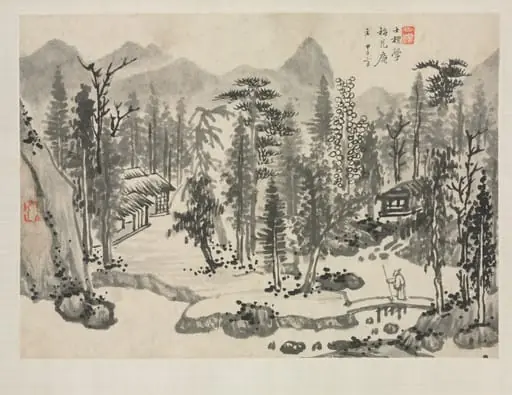 Landscape Album in Various Styles: Landscape after Wu Zhen