Artwork
Flowers of the Four Seasons
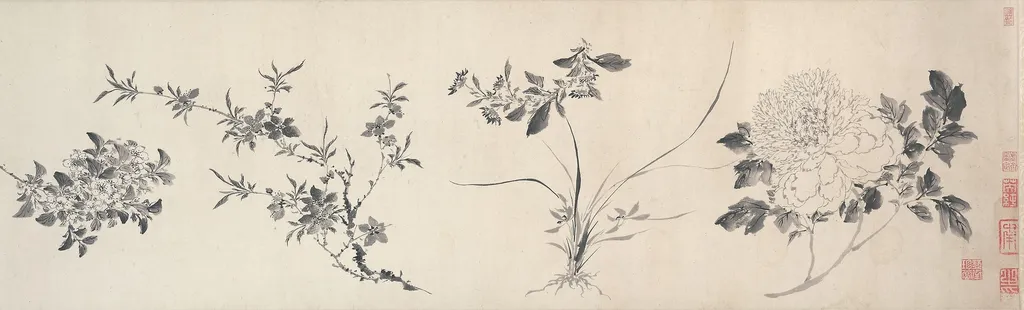
Flowers of the Four Seasons is an unspecified painting by the Ming dynasty painting artist Chen Jiayan. It dates from 1592 and is held in the collection of the Art Institute of Chicago.
About this work
Overview
Created in 1592 by Chen Jiayan, *Flowers of the Four Seasons* is a monochrome painting in the collection of the Art Institute of Chicago. The work presents a selection of blossoms and foliage representing the four seasonal cycles, arranged to suggest movement across a softly tinted background.
Subject & Meaning
The composition juxtaposes larger, flamboyant blooms with smaller, delicate flowers, each associated with a particular time of year. By grouping these elements together, the artist conveys the continuity of nature’s cycle, inviting contemplation of the passage of time through the changing flora.
Technique & Style
Executed in black ink on paper, the piece relies on varied brushstrokes to render petals, leaves, and stems. Fine, controlled lines define the intricate details of each blossom, while broader, sweeping strokes suggest wind‑tossed foliage, creating a sense of rhythmic motion within the static medium.
History & Provenance
The painting has remained in private collections for centuries before being acquired by the Art Institute of Chicago, where it is displayed as part of the museum’s Asian art holdings. Its documented provenance traces back to the late Ming period, confirming its attribution to Chen Jiayan.
Context
Floral paintings were a popular genre among literati artists of late Ming China, often serving both decorative and symbolic purposes. Chen Jiayan’s work aligns with this tradition, employing the seasonal motif to reflect scholarly interests in nature, poetry, and the cyclical order of the world.
Artist & collection

 Flowers of the Four Seasons 四季花卉圖
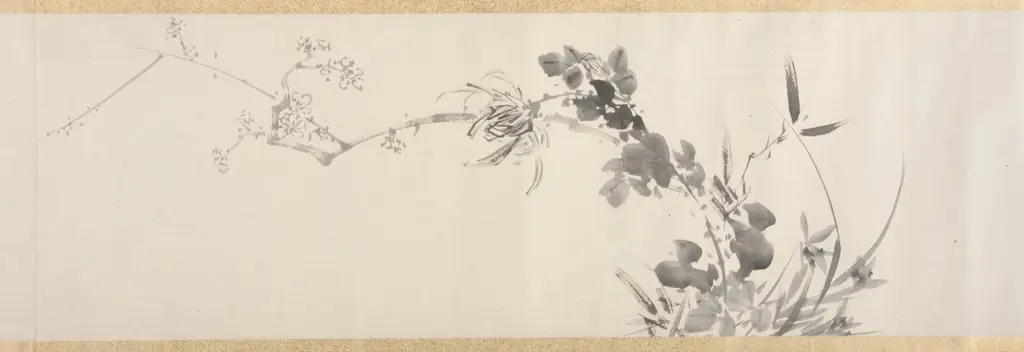 Birds and Flowers
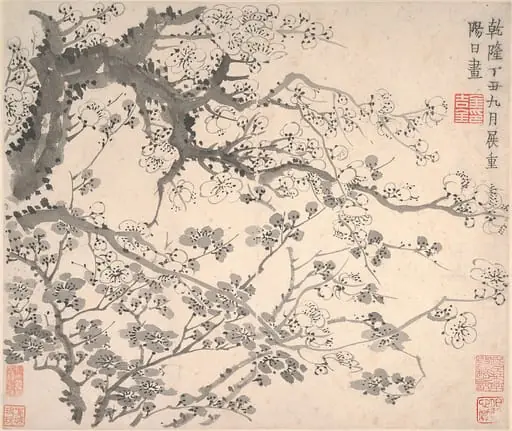 清 金農 墨梅圖 冊|Plum blossoms
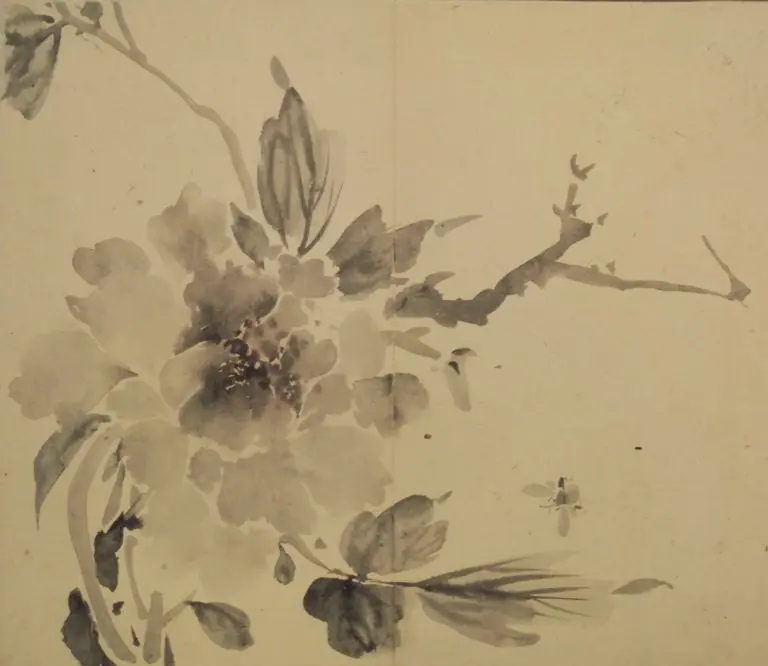 Peony and Bumblebee
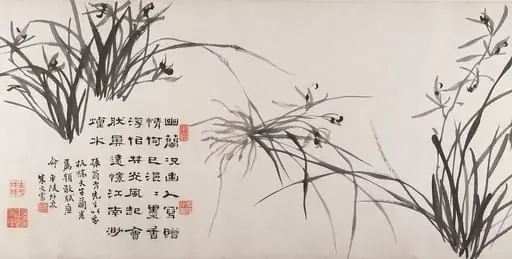 清 鄭燮 蘭竹圖 卷|Orchids and bamboo
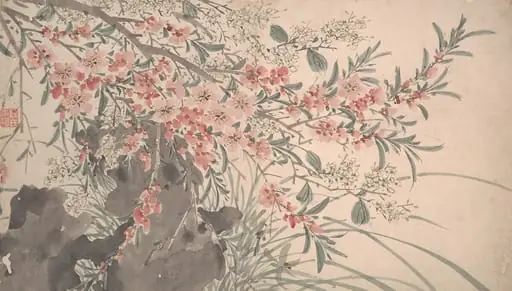 明 仿陳淳 雜花圖 冊|Garden Flowers
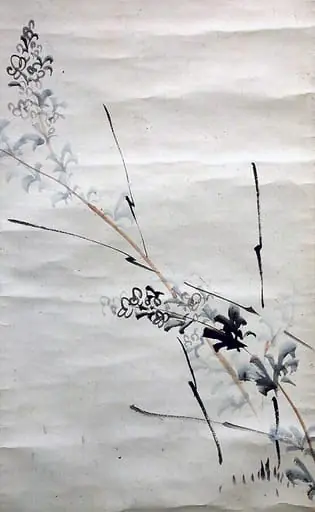 Untitled
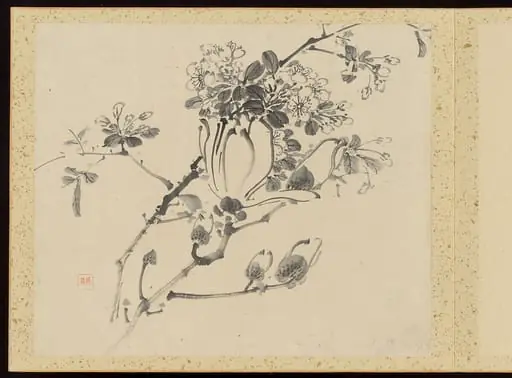 「四時清雅」|"Refined Elegance in the Four Seasons" (Shiji seiga), Album of Flower Paintings
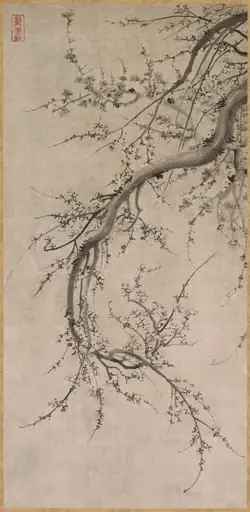 Prunus
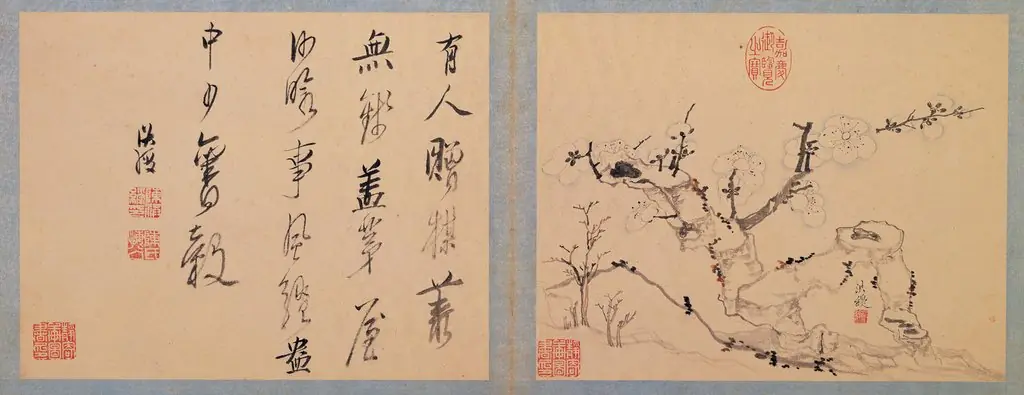 Old Plum
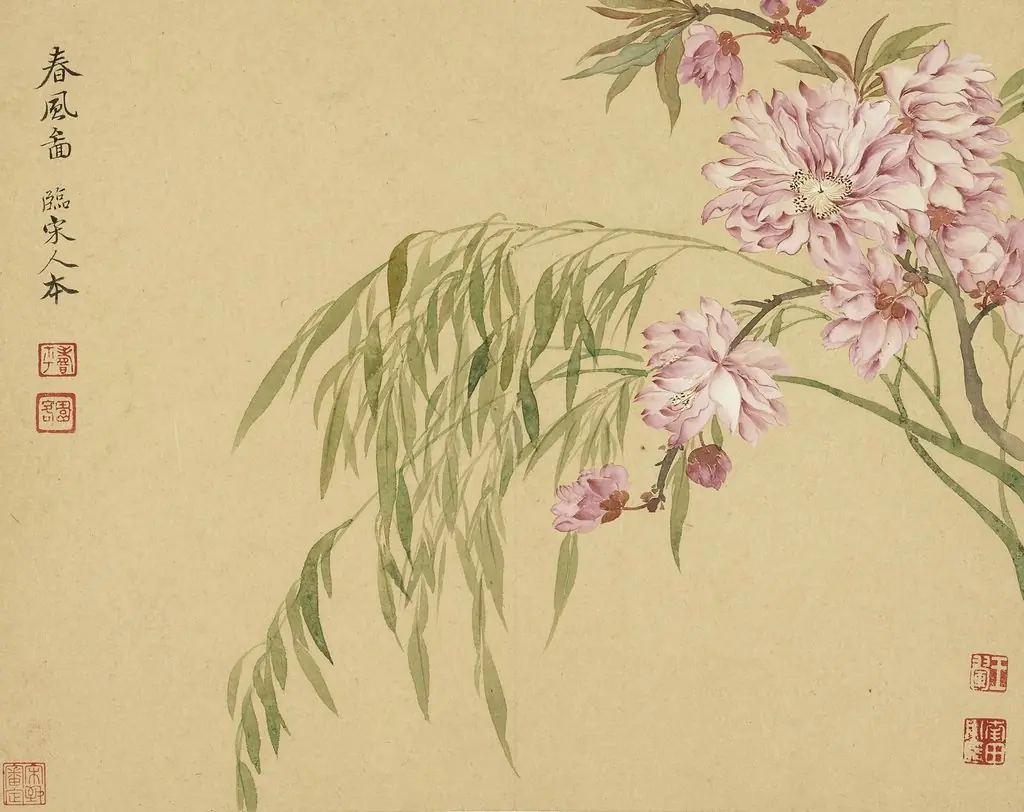 A Spring Breeze
 Flowers of Four Seasons, with Poems