Artwork
Untitled
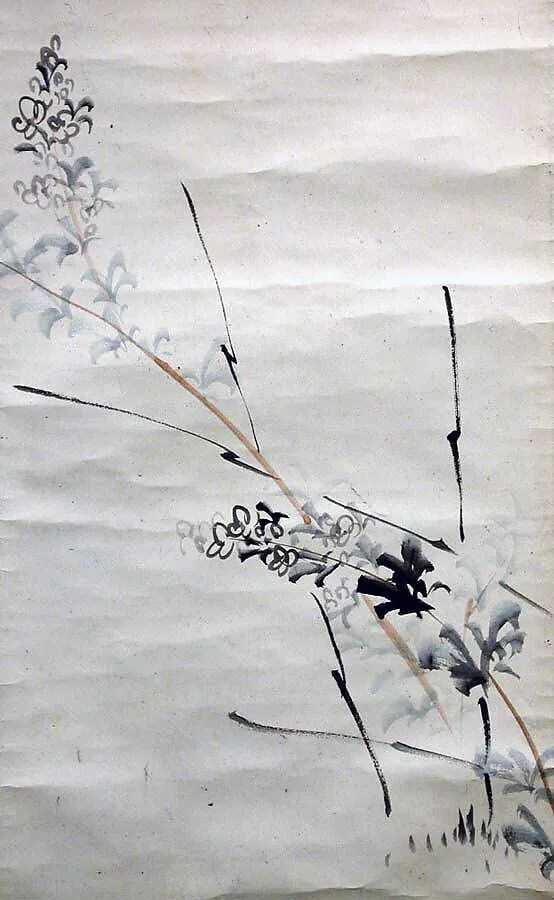
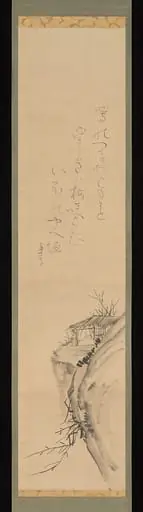
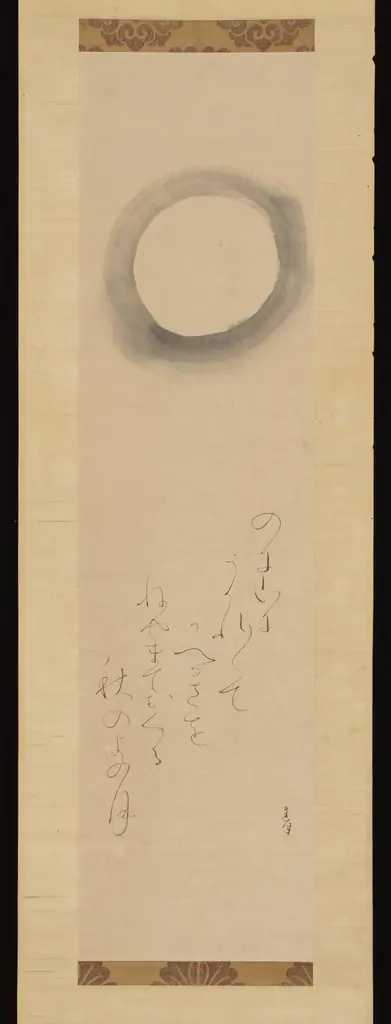
Untitled is an ink painting by the Nihonga artist Ōtagaki Rengetsu. It dates from 1831 and is held in the collection of the Metropolitan Museum of Art.
About this work
Overview
As a work from the early 19th century, it reflects the artist's mature practice of combining calligraphic vigor with delicate color application.
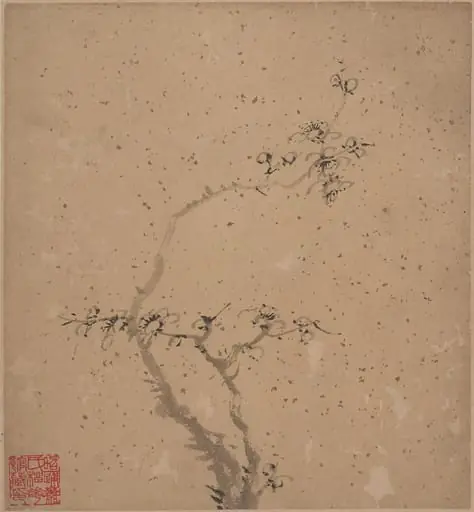
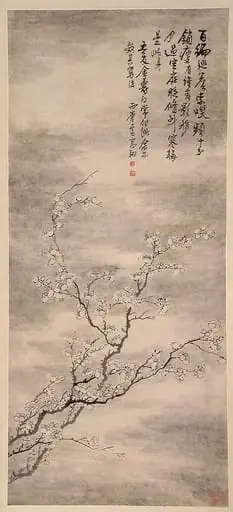
Created in 1831, this hanging scroll by Ōtagaki Rengetsu depicts a solitary camellia branch rendered in ink and color on paper. The composition is minimalist, featuring pale pink petals and deep green leaves set against the soft texture of the support. Rengetsu, a Buddhist nun and prolific poet, typically inscribed her own verses alongside her floral imagery; however, this specific work omits the poem, presenting the flower as an autonomous visual subject. The brushwork exhibits a swift, confident quality, with ink tones suggesting rapid execution characteristic of her spontaneous style. This piece exemplifies Rengetsu's integration of Zen aesthetics with botanical observation, prioritizing the immediate expression of the subject over decorative elaboration. As a work from the early 19th century, it reflects the artist's mature practice of combining calligraphic vigor with delicate color application. The absence of text distinguishes this scroll from her more common paired compositions, focusing the viewer's attention entirely on the formal qualities of the camellia and the artist's mastery of the brush.
Subject & Meaning
The work depicts a single camellia, a flower often associated with elegance and seasonal change in Japanese culture. By isolating the bloom, the piece invites contemplation of impermanence, a theme resonant with the artist’s Buddhist perspective.
Technique & Style
Rengetsu employed swift brushwork, allowing the ink to dry almost immediately, which gives the petals a soft, almost translucent quality. The use of muted pigments alongside the ink creates a restrained palette that emphasizes line and form over decorative detail.
History & Provenance
Ōtagaki Rengetsu, a Buddhist nun renowned for her poetry written on personal scrolls, produced this piece without the accompanying verse that typically accompanied her work. The absence of the poem leaves only the visual gesture, suggesting it may have been created during a moment of prayer or meditation.
Artist & collection