Artwork
明清/日本江戶時代 (傳) 陳賢 十六羅漢圖 冊|The Sixteen Luohans
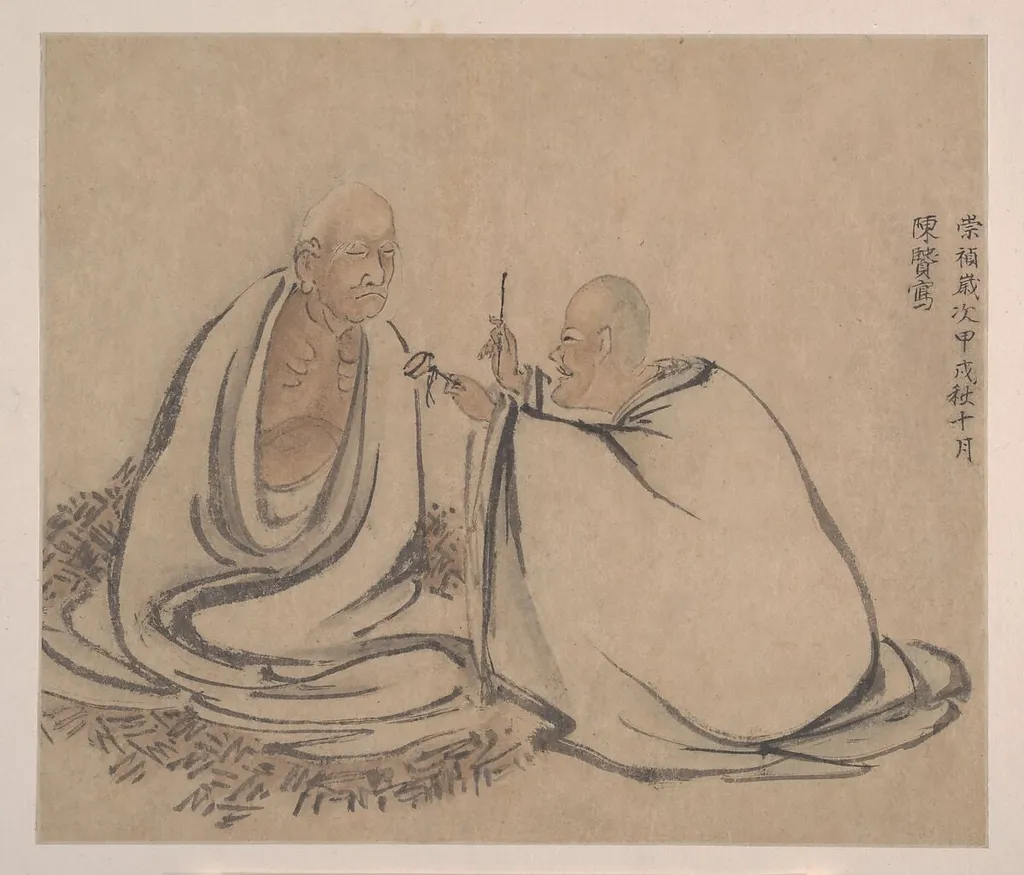
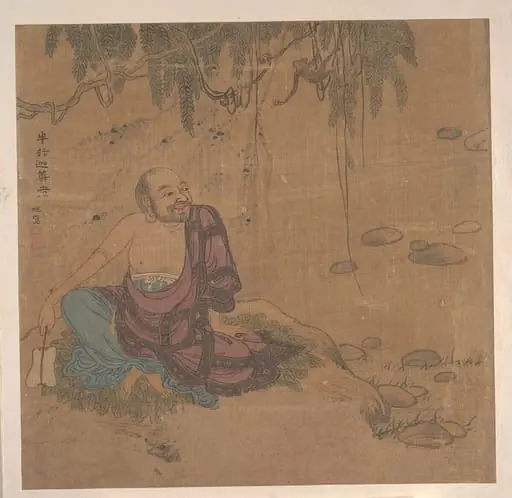
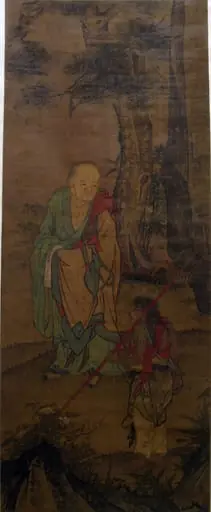
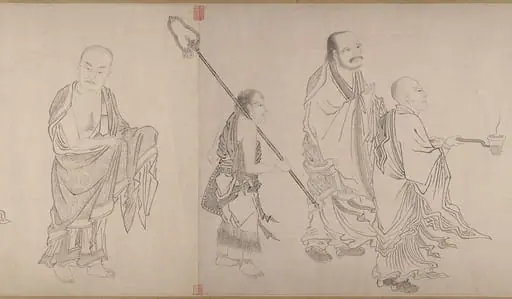
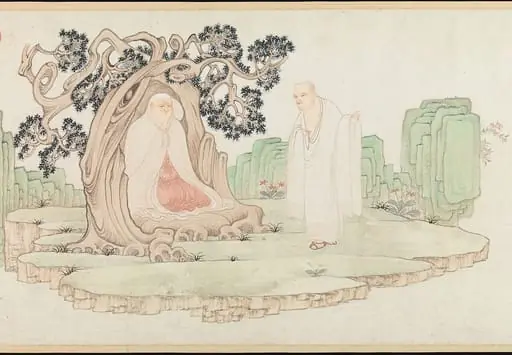
明清/日本江戶時代 (傳) 陳賢 十六羅漢圖 冊|The Sixteen Luohans is an ink painting by the Baroque artist Chen Xian. It dates from 1634 and is held in the collection of the Metropolitan Museum of Art. The work consists of an album containing sixteen individual paintings, each rendered in ink and color on paper.
About this work
Overview
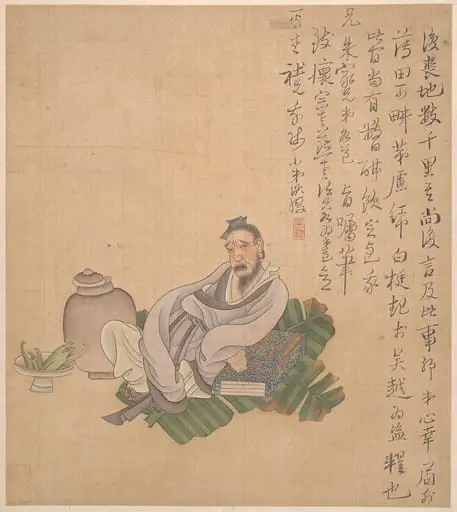
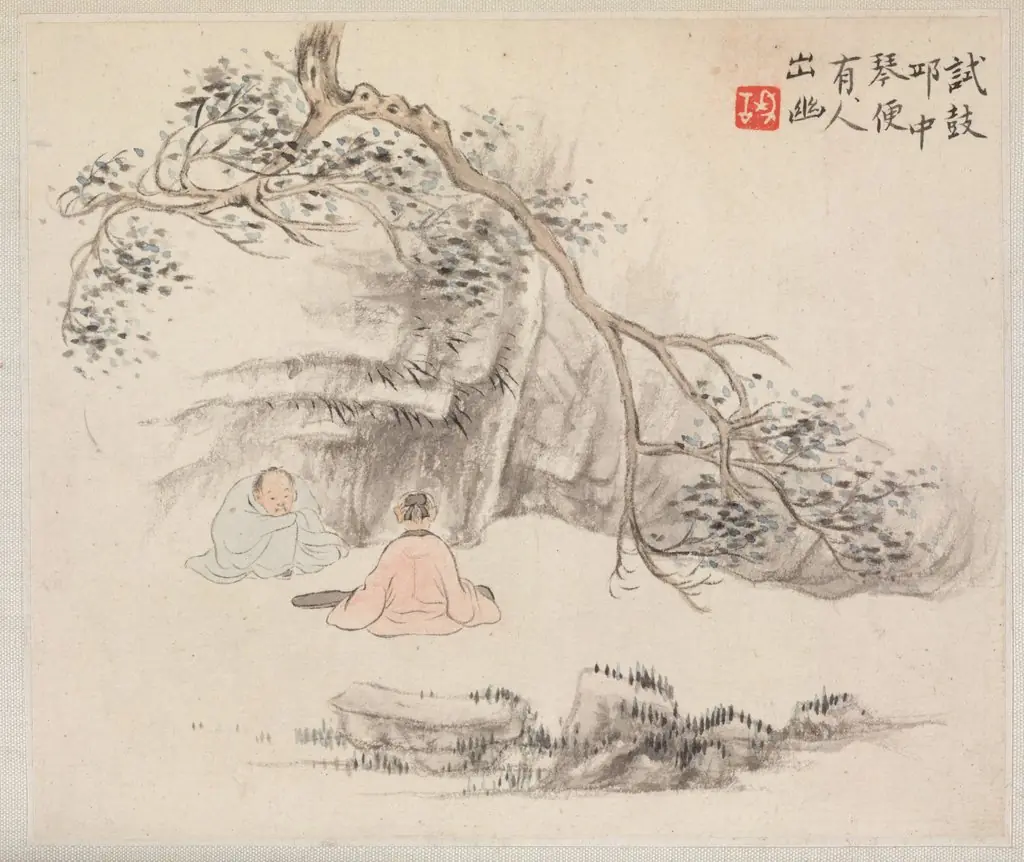
The work consists of an album containing sixteen individual paintings, each rendered in ink and color on paper. Executed in 1634, the series portrays the Buddhist Luohans, holy figures traditionally associated with enlightenment. The pieces are modest in size, forming a cohesive collection that reflects devotional practice.
Subject & Meaning
Each image presents a Luohan in a contemplative pose—some seated, others standing or seemingly suspended on clouds. The figures are attired in flowing robes and frequently hold objects such as prayer beads or scrolls, symbols of meditation and scriptural study. The overall mood conveys serenity and introspection, aligning with the spiritual ideals of the tradition.
Technique & Style
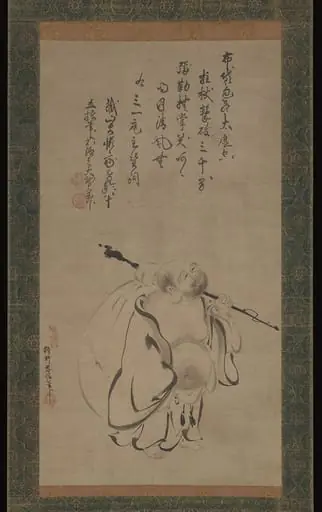
The paintings employ Chinese brush techniques, emphasizing fluid ink lines and subtle washes of color. Yet the treatment of garment folds and certain decorative details reveal a Japanese sensibility, suggesting an adaptation of Chinese methods to local aesthetic preferences. The combination creates a distinctive hybrid visual language.
History & Provenance
Although the artist, Chen Xian, was Chinese, the album was likely produced in Japan during the Edo period, a time when Chinese Buddhist iconography was widely circulated there. The work thus exemplifies the cross‑cultural exchange between the two regions in the early seventeenth century.
Context
Luohan imagery was popular in both Chinese and Japanese Buddhist art, serving as models of spiritual attainment. The album format allowed for portable, personal devotion, fitting the practices of monastic and lay communities that valued intimate, contemplative study of such figures.
Artist & collection