Artwork
Chrysanthemums and Cabbage

Chrysanthemums and Cabbage is an unspecified painting by the Ming dynasty painting artist Cheng Tao. It dates from 1494 and is held in the collection of the Cleveland Museum of Art.
About this work
Overview
The composition is divided into two simple botanical studies: a cluster of leafy greens on the left and a handful of chrysanthemum blossoms on the right.
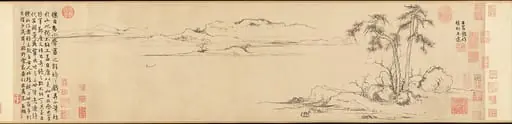
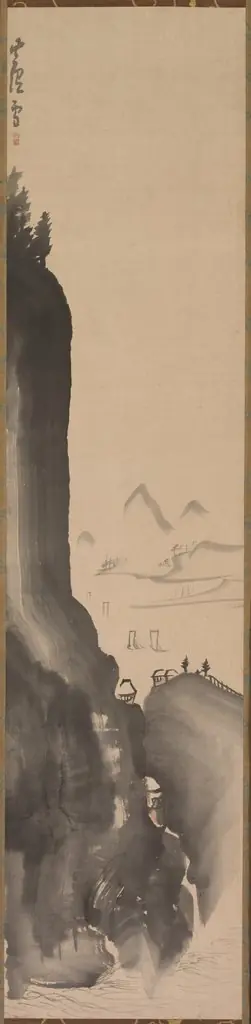
Cheng Tao’s 1494 painting Chrysanthemums and Cabbage is a modestly sized, vertically oriented work in ink on paper. The composition is divided into two simple botanical studies: a cluster of leafy greens on the left and a handful of chrysanthemum blossoms on the right. Thin columns of black calligraphic script run along the borders, integrating text with image in a restrained, contemplative manner.
Subject & Meaning
The painting juxtaposes two everyday plants—a cabbage‑type leaf and chrysanthemum flowers—to evoke the dual themes of nourishment and seasonal change. The chrysanthemum, traditionally associated with autumn and scholarly refinement, contrasts with the humble cabbage, suggesting a balance between cultivated elegance and rustic sustenance within a quiet, meditative setting.
Technique & Style
Executed with loose, sketch‑like brushwork, Cheng Tao employs varying ink tones to delineate form without heavy detailing. The foliage is rendered in quick, gestural strokes, while the chrysanthemums appear in darker, more defined lines that stand out against a pale wash. The surrounding calligraphy is rendered in uniform black ink, reinforcing the work’s overall economy of means.
History & Provenance
Created in the late Ming period, the piece entered the collection of the Cleveland Museum of Art in the 20th century, where it remains on display. Its provenance reflects the museum’s focus on acquiring representative examples of Chinese literati painting, highlighting the cross‑cultural appreciation of such modest yet scholarly works.
Context
During the Ming dynasty, scholar‑artists often combined poetry, calligraphy, and painting to express personal reflection. Cheng Tao’s work follows this tradition, using botanical subjects as a vehicle for literary expression. The integration of text and image mirrors the era’s ideal of the “three perfections,” where each art form enhances the others.
Artist & collection
Artist
Cheng Tao worked fast and loose, painting rabbits in ink the way others doodle on napkins.