Artwork
John Childe
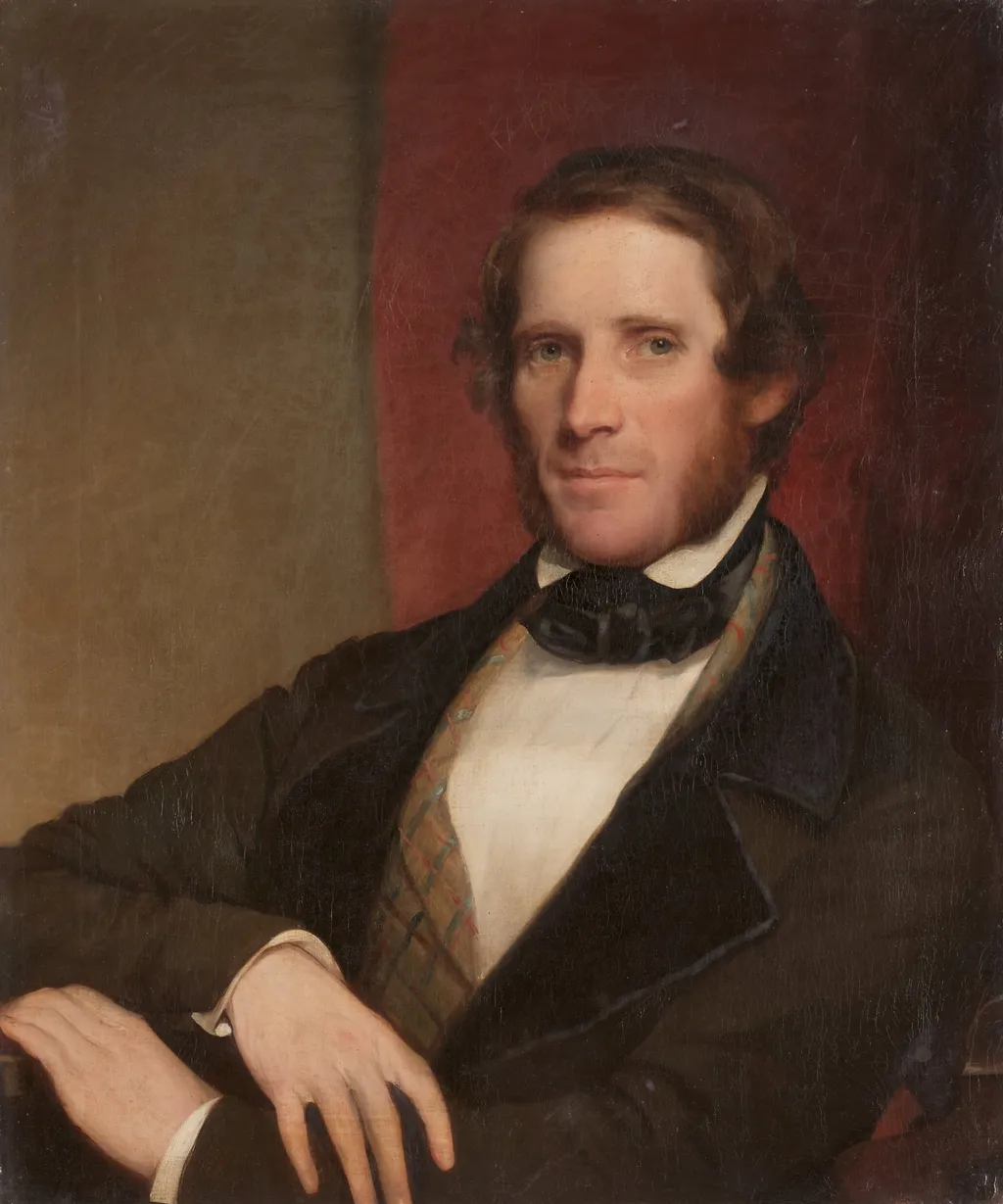
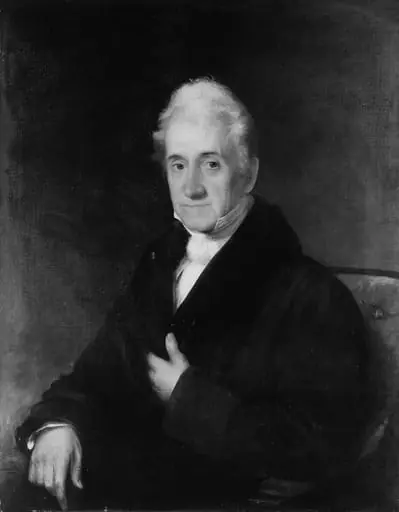
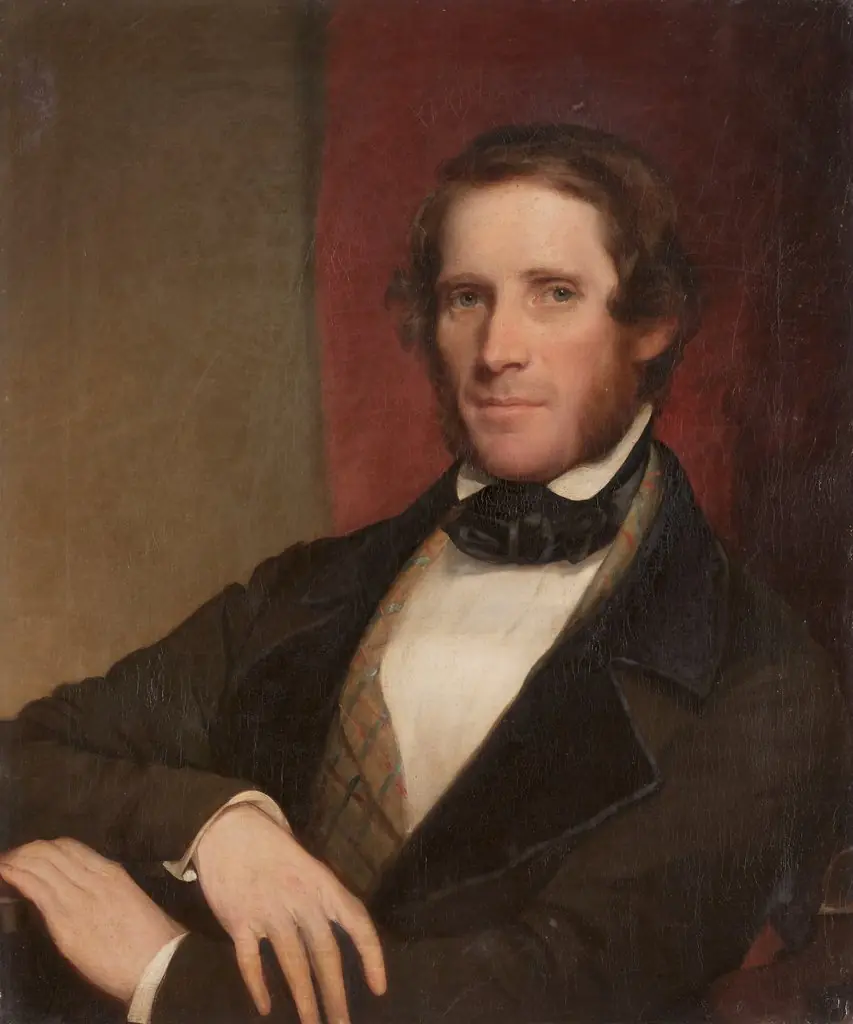
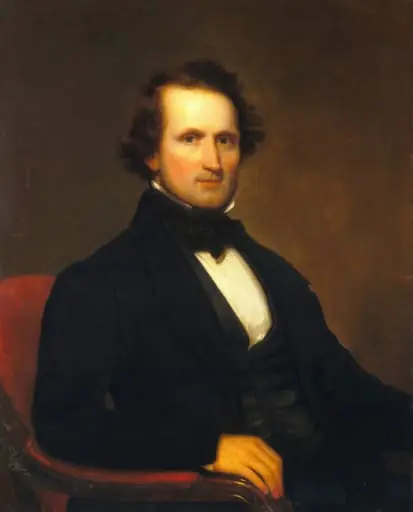
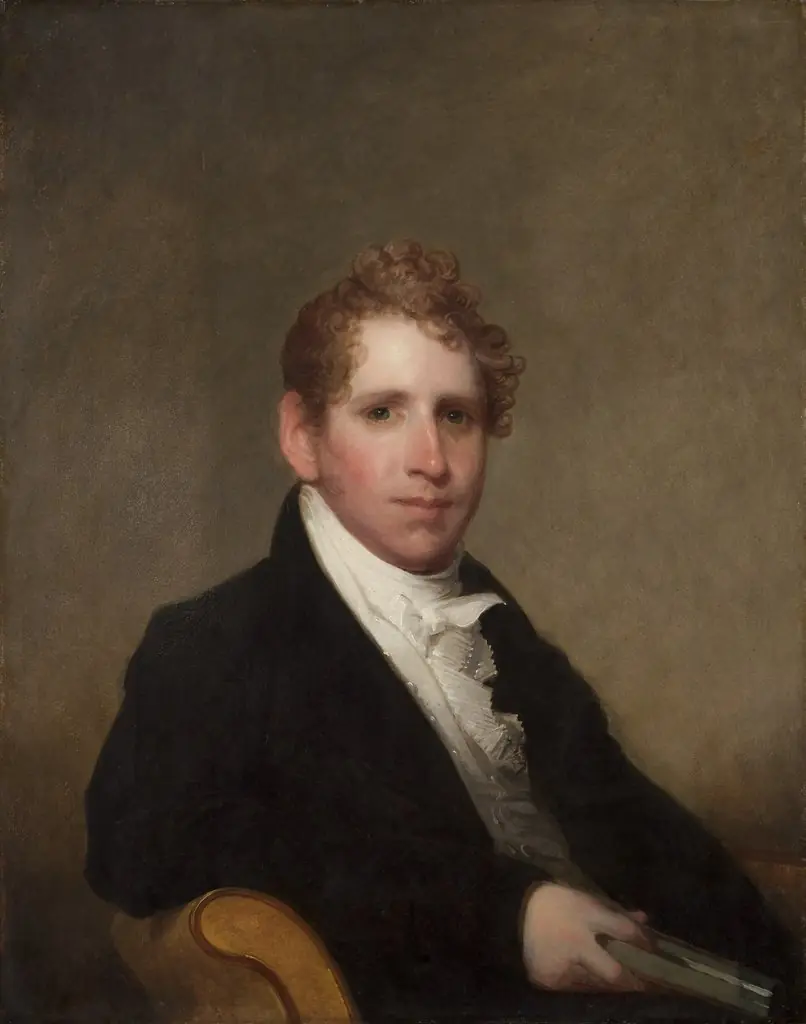
John Childe is an unspecified painting by the American Folk Art artist Chester (Charles) Harding. It dates from 1835 and is held in the collection of the Cleveland Museum of Art.
About this work
Overview
Chester Harding painted John Childe circa 1835 during a period when American portraiture emphasized quiet dignity over ornamentation.
Chester Harding painted John Childe circa 1835 during a period when American portraiture emphasized quiet dignity over ornamentation. Harding, trained in both the United States and England, focused on capturing the character of middle- and upper-class individuals. This work is part of the Cleveland Museum of Art’s collection and reflects the transitional style between formal European conventions and emerging American sensibilities in early 19th-century painting.
Subject & Meaning
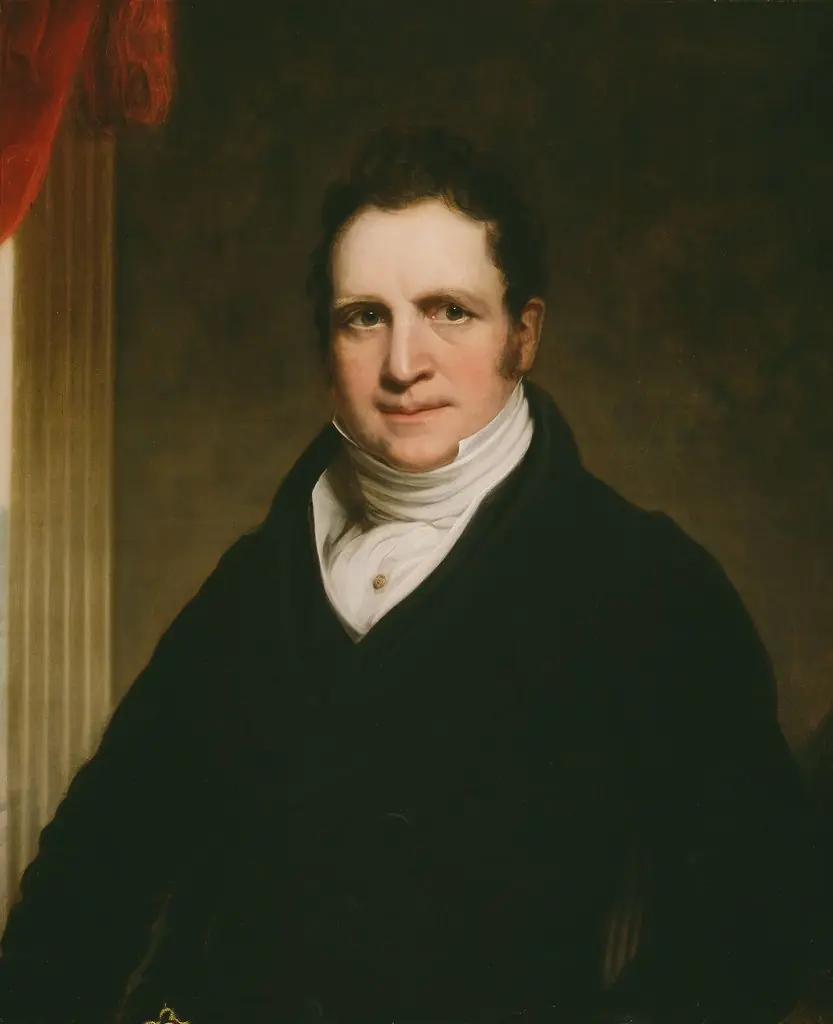
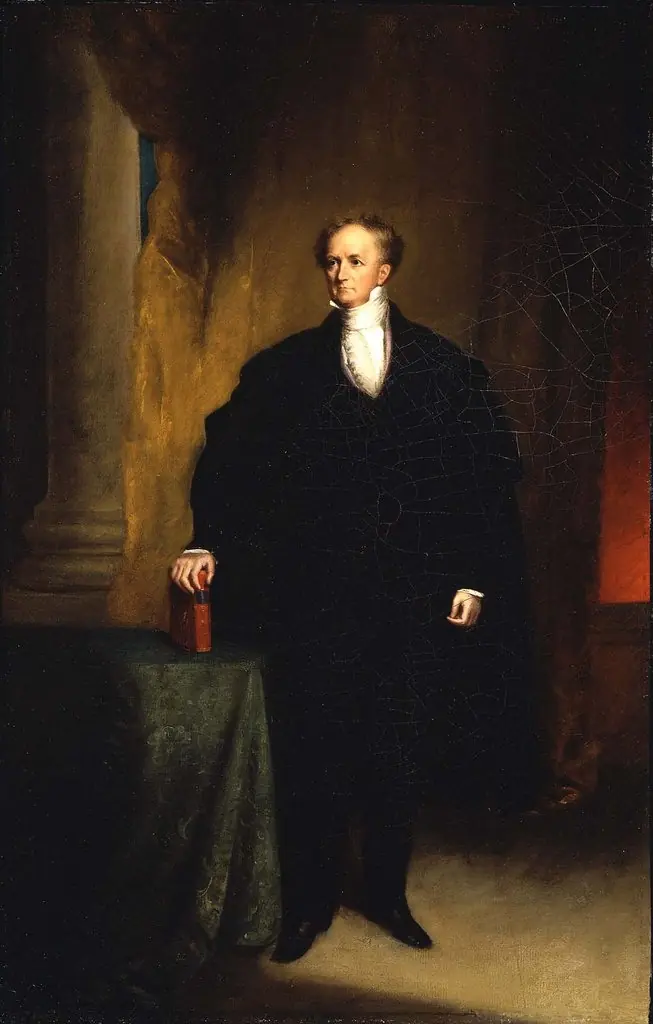
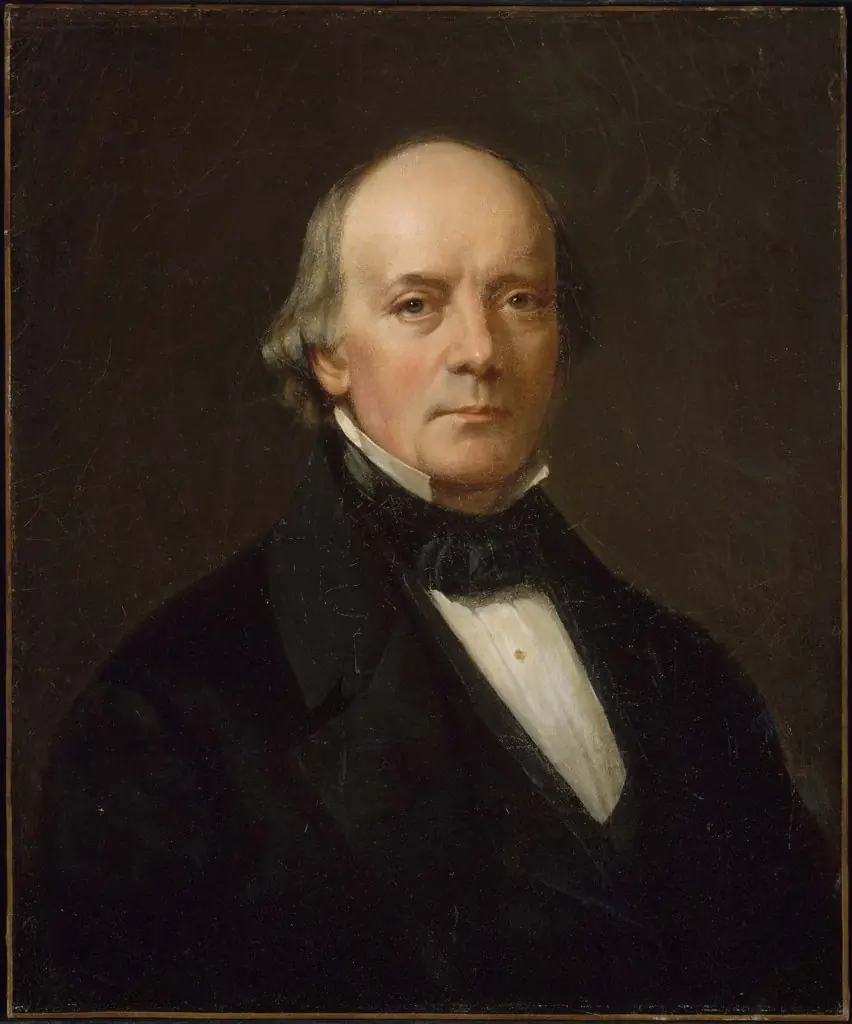
John Childe, a figure of modest social standing, is portrayed with restrained composure. His dark coat and crisp white cravat suggest respectability without ostentation. The serious expression and still posture convey introspection rather than grandeur. The absence of symbolic objects or elaborate settings directs attention to the sitter’s presence, emphasizing personal character over status markers common in elite portraiture of the era.
Technique & Style
Harding employed soft, blended brushwork to model the sitter’s face and hands, creating subtle transitions between light and shadow. The dark red background isolates the figure, enhancing three-dimensionality. This approach, reminiscent of sfumato, avoids harsh outlines and favors atmospheric gradation. The technique prioritizes naturalism, aligning with early 19th-century ideals of truthful representation over idealized form.
History & Provenance
The painting entered the Cleveland Museum of Art’s collection in the 20th century, though its earlier ownership remains undocumented. Harding produced numerous portraits during his career, many of which were commissioned by individuals in New England and the Mid-Atlantic. While not widely exhibited in his lifetime, Childe’s portrait survives as a representative example of Harding’s quieter, more intimate style.
Context
In the 1830s, American portraiture was shifting from formal, studio-based commissions to more personal depictions. Artists like Harding responded to a growing middle class seeking affordable likenesses. Unlike grand European traditions, these works often omitted allegory or elaborate backdrops. Childe’s portrait reflects this trend—focused on individual presence, grounded in everyday attire and unadorned space.
Legacy
Harding’s portraits, including this one, are valued today for their unembellished realism and psychological restraint. They offer insight into how ordinary yet respectable Americans wished to be seen during a formative period in national identity. While not celebrated in his time as a leading artist, his work contributes to a broader understanding of American visual culture beyond the elite.
Own this work as a print
Artist & collection
Artist
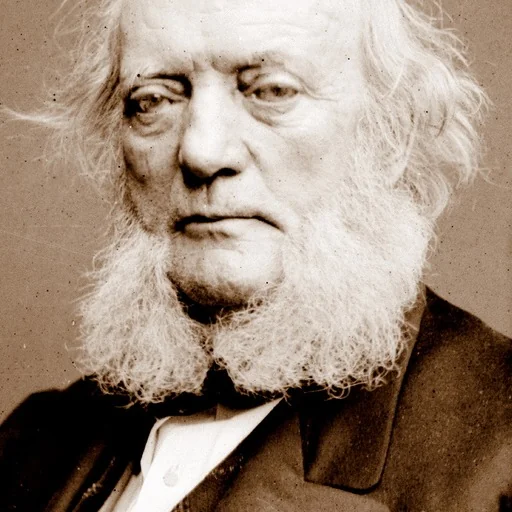
Chester Harding (September 1, 1792 – April 1, 1866) was an American portrait painter known for his paintings of prominent figures in the United States and England.