Artwork
Self-Portrait
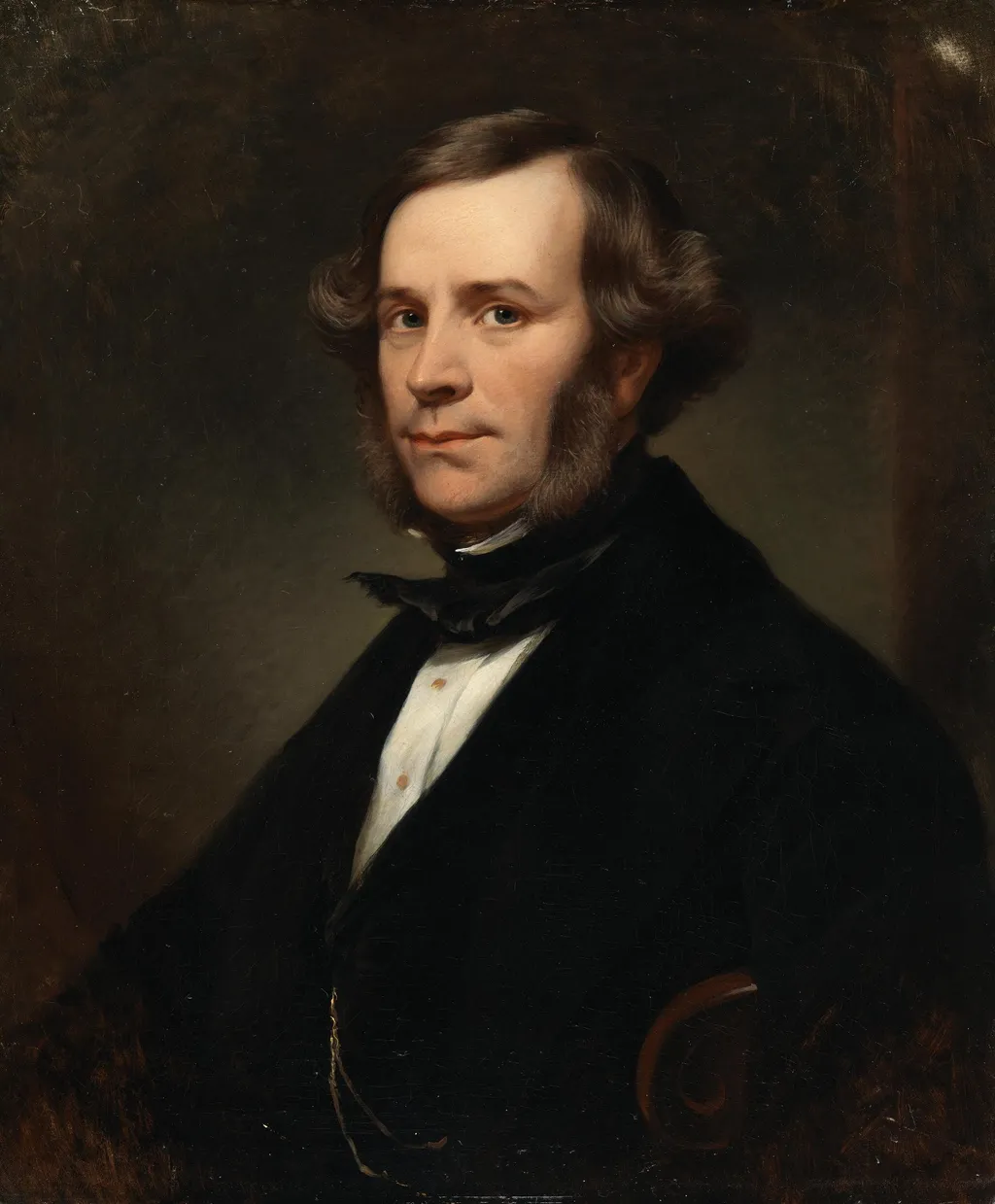
Self-Portrait is an oil painting by George Francis Mulvany. It dates from 1849 and is held in the collection of the National Gallery of Ireland.
About this work
The artist's use of chiaroscuro creates a sense of volume and texture, drawing attention to the subject's face.
This portrait depicts a man with dark, wavy hair and a dark coat over a white shirt. The background is dark, with subtle shading that adds depth to the image.
The subject's attire suggests a formal setting, possibly from the 19th century. The artist's use of chiaroscuro creates a sense of volume and texture, drawing attention to the subject's face.
If you're interested in learning more about this style of painting, look up the technique of chiaroscuro.
Overview
George Francis Mulvany’s self‑portrait, executed in oil around 1849, presents the artist in a half‑length format. The work is part of the National Gallery of Ireland’s collection and offers a direct visual record of Mulvany’s appearance and artistic approach during the mid‑nineteenth century.
Subject & Meaning
The canvas shows Mulvany himself, a man with dark, wavy hair, dressed in a dark coat over a white shirt. The formal attire and composed pose reflect the conventions of portraiture of the period, emphasizing the sitter’s professional status and personal dignity.
Technique & Style
Mulvany employs chiaroscuro to model the figure, using strong contrasts between light on the face and the darker surrounding tones. This treatment creates a three‑dimensional effect, accentuating the texture of the hair and fabric while allowing the facial features to emerge with clarity.
History & Provenance
Created circa 1849, the painting has remained in Ireland and is now housed in the National Gallery of Ireland. Its provenance traces a straightforward path from the artist’s studio to public ownership, reflecting the institution’s role in preserving nineteenth‑century Irish art.
Context
The portrait belongs to a broader tradition of self‑representation among European artists, where the act of painting oneself served both as a demonstration of skill and a means of personal branding. Mulvany’s work aligns with contemporary Irish portraiture, which often combined realistic observation with subtle dramatic lighting.
Own this work as a print
Artist & collection

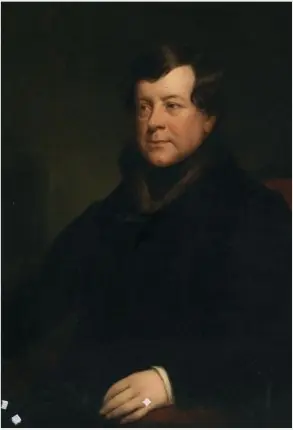 Portrait of Daniel O'Connell (1775-1847), Statesman
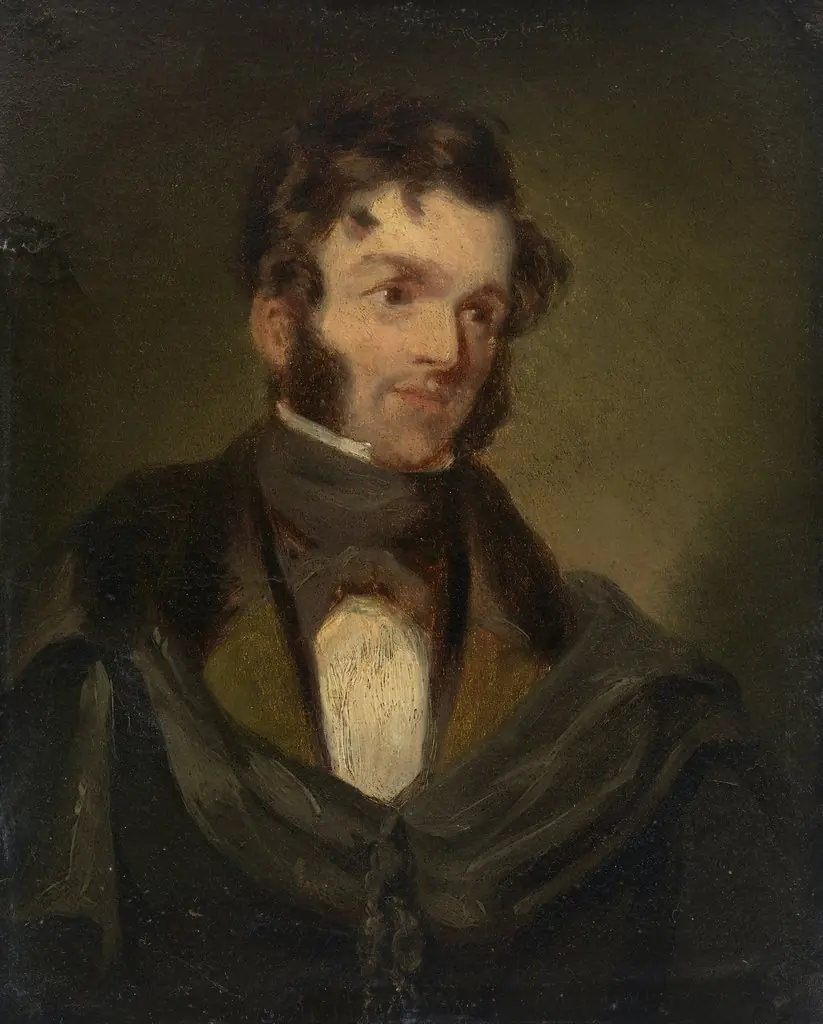 Portrait of William Smith O'Brien (1803-1864), Young Irelander
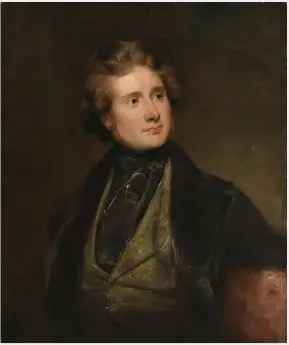 Portrait of Sir Frederic William Burton (1816-1900), Artist and Director, National Gallery, London
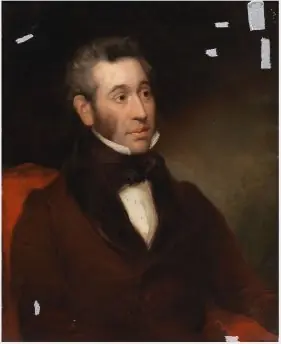 Portrait of John Banim (1798-1842), Novelist and Poet
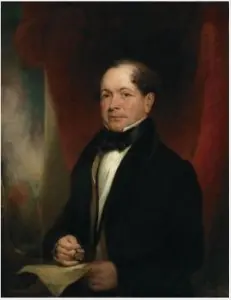 Portrait of Thomas Moore (1779-1852), Poet
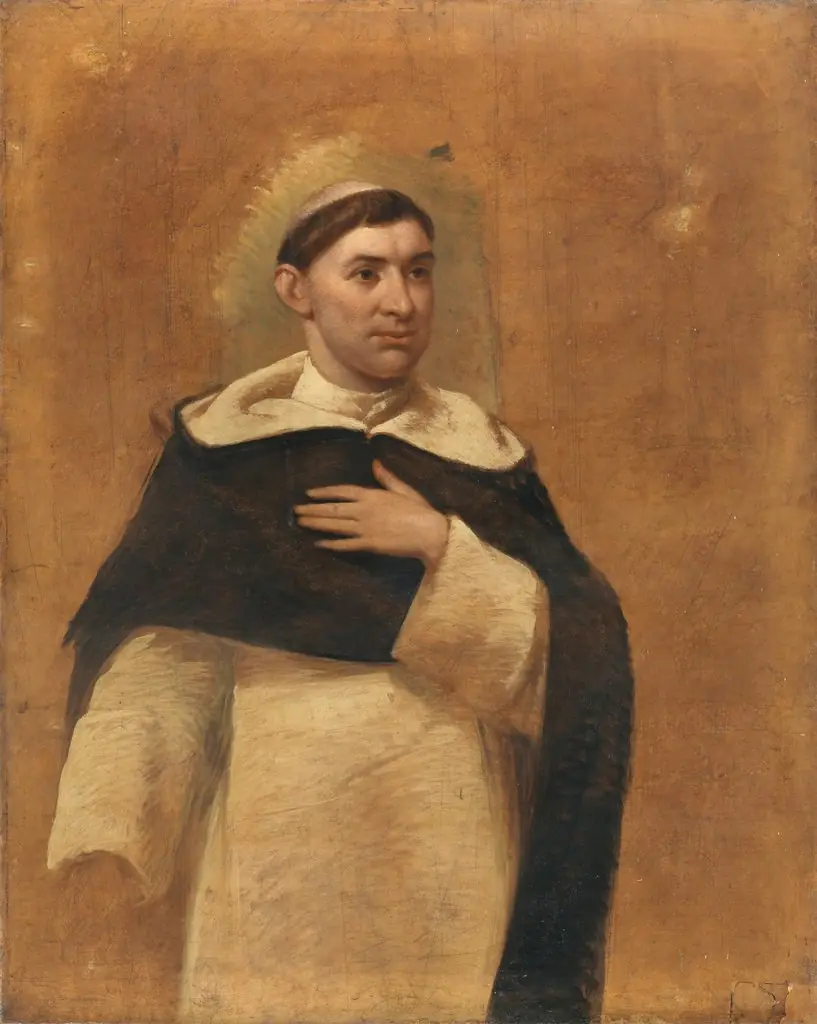 Portrait of Reverend Thomas Burke (1830-1883)
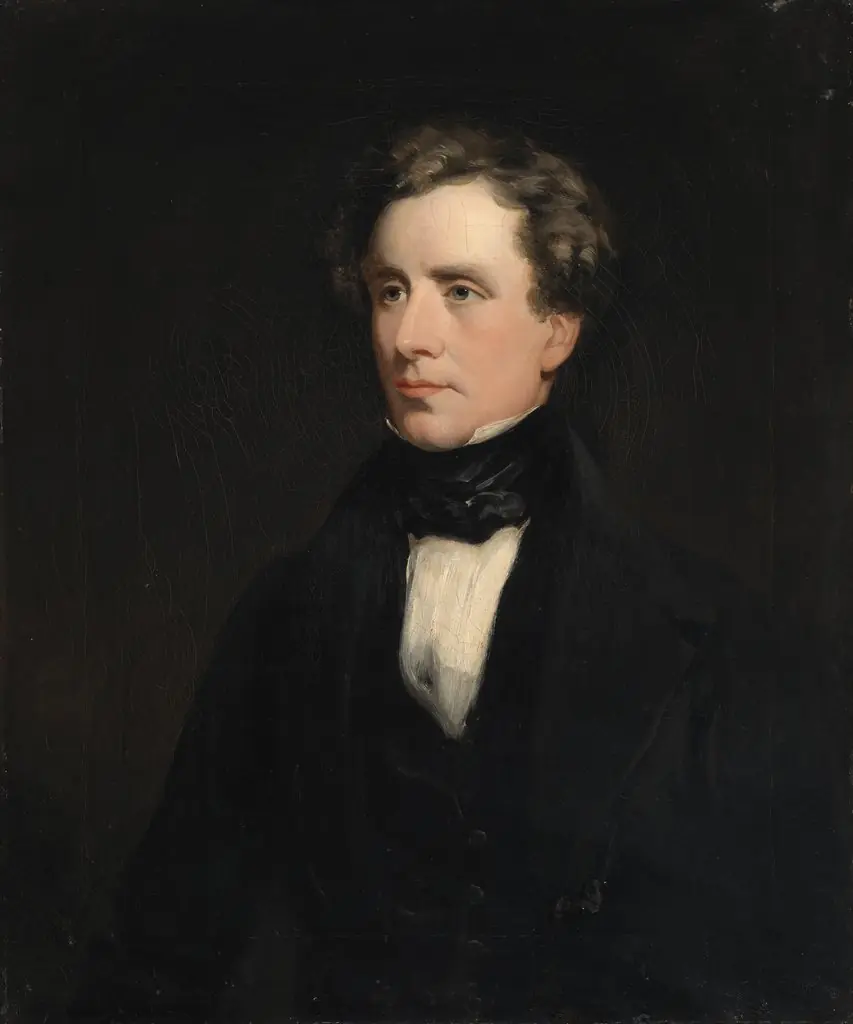 Portrait of Thomas Francis Meagher, 'Meagher of the Sword' (1823-1867), Young Irelander
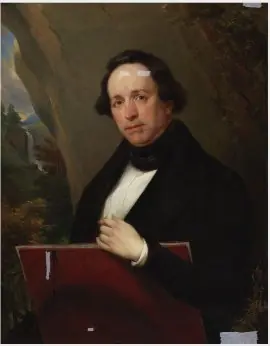 Portrait of Thomas James Mulvany (1821-1892)
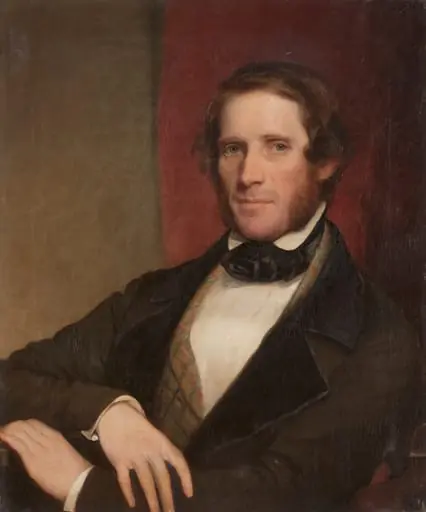 John Childe
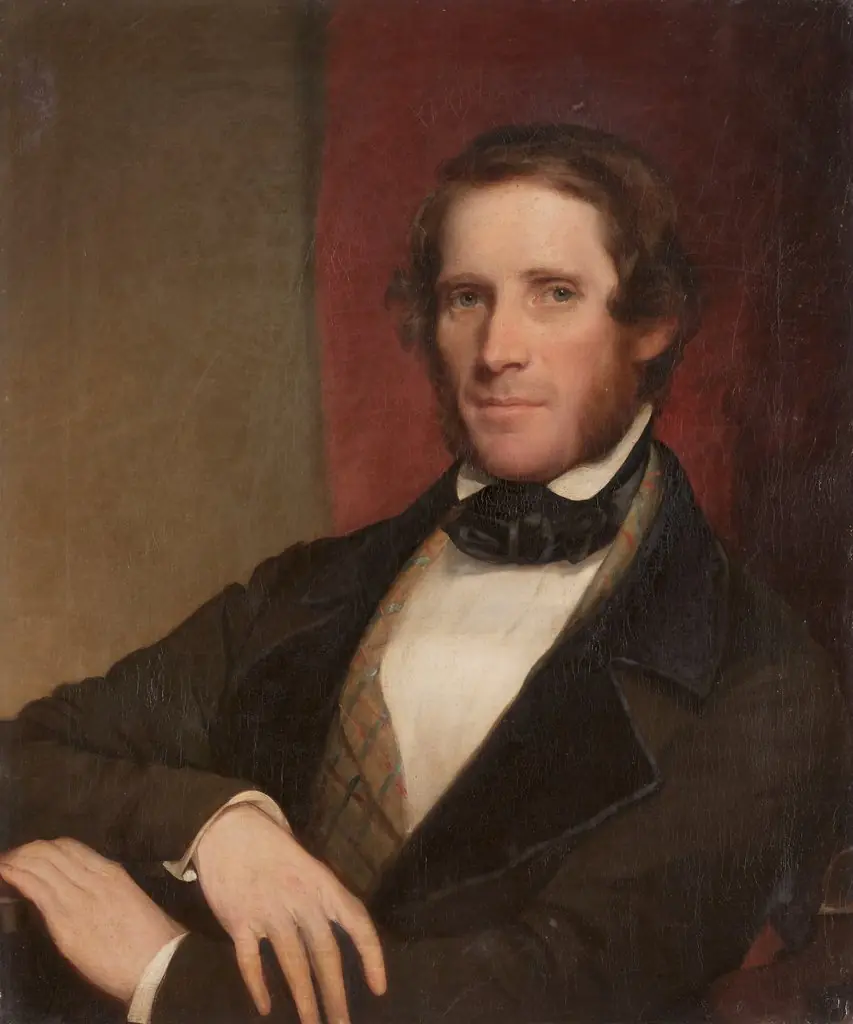 John Childe
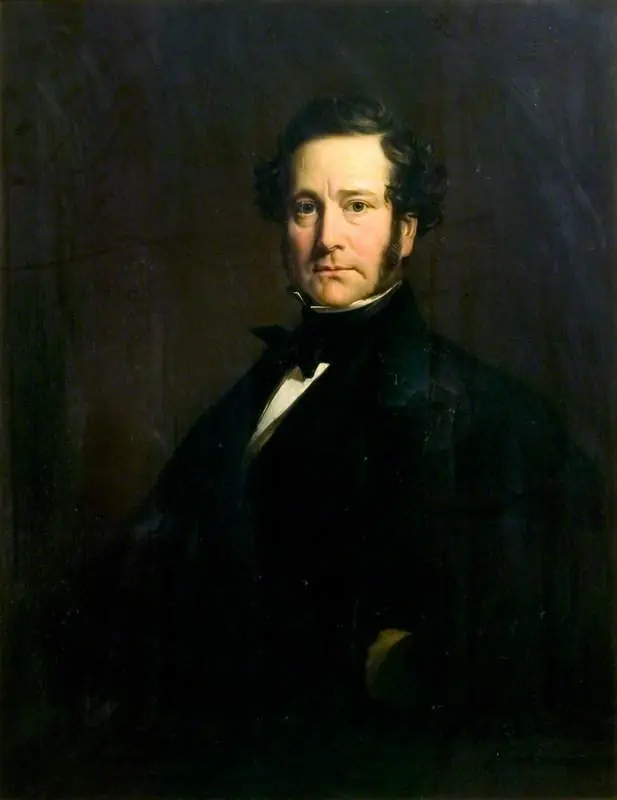 Sir Joshua Walmsley (1794–1871), MP
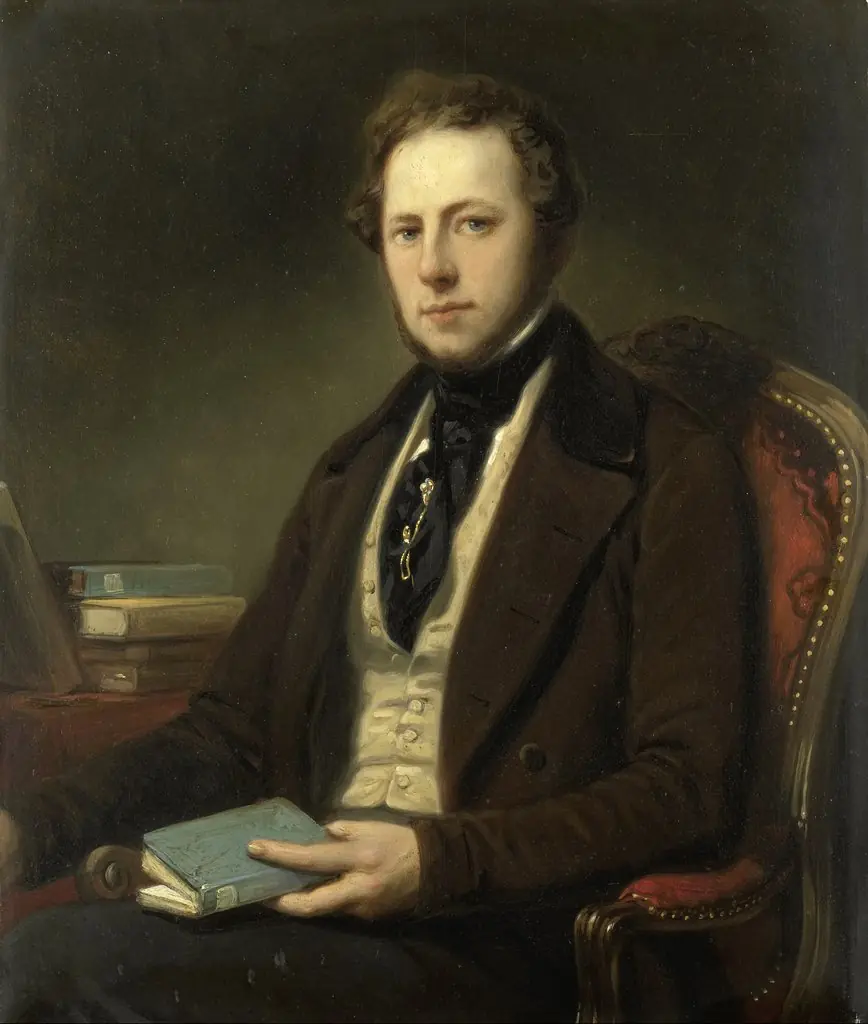 Portrait of a Man, perhaps the Poet Petrus Augustus de Genestet
 Portrait of a Man, perhaps Petrus Augustus de Genestet (1829-1861)
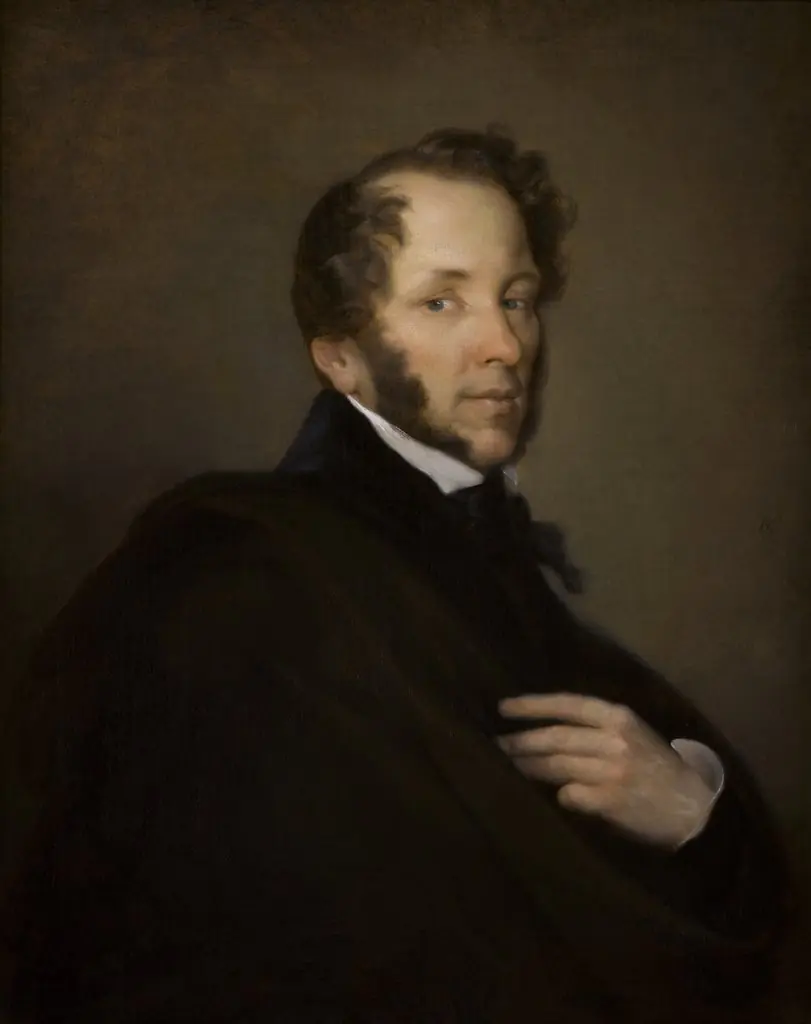 Portrait of Antoni Wentzel
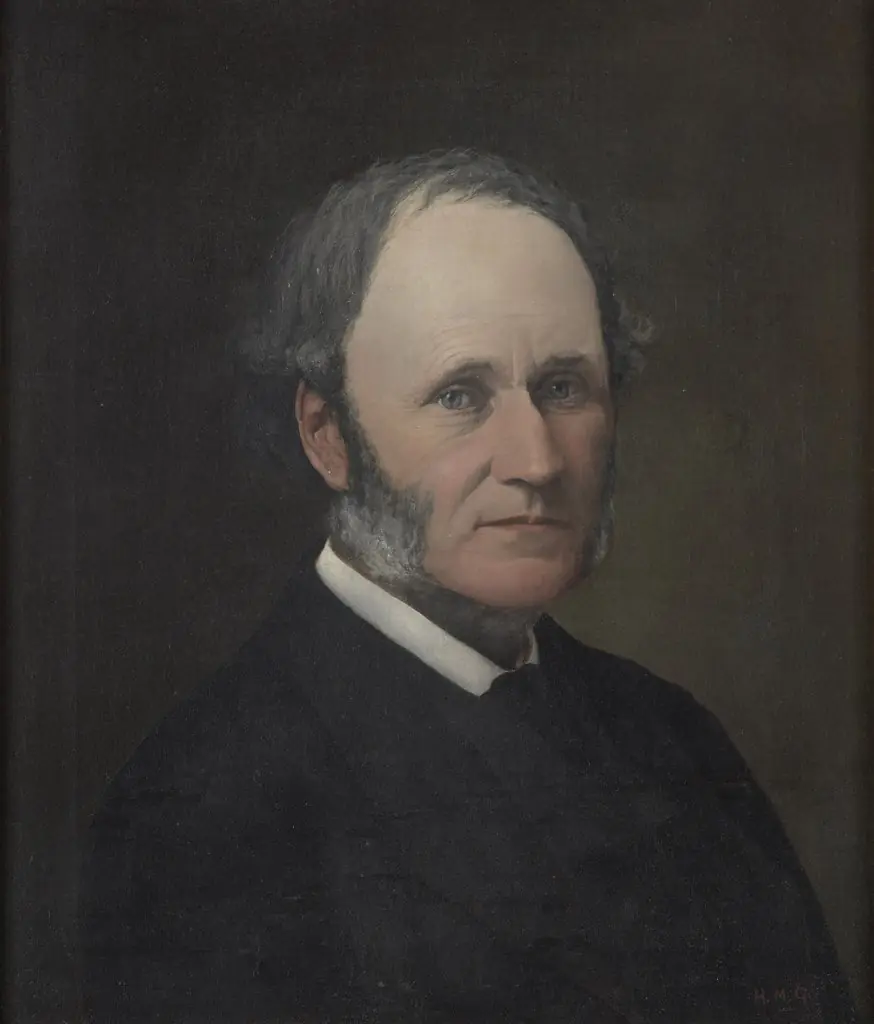 Portrait of John Buchanan
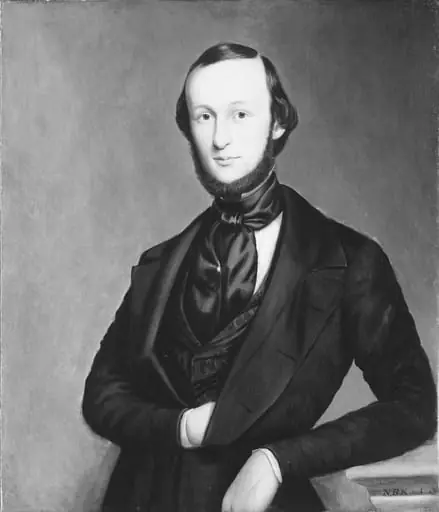 Charles Henry Augustus Carter
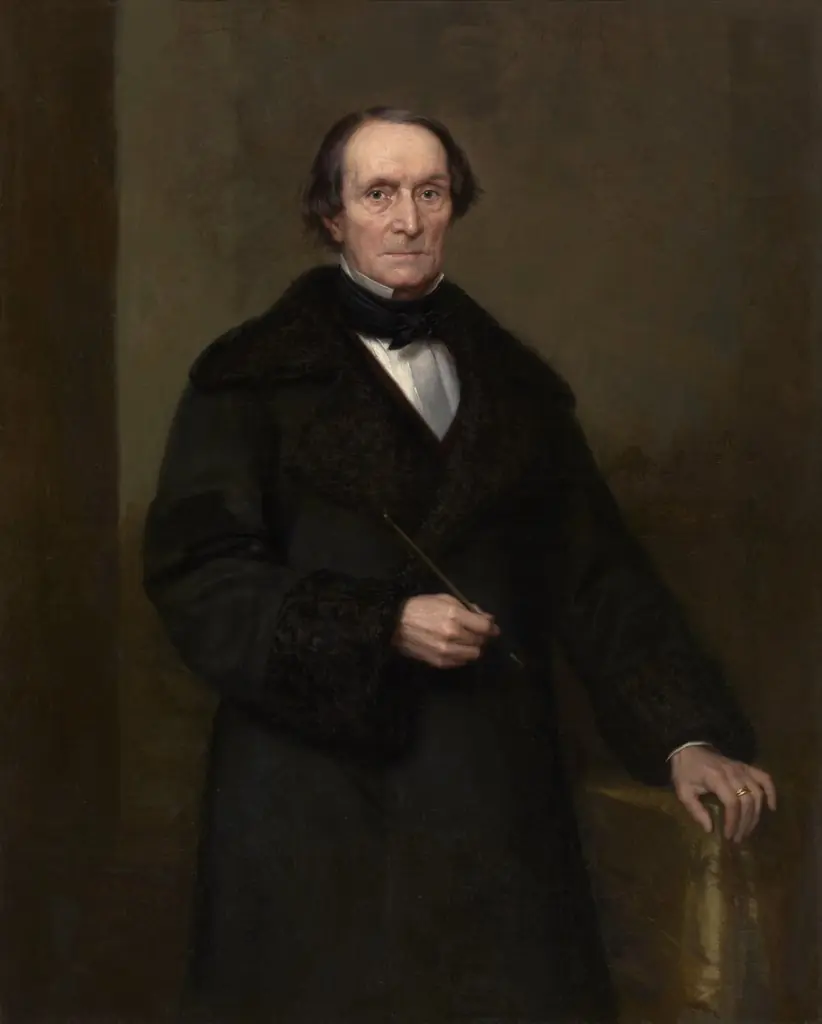 The Painter Peter von Cornelius
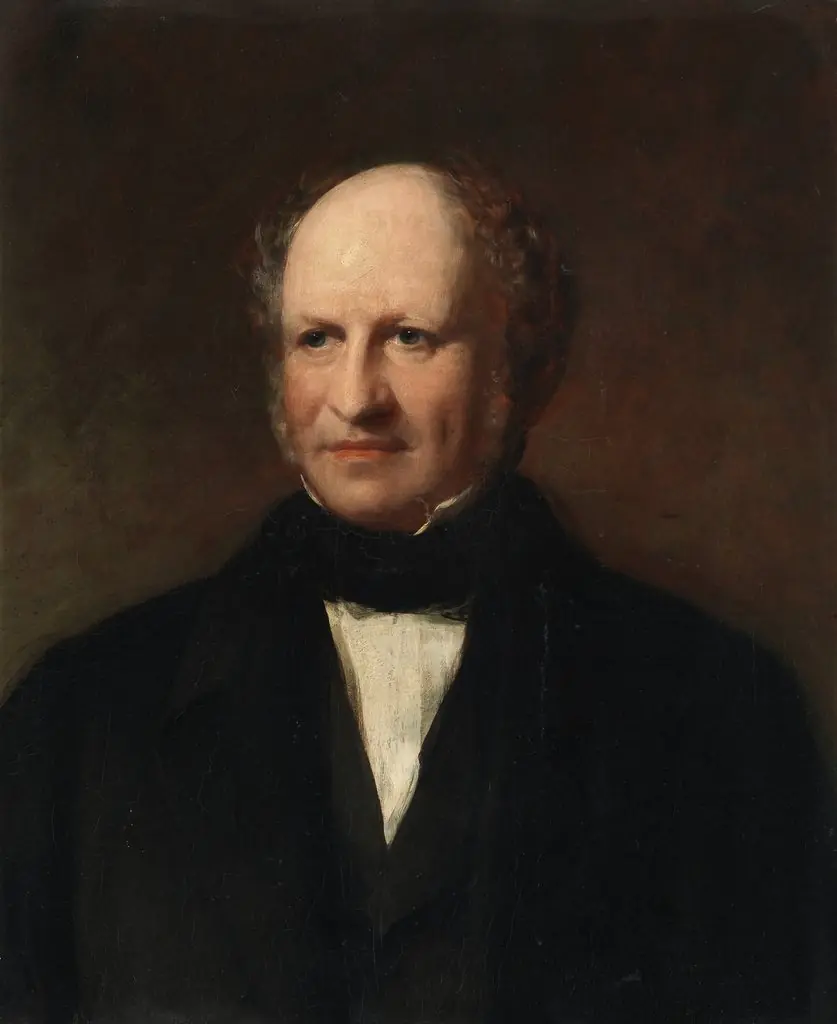 Portrait of William Dargan (1799-1867), fragment of picture
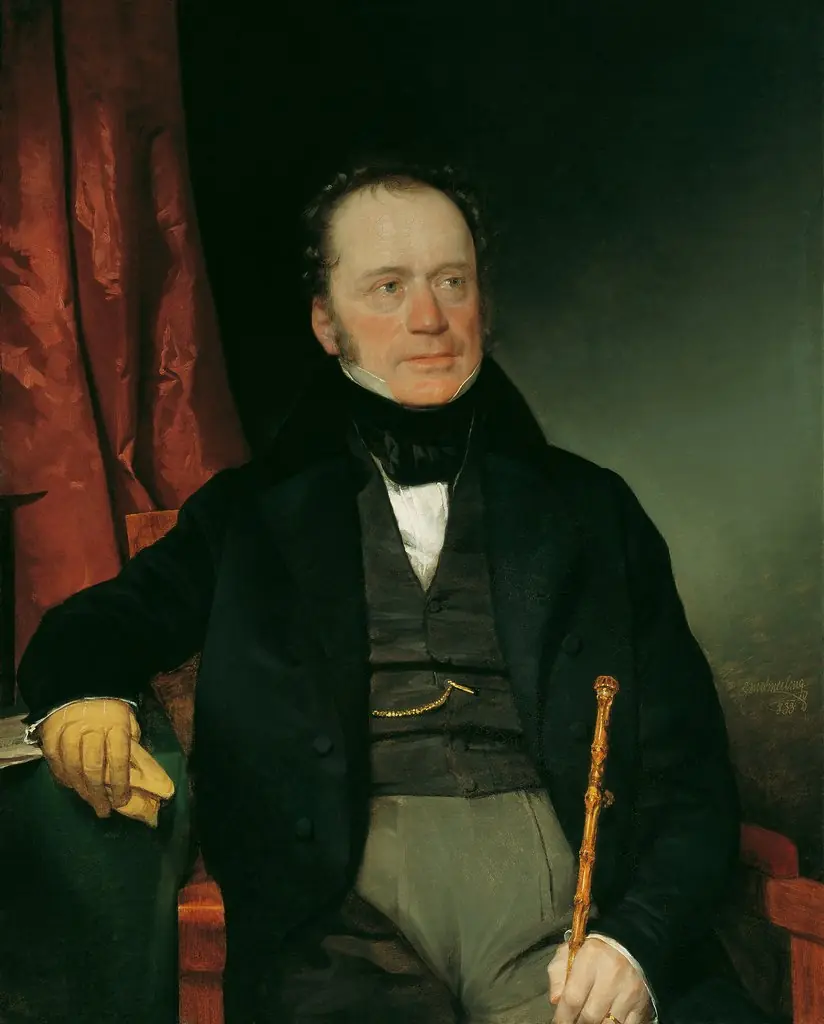 Count Breda (?)
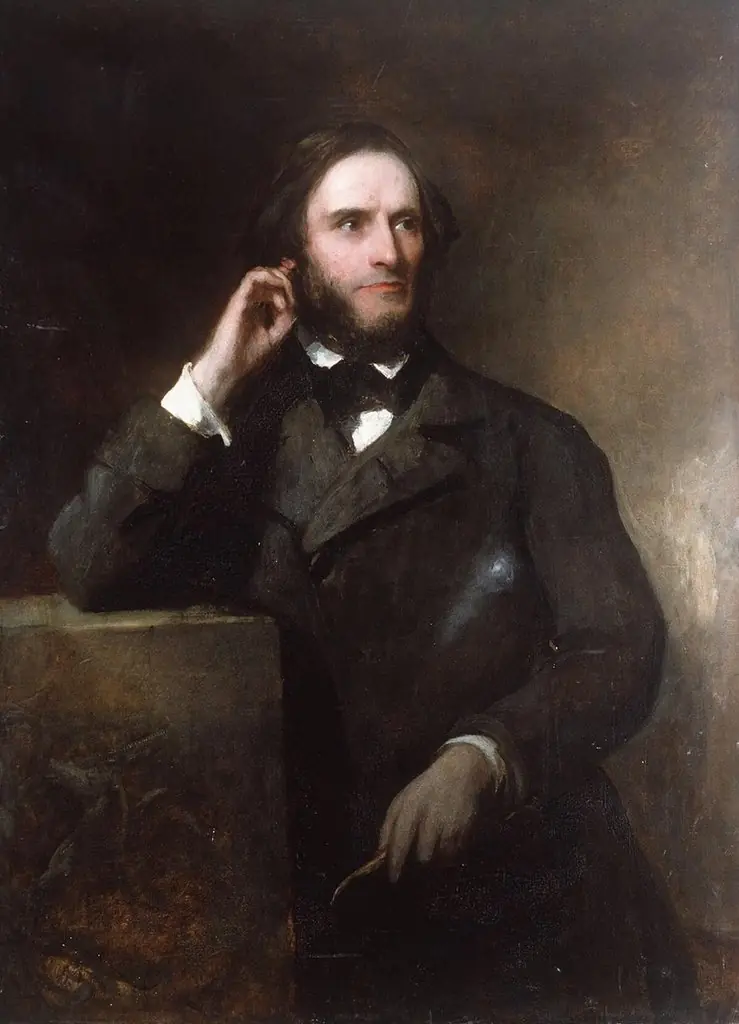 John Gibson, Sculptor