Artwork
Annie Bigelow Lawrence
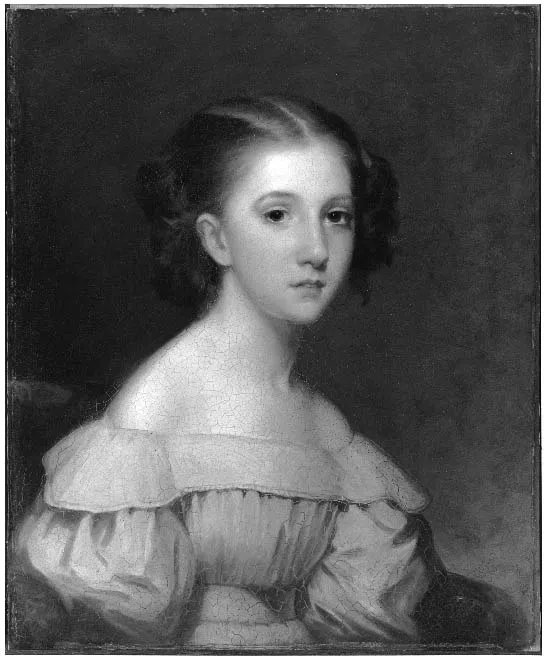
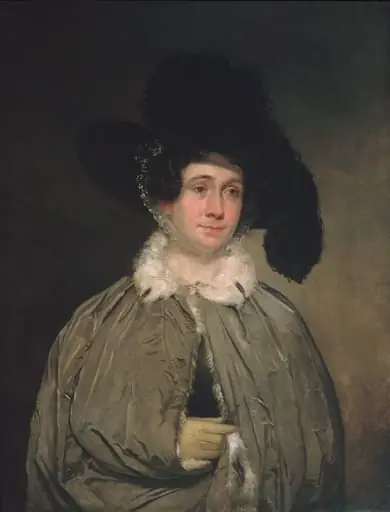
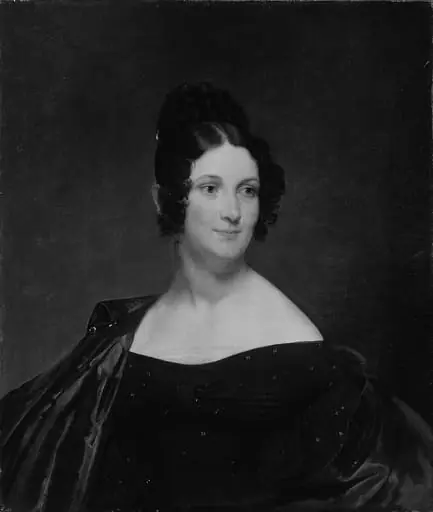
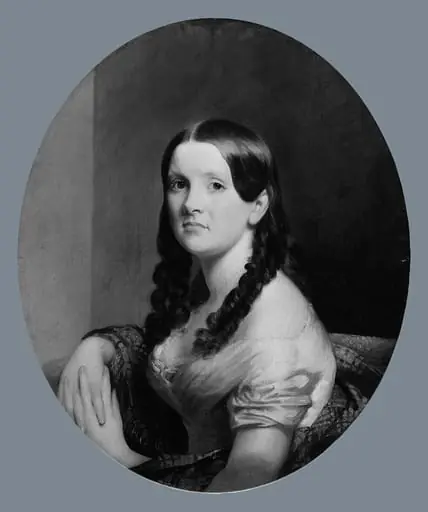
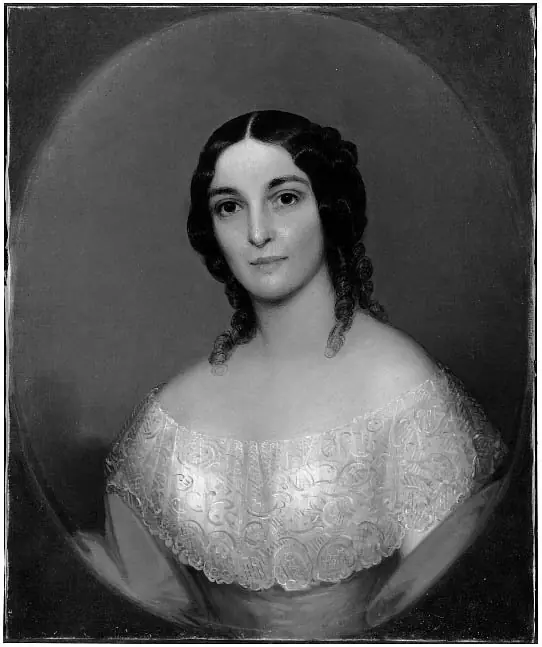
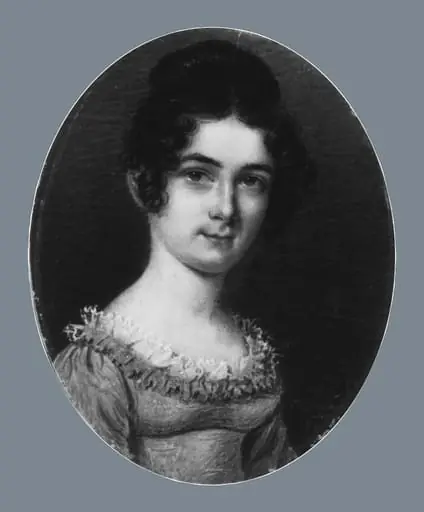
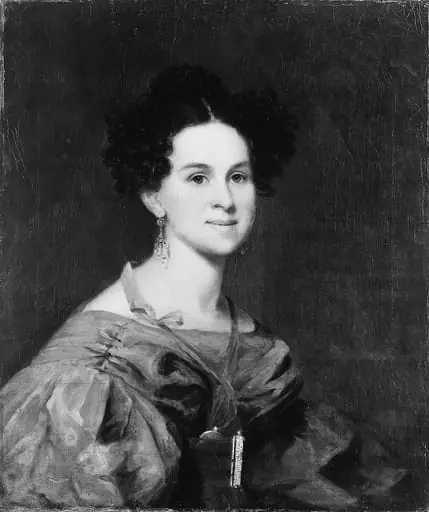
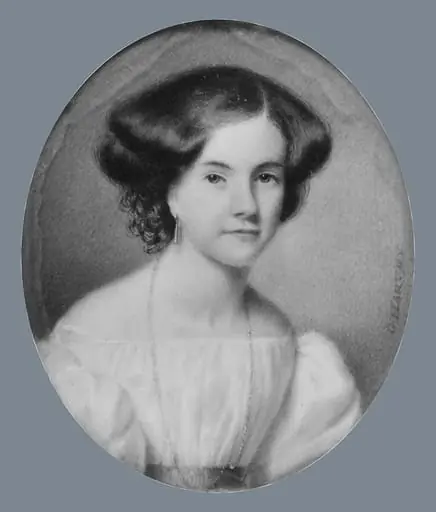
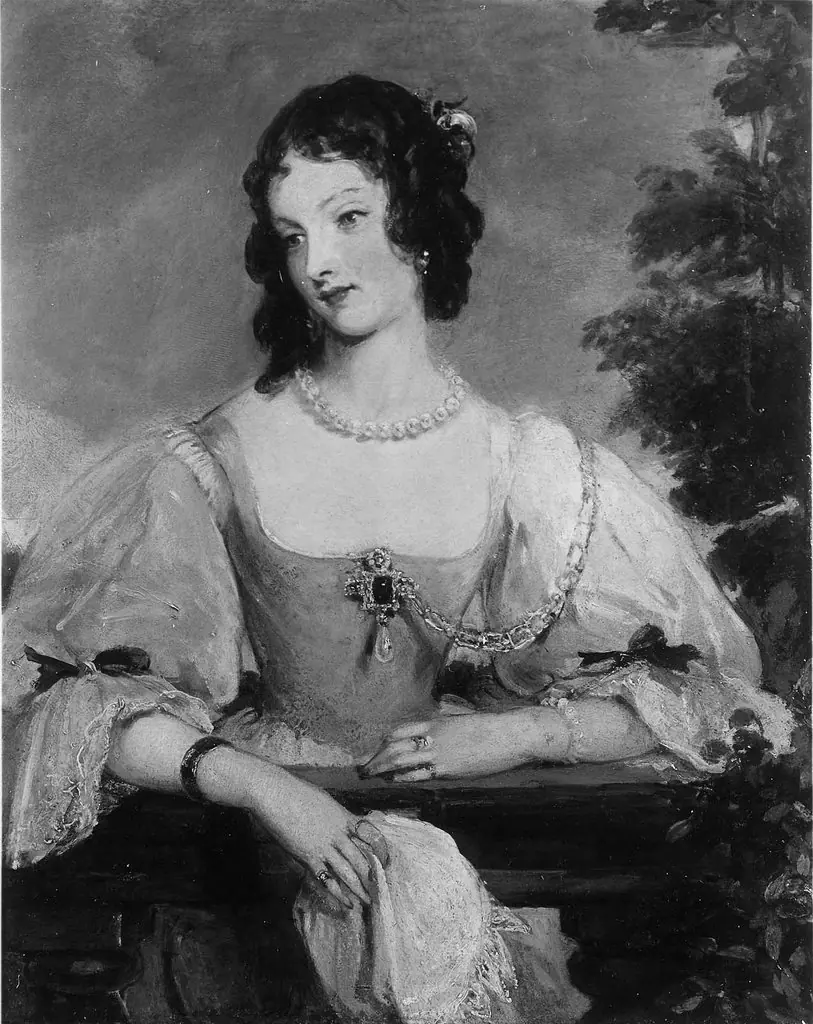
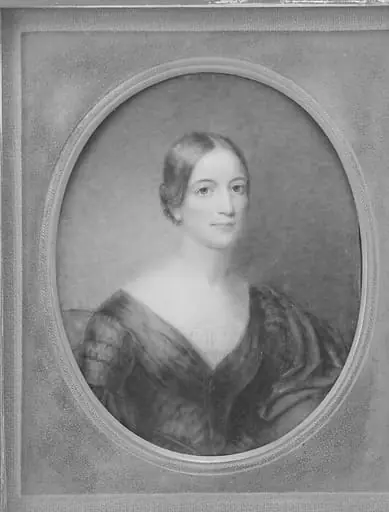
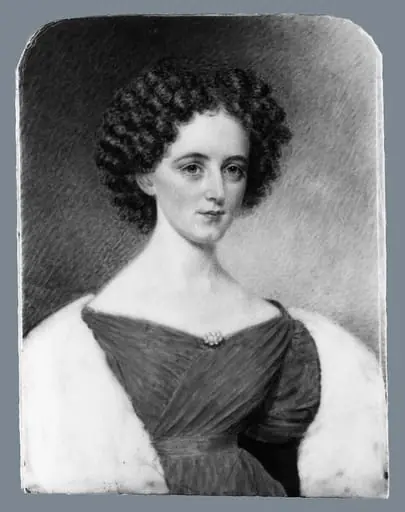
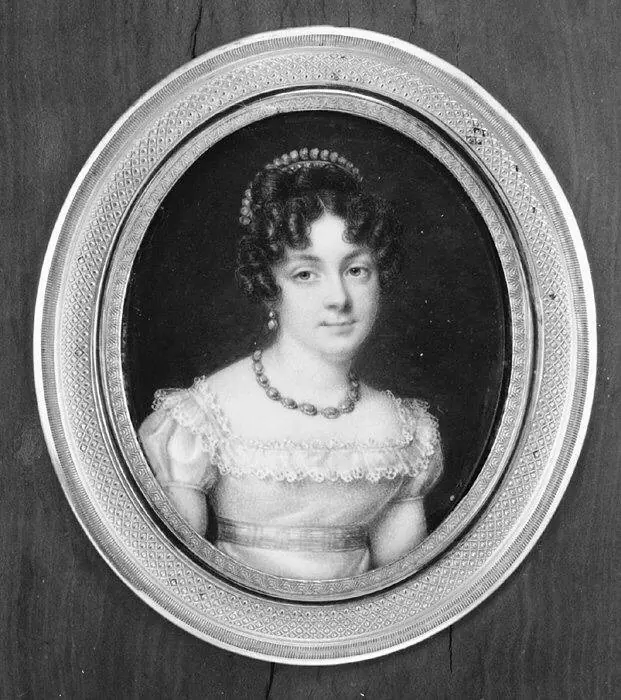
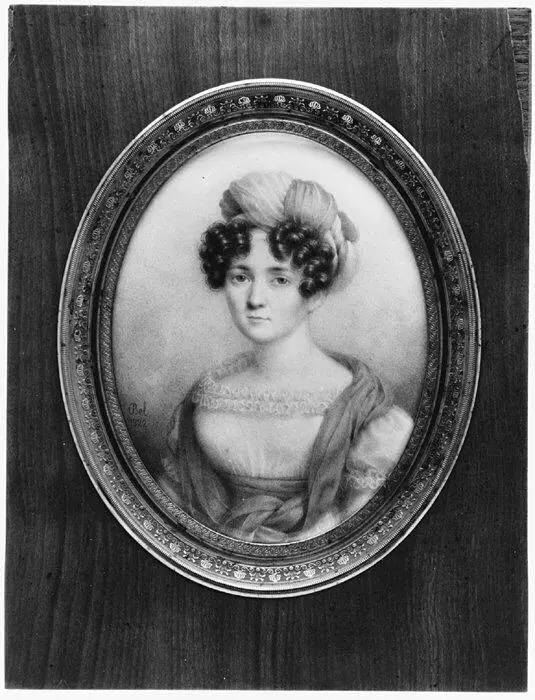
Annie Bigelow Lawrence is an unspecified painting by the American Folk Art artist Chester (Charles) Harding. It dates from 1831 and is held in the collection of the Museum of Fine Arts Boston.
About this work
Overview
The work is a straightforward depiction of a young woman, rendered with careful attention to physical detail and quiet presence.
Chester Harding painted Annie Bigelow Lawrence in 1831 during his active years as a portraitist in the United States. The work is a straightforward depiction of a young woman, rendered with careful attention to physical detail and quiet presence. It resides in the Museum of Fine Arts, Boston, as part of its collection of early American portraiture, reflecting the period’s shift toward personal, unembellished representation.
Subject & Meaning
The sitter, Annie Bigelow Lawrence, is portrayed without ornamentation or symbolic elements, emphasizing her individuality rather than social status. Her direct gaze and composed posture suggest a sense of quiet dignity. The absence of props or elaborate settings focuses attention on her expression and attire, aligning with early 19th-century values of sincerity and restraint in personal representation.
Technique & Style
Harding employed a realistic approach, rendering the texture of fabric, the fall of light on skin, and the subtle contours of the face with precision. The dark background isolates the figure, enhancing three-dimensionality. Brushwork is controlled but not polished, preserving a sense of immediacy. The off-the-shoulder dress and ruffled collar are rendered with attention to folds and fabric weight, typical of Harding’s methodical style.
History & Provenance
The painting entered the Museum of Fine Arts, Boston’s collection in the early 20th century, likely through donation or acquisition from a private holder. Its provenance traces back to the Lawrence family, who commissioned the portrait shortly after its completion. No significant alterations or restorations are documented, preserving its original condition and surface integrity.
Context
In the 1830s, American portraiture moved away from European idealization toward more direct, lifelike depictions. Harding, trained as a self-taught artist, catered to middle- and upper-class patrons seeking authentic likenesses. This work exemplifies the emerging American aesthetic that valued personal identity over grandeur, reflecting broader cultural shifts toward individualism and domestic values.
Legacy
Harding’s portraits, including this one, remain important records of early American life. While not widely known today, his work contributed to the foundation of American portraiture by prioritizing truth over embellishment. The painting continues to serve as a reference for scholars studying the evolution of visual identity in 19th-century America.
Artist & collection
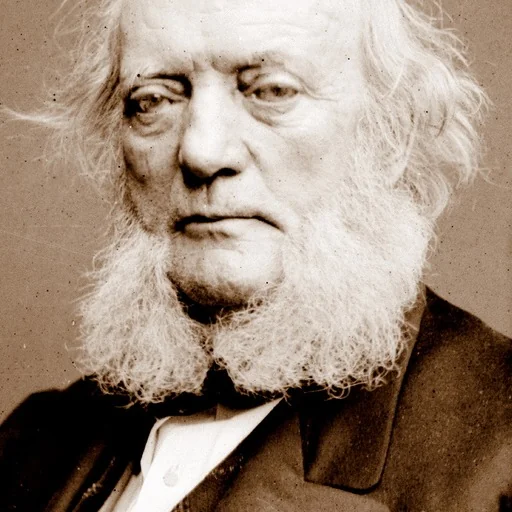
Artist
Chester Harding (September 1, 1792 – April 1, 1866) was an American portrait painter known for his paintings of prominent figures in the United States and England.