Artwork
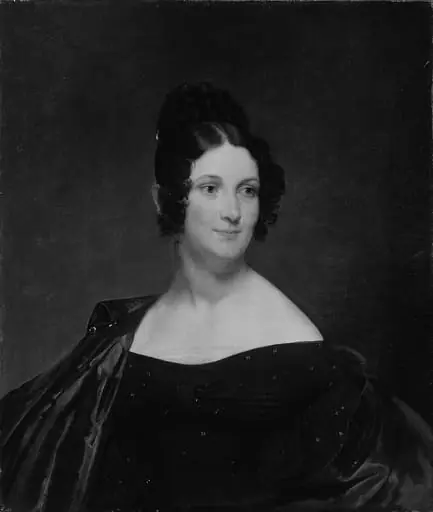
Mrs. Abbott Lawrence (Katherine Bigelow)
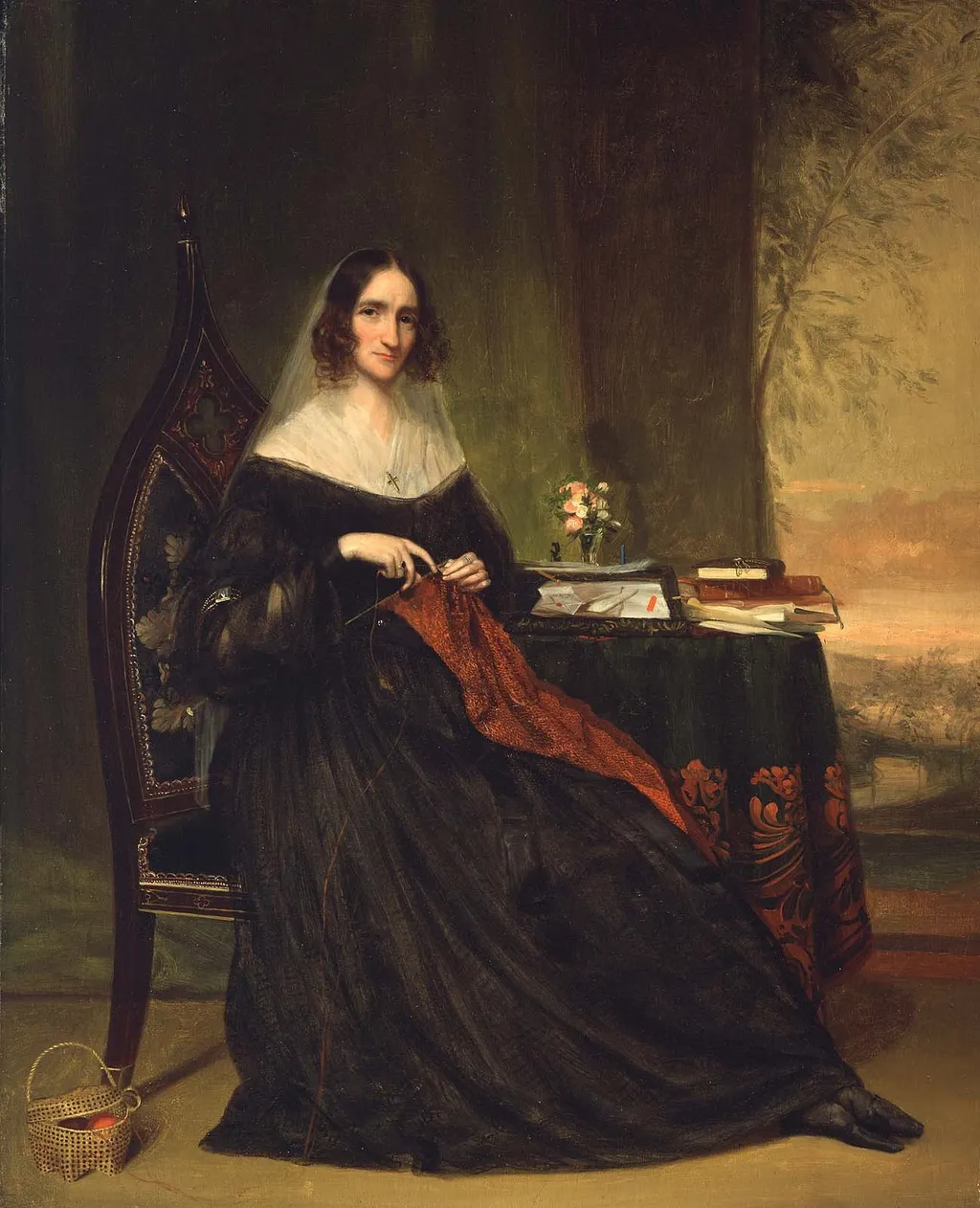
Mrs. Abbott Lawrence (Katherine Bigelow) is an oil painting by the Realist artist Chester (Charles) Harding. It dates from 1855 and is held in the collection of the Museum of Fine Arts Boston. Painted in 1855 by American artist Chester Harding, this oil portrait depicts Katherine Bigelow, wife of industrialist Abbott Lawrence.
About this work
Overview
Painted in 1855 by American artist Chester Harding, this oil portrait depicts Katherine Bigelow, wife of industrialist Abbott Lawrence.
Painted in 1855 by American artist Chester Harding, this oil portrait depicts Katherine Bigelow, wife of industrialist Abbott Lawrence. The work is part of the Museum of Fine Arts, Boston’s collection and reflects Harding’s focus on capturing the quiet dignity of upper-class American women during the mid-nineteenth century. Its subdued palette and intimate setting distinguish it from more formal portraiture of the era.
Subject & Meaning
Katherine Bigelow is shown in a moment of quiet contemplation, seated with a length of thick, warm-colored yarn in her hands. The act of holding yarn suggests domestic activity, yet the composition avoids overt sentimentality. Her veil and modest attire convey propriety, while the presence of books and flowers hints at intellectual and cultivated tastes, framing her as both private and refined.
Technique & Style
Harding employed a restrained realism, emphasizing texture and light over dramatic flair. The contrast between the dark interior walls and the soft, directional light from the right window enhances the three-dimensionality of the figure. The yarn’s tactile quality is rendered with careful brushwork, while the lace trim and carved chair details are rendered with precision, reflecting a commitment to observed detail rather than idealization.
History & Provenance
Commissioned by the Lawrence family, the portrait remained in private hands until its acquisition by the Museum of Fine Arts, Boston. Harding, known for portraits of political and social elites, painted this work during a period when American portraiture was increasingly focused on domestic intimacy. Its preservation in a major institution underscores its significance as a record of Boston’s mercantile elite.
Context
In mid-1800s America, portraiture often served to affirm social status through subtle cues—clothing, furnishings, and activities. This painting aligns with a trend toward domestic realism, where the private sphere became a legitimate subject for art. Unlike grand European portraits, Harding’s work avoids theatricality, instead offering a restrained, personal glimpse into the life of a New England woman.
Legacy
While Chester Harding is less widely known today than his European contemporaries, this portrait remains a representative example of mid-century American realism. It contributes to the understanding of how women’s roles were visually negotiated in art—neither glorified nor diminished, but presented with quiet authority and attention to lived detail.
Own this work as a print
Artist & collection
Artist
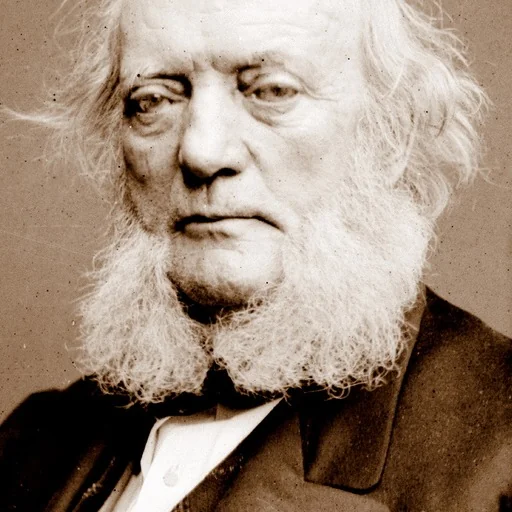
Chester Harding (September 1, 1792 – April 1, 1866) was an American portrait painter known for his paintings of prominent figures in the United States and England.

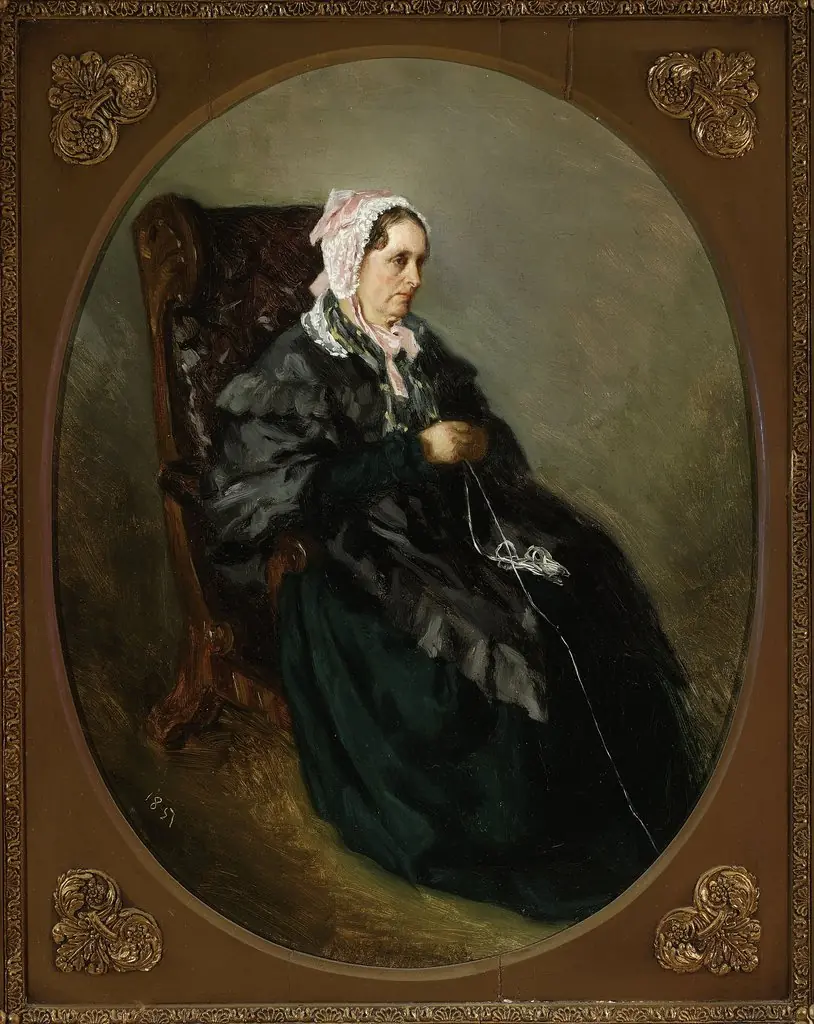 Portrait of artist's aunt, sketch
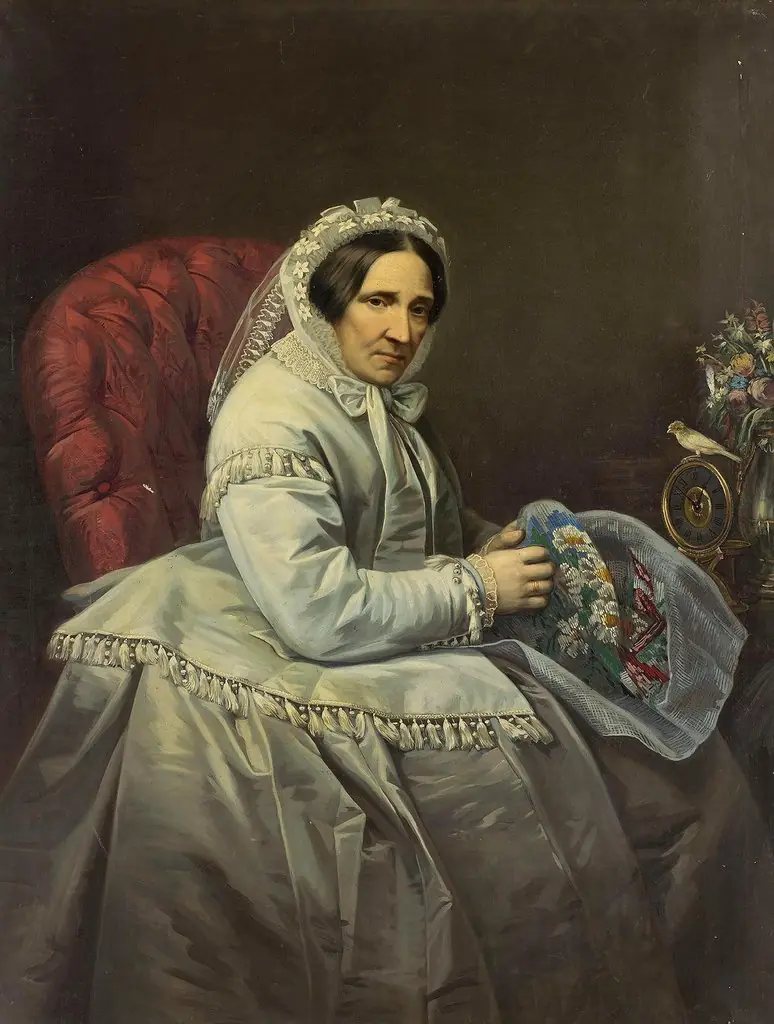 Portrait of Maria Adlerberg
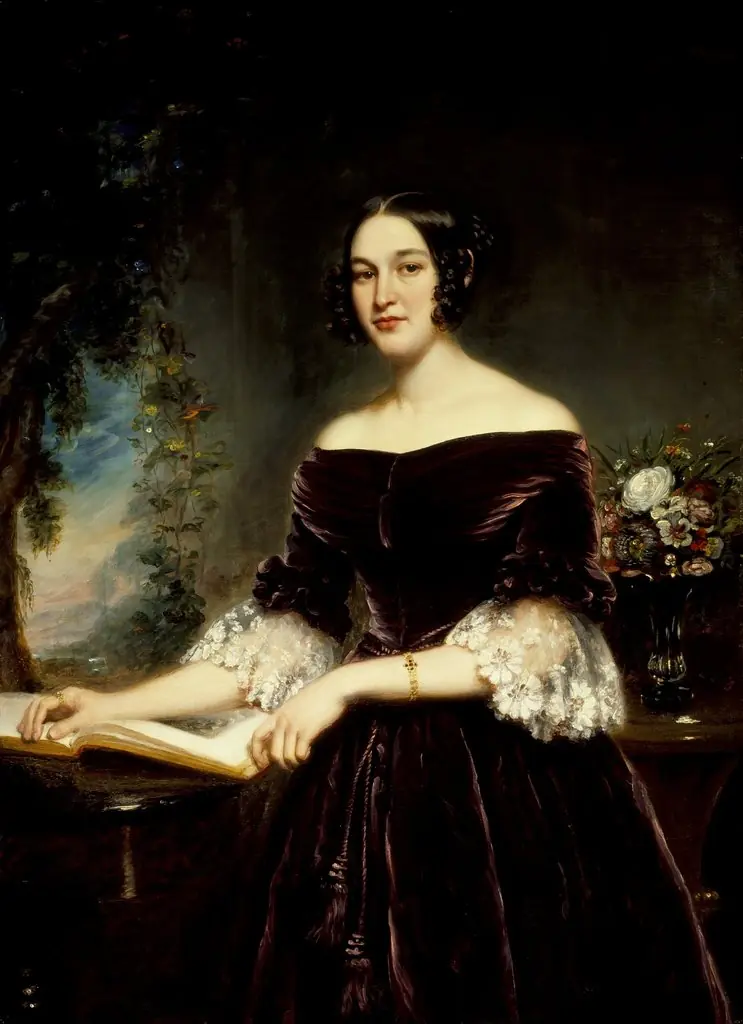 Portrait of Mrs. Sackett
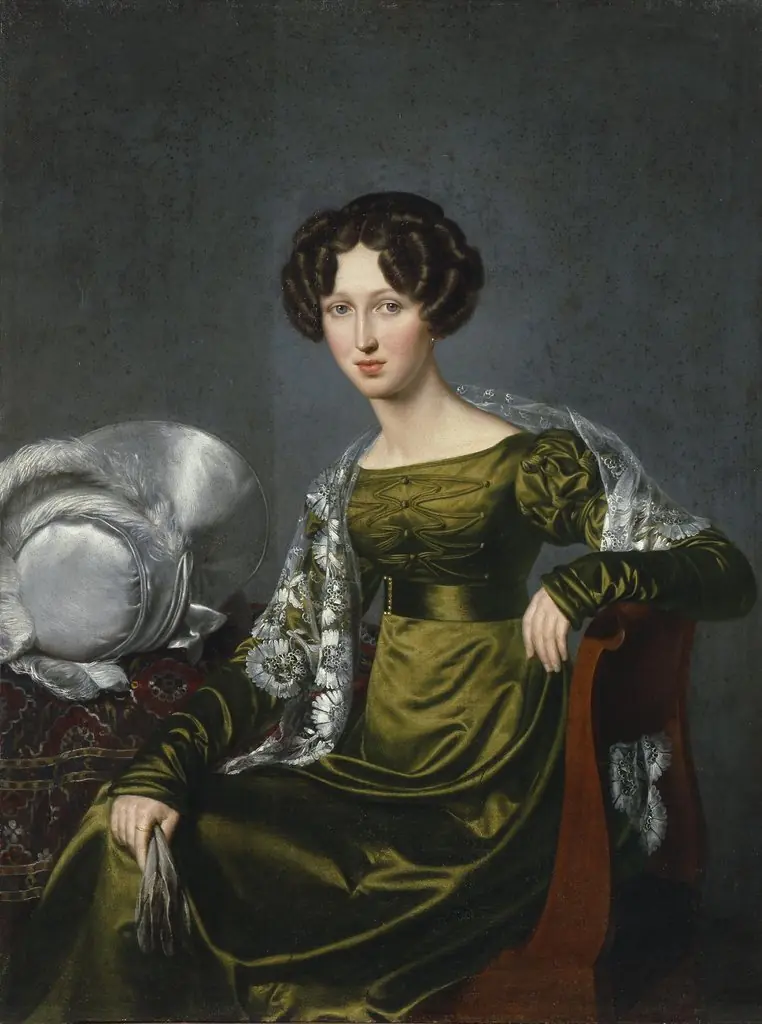 Portrait of Yelizaveta Paskaya-Sharapova
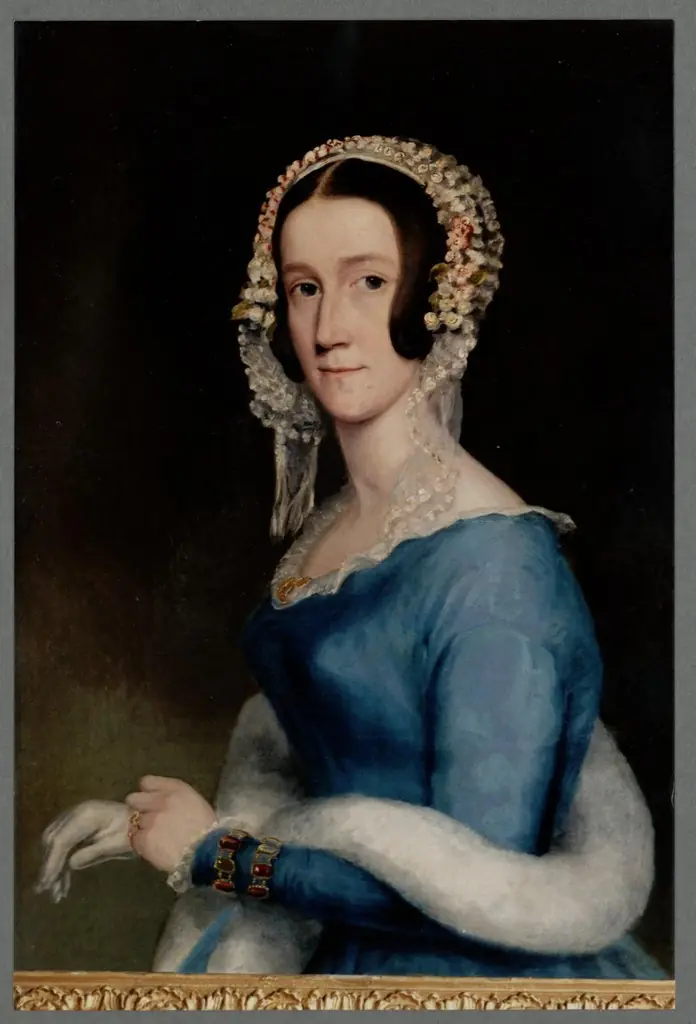 Ellen Lloyd (of Ty Newydd, Llannor, Caernarfonshire)
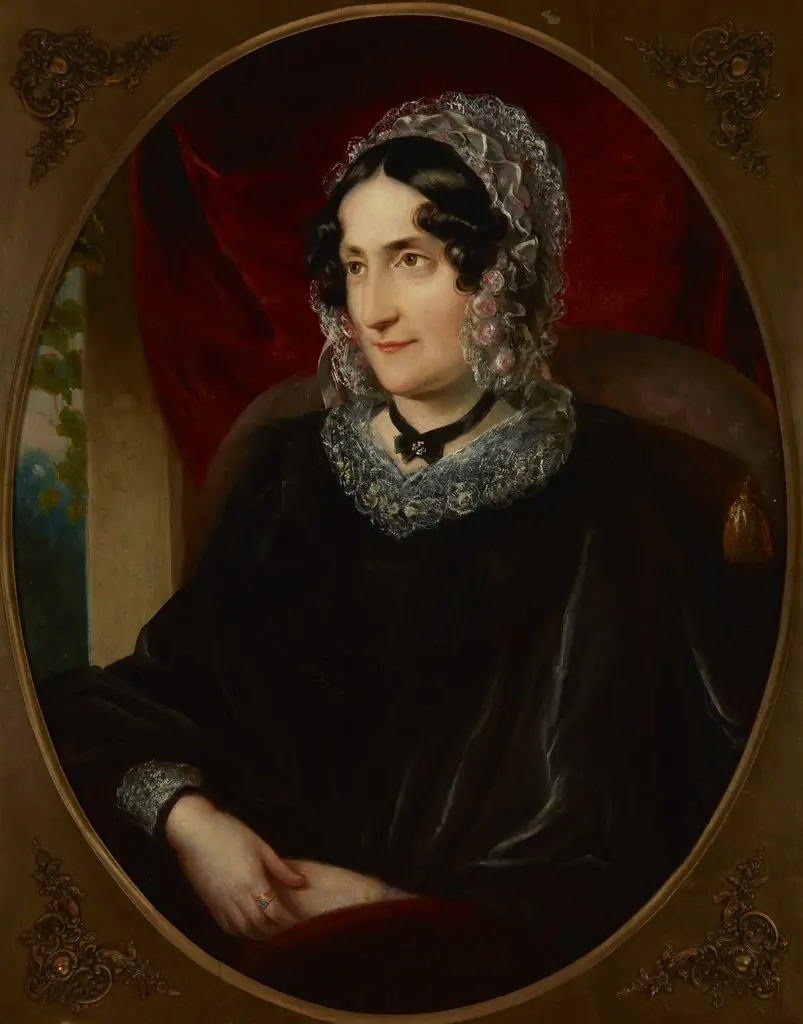 Portrait of Julia Leo
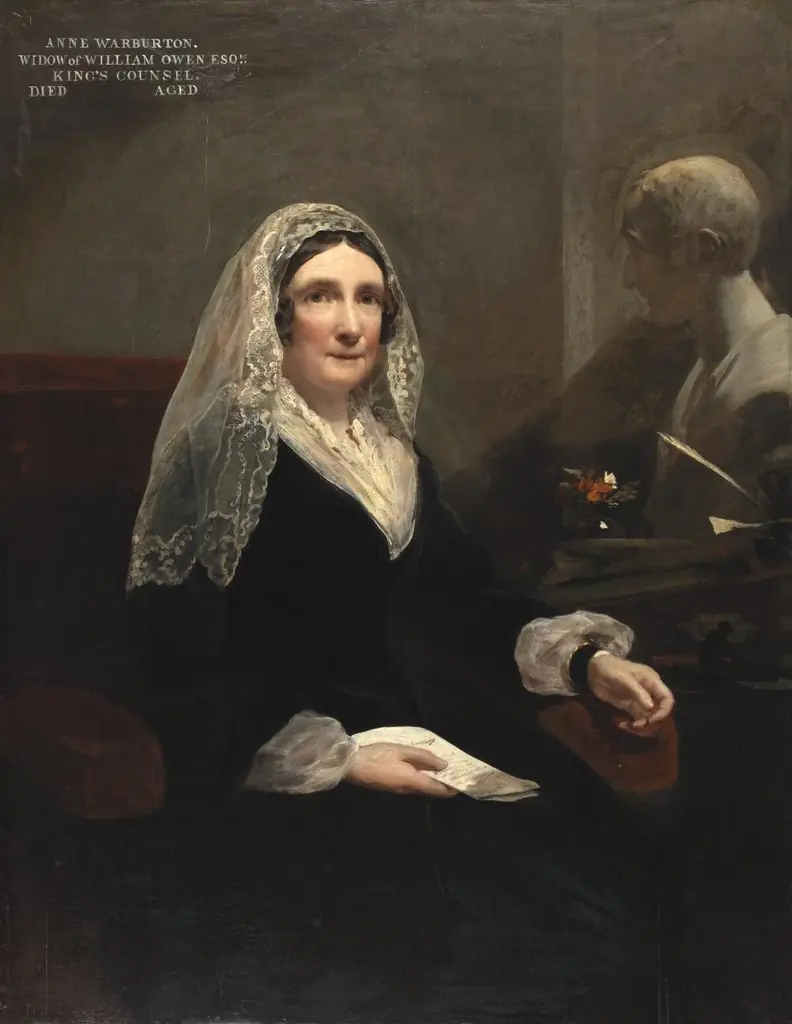 Anne Warburton, died 1876
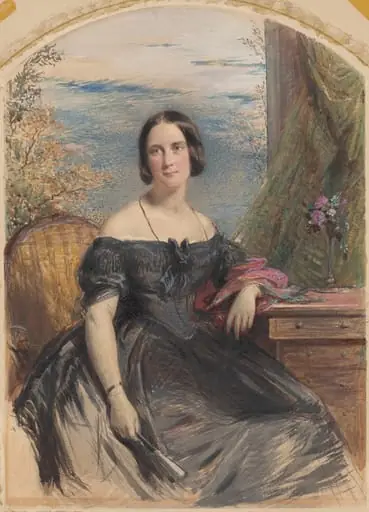 Mrs. Anne Walbanke-Childers
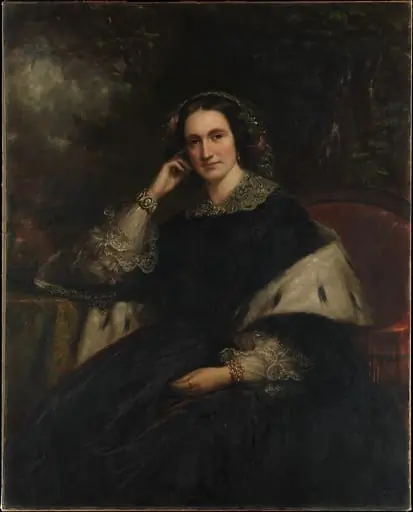 Anna Watson Stuart
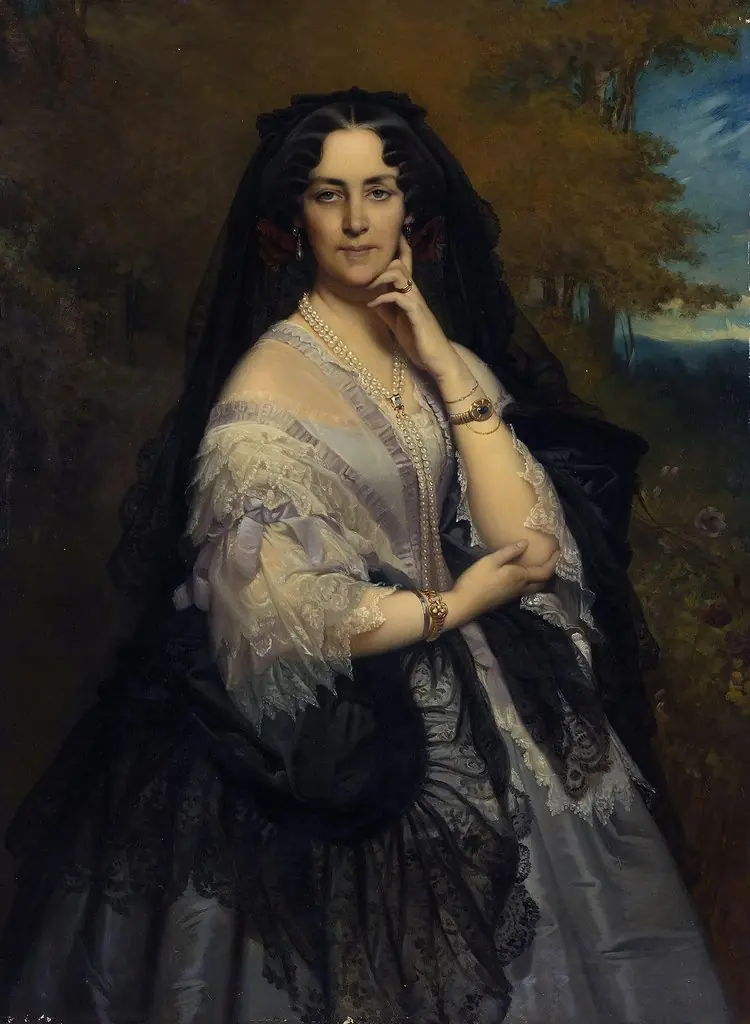 Portrait of Princess Zinaida I. Yusupova
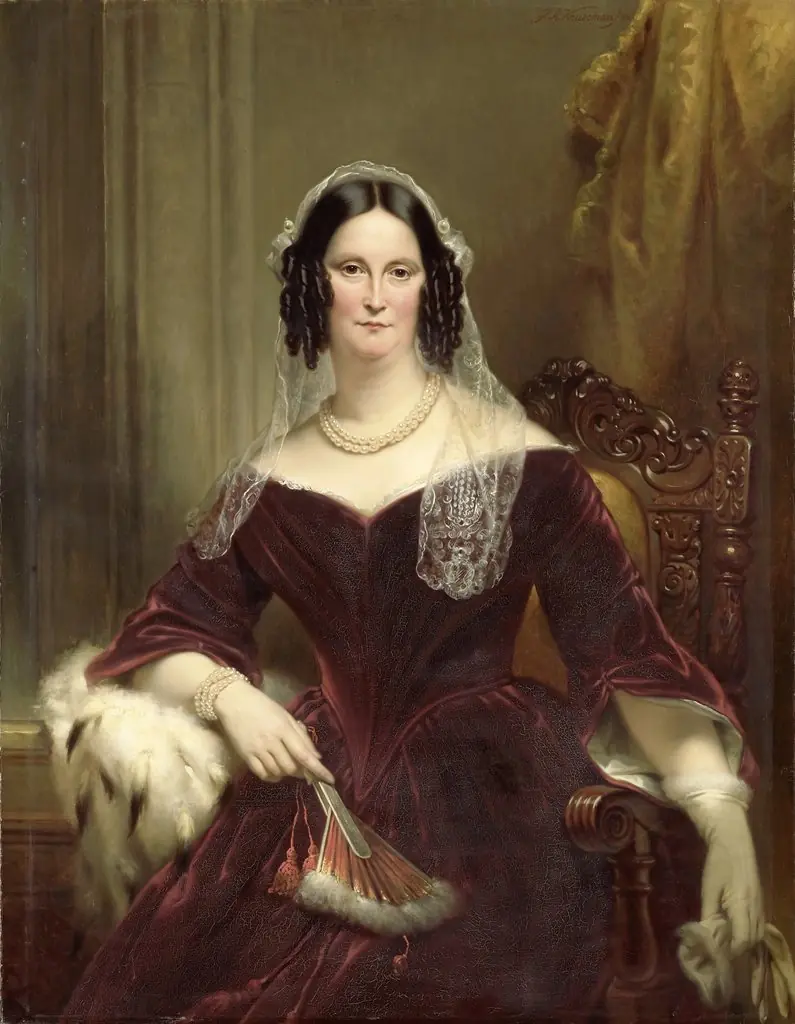 Portrait of Dieuwke Fontein, second Wife of Adriaan van der Hoop
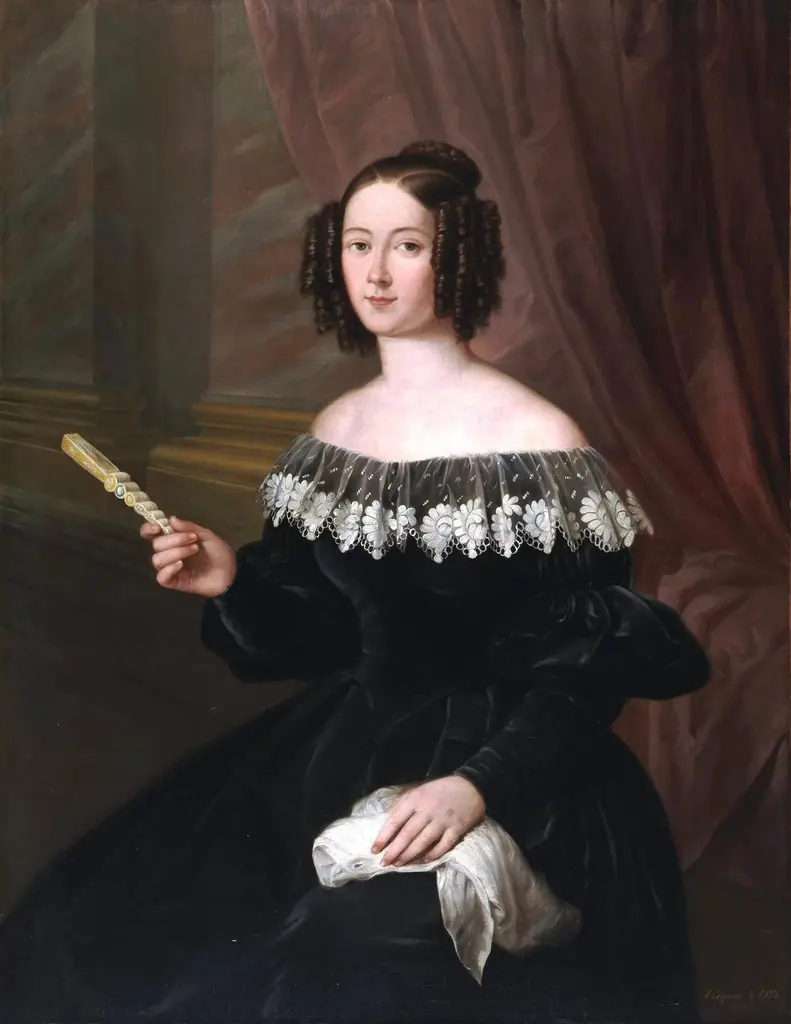 Pilar Gandiola