Artwork
Portrait of Julia Leo
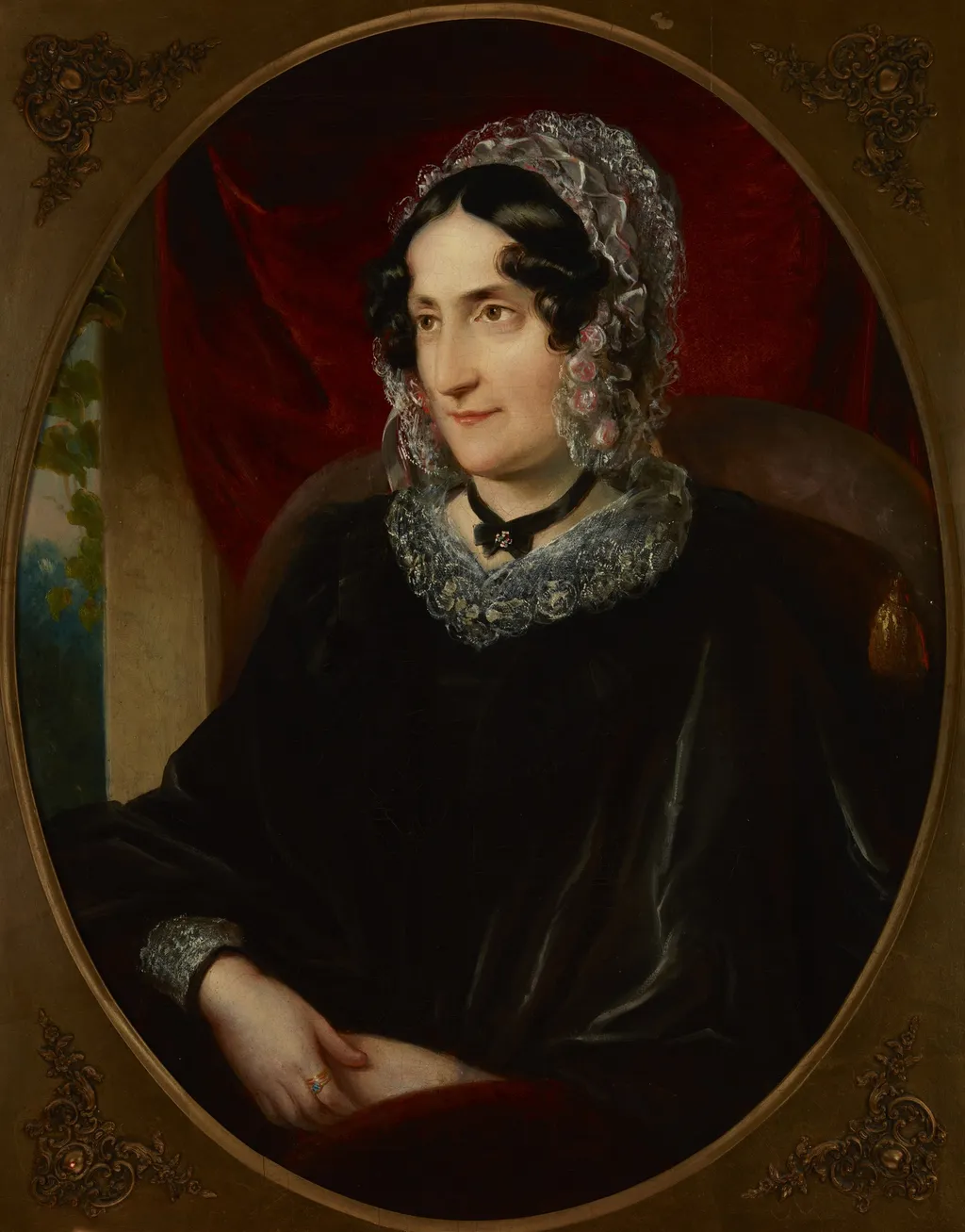
Portrait of Julia Leo is an oil painting by Franciszek Ksawery Lampi. It dates from 1827 and is held in the collection of the National Museum in Kraków. Created circa 1827, this oil-on-canvas portrait presents a young woman seated in a chair before a deep red drapery.
About this work
The woman's attire and hairstyle suggest a formal setting, possibly from the 18th or 19th century.
The painting depicts a woman in a dark dress with a lace collar and cuffs, sitting in a chair. Her hair is styled in an updo, and she wears a lace headpiece. The background is a red curtain.
The woman's attire and hairstyle suggest a formal setting, possibly from the 18th or 19th century. The artist's use of dark colors and the subject's serious expression create a somber mood.
For more information on the artist behind this work, look up Franciszek Ksawery Lampi.
Overview
Created circa 1827, this oil-on-canvas portrait presents a young woman seated in a chair before a deep red drapery. The sitter wears a dark dress trimmed with lace, a delicate lace headpiece, and an up‑do hairstyle typical of formal attire in the late eighteenth to early nineteenth century. The composition conveys a restrained, solemn atmosphere through muted tones and a direct gaze.
Subject & Meaning
The figure, identified as Julia Leo, is rendered with a dignified bearing; her serious expression and modest pose suggest a portrait intended for familial or social documentation rather than allegorical narrative. The inclusion of refined accessories—lace collar, cuffs, and headpiece—signals her status within the aristocratic milieu, while the subdued palette underscores a sense of propriety and introspection.
Technique & Style
Lampi employs a smooth, controlled brushwork characteristic of Romantic portraiture, allowing subtle modeling of flesh and fabric. The dark wardrobe is contrasted against the luminous red curtain, creating depth through chiaroscuro. Fine detailing of lace and hair demonstrates the artist’s skill in rendering texture, while the overall composition remains balanced, with the sitter centered and the background receding to focus attention on her visage.
History & Provenance
Born in Austria to an Italian family, Lampi settled in Warsaw in 1815 and quickly became a favored portraitist among Polish nobility. This work entered the National Museum in Kraków’s collection, where it remains on display. Its provenance traces back to the original commission for the Leo family, reflecting the cross‑cultural artistic exchanges of early nineteenth‑century Central Europe.
Context
The portrait emerges from a period when Polish aristocracy sought to affirm their identity through refined visual representation amid political upheaval. Lampi’s practice blended Romantic sensibilities with the conventions of court portraiture, catering to patrons desiring both elegance and a subtle emotional depth. The painting thus exemplifies the intersection of personal commemoration and broader cultural aspirations of the era.
Artist & collection
Artist
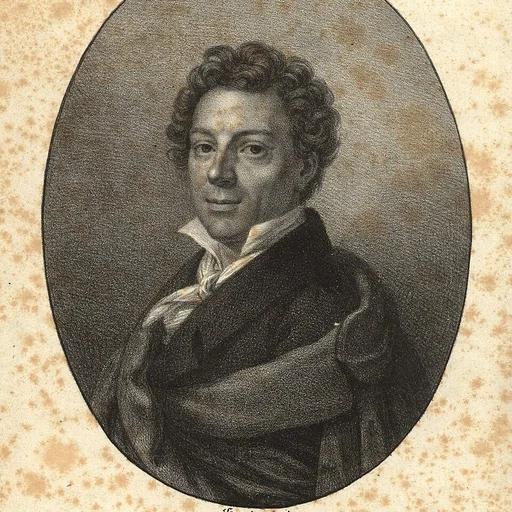
Franciszek Ksawery Lampi, also known as Franz Xaver Lampi (22 January 1782 – 22 July 1852), was a Polish Romantic painter born in Austria of ethnic Italian background.

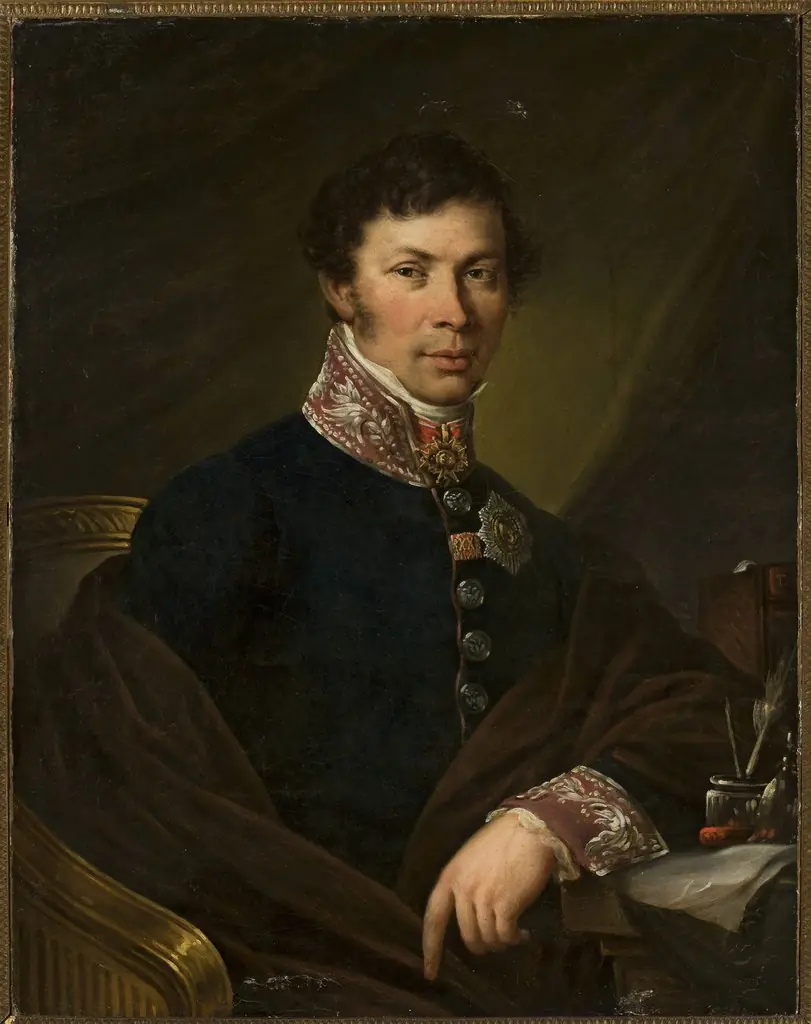 Portrait of Wojciech Rogoziński
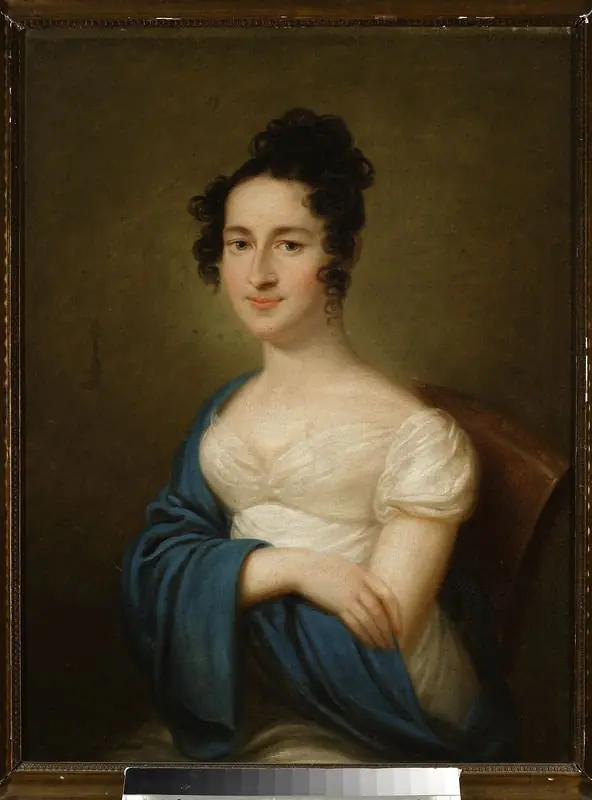 Portrait of Salomea Zawadzka née Mikołajewska
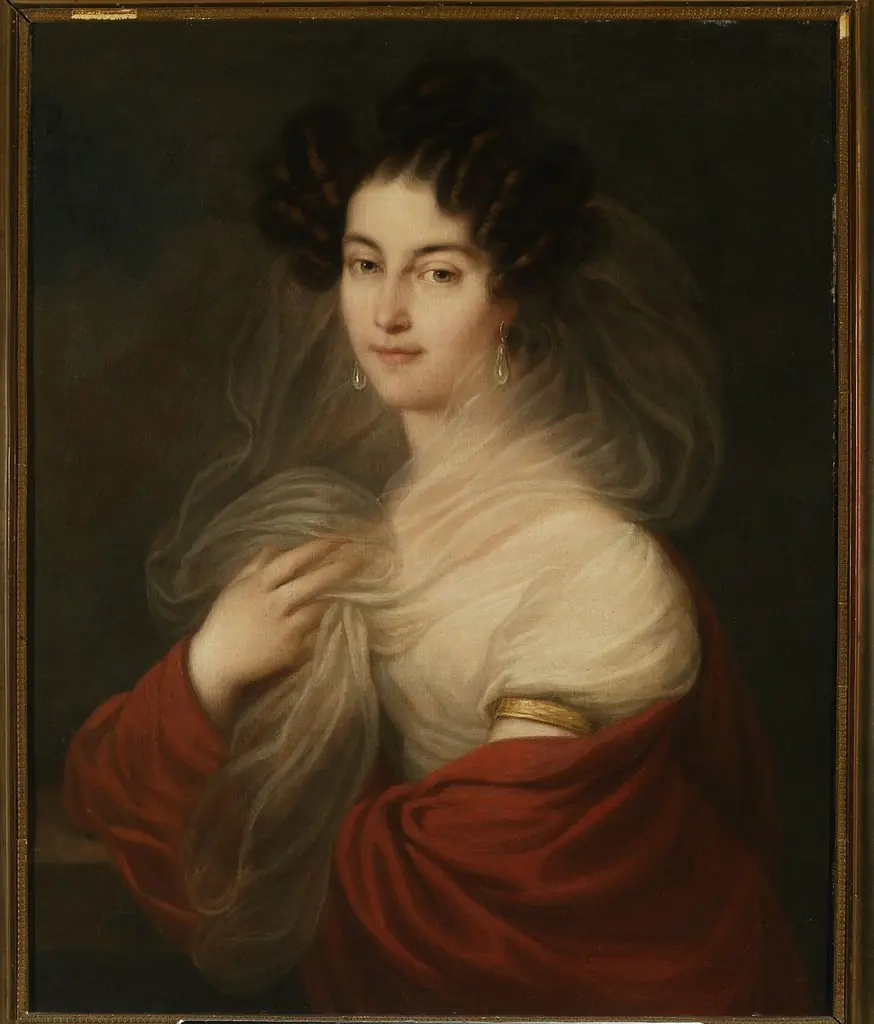 Portrait of Celina Radziwiłł née Sulistrowska (1805–1836)
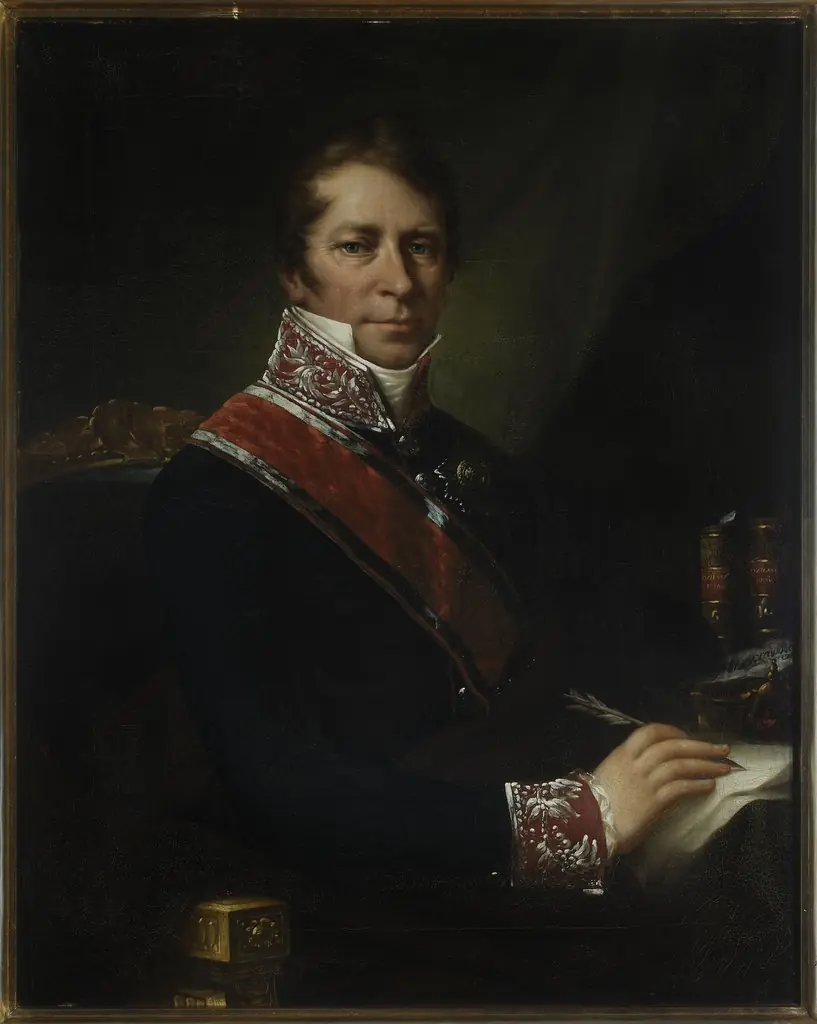 Portrait of Ksawery Potocki
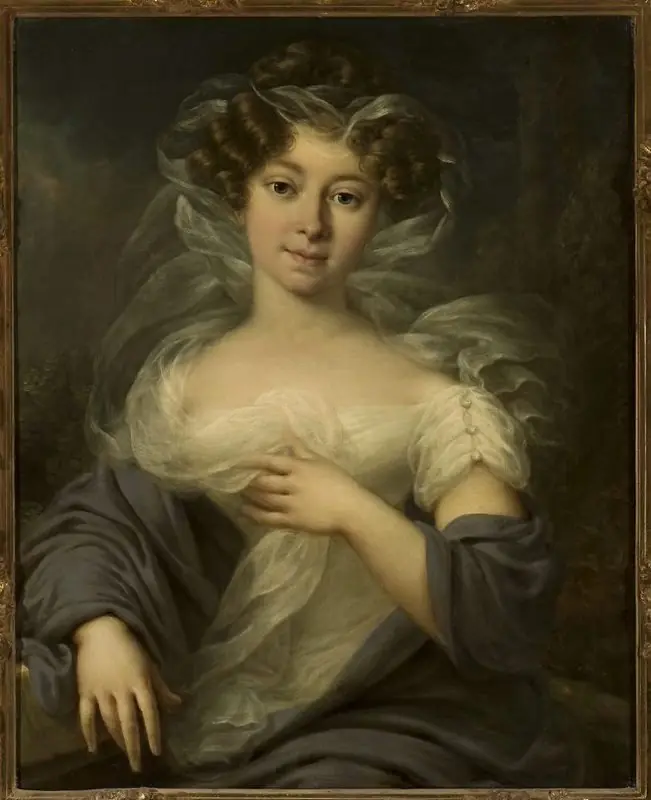 Portrait of Nina Łuszczewska née Żółtowska
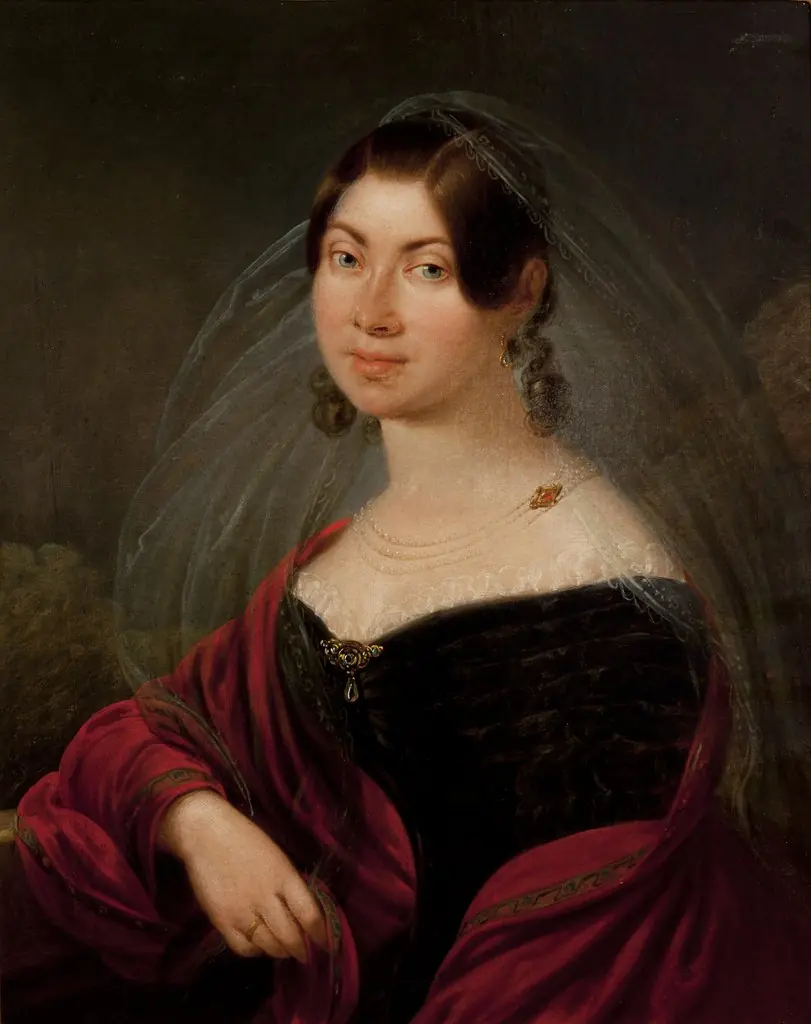 Portrait of Teresa Żebrawska née Hanowicz
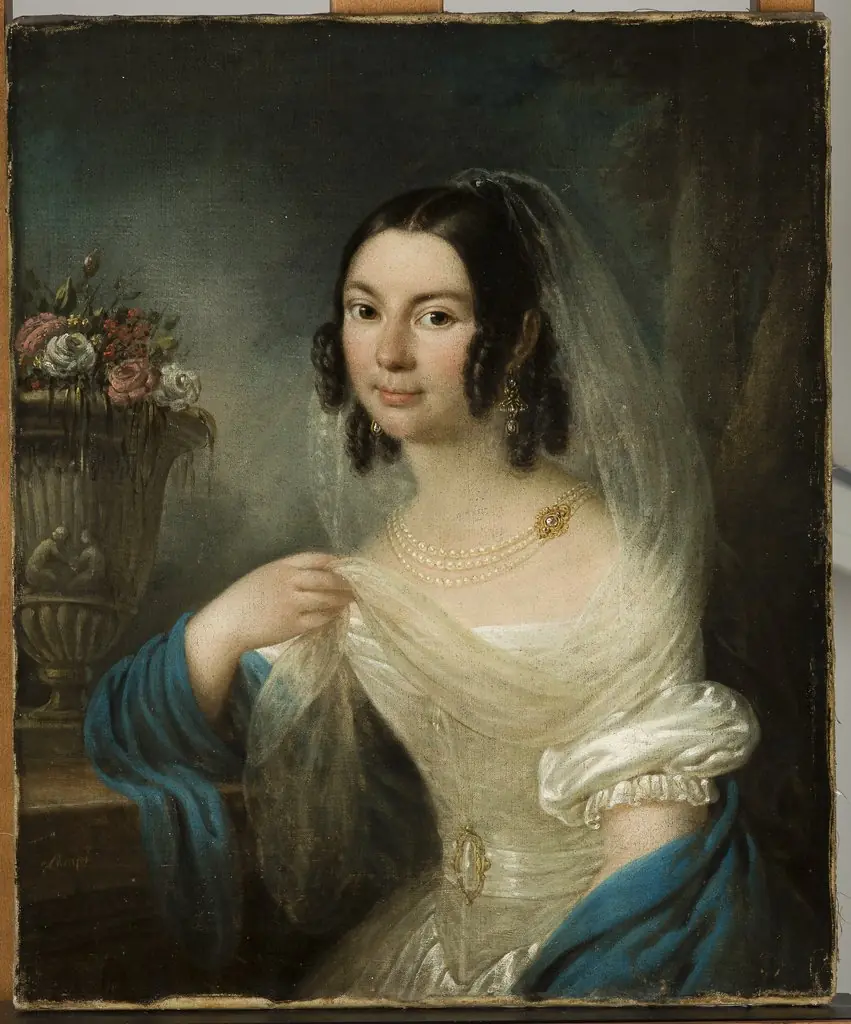 Portrait of Senator Chądzyński's Wife
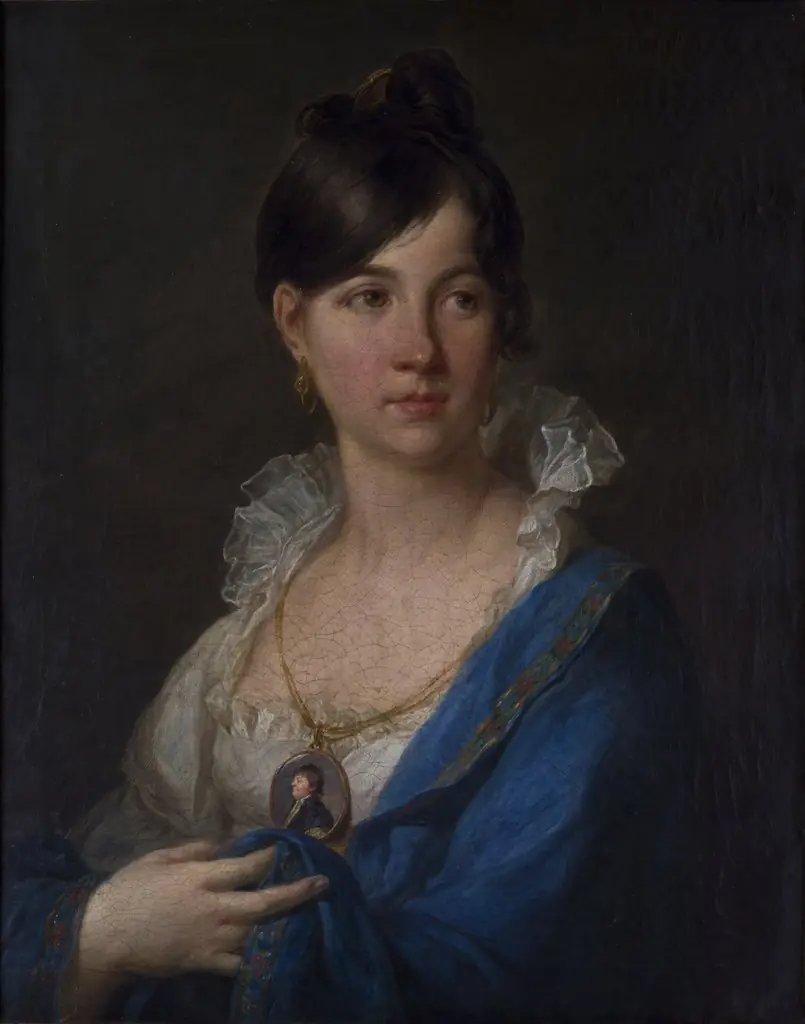 Portrait of Maria Magnuszewska
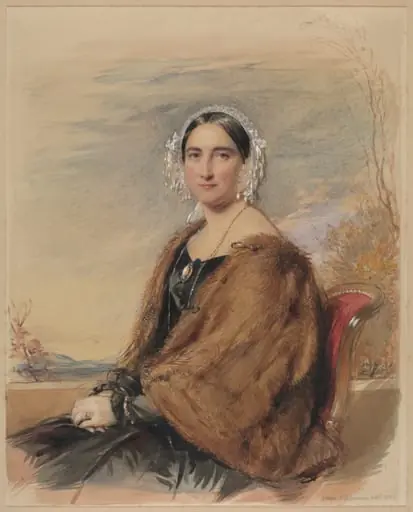 Portrait of a Woman
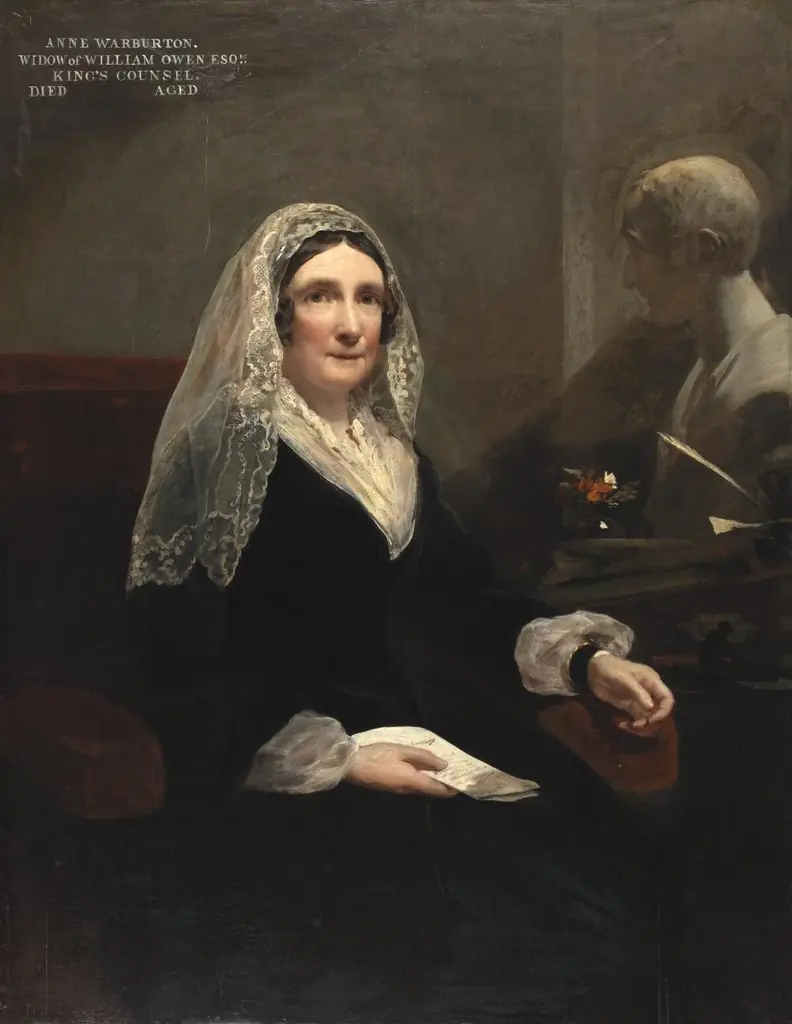 Anne Warburton, died 1876
 Ellen Lloyd (of Ty Newydd, Llannor, Caernarfonshire)
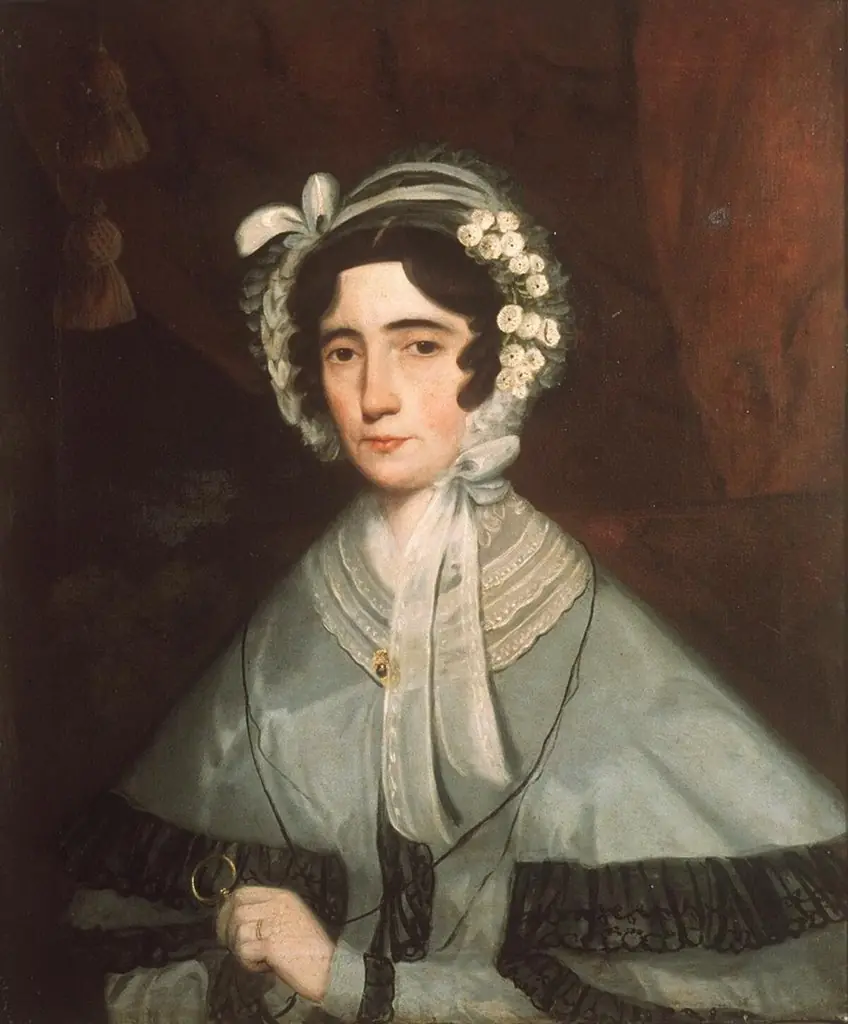 Mrs. Owen, Penymynydd
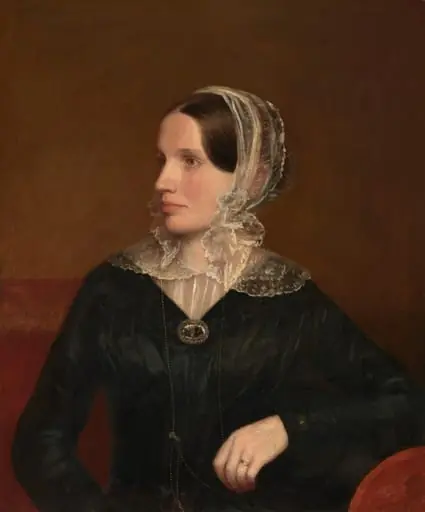 Lovice Corbett Whittemore (Mrs. Thomas Whittemore)
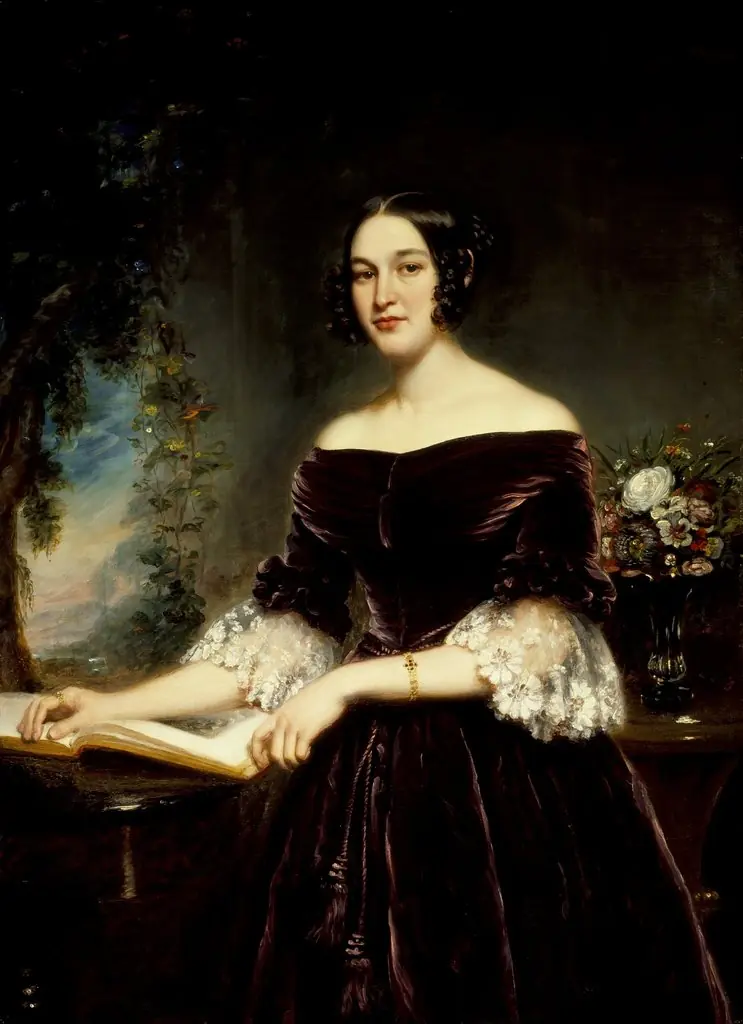 Portrait of Mrs. Sackett
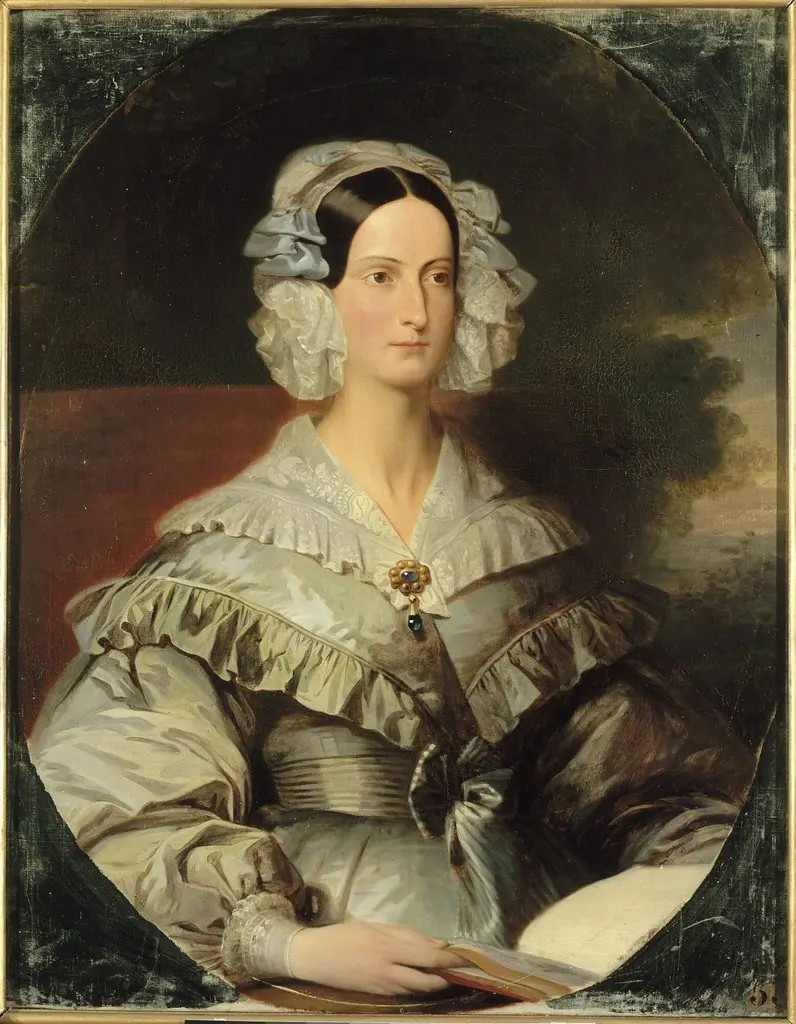 Marie-Christine-Caroline d'Orléans, Duchess of Würtemberg
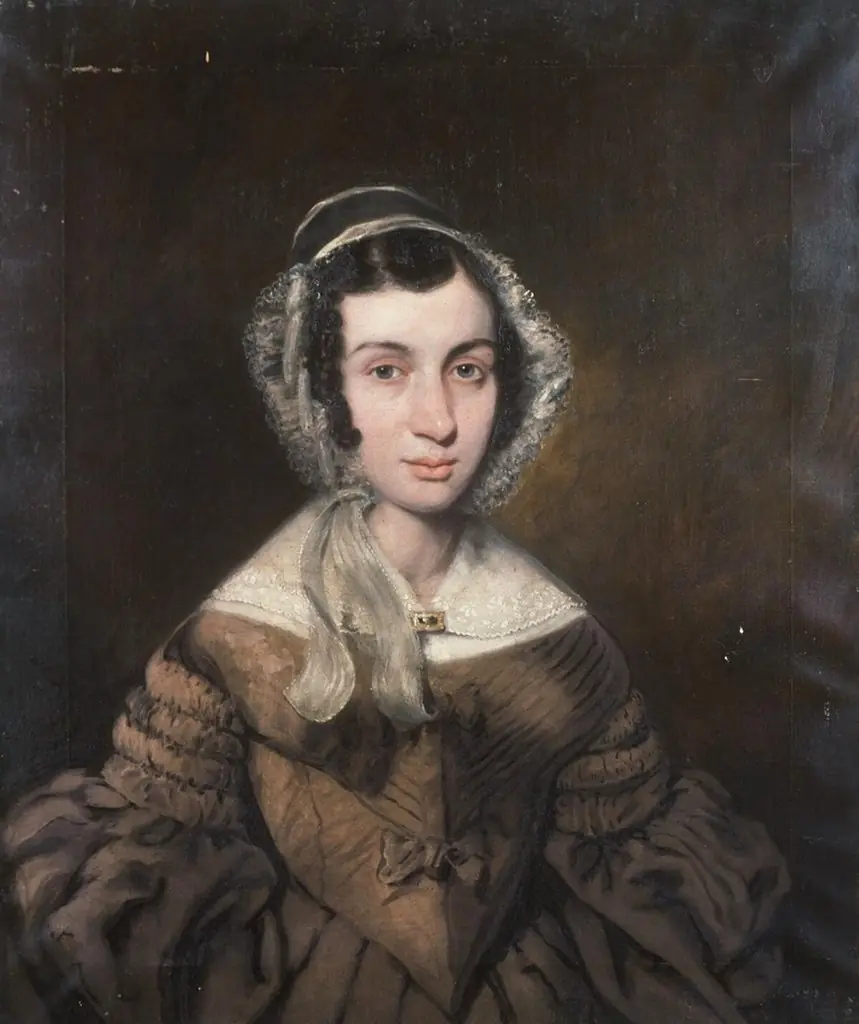 Jane Edwards
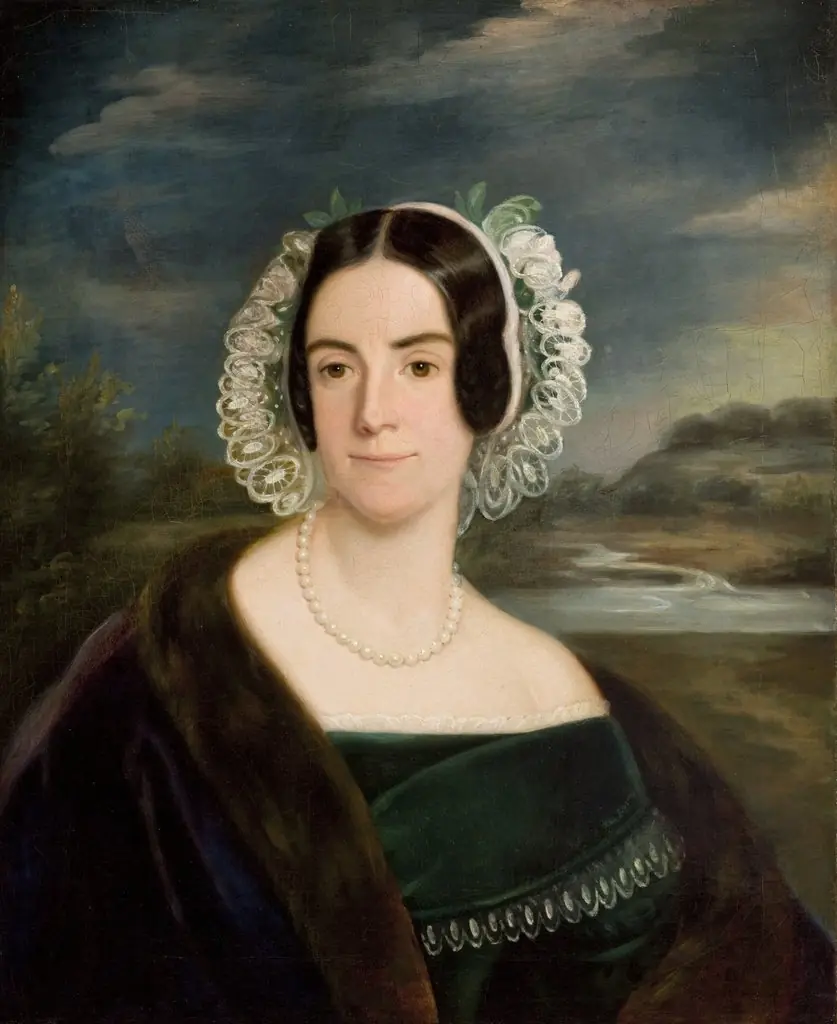 Female Portrait
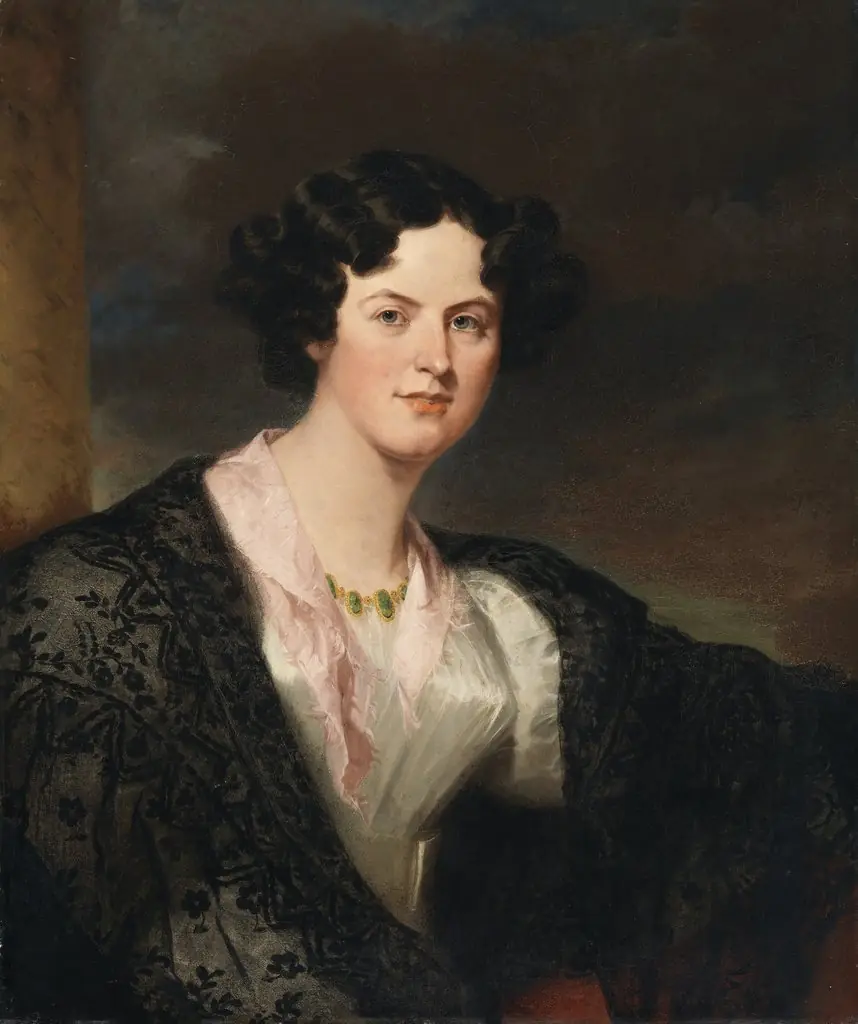 Portrait of Mrs Clementson
 Portrait of Petronella de Lange, Wife of Theodorus Frederik van Capellen
 Kirjailija Sara Wacklinin muotokuva