Artwork
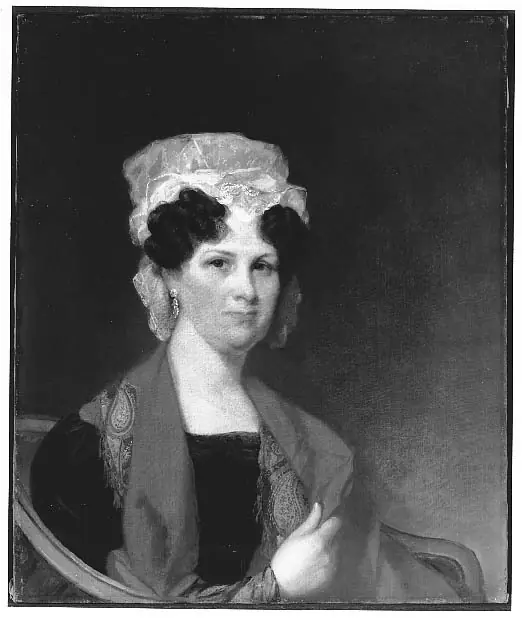
Mrs. John Ball Brown (Rebecca Warren)
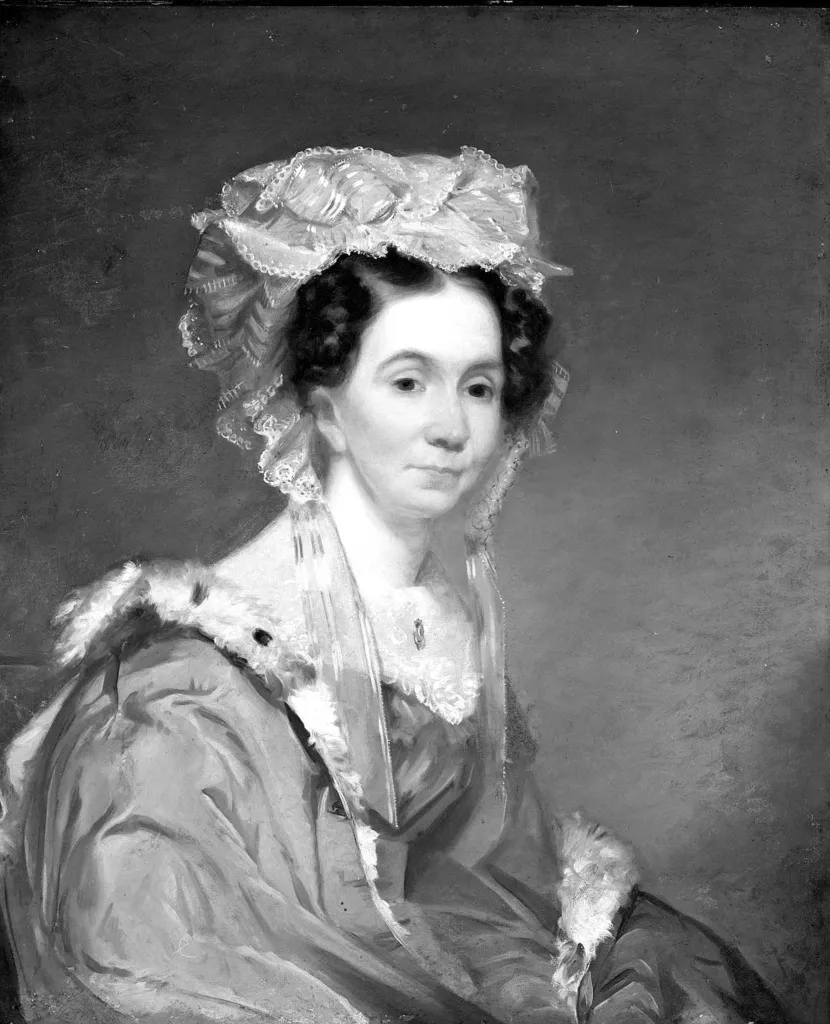
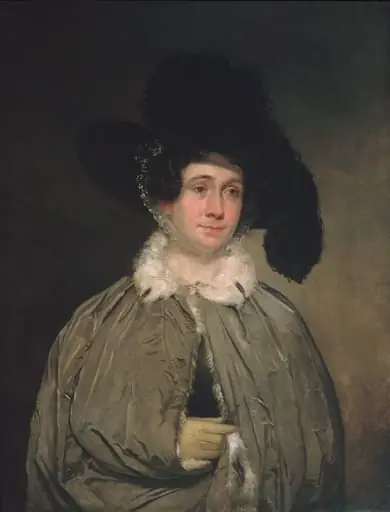
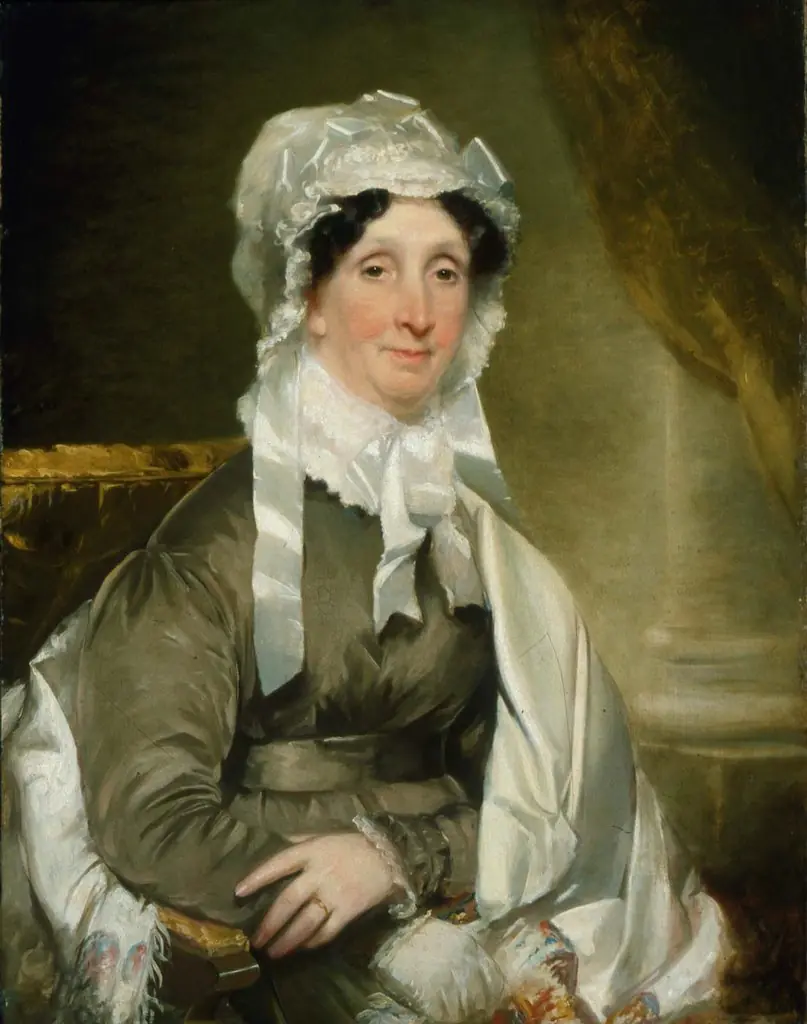
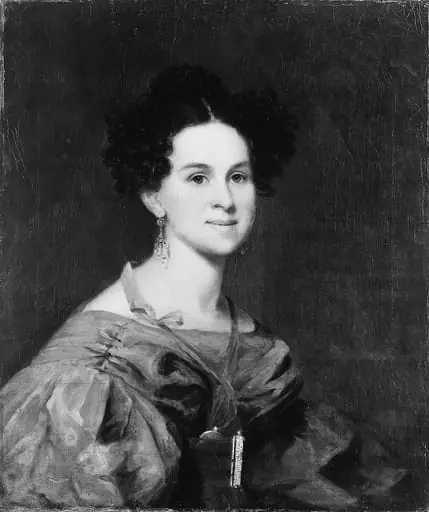
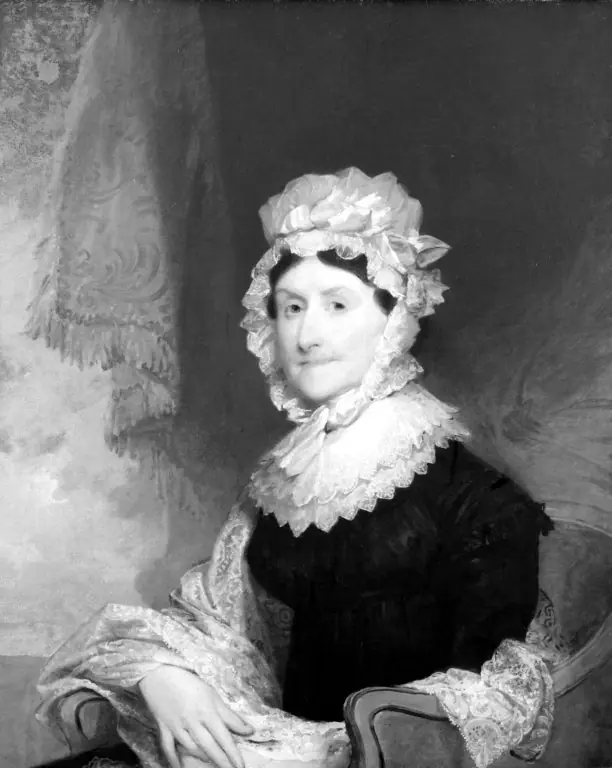
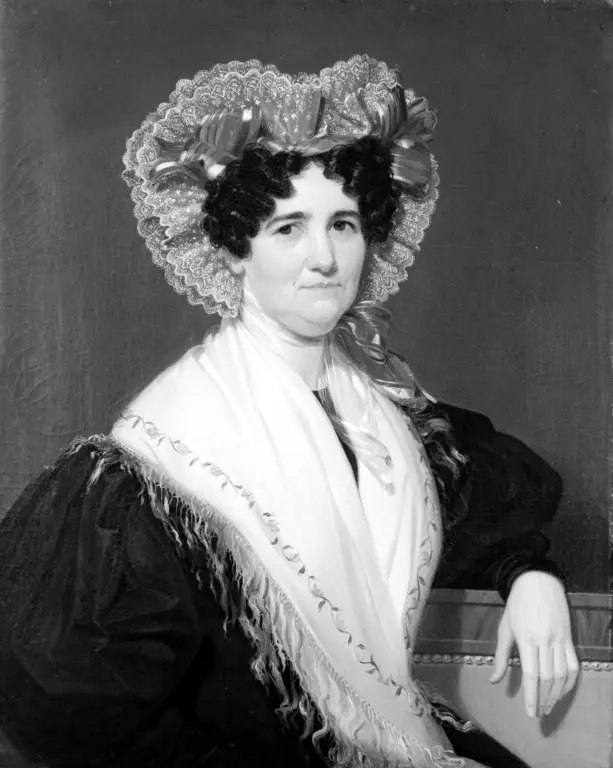
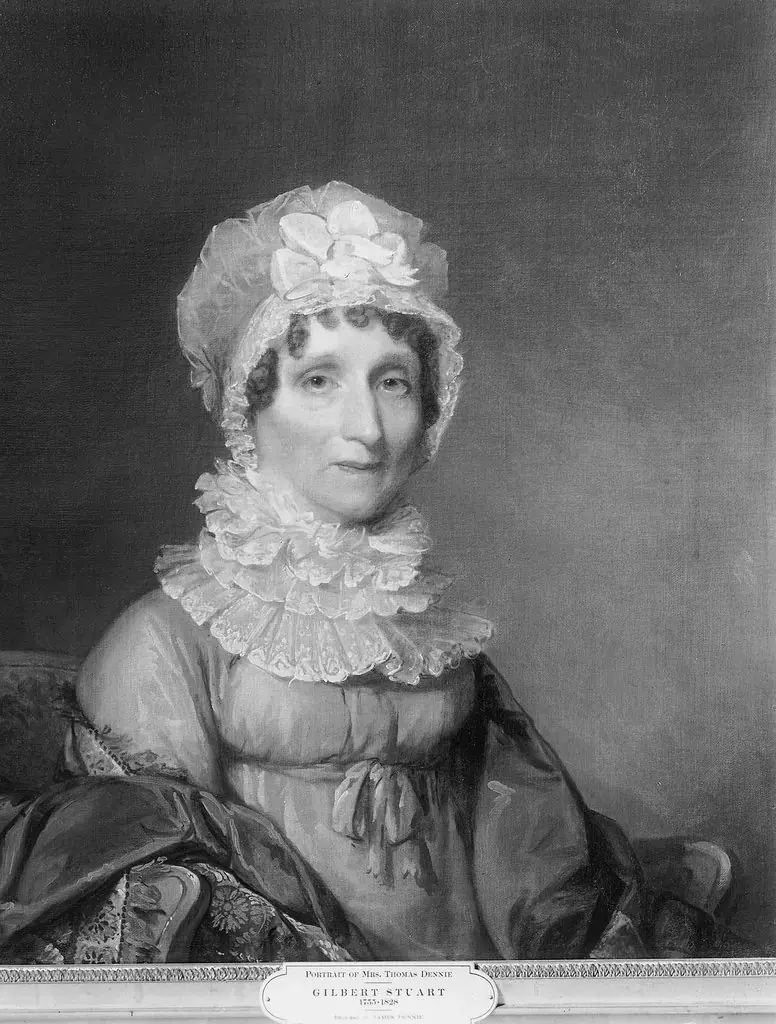
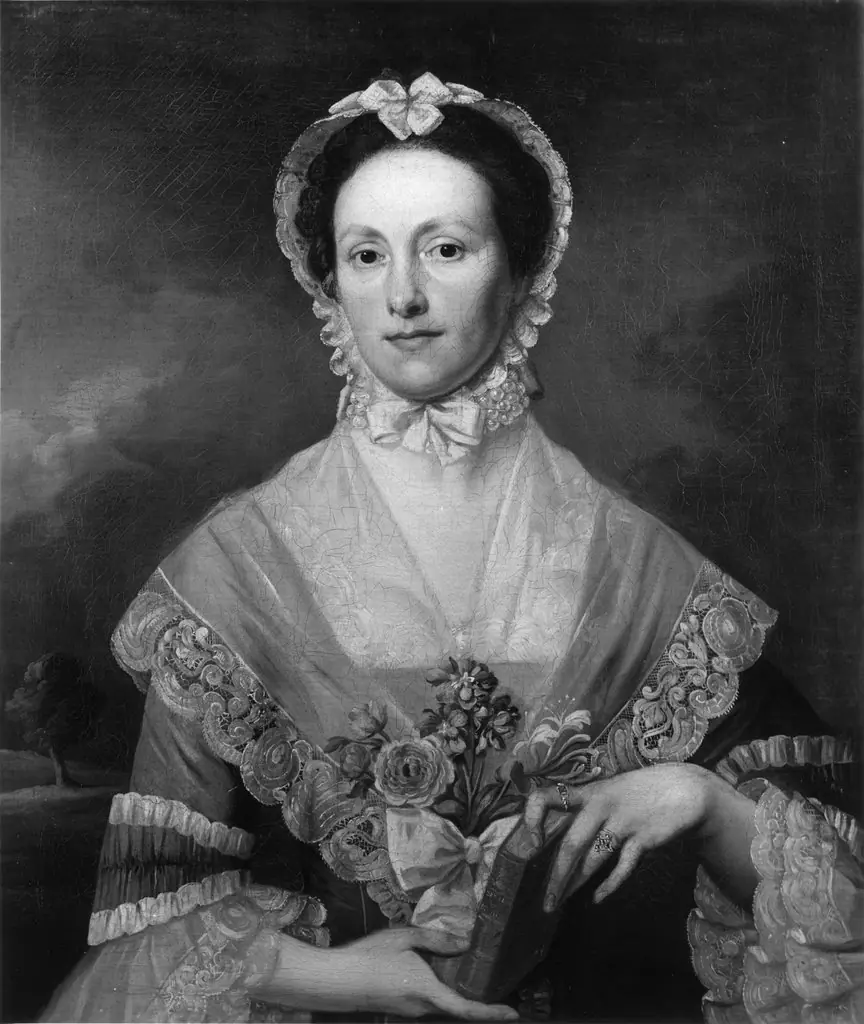
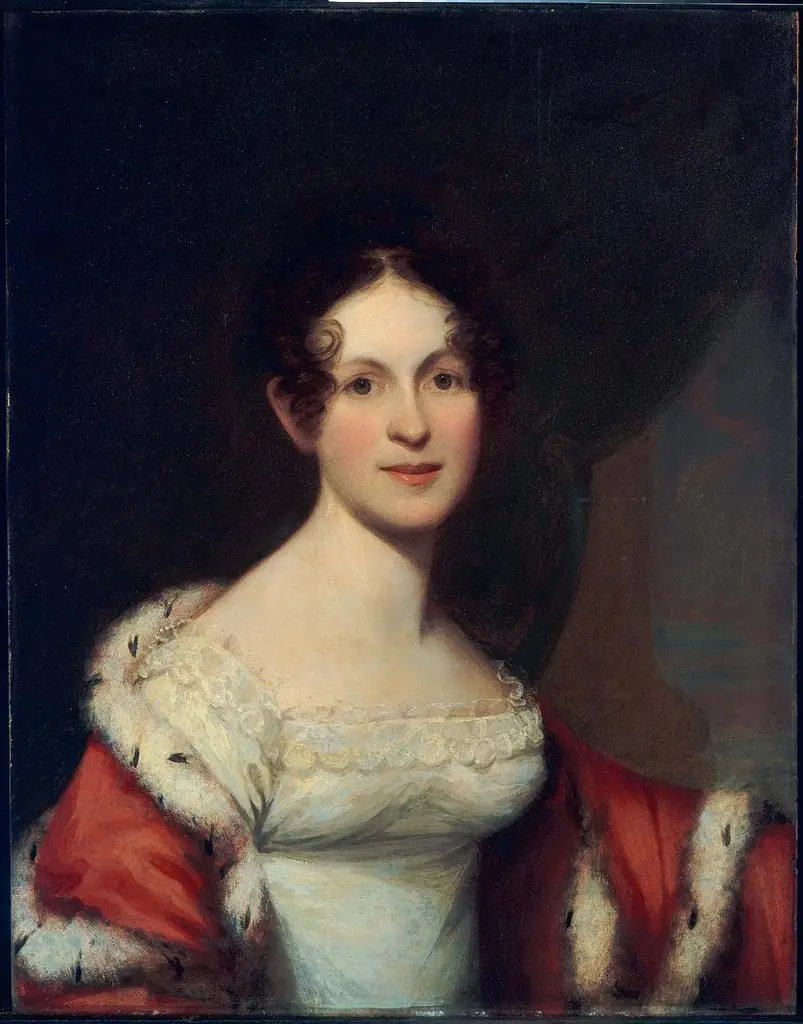
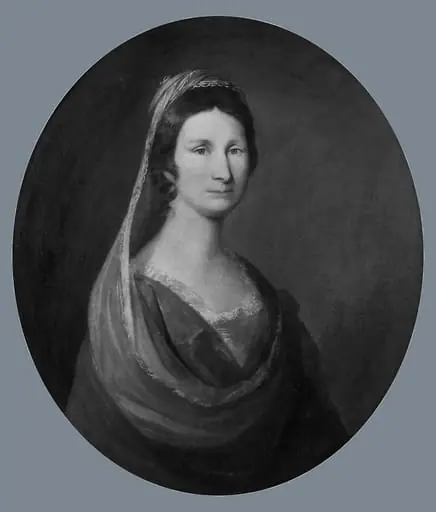
Mrs. John Ball Brown (Rebecca Warren) is an oil painting by the American Folk Art artist Chester (Charles) Harding. It dates from 1826 and is held in the collection of the Museum of Fine Arts Boston. Painted in 1826 by American artist Chester Harding, this oil portrait depicts Rebecca Warren, wife of John Ball Brown.
About this work
Overview
The composition follows the conventions of early 19th-century American portraiture, emphasizing realism over ornamentation.
Painted in 1826 by American artist Chester Harding, this oil portrait depicts Rebecca Warren, wife of John Ball Brown. Harding, primarily known for his portraits of notable figures in the U.S. and Britain, rendered this work with careful attention to physical presence and quiet dignity. The composition follows the conventions of early 19th-century American portraiture, emphasizing realism over ornamentation.
Subject & Meaning
Rebecca Warren is portrayed with composed stillness, her gaze meeting the viewer directly. Her attire—a high-necked, light-colored dress with fur trim and a dark bonnet—suggests modesty and social standing. The absence of symbolic objects or elaborate settings focuses attention on her individuality, reflecting a shift toward personal representation in American portraiture of the period.
Technique & Style
Harding employed chiaroscuro to model the face and fabric with subtle gradations of light and shadow, lending volume to the figure against a dark, indistinct background. The brushwork is precise in rendering textures—the fur collar, the weave of the dress, the curls beneath the bonnet—yet remains restrained, avoiding theatricality. This controlled realism aligns with the broader American tradition of straightforward, observational portraiture.
History & Provenance
The portrait was commissioned during Harding’s active years as a portraitist, likely in Boston or another northeastern urban center. It remained within the Brown family for generations before entering institutional collections. Documentation is limited, but its survival reflects the value placed on domestic portraiture among early American elites seeking to preserve familial identity.
Context
In the 1820s, American portraiture was transitioning from colonial formalism toward more intimate, individualized depictions. Harding’s work, though not part of the academic European tradition, contributed to a growing domestic market for likenesses of middle- and upper-class citizens. This portrait exemplifies the era’s preference for restrained elegance and psychological presence over grandeur.
Legacy
Though Harding is less celebrated today than his European contemporaries, his portraits, including this one, offer insight into the visual culture of early republican America. The painting endures as a quiet record of a woman’s presence in a society where personal identity was increasingly valued, even in the absence of public prominence.
Artist & collection
Artist
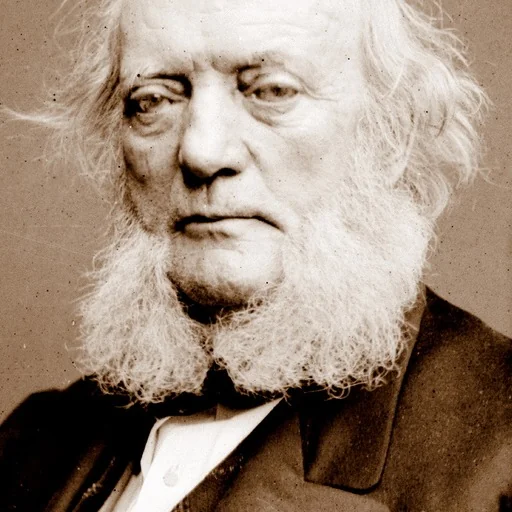
Chester Harding (September 1, 1792 – April 1, 1866) was an American portrait painter known for his paintings of prominent figures in the United States and England.