Artwork
Mrs. Robert Waterston (Hephzibah Lord)
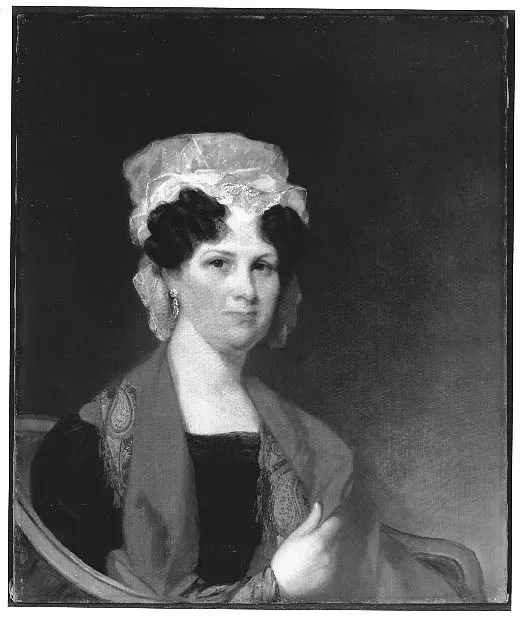
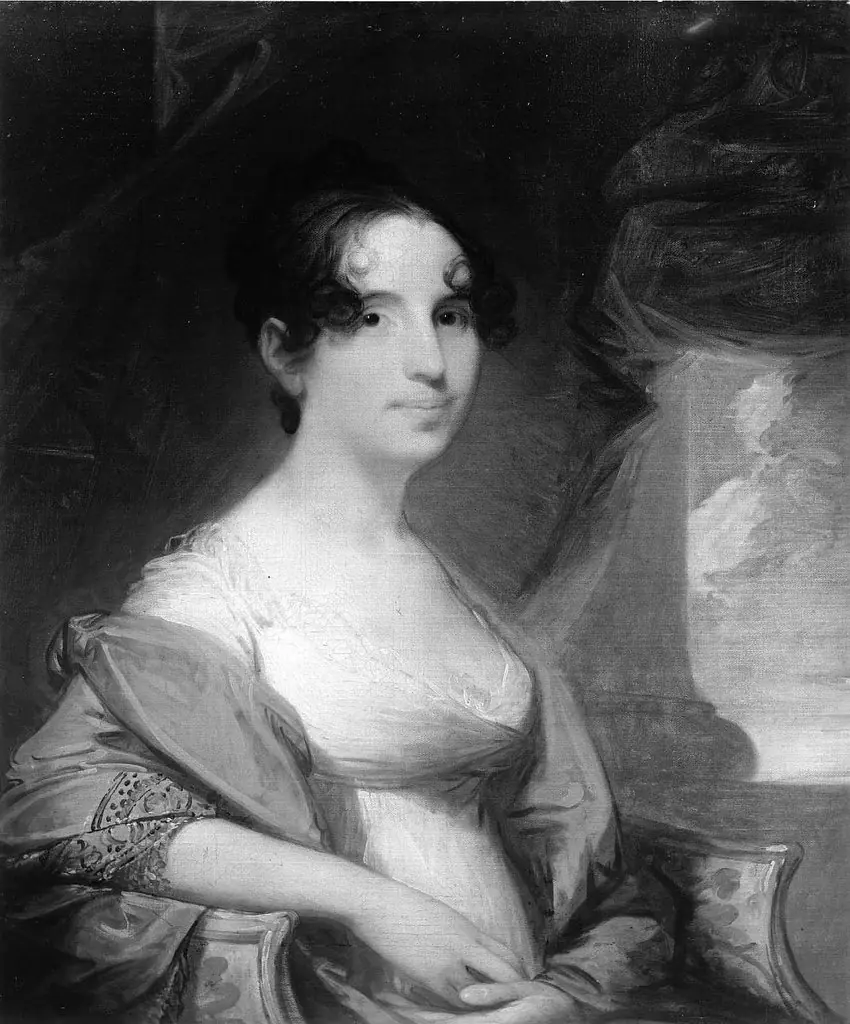
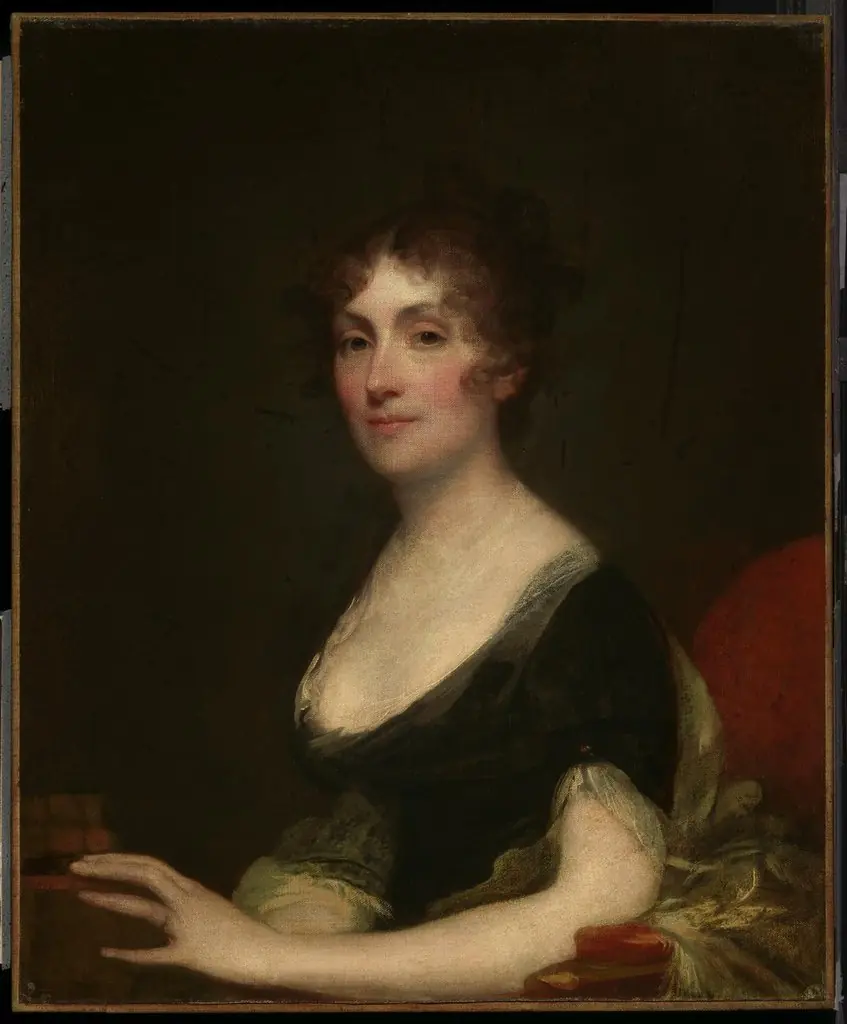
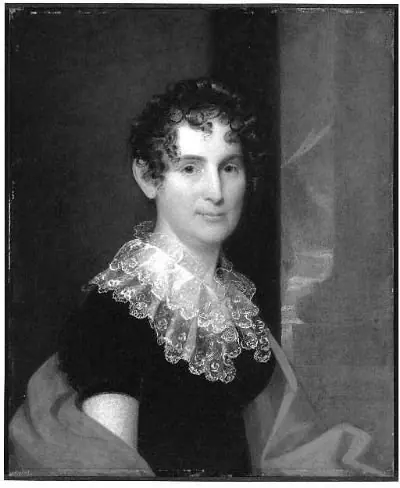
Mrs. Robert Waterston (Hephzibah Lord) is an oil painting by the American Impressionist artist Gilbert Stuart. It dates from 1824 and is held in the collection of the Museum of Fine Arts Boston.
About this work
This portrait depicts a woman with dark hair, dressed in a black dress and a light-colored shawl or cloak.
This portrait depicts a woman with dark hair, dressed in a black dress and a light-colored shawl or cloak. She wears a lace-trimmed cap on her head and has a subtle, enigmatic expression. Her right hand is visible, with her fingers curled inward.
The woman's attire and hairstyle suggest a formal, elegant setting, possibly from the early 19th century. The artist's use of chiaroscuro creates a sense of depth and dimensionality in the painting.
To learn more about the artist behind this work, explore the paintings of Gilbert Stuart.
Overview
Gilbert Stuart’s 1824 oil portrait presents Hephibah Lord Waterston, later known as Mrs. Robert Waterston, seated in a dark dress with a light shawl draped over her shoulders. The sitter’s dark hair is gathered under a lace‑trimmed cap, and her expression is quietly contemplative. The composition is framed by a subtle play of light and shadow that gives the figure a three‑dimensional presence.
Subject & Meaning
Hephibah Lord Waterston, a woman of respectable standing in early‑19th‑century New England, is portrayed with an understated dignity. The modest yet refined attire, together with the restrained pose, suggests both personal modesty and the social expectations of a genteel wife. Her slightly enigmatic gaze invites viewers to consider the inner life of a woman whose public identity was largely defined by marriage.
Technique & Style
Stuart employs a restrained palette of deep blacks, muted earth tones, and soft whites, allowing the delicate modeling of the face to emerge through careful chiaroscuro. The brushwork is smooth and controlled, characteristic of his late Federal‑style portraiture, while the handling of the shawl’s folds hints at an emerging interest in atmospheric effects that anticipate American Impressionist sensibilities.
History & Provenance
The portrait was completed in 1824, toward the end of Stuart’s prolific career. It entered the Museum of Fine Arts, Boston, through a donation in the early twentieth century, where it has remained part of the institution’s American portrait collection. The work has been documented in the museum’s catalogues as a representative example of Stuart’s later commissions.
Context
Created during a period when American artists were seeking to assert a national visual identity, the painting reflects the Federal era’s emphasis on moral virtue and refined elegance. Stuart, already renowned for his depictions of political leaders, turned his skill to private patrons, capturing the emerging middle‑class aspirations of the young republic.
Artist & collection

Artist
Gilbert Stuart (né Stewart; December 3, 1755 – July 9, 1828) was an American painter born in the Rhode Island Colony who is widely considered one of America's foremost portraitists.