Artwork
Plum Branch
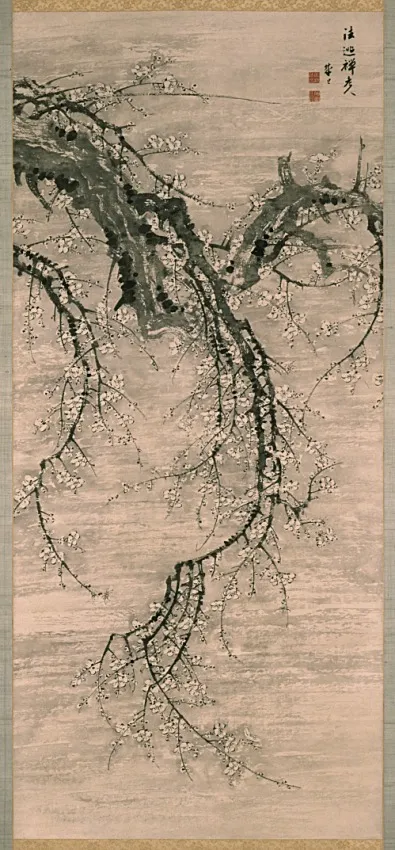
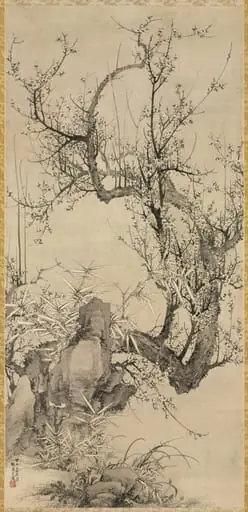
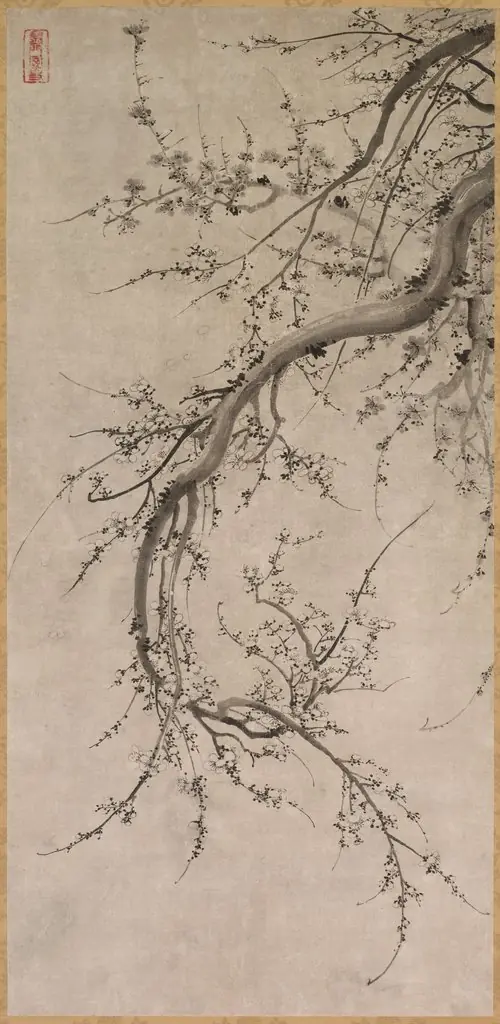
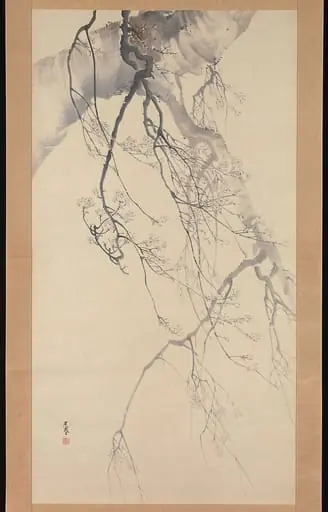
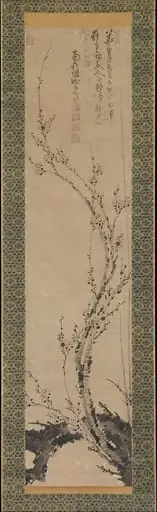
Plum Branch is an unspecified painting by Nakabayashi Chikutō. It dates from 1850 and is held in the collection of the Los Angeles County Museum of Art.
About this work
Overview
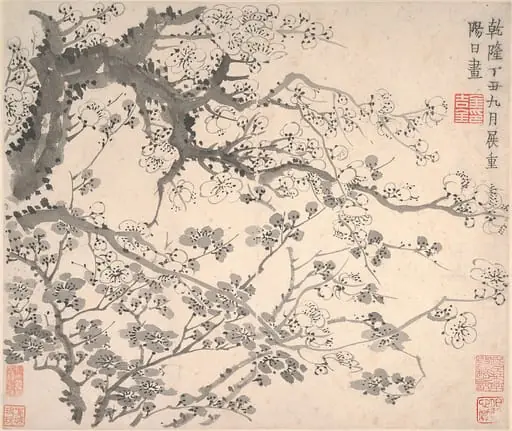
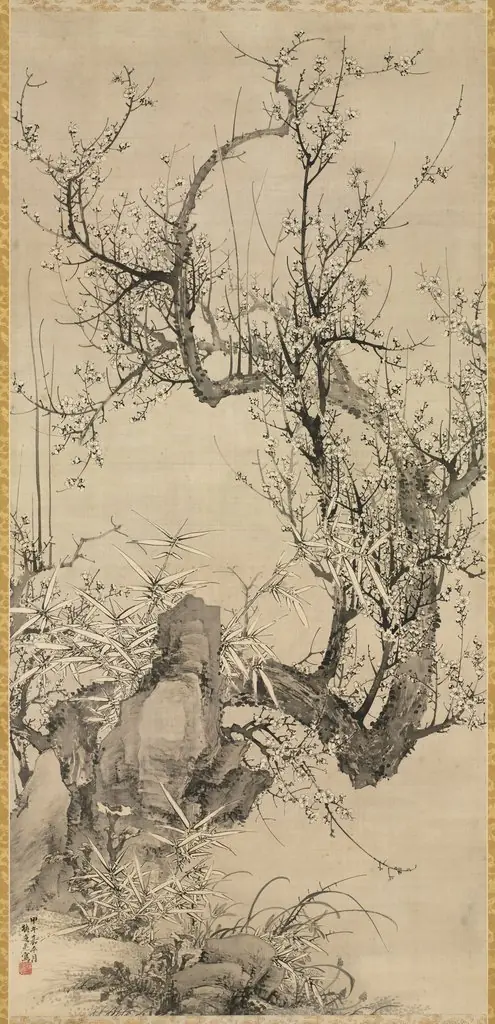
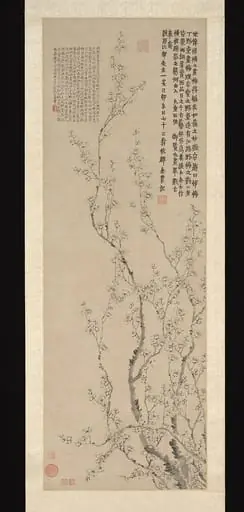
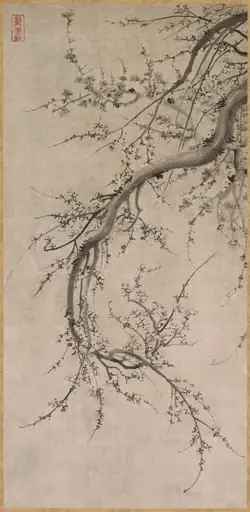
Created circa 1850, *Plum Branch* is a modestly sized painting by Japanese artist Chikutō Nakabayashi. Executed in the nanga, or literati, tradition, the work presents a solitary branch of plum blossoms rendered with restrained brushwork. It now belongs to the Los Angeles County Museum of Art, where it is displayed as part of the museum’s Asian art holdings.
Subject & Meaning
The composition focuses on a single plum tree branch, a motif frequently employed by nanga painters to evoke themes of endurance and seasonal renewal. In Chinese and Japanese cultural symbolism, the plum blossoms early in winter, suggesting perseverance through hardship and the promise of spring.
Technique & Style
Nakabayashi applies ink and subtle color washes in a manner characteristic of the literati approach, favoring expressive brushstrokes over meticulous detail. The painting’s loose rendering and emphasis on personal feeling align with the nanga aesthetic, which valued the artist’s scholarly background and spontaneous execution.
History & Provenance
Born Nariaki in Nagoya in 1776, the artist later adopted the name Chikutō and worked in Kyoto under several art names, including Chūtan and Taigen’an. *Plum Branch* entered the Los Angeles County Museum of Art’s collection through acquisition in the late 20th century, joining a broader representation of 19th‑century Japanese nanga works.
Artist & collection