Artwork
The Church at Gloucester
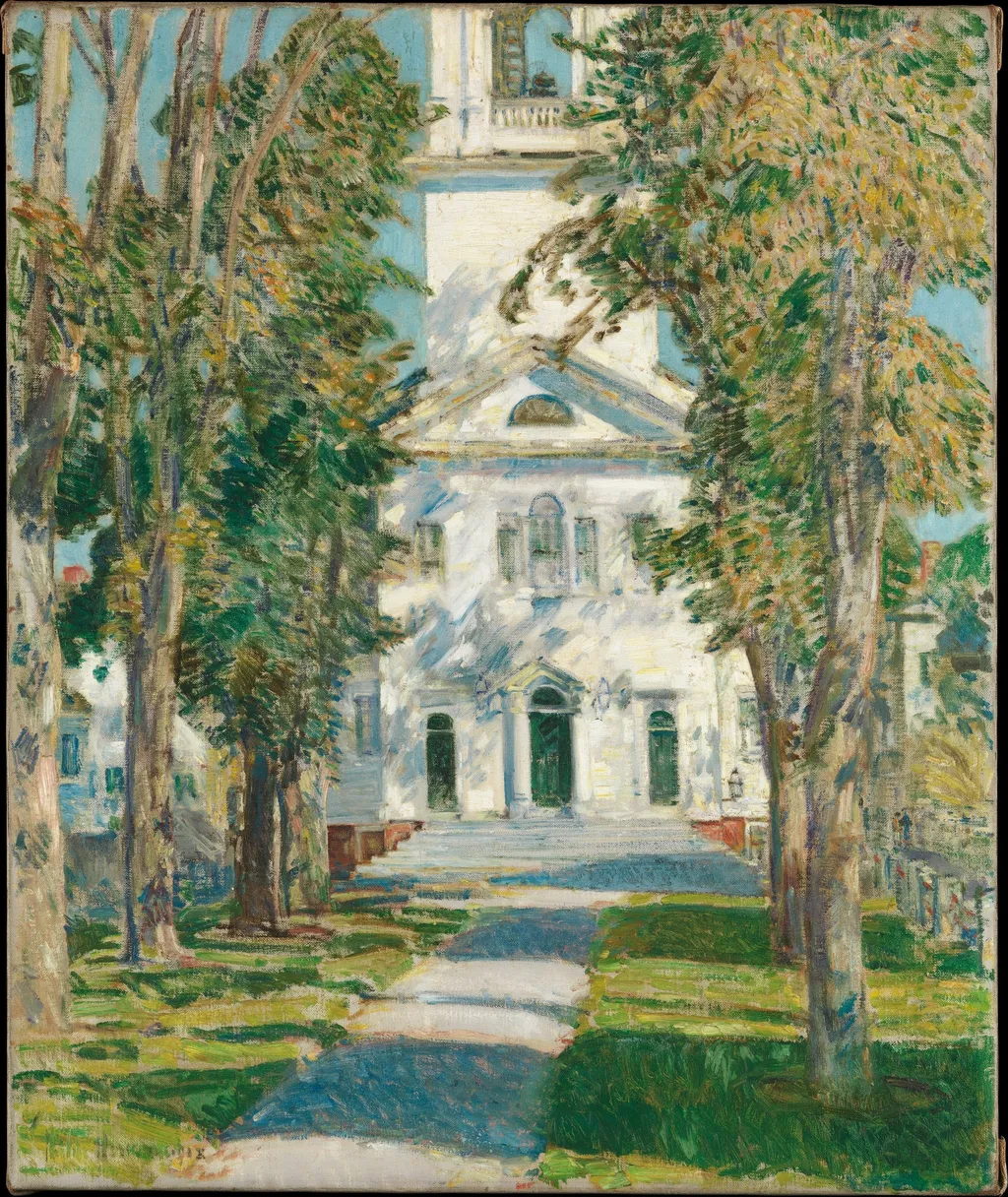
The Church at Gloucester is an oil painting by the American Impressionist artist Childe Hassam. It dates from 1918 and is held in the collection of the Metropolitan Museum of Art.
About this work
Overview
Childe Hassam's oil painting, The Church at Gloucester, dates from 1918. This work captures a serene architectural subject, depicting a church structure amidst natural surroundings. It exemplifies the principles of American Impressionism, a movement known for its focus on light and atmosphere. The painting is currently part of the collection at The Metropolitan Museum of Art.
Subject & Meaning
The composition centers on a prominent white church, distinguished by its central entrance, a triangular pediment, and a soaring steeple. Lush, green trees with slender trunks flank the building, framing it within the natural landscape. The artist presents this architectural subject with a sense of tranquility, emphasizing its integration into the New England environment.
Technique & Style
Hassam employs oil paint to render the scene in an Impressionistic manner, focusing on the interplay of light and color. Warm sunlight illuminates the white church and casts elongated shadows across the verdant lawn, creating a sense of depth and texture. This approach captures the transient effects of light, characteristic of the American Impressionist movement.
History & Provenance
Created in 1918, The Church at Gloucester has since become a notable example within Childe Hassam's body of work. The painting is now housed in the permanent collection of The Metropolitan Museum of Art, where it contributes to the institution's representation of American art from the early 20th century.
Artist & collection
Artist
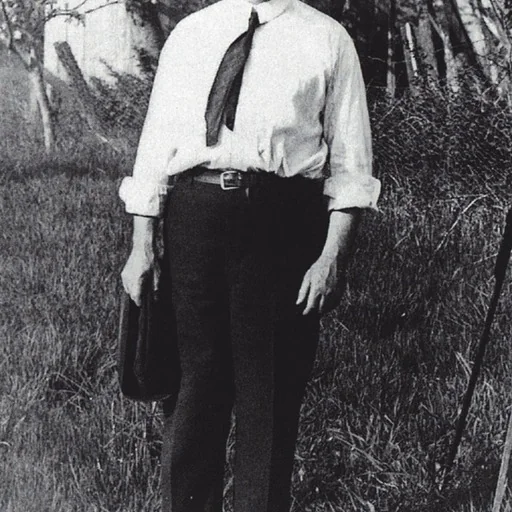
Frederick Childe Hassam was an American Impressionist painter, noted for his urban and coastal scenes.